
Top Chiropractor in San Leandro, CA

San Leandro Chiropractor

  • blog
  • About Our Practice
  • What is Chiropractic?
  • SERVICES
    • Personal Injury
    • Cold Laser Therapy
    • Massage
    • Ultrasound
    • Electric Stimulation
    • Sports Injury
    • Workers Compensation
  • FAQs
  • Locations
  • CONTACT US
  • New Patient Forms
  • Nutrition Store
  • Home

Powered by Genesis

Hippocrates, spine and his opinion about chiropractors if he would be alive

May 18, 2026 by drburt

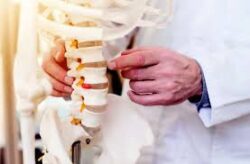
Hippocrates (c. 460–370 BCE), the “Father of Medicine,” placed great importance on the spine. He would likely view modern chiropractors positively (or at least see strong alignment with his own ideas), as he advocated spinal knowledge and manual manipulation techniques that resemble early forms of spinal care.

Key Hippocratic Views on the Spine

Hippocrates stressed the spine’s central role in health. Famous (and widely cited) quotes attributed to him include:

  • “Get knowledge of the spine, for this is the requisite for many diseases.”
  • “Look well to the spine for the cause of disease.”

He saw spinal issues as linked to many health problems and believed physicians needed deep understanding of spinal structure and function.

In works like On Articulations and On the Nature of Bones, he described spinal anatomy, deformities (e.g., kyphosis, scoliosis), dislocations, and treatments. He used manual techniques, traction devices (like the Hippocratic ladder, board, and bench), leverage, and hands-on methods to address “prominent vertebrae” and joint issues. He often combined manipulation with exercises afterward.

These practices were not exactly modern chiropractic (which emerged in the late 19th century with D.D. Palmer), but they involved spinal manipulation for both musculoskeletal problems and broader health benefits—very much in the spirit of what chiropractors do.

Hypothetical Opinion on Chiropractors If Alive Today If Hippocrates were alive now, he would probably:

  • Approve of the focus on the spine as a key to overall health, aligning with his holistic, “find and remove the cause” philosophy (vis medicatrix naturae — the body’s natural healing power).
  • Support evidence-based spinal manipulation for back pain, joint issues, and mobility, as he practiced and documented similar methods.
  • Appreciate the emphasis on non-drug, natural approaches, consistent with his rejection of superstition in favor of observation and reason.
  • Be cautious or critical of overclaims (e.g., curing all diseases solely via adjustments), given his scientific mindset. He would demand careful diagnosis, observation, and integration with other medical knowledge.
  • Value the hands-on, patient-centered approach, though he might suggest combining it with modern diagnostics, imaging, and his own traction/exercise methods.

Chiropractic often cites him as a foundational influence, and historical accounts of manipulative therapy trace back to him.

In short, Hippocrates was a strong early proponent of spinal care through manipulation and knowledge. Modern chiropractors carry forward aspects of that tradition, which he would likely respect as a continuation of seeking natural causes and remedies. His core message remains relevant: the spine is crucial to health.
Filed Under: Chiropractic, Spine Tagged With: chiropractic, chiropractor, health, spine

San Leandro Chiropractor and C1 vertebral level and symptoms associated with it

May 11, 2026 by drburt

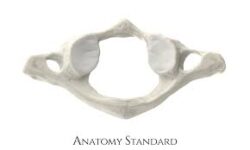
A C1 (atlas) vertebral misalignment often causes chronic headaches, severe neck pain/stiffness, vertigo, and dizziness due to its close proximity to the brainstem and nerves. This instability can also lead to TMJ pain, ringing in the ears (tinnitus), fatigue, and postural changes, such as shoulder tilting.

Common Symptoms of C1 Misalignment
Because the C1 vertebra surrounds the brainstem and supports the head, misalignments can cause diverse symptoms:

  • Headaches and Migraines: Often start at the base of the skull and radiate towards the eyes or temples.
  • Neck Pain and Reduced Mobility: Persistent pain, stiffness, and difficulty turning the head, or a feeling of a “constant knot”.
  • Neurological Issues: Vertigo, dizziness, and loss of balance, sometimes severe.
  • TMJ and Facial Pain: Clicking, popping, or jaw pain located near the ear.
  • Auditory and Visual Disturbances: Tinnitus (ringing in the ears), fullness in the ears, or blurred vision.
  • Nerve Interference Symptoms: Numbness, tingling, or weakness in the arms, hands, or face.
  • General Dysfunction: Fatigue, brain fog, and sometimes anxiety or sleep disturbances.

Causes and Effects of C1 Misalignment

  • Atlantoaxial Instability (C1-C2): Injury to ligaments can cause excessive movement between C1 and C2, leading to nerve irritation and vertebral artery compression.
  • Postural Changes: Misalignment often causes compensatory posture issues, including head tilt, uneven shoulders, or a “short leg” phenomenon.
  • Reduced Blood Flow: Misalignment can affect blood flow to the brain, contributing to “brain fog” or vertigo.

If you suspect a C1 misalignment, it is advised to consult your local chiropractor

Filed Under: Chiropractic Tagged With: chiropractic, Chiropractic Care, chiropractor, headache, neckpain, pain, san leandro, spinal adjustment, tmj

2026 U.S. Economic Outlook: Navigating Uncertainty, Mental Stress, and the Role of Chiropractic Care

May 8, 2026 by drburt

As we move through 2026, the U.S. economy presents a picture of moderate resilience amid persistent challenges. Forecasters project real GDP growth in the 2.0–2.3% range for the year. This pace reflects solid business investment—particularly in AI and technology—alongside fiscal policies and steady consumer spending. However, growth is uneven. Unemployment is expected to edge up modestly to around 4.3–4.6%, with job gains slowing in many sectors while healthcare and tech continue hiring. Inflation remains a concern. Core measures are easing but face upward pressure from energy prices, tariffs, and services costs. Many households still grapple with high housing expenses, healthcare costs, and everyday affordability issues. Policy uncertainty, geopolitical tensions, and elevated national debt add layers of volatility. While a sharp recession is not the baseline forecast, consumer sentiment stays cautious. For millions of Americans, economic pressures translate directly into heightened daily stress. Financial anxiety has become a defining feature of 2026. Surveys indicate nearly half of adults report higher stress levels than the previous year, driven by day to-day expenses, debt, job security worries, and concerns about the country’s direction. This chronic stress fuels a vicious cycle: elevated cortisol, sleep disruption, muscle tension, headaches, and reduced mental clarity. Younger generations, in particular, link financial strain to anxiety and feelings of lost control. When economic uncertainty lingers, the body and mind pay the price—poor posture from desk work or stress-induced clenching, neck and back pain, and nervous system overload. Here is where chiropractic care offers meaningful support. Chiropractic is not a solution for economic problems or a replacement for mental health therapy, but it serves as a powerful complementary tool for managing the physical and neurological effects of stress. Spinal adjustments help restore proper alignment, which can reduce nerve interference and shift the nervous system from sympathetic “fight or flight” dominance toward parasympathetic “rest and digest” balance. Many patients report lower muscle tension, fewer tension headaches, and improved sleep after consistent care. Research and clinical observations link chiropractic interventions to reduced cortisol markers, decreased blood pressure in some cases, and better overall emotional regulation. By addressing posture issues exacerbated by stress, chiropractic care helps break the feedback loop where physical pain amplifies mental strain. In a year of moderate economic growth but ongoing personal pressures, proactive self-care becomes essential. Regular chiropractic visits can improve resilience, boost energy levels, and enhance quality of life when finances and the future feel uncertain. Combined with exercise, financial planning, mindfulness practices, and professional mental health support when needed, it forms part of a holistic strategy. Looking ahead, 2026 rewards adaptability. The economy will likely avoid major contraction while delivering opportunities in innovative sectors. For individuals, protecting mental and physical health is key to navigating whatever comes next. If economic stress is weighing on your body and mind, consider scheduling a chiropractic evaluation. Small, consistent steps today—financial awareness, movement, and proper spinal care—can make 2026 feel more manageable and empowering.

Filed Under: Advice, Ankle, Auto Accidents, Carpal Tunnel Syndrome - CTS, Children, Chiropractic, D.C. Consulting, Diet, Exercises, FAQs, Games, Golfer's Elbow, Headache, Health, Insomnia, Knee, Low Back Pain, Modalities, Neck Pain, Nutriton, Opinion, Personal Injury, Posture, Questions/Answers, Shoulder, Soft Tissue Injury, Spine, Sports, Tennis Elbow, TMJ, TOS, Travel, Uncategorized, Weight Loss Tagged With: back pain, chiropractic, chiropractor, neck injury, san leandro

San Leandro Kaiser Hospital for lower back therapy vs San Leandro Chiropractor therapy

May 7, 2026 by drburt

Kaiser Permanente in San Leandro offers physical therapy (PT), pain killers and anti inflammatory as part of an integrated medical approach for lower back pain, while local chiropractors emphasize spinal manipulation and hands-on adjustments. Both can help with lower back pain, but they differ in focus, style, access (especially if you’re a Kaiser member), evidence base, and typical experiences.

Treatment Approaches

  • Kaiser PT: Focuses on exercise-based rehabilitation — stretching, core strengthening, posture/movement training, education, and gradual return to activity. Prioritizes active exercises for long-term function and preventing recurrence. Kaiser often emphasizes conservative care first and coordinates with other services (e.g., pain management, imaging if needed). healthy.
  • Chiropractic: Centers on spinal manipulation/adjustments to improve alignment, reduce nerve irritation, and provide quicker symptom relief. Many also incorporate soft tissue work, stretches, and exercises. It is often more hands-on and visit-based. Modalities such as muscle interferential, ultrasound and cold laser used to achieve a faster recovery.

Effectiveness for Lower Back Pain Research (including randomized studies and reviews) generally shows better overall results for pain relief and function with chiropractic manipulation vs. PT, especially for acute or subacute low back pain.

  • Chiropractic often provides structural balance between joints for acute pain or mobility issues via adjustments. Structure first, strengthening second.
  • PT frequently excels for longer-term results, strength building, and reducing recurrence through active rehab (better for chronic pain or muscle imbalances).
  • Many experts recommend combining both when possible: adjustments for quick relief + PT for sustained improvement.

Costs and sessions can vary. One analysis found chiropractic slightly more cost-effective in certain short-term scenarios.

If you’re a Kaiser member: PT is usually covered/referred internally (start with your PCP). Some patients report session limits (e.g., ~5 per diagnosis), variable therapist quality/experience, and potential wait times. Positive experiences exist, but complaints about bureaucracy or generic plans appear in forums. berkeleyparentsnetwork.org +1

  • Chiropractors: Out-of-pocket or partial coverage (check your plan). Often easier/faster access, more personalized feel, and strong local reviews for back pain. Walk-ins available at places like our clinic at Burt Chiropractic rehabilitation Center.
  • Evidence and guidelines: Major guidelines recommend non-drug options like PT, chiropractic, or exercise first for most low back pain before imaging or stronger interventions.

Which to Choose?

  • Try Kaiser PT first if you’re a member, have insurance coverage concerns, chronic/ongoing issues, or want structured long-term rehab and medical oversight.
  • See a chiropractor for quicker acute relief, preference for manual adjustments, or if Kaiser access is slow/limited.
  • Best option for many: make your own educated choice. Dr. Burt have been providing chiropractic care for the past 25 years with success rate of 98%.


Filed Under: Chiropractic Tagged With: chiropractor, manipulative therapy, san leandro chiropractor

  • 1
  • 2
  • 3
  • 4
  • Next Page »

PLEASE FOLLOW & LIKE B.C.

RSS
Follow by Email
Facebook
Facebook
fb-share-icon
Twitter
Visit Us
Follow Me
Post on X
YouTube
YouTube
LinkedIn
LinkedIn
Share

15200 Hesperian Blvd #104

San Leandro, CA. 94578

(510) 481-2225

drburt@burtchiropractic.com


SEARCH

Categories

Recent Posts

  • Loss of Cervical Lordosis: How a Straight Neck and Pain Impact Your Health—and How a San Leandro Chiropractor Can Help Restore It
  • Hidden Injuries from Car Accidents That a San Leandro Chiropractor Can Help You Detect
  • Best San Leandro Chiropractor for Sciatica Pain Relief: Natural, Drug-Free Solutions That Work