Top Chiropractor in San Leandro, CA

San Leandro Chiropractor

  • blog
  • About Our Practice
    • YELP REVIEWS
  • What is Chiropractic?
  • SERVICES
    • Personal Injury
    • Cold Laser Therapy
    • Massage
    • Ultrasound
    • Electric Stimulation
    • Sports Injury
    • Workers Compensation
    • HS Sports Physical Examination
  • FAQs
  • CONTACT US
  • New Patient Forms
  • Nutrition Store

Powered by Genesis

San Leandro Chiropractor, C2 subluxation and possible symptoms that you can experience

May 13, 2026 by drburt

san leandro chiropractor

C2 subluxation

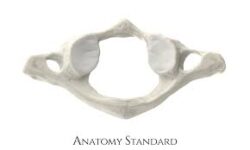
C2 subluxation refers to a misalignment or partial displacement of the second cervical vertebra (the axis), which sits below C1 (the atlas) and allows much of the head’s rotational movement. In chiropractic terms, a “vertebral subluxation” involves a vertebra that is misaligned or not moving properly, potentially irritating nerves, muscles, ligaments, or the brainstem/spinal cord area.

In conventional medicine, true atlantoaxial subluxation (C1-C2 instability or displacement) is rarer and often linked to trauma, rheumatoid arthritis, or congenital issues. It can be serious if it compresses the spinal cord. Chiropractors often use the term more broadly for minor misalignments detected via palpation or imaging.

Common Symptoms Associated with C2 Subluxation.

Symptoms vary widely depending on severity, the degree of nerve or vascular involvement, and individual factors. Many overlap with other conditions, so proper diagnosis (imaging like X-rays, CT, or MRI, plus clinical evaluation) is essential.

Frequent symptoms include:

  • Neck pain and stiffness — Often at the base of the skull; may include reduced range of motion or torticollis (head tilt/rotation, especially in acute rotary subluxation).
  • Headaches and migraines — Commonly occipital (back of head) or cervicogenic headaches starting at the skull base.
  • Dizziness, vertigo, or balance issues — Due to proximity to structures affecting vestibular function and blood flow.
  • Other neurological or sensory issues — Brain fog, tinnitus (ringing in ears), visual disturbances, facial pain, or numbness/tingling in arms/hands.

Additional symptoms sometimes linked in chiropractic literature (with varying levels of scientific consensus):

  • Insomnia, nervousness, chronic fatigue.
  • Sinus issues, allergies, earaches.
  • High blood pressure or other autonomic effects (via upper cervical influence on brainstem).

Severe cases (true instability) can rarely lead to more serious neurological deficits, cord compression symptoms, or (in extreme trauma) paralysis. Many mild cases are asymptomatic or cause only vague neck discomfort.

How Chiropractic Care Can Help

Chiropractors focus on detecting and correcting subluxations through spinal adjustments (manipulations) to restore alignment, mobility, and nerve function. For upper cervical issues like C2, they often use gentle, specific techniques rather than high-velocity thrusts to minimize risk.

Common approaches:

  • Upper cervical chiropractic (e.g., Atlas Orthogonal, NUCCA, or Blair techniques) — Precise, low-force adjustments tailored to C1-C2 alignment, often using instruments or very light touches. These aim to reduce pressure on nerves/brainstem and improve posture/blood flow.
  • Manual adjustments, mobilization, and soft tissue work — To improve joint motion and reduce muscle tension.
  • Supportive care — Exercises, posture correction, traction, or physical therapy modalities to stabilize the area and prevent recurrence.

Potential benefits reported:

  • Reduced neck pain and headaches.
  • Improved dizziness/balance and range of motion.
  • Better overall function through restored nervous system signaling.
 

Filed Under: Chiropractic Tagged With: chiropractic, chiropractic adjustment, chronic pain, headache, neck pain, san leandro chiropractor, spinal adjustment

San Leandro Chiropractor and C1 vertebral level and symptoms associated with it

May 11, 2026 by drburt

atlas scaled

A C1 (atlas) vertebral misalignment often causes chronic headaches, severe neck pain/stiffness, vertigo, and dizziness due to its close proximity to the brainstem and nerves. This instability can also lead to TMJ pain, ringing in the ears (tinnitus), fatigue, and postural changes, such as shoulder tilting.

Common Symptoms of C1 Misalignment
Because the C1 vertebra surrounds the brainstem and supports the head, misalignments can cause diverse symptoms:

  • Headaches and Migraines: Often start at the base of the skull and radiate towards the eyes or temples.
  • Neck Pain and Reduced Mobility: Persistent pain, stiffness, and difficulty turning the head, or a feeling of a “constant knot”.
  • Neurological Issues: Vertigo, dizziness, and loss of balance, sometimes severe.
  • TMJ and Facial Pain: Clicking, popping, or jaw pain located near the ear.
  • Auditory and Visual Disturbances: Tinnitus (ringing in the ears), fullness in the ears, or blurred vision.
  • Nerve Interference Symptoms: Numbness, tingling, or weakness in the arms, hands, or face.
  • General Dysfunction: Fatigue, brain fog, and sometimes anxiety or sleep disturbances.

Causes and Effects of C1 Misalignment

  • Atlantoaxial Instability (C1-C2): Injury to ligaments can cause excessive movement between C1 and C2, leading to nerve irritation and vertebral artery compression.
  • Postural Changes: Misalignment often causes compensatory posture issues, including head tilt, uneven shoulders, or a “short leg” phenomenon.
  • Reduced Blood Flow: Misalignment can affect blood flow to the brain, contributing to “brain fog” or vertigo.

If you suspect a C1 misalignment, it is advised to consult your local chiropractor

Filed Under: Chiropractic Tagged With: chiropractic, Chiropractic Care, chiropractor, headache, neckpain, pain, san leandro, spinal adjustment, tmj

“Understanding Headaches: Exploring the Role of Chiropractic Care in Relief”

January 18, 2024 by drburt

hormonal imbalance

Introduction: Headaches are a common ailment experienced by people of all ages and backgrounds. While there are various causes of headaches, ranging from stress and tension to medical conditions, some individuals seek alternative therapies like chiropractic care for relief. In this post, we’ll delve into the connection between headaches and chiropractic care, exploring how chiropractors approach the treatment of headaches and whether this alternative method can be an effective solution.

Understanding Types of Headaches: Before delving into chiropractic care, it’s essential to understand the different types of headaches. Common types include tension headaches, migraines, and cervicogenic headaches. Tension headaches often result from stress and muscle tension, while migraines are characterized by intense, throbbing pain and may be accompanied by other symptoms like nausea and sensitivity to light. Cervicogenic headaches are linked to issues in the neck and spine.

Chiropractic Care and Headaches: Chiropractic care focuses on the relationship between the spine and the nervous system. Chiropractors believe that misalignments in the spine (subluxations) can contribute to various health issues, including headaches. Here’s how chiropractic care may address headaches:

  1. Spinal Adjustments: Chiropractors perform spinal adjustments or manipulations to realign the spine. This is believed to relieve tension and pressure on the nervous system, potentially reducing headache frequency and intensity.
  2. Posture Correction: Poor posture can contribute to headaches, especially tension headaches. Chiropractors may provide guidance on improving posture and recommend exercises to strengthen supportive muscles.
  3. Muscle Relaxation Techniques: Chiropractors may use massage, stretching, and other techniques to relax tight muscles in the neck and shoulders, aiming to alleviate headache-related tension.
  4. Lifestyle and Ergonomic Advice: Chiropractors often offer advice on lifestyle changes and ergonomic adjustments that can prevent headaches. This may include recommendations for proper workspace ergonomics and stress management techniques.

Research on Chiropractic Care for Headaches: While some individuals report relief from headaches after chiropractic care, the scientific evidence is mixed. Some studies suggest that spinal manipulations performed by chiropractors can be beneficial for certain types of headaches, while more research is needed to establish conclusive evidence.

Conclusion: Chiropractic care presents a holistic approach to addressing headaches by focusing on spinal health and overall well-being. Individuals considering chiropractic care for headaches should consult with a healthcare professional to ensure a comprehensive and personalized approach to their specific condition. As with any medical decision, it’s essential to weigh the potential benefits against individual health needs and preferences.

Filed Under: Headache Tagged With: chiropractic, headache

PLEASE FOLLOW & LIKE B.C.

RSS
Follow by Email
Facebook
Facebook
fb-share-icon
Twitter
Visit Us
Follow Me
Post on X
YouTube
YouTube
LinkedIn
LinkedIn
Share

15200 Hesperian Blvd #104

San Leandro, CA. 94578

(510) 481-2225

drburt@burtchiropractic.com


SEARCH

Categories

Recent Posts

  • San Leandro Chiropractor for Auto Accident & T-Bone Collision Rehabilitation
  • The Hidden Danger of Whiplash: Why Minor San Leandro Intersections Lead to Major Pain
  • How to Sleep with Lower Back or Neck Pain: Practical Advice from a San Leandro Chiropractic Office