
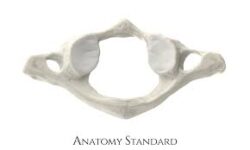
A C1 (atlas) vertebral misalignment often causes chronic headaches, severe neck pain/stiffness, vertigo, and dizziness due to its close proximity to the brainstem and nerves. This instability can also lead to TMJ pain, ringing in the ears (tinnitus), fatigue, and postural changes, such as shoulder tilting.
Common Symptoms of C1 Misalignment
Because the C1 vertebra surrounds the brainstem and supports the head, misalignments can cause diverse symptoms:
- Headaches and Migraines: Often start at the base of the skull and radiate towards the eyes or temples.
- Neck Pain and Reduced Mobility: Persistent pain, stiffness, and difficulty turning the head, or a feeling of a “constant knot”.
- Neurological Issues: Vertigo, dizziness, and loss of balance, sometimes severe.
- TMJ and Facial Pain: Clicking, popping, or jaw pain located near the ear.
- Auditory and Visual Disturbances: Tinnitus (ringing in the ears), fullness in the ears, or blurred vision.
- Nerve Interference Symptoms: Numbness, tingling, or weakness in the arms, hands, or face.
- General Dysfunction: Fatigue, brain fog, and sometimes anxiety or sleep disturbances.
Causes and Effects of C1 Misalignment
- Atlantoaxial Instability (C1-C2): Injury to ligaments can cause excessive movement between C1 and C2, leading to nerve irritation and vertebral artery compression.
- Postural Changes: Misalignment often causes compensatory posture issues, including head tilt, uneven shoulders, or a “short leg” phenomenon.
- Reduced Blood Flow: Misalignment can affect blood flow to the brain, contributing to “brain fog” or vertigo.
If you suspect a C1 misalignment, it is advised to consult your local chiropractor