Top Chiropractor in San Leandro, CA

San Leandro Chiropractor

  • blog
  • About Our Practice
  • What is Chiropractic?
  • SERVICES
    • Personal Injury
    • Cold Laser Therapy
    • Massage
    • Ultrasound
    • Electric Stimulation
    • Sports Injury
    • Workers Compensation
  • FAQs
  • Locations
  • CONTACT US
  • New Patient Forms
  • Nutrition Store
  • Home

Powered by Genesis

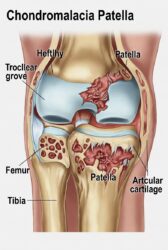
Natural Relief for Chondromalacia Patella: San Leandro Chiropractic Care, Amrex Ultrasound, and Chondroitin Sulfate

June 17, 2026 by drburt

Chondromalacia patella, often called “runner’s knee,” involves the softening and breakdown of the cartilage on the underside of the kneecap (patella). This condition causes anterior knee pain, especially during activities like climbing stairs, squatting, or prolonged sitting. It commonly affects athletes, active young adults, and those with biomechanical imbalances such as poor hip or knee alignment. While cartilage damage is challenging to reverse fully, conservative treatments can significantly reduce pain, improve function, and slow progression.

Chiropractic Care:

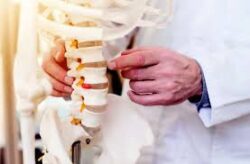
Addressing the Root Causes. Chiropractic care offers a non invasive, holistic approach ideal for chondromalacia patella. Chiropractors focus on correcting misalignments in the pelvis, hips, spine, and knee that contribute to uneven pressure on the patella. Adjustments improve joint biomechanics, reduce muscle imbalances (particularly in the quadriceps and vastus medialis obliquus), and enhance overall lower extremity alignment. Patients often experience reduced pain and better knee tracking after regular sessions. Chiropractic also incorporates soft tissue work, stretching, and rehabilitative exercises to strengthen supporting muscles and prevent recurrence. Many clinics combine this with postural corrections and gait analysis for long term relief. Studies and clinical reports support chiropractic management for patellofemoral pain syndrome, showing improvements in pain and function without surgery. Also misaligned Sacroilliac Joint in females can increase Valgus or (Q- angle) and can cause biomechanical problems with long term stress during physical exercises and just normal ADL ( activities of daily living)

A normal structural knee angle (known as the Q-angle) in females ranges from roughly 10° to 15°. Angles exceeding 15° to 20° often indicate structural genu valgum (“knock-knees”). During dynamic movements like landing or pivoting, females frequently demonstrate greater inward knee collapse than males, heavily elevating ACL injury risks

Amrex Ultrasound Therapy:

Deep Healing Power.

At San Leandro Chiropractor office settings, therapeutic ultrasound is a popular modality for knee conditions. Amrex ultrasound units (such as the Synchro Sonic U/50 or combo models) are reliable, portable devices widely used in clinics. They deliver high-frequency sound waves that penetrate deep into tissues, promoting:

  • Increased blood circulation
  • Reduced inflammation and swelling
  • Enhanced tissue repair and flexibility
  • Pain relief through thermal and non-thermal effects

For chondromalacia patella, ultrasound helps soothe irritated tissues around the patellofemoral joint and supports cartilage health indirectly by improving the environment for healing. Treatments are comfortable, often combined with electrical stimulation for better results, and sessions typically last 10–15 minutes. Many patients report noticeable pain reduction and improved mobility after a course of therapy.

Chondroitin Sulfate: Nutritional Support for Cartilage

Chondroitin sulfate, a natural component of cartilage, is a popular supplement for joint health. Taken orally (often 800–1200 mg daily, sometimes paired with glucosamine), it may help by:

  • Slowing cartilage breakdown
  • Reducing inflammation
  • Supporting the synthesis of new cartilage matrix
  • Improving joint lubrication and shock absorption

Research, including MRI studies on knee osteoarthritis (closely related to chondromalacia), shows chondroitin can reduce cartilage volume loss and bone marrow lesions over months. While results vary, many individuals with knee pain experience less stiffness and better function. It’s generally safe with few side effects, making it a valuable addition to conservative care. Always consult a healthcare provider before starting supplements.

Integrating These Approaches for Best Results

A comprehensive plan might include chiropractic adjustments 1–2 times weekly, Amrex ultrasound sessions, targeted physical therapy exercises (like closed-chain quad strengthening and hip abductor work), activity modification, and daily chondroitin supplementation. Ice, rest from aggravating activities, and weight management further support recovery. Most people see improvement within weeks to months with consistent conservative care. If you’re struggling with kneecap pain, consult a qualified chiropractor or sports medicine specialist for personalized evaluation. Early intervention can help you return to pain-free movement and avoid long term issues like arthritis.

Filed Under: Chiropractic, Knee, Nutriton, Opinion Tagged With: chiropractic, health, nutrition, pain, san leandro chiropractor, spinal adjustment

2026 U.S. Economic Outlook: Navigating Uncertainty, Mental Stress, and the Role of Chiropractic Care

May 8, 2026 by drburt

As we move through 2026, the U.S. economy presents a picture of moderate resilience amid persistent challenges. Forecasters project real GDP growth in the 2.0–2.3% range for the year. This pace reflects solid business investment—particularly in AI and technology—alongside fiscal policies and steady consumer spending. However, growth is uneven. Unemployment is expected to edge up modestly to around 4.3–4.6%, with job gains slowing in many sectors while healthcare and tech continue hiring. Inflation remains a concern. Core measures are easing but face upward pressure from energy prices, tariffs, and services costs. Many households still grapple with high housing expenses, healthcare costs, and everyday affordability issues. Policy uncertainty, geopolitical tensions, and elevated national debt add layers of volatility. While a sharp recession is not the baseline forecast, consumer sentiment stays cautious. For millions of Americans, economic pressures translate directly into heightened daily stress. Financial anxiety has become a defining feature of 2026. Surveys indicate nearly half of adults report higher stress levels than the previous year, driven by day to-day expenses, debt, job security worries, and concerns about the country’s direction. This chronic stress fuels a vicious cycle: elevated cortisol, sleep disruption, muscle tension, headaches, and reduced mental clarity. Younger generations, in particular, link financial strain to anxiety and feelings of lost control. When economic uncertainty lingers, the body and mind pay the price—poor posture from desk work or stress-induced clenching, neck and back pain, and nervous system overload. Here is where chiropractic care offers meaningful support. Chiropractic is not a solution for economic problems or a replacement for mental health therapy, but it serves as a powerful complementary tool for managing the physical and neurological effects of stress. Spinal adjustments help restore proper alignment, which can reduce nerve interference and shift the nervous system from sympathetic “fight or flight” dominance toward parasympathetic “rest and digest” balance. Many patients report lower muscle tension, fewer tension headaches, and improved sleep after consistent care. Research and clinical observations link chiropractic interventions to reduced cortisol markers, decreased blood pressure in some cases, and better overall emotional regulation. By addressing posture issues exacerbated by stress, chiropractic care helps break the feedback loop where physical pain amplifies mental strain. In a year of moderate economic growth but ongoing personal pressures, proactive self-care becomes essential. Regular chiropractic visits can improve resilience, boost energy levels, and enhance quality of life when finances and the future feel uncertain. Combined with exercise, financial planning, mindfulness practices, and professional mental health support when needed, it forms part of a holistic strategy. Looking ahead, 2026 rewards adaptability. The economy will likely avoid major contraction while delivering opportunities in innovative sectors. For individuals, protecting mental and physical health is key to navigating whatever comes next. If economic stress is weighing on your body and mind, consider scheduling a chiropractic evaluation. Small, consistent steps today—financial awareness, movement, and proper spinal care—can make 2026 feel more manageable and empowering.

Filed Under: Advice, Ankle, Auto Accidents, Carpal Tunnel Syndrome - CTS, Children, Chiropractic, D.C. Consulting, Diet, Exercises, FAQs, Games, Golfer's Elbow, Headache, Health, Insomnia, Knee, Low Back Pain, Modalities, Neck Pain, Nutriton, Opinion, Personal Injury, Posture, Questions/Answers, Shoulder, Soft Tissue Injury, Spine, Sports, Tennis Elbow, TMJ, TOS, Travel, Uncategorized, Weight Loss Tagged With: back pain, chiropractic, chiropractor, neck injury, san leandro

6 Antioxidants for Immune Health

October 23, 2020 by drburt

6 Antioxidants for Immune Health

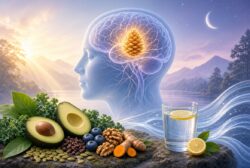
There’s no doubt that antioxidants are good for health. Antioxidants have been in the public spotlight since the 1990s and have only gained attention over the years, basically reaching celebrity status. And that status has not wavered, especially as their role in immune health becomes increasingly known. Antioxidants and antioxidant-rich foods continue to trend and make headlines, most recently in the forms of matcha/green tea drinks, acai bowls, golden milk, or just good ol’ fashioned fresh fruits and vegetables. Antioxidants are here to stay not only because they’re found in delicious foods, but they also play a vital role in health by protecting the body against oxidative stress.1

What is oxidative stress?

Everyone’s heard of oxidative stress, but what exactly does that refer to? Oxidative stress occurs from damage caused by free radicals. Free radicals are unstable molecules that have lost an electron from either normal body processes like metabolism, reactions due to exercise, or from external sources like cigarette smoke, pollutants, or radiation.1

Now electrons don’t like to be alone. They like to be in pairs.

So do free radicals suck it up and leave one of their electrons unpaired?

Nope. They steal an electron from another healthy molecule, turning that molecule into another free radical and, if excessive, wreak havoc in the body and its defense system.

Immune cells are particularly vulnerable to oxidative stress because of the type of fat (polyunsaturated) that they have in their membrane.2 So high amounts of oxidative stress over time can be especially detrimental to immune system.

What are antioxidants?

Antioxidants are the heroes that can break this cycle. And there’s not just one antioxidant. Antioxidants refer to a whole class of molecules (including certain vitamins, minerals, compounds found in plants, and some compounds formed in the body) that share the same goal of protecting the body and the immune system against oxidative stress.2 But different foods contain different antioxidants, and each antioxidant has its own unique way of supporting that goal.  

6 antioxidants for oxidative stress protection + immune health

  1. Vitamin C

Vitamin C is a powerful antioxidant that also contributes to immunity. It works by readily giving up one of its electrons to free radicals, thereby protecting important molecules like proteins, fats, and carbohydrates from damage.3 Vitamin C is a water-soluble vitamin, which means storage in the body is limited, and consistent intake of this nutrient is vital. Research shows that not getting enough vitamin C can impact immunity by weakening the body’s defense system.3 Vitamin C is found in many fruits and vegetables, including strawberries, bell peppers, citrus, kiwi, and broccoli. The benefits of vitamin C’s antioxidant capabilities are more than just internal. Benefits are also seen when a concentrated source of this antioxidant is applied to the skin. For example, topical vitamin C serums are often recommended by dermatologists and estheticians to help protect the skin from sunlight and address hyperpigmentation.4

  1. Epigallocatechin 3-gallate (EGCG)

Green tea is easily, and unofficially, considered one of the world’s healthiest foods, and the presence of EGCG is one reason for this drink’s reputation. EGCG is the most abundant, potent, and researched polyphenolic antioxidant found in green tea leaves.5 It has been shown to protect against damage caused by free radicals.5 Drinking green tea is a great way to reap the benefits of EGCG and other nutrients found in tea leaves, or it’s also available as an extract in nutritional supplements. If you choose to drink green tea, it’s important to remember that water preparation matters. Using hot water to steep green tea not only preserves, but it also encourages more antioxidant activity compared to using cold water, as hot water may be better at extracting polyphenols from the leaves.5

  1. Glutathione

Glutathione is a powerful antioxidant that the body actually makes internally from three amino acids (AKA building blocks of protein): cysteine, glutamate, and glycine.6 Not only does this antioxidant protect the body against oxidative stress, it also supports healthy liver detoxification processes.7 Glutathione levels naturally decrease with age, and lower glutathione levels in the body are associated with poorer health.8 Since it takes all three of those amino acids to form glutathione, ensuring that the body has adequate levels of all three is vital. Cysteine is the difficult one. It’s considered the “rate-limiting” step in this equation, since it’s usually the one in short supply, and glutathione can’t be formed without it.6 Cysteine contains sulfur, so foods like unprocessed meat, garlic, and asparagus are great choices to support cysteine levels. Like cysteine, the compound N-acetylcysteine (found in supplements and often labeled NAC) can also be used to support the body’s glutathione levels.6

  1. Curcumin

Curcumin is the yellow pigment and considered the active ingredient in the spice turmeric. In the culinary world, turmeric is best known for playing the leading role in curries as well as in golden milk. Studies show that curcumin has been shown to improve markers of oxidative stress, act as a free radical scavenger, and assist with other antioxidant processes in the body.9 Curcumin isn’t very bioavailable, so your body isn’t able to fully capture the benefits when consumed on its own or just as turmeric.9 But adding other spices or herbs like black pepper or fenugreek can significantly increase your body’s ability to utilize curcumin.9

  1. Vitamin E

Vitamin E is a fat-soluble vitamin, meaning it’s best absorbed with fat. It acts as an antioxidant by stopping the production of free radicals from forming when fat is oxidized, or burned.10 Vitamin E is found in nuts and seeds (almonds, sunflower seeds, and hazelnuts) as well as green leafy vegetables. Vitamin E also plays a role in heart, eye, and cognitive health.10 

  1. Quercetin

Quercetin is one of the most well-studied flavonoids, or plant compounds, typically found in onions, kale, broccoli, apples, and tea. Quercetin acts as a free radical-scavenging antioxidant, helps inhibit oxidative stress, and supports a healthy immune response.11

What’s the bottom line?

Antioxidants are a crucial part to any healthful diet. They help protect the body from damage caused by oxidative stress and support immune function. There are many more antioxidants that are beneficial to health than those listed here. The best way to ensure that you’re getting enough antioxidants from the diet and supporting the antioxidants the body makes on its own is to consume a diet high in plants like fruits, vegetables, nuts, seeds, and legumes. If you would like to insure an adequate amount of antioxidant here is a list that you can order from online nutrition store.

  1. Vitamin C
  2. EGCG
  3. Glutathione
  4. Curcumin
  5. Vitamin E
  6. Quercetin

References

  1. Pizzino G et al. Oxid Med Cell Longev. 2017;2017:8416763. 
  2. Knight JA. Ann Clin Lab Sci. 2000;30(2):145-158.
  3. Carr AC et al. Nutrients. 2017;9:1211.
  4. Al-Niaimi F et al. J Clin Aesthet Dermatol. 2017;10(7):14-17.
  5. Forester SC et al. Mol Nutr Food Res. 2011;55(6):844-854.
  6. Minich DM et al. Nutrients. 2019;11:2073.
  7. Pizzorno J. Integr Med (Encinitas). 2014;13(1):8-12.
  8. Glutathione. Webmd.com. https://www.webmd.com/vitamins-and-supplements/glutathione-uses-risks. Accessed August 19, 2020.
  9. Hewlings SJ et al. Foods. 2017;6(10):92.
  10. Vitamin E fact sheet for health professionals. Ods.od.nih.gov. https://ods.od.nih.gov/factsheets/VitaminE-HealthProfessional/. Accessed August 25, 2020.
  11. D’Andrea G. Fitoterapia. 2015;106:256-271.

Filed Under: Nutriton Tagged With: antioxidants

Chia Seeds Superfood and Health Benefits for a Human Body

March 2, 2016 by drburt

Chia Seeds Superfood and Health Benefits for a Human BodyChia Seeds Superfood and Health Benefits for a Human Body

Chia seeds are tiny black seeds from the plant Salvia Hispanica, which is related to mint. This plant grows natively in South America. Chia seeds were an important food for the Aztecs and Mayans back in the day. They prized them for their ability to provide sustainable energy … in fact, “chia” is the ancient Mayan word for “strength.”

Despite their ancient history as a dietary staple, only recently did chia seeds become recognized as a modern day superfood. In the past few years, they have exploded in popularity and are now consumed by health conscious people all over the world.

Chia Seeds were largely unknown in North America until researcher Wayne Coates began studying chia as an alternative crop for farmers in northern Argentina about 29 years ago.

Coates started his work on chia in 1991, and since then has become an advocate of the tiny seed’s health benefits. The human trials are limited —as is often the case with food research— but the anecdotal evidence of chia’s positive health effects include boosting energy, stabilizing blood sugar, aiding digestion, and lowering cholesterol.

Chia seeds are among the healthiest foods on the planet. They are loaded with nutrients that can have important benefits for your body and brain.  Chia Seeds are rich in fiber, omega-3 fats, protein, vitamins and minerals such as:

Dietary fiber (11g – 42% recommended daily value)

Protein (4.4g – 9% RDV)

Omega-3 fatty acids (4915 mg)

Omega-6 fatty acids (1620 mg)

Calcium (77 mg – 18% RDV)

Copper (0.1 mg – 3% RDV)

Phosphorus (265 mg – 27% RDV)

Potassium (44.8 mg – 1% RDV)

Zinc (1.0 mg – 7% RDV)

Chia also contains essential fatty acids alpha-linolenic and linoleic acid, mucin, strontium, Vitamins A, B, E, and D, and minerals including sulphur, iron, iodine,  magnesium, manganese, niacin, thiamine, and they are a rich source of antioxidants.

This is particularly impressive when you consider that this is just a single ounce, which supplies only 137 calories and one gram of digestible carbohydrate! Just so that we’re all on the same page, 1 ounce equals 28 grams, or about 2 tablespoons.

Interestingly … if you subtract the fiber, which may not end up as usable calories for the body, chia seeds only contain 101 calories per ounce. This makes them one of the world’s best sources of several important nutrients, calorie for calorie.

8 Super Facts of Chia Seeds from Scullivan
 Chia seeds used to be a niche ingredient you could only scout out at health food stores next to the hemp seeds and spirulina. But chances are you can now find chia at your local supermarket, in everything from granolas and cereals to yogurts and energy drinks. You can find it at restaurants, too: Chia pudding has become a mainstay at trendy cafés and luncheonettes like NYC’s Dimes and L.A.’s Café Gratitude. Want to enjoy them at home?

Lemon Cake with Chia Seeds from Tastes of Health

Buying Tips
You can find chia at any Whole Foods Market, health food stores, and well-stocked supermarkets like Kroger. Some of the more widely available chia seed brands include The Chia Co., Nutiva, and Bob’s Red Mill. All chia seeds are naturally vegan and gluten-free, but check the packaging if you want to buy seeds that are certified organic and non-GMO. Look for seeds that are either a speckled black or white, but not uniformly brown. The Chia Co. founder John Foss explains brown chia seeds are immature seeds that haven’t had a chance to mature properly, and this can result in fewer nutritional benefits and give the seeds a bitter taste.

How to Store
Chia seeds have a long shelf life, and will keep for several years when stored in a cool, dry place. Easy!

Filed Under: Diet, Health, Nutriton Tagged With: chia seeds, health, health benefits, human body, nutrition

PLEASE FOLLOW & LIKE B.C.

RSS
Follow by Email
Facebook
Facebook
fb-share-icon
Twitter
Visit Us
Follow Me
Post on X
YouTube
YouTube
LinkedIn
LinkedIn
Share

15200 Hesperian Blvd #104

San Leandro, CA. 94578

(510) 481-2225

drburt@burtchiropractic.com


SEARCH

Categories

Recent Posts

  • Loss of Cervical Lordosis: How a Straight Neck and Pain Impact Your Health—and How a San Leandro Chiropractor Can Help Restore It
  • Hidden Injuries from Car Accidents That a San Leandro Chiropractor Can Help You Detect
  • Best San Leandro Chiropractor for Sciatica Pain Relief: Natural, Drug-Free Solutions That Work