Top Chiropractor in San Leandro, CA

San Leandro Chiropractor

  • blog
  • About Our Practice
    • YELP REVIEWS
  • What is Chiropractic?
  • SERVICES
    • Personal Injury
    • Cold Laser Therapy
    • Massage
    • Ultrasound
    • Electric Stimulation
    • Sports Injury
    • Workers Compensation
    • HS Sports Physical Examination
  • FAQs
  • CONTACT US
  • New Patient Forms
  • Nutrition Store

Powered by Genesis

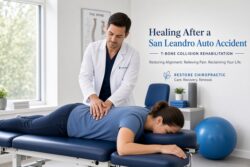
San Leandro Chiropractor for Auto Accident & T-Bone Collision Rehabilitation

September 4, 2026 by drburt

to bone collisonj san leandro chiropractor

If you’ve been involved in a T-bone (side-impact) collision in San Leandro or the East Bay, timely chiropractic care can make a major difference in recovery. Local chiropractors specializing in auto accident injuries focus on the unique lateral forces these crashes create, helping restore alignment, reduce pain, and support long-term function without relying solely on medication. It’s essential to understand how these collisions affect the body and why specialized care is crucial for optimal recovery.

Why T-Bone Collisions Require Specialized Care

T-bone collisions present a unique challenge due to the nature of the impact. Unlike frontal or rear-end collisions, the lateral forces exerted on the body can lead to a range of injuries that might not be immediately apparent. Understanding these injuries is key to seeking effective treatment. For instance, the force from a side impact can result in whiplash, which sometimes manifests as chronic neck pain or headaches weeks after the accident. This makes early chiropractic evaluation and intervention essential.

Side-impact crashes push the body sideways, often leading to thoracic spine misalignments, rib restrictions affecting breathing, and sacroiliac joint issues that can cause pelvic and hip discomfort. After a T-bone collision, individuals might experience shoulder strain and compensatory muscle patterns on the opposite side of the body, which can further complicate recovery. Additionally, neck strain and headaches may also appear, contributing to a decreased quality of life. Soft-tissue damage and spinal misalignments can remain hidden without thorough evaluation, which is why prompt chiropractic care is vital to reduce the risk of chronic pain and secondary issues down the line.

How Local Chiropractic Rehabilitation Works

Chiropractic care is not a one-size-fits-all approach. Each treatment plan is designed to target the patient’s unique injuries, ensuring a focused recovery process. Chiropractors may also collaborate with other healthcare providers, such as physical therapists or medical doctors, to create a comprehensive care plan that encompasses all aspects of recovery.

San Leandro chiropractors experienced with auto accident cases begin with a detailed history and comprehensive physical examination. This initial assessment is crucial for understanding the full scope of injuries sustained. When appropriate, imaging studies, such as X-rays or MRIs, help document findings for both healing and insurance purposes. Care is then tailored to the individual, considering their specific needs and the nature of their injuries, typically including:

San Leandro chiropractors experienced with auto accident cases begin with a detailed history and physical exam. When appropriate, imaging helps document findings for both healing and insurance purposes. Care is then tailored to the individual and typically includes:

  • Precise spinal adjustments to correct thoracic, cervical, and pelvic misalignments caused by lateral force
  • Gentle rib mobilization to improve comfort and mobility
  • Soft-tissue techniques that release muscle guarding and support tissue healing
  • Custom rehabilitative exercises focused on lateral movement, core stability, and balanced strength
  • Practical home guidance and posture advice to maintain progress between visits

Treatment frequency typically starts higher and decreases as mobility and comfort improve, creating a gradual pathway to recovery. Mild cases may resolve in a matter of weeks; however, more complex multi-region injuries often benefit from consistent care over 6–12 weeks. Many chiropractic practices accept auto insurance and personal-injury liens, providing the necessary documentation for claims, thereby ensuring patients receive the financial support needed during recovery.

Frequently Asked Questions

Patients often have questions regarding their recovery and treatment options, especially following a T-bone accident. Understanding these commonly asked questions can help alleviate concerns and clarify the process.

When should I seek care after a T-bone accident?
As soon as possible—ideally within a few days. Early assessment identifies issues before they become entrenched and creates a clear record of the injuries sustained, which is vital for effective treatment and potential insurance claims.

Is the treatment comfortable?
Techniques are adjusted to your comfort level and stage of healing. Most patients find the care gentle and supportive, with an emphasis on their preferences to ensure a positive experience throughout the rehabilitation process.

What if symptoms appear later?
Delayed onset of symptoms is common after a T-bone collision. It is crucial to understand that even if you feel fine initially, a professional evaluation can still uncover soft-tissue and spinal concerns linked to the collision that may require attention.

Can chiropractic care help with both neck and lower-back pain from the same accident?
Yes. A complete exam evaluates both primary and secondary effects of the collision, ensuring that the treatment plan addresses the full picture of injuries and promotes comprehensive recovery.

Take the First Step Toward Recovery

If you or a loved one has been in a T-bone or other auto accident in San Leandro or nearby East Bay communities and are experiencing pain, stiffness, or reduced movement, consider scheduling an evaluation with a local chiropractor who specializes in trauma and collision rehabilitation. Personalized, hands-on care can help you move more comfortably and reclaim daily activities sooner. Prioritize your recovery. The right local support makes a meaningful difference after a side-impact collision, allowing you to regain your quality of life with confidence.

In addition, consider sharing your experiences with friends and family who may face similar situations. Educating others about the benefits of chiropractic care after an auto accident can help create a supportive community, ensuring that more people receive the care they need for a successful recovery.

If you or a loved one has been in a T-bone or other auto accident in San Leandro or nearby East Bay communities and are experiencing pain, stiffness, or reduced movement, consider scheduling an evaluation with a local chiropractor who specializes in trauma and collision rehabilitation. Personalized, hands-on care can help you move more comfortably and reclaim daily activities sooner.Prioritize your recovery. The right local support makes a meaningful difference after a side-impact collision.

Filed Under: Soft Tissue Injury, Auto Accidents, Low Back Pain, Neck Pain, Personal Injury Tagged With: auto accident, chiropractic, Chiropractic Care, motor vehicle accident, san leandro chiropractor, t bone collision

How to Sleep with Lower Back or Neck Pain: Practical Advice from a San Leandro Chiropractic Office

August 31, 2026 by drburt

sleeping with lower back pain
Waking up stiff, sore, or in more pain than when you went to bed is a common complaint. Lower back and neck pain often disrupt sleep. Poor sleep positions or unsupportive bedding can worsen the problem overnight. Simple changes to your sleep can reduce strain on your spine, help maintain neutral alignment, and improve recovery while you rest. Here is practical guidance drawn from chiropractic recommendations for managing lower back and neck pain at night.

Best Sleeping Positions

The goal is a neutral spine—head, neck, and back aligned with natural curves supported, without twisting, excessive arching, or collapsing.

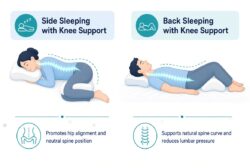
1. Side sleeping (often best for lower back pain)
Lie on your side with knees slightly bent. A gentle fetal position works well for many. Place a firm pillow or folded towel between your knees and ankles. This keeps your hips stacked, prevents the top leg from pulling your pelvis forward, and reduces rotational stress on the lower back.
For the neck: Use a pillow that fills the gap between your ear and the mattress. This keeps your head level with your spine—not tilted up or down. Avoid tucking your chin. A body pillow hugged in front can help maintain the position through the night.

2. Back sleeping (excellent for both lower back and neck)
Lie on your back with a pillow or rolled towel under your knees. This slight bend takes pressure off the lumbar spine and supports its natural curve.
For the neck: Use a thinner or contoured cervical pillow that supports the natural curve without pushing your head forward. Avoid stomach sleeping whenever possible. It forces your neck into prolonged rotation and flattens or arches the lower back, increasing strain on both areas. Transition gradually by using a body pillow to discourage rolling onto your stomach.

Pillow and Mattress Tips

  • Pillow height and firmness matter more than brand. Side sleepers generally need higher loft to bridge the shoulder-to-ear gap. Back sleepers need lower loft to keep the neck neutral. Contoured or cervical-support pillows often help neck pain.
  • Mattress: Medium-firm is frequently recommended for spinal support. Too soft allows hips and shoulders to sink and create misalignment; too firm can create pressure points. If your mattress is old and sagging, it may be contributing to morning pain.
  • Extra support options: A small rolled towel under the lower back (for some back sleepers) or along the waist (if there’s a gap while side sleeping) can help. Test what feels supportive without increasing discomfort.

Additional Habits for Better Nighttime Relief

  • Prepare before bed: Gentle stretches (hip flexors, hamstrings, or light knee-to-chest), a warm shower or heat pack to relax muscles, or brief relaxation breathing can ease tension. Avoid intense exercise right before sleep.
  • Consistent routine: Go to bed and wake at regular times. Keep the room cool and dark.
  • Daytime posture carries over: Poor sitting or standing posture during the day can load the same structures that bother you at night. Simple awareness and breaks help.
  • After a chiropractic adjustment, prioritize neutral positions (especially back or properly supported side sleeping) to allow the spine to settle.
    • Prepare before bed: Gentle stretches (hip flexors, hamstrings, or light knee-to-chest), a warm shower or heat pack to relax muscles, or brief relaxation breathing can ease tension. Avoid intense exercise right before sleep.
    • Consistent routine: Go to bed and wake at regular times. Keep the room cool and dark.
    • Daytime posture carries over: Poor sitting or standing posture during the day loads the same structures that bother you at night. Simple awareness and breaks help.
    • After a chiropractic adjustment, prioritize neutral positions (especially back or properly supported side sleeping) to allow the spine to settle.

    When to Seek Professional Help

    These tips help many people reduce nighttime discomfort, but they are not a substitute for personalized care. Persistent or worsening pain that radiates into the arms or legs, numbness, weakness, or sleep disruption that affects daily life should be evaluated. A thorough exam can identify contributing factors such as joint restrictions, muscle imbalances, disc issues, or posture habits. At a chiropractic office, we assess spinal alignment, advise on sleep setups tailored to your body and preferred position, and provide adjustments that support better rest. Local patients often notice improved sleep quality once underlying mechanical issues are addressed. Small nightly changes—position, pillow placement, and supportive bedding—can make a noticeable difference in how you feel when you wake up. Start with one adjustment, such as adding a knee pillow if you side-sleep, and build from there. Better spinal alignment at night supports healing and helps you start the day with less pain. If lower back or neck pain is interfering with your sleep, consider consulting a chiropractor for individualized recommendations. Rest well—your spine will thank you.

    Filed Under: Chiropractic, Low Back Pain, Neck Pain Tagged With: chiropractic, Chiropractic Care, lowbackpain, neckpain, san leandro chiropractor

    San Leandro Chiropractor, Pinched nerve or radiating arm/leg pain

    August 27, 2026 by drburt

    pinched nerve pain

    Pinched nerves and radiating pain in the arms or legs can make everyday activities such as sitting at a desk, walking, driving, or even sleeping extremely difficult. Sharp, shooting pain, numbness, tingling, or weakness that travels from the neck into the arm or from the lower back into the leg is a common reason people seek help from a San Leandro chiropractor. Chiropractic care offers a drug free, non surgical approach focused on restoring proper spinal alignment, reducing nerve compression, and supporting the body’s natural ability to heal.

    What Is a Pinched Nerve? A pinched nerve (also called nerve compression or radiculopathy) happens when bones, discs, muscles, or other tissues place excessive pressure on a nerve root. This pressure interferes with normal nerve signaling and often causes symptoms that radiate away from the spine. Common causes of pinched nerves include:

    Understanding Pinched Nerve Conditions

    • Herniated or bulging discs
    • Bone spurs (osteophytes)
    • Spinal stenosis
    • Poor posture and prolonged sitting
    • Degenerative disc disease or arthritis
    • Repetitive strain or workplace injuries
    • Auto accidents and sports injuries

    When the problem originates in the cervical spine (neck), patients typically experience radiating arm pain, shoulder pain, hand numbness, or reduced grip strength. When it starts in the lumbar spine (lower back), symptoms often travel into the buttock, thigh, calf, or foot commonly known as sciatica. Symptoms of Radiating Arm or Leg Pain. Recognizing these signs early can help you get faster relief:

    • Sharp, burning, or electric-shock pain that shoots down the arm or leg
    • Numbness, tingling, or “pins and needles” sensations
    • Muscle weakness or difficulty gripping objects
    • Pain that intensifies with coughing, sneezing, sitting, or certain neck/back movements
    • Reduced range of motion in the neck or lower back
    • Symptoms that worsen at night or after long periods of inactivity

    If you live in San Leandro or the surrounding East Bay area and are experiencing these symptoms, an evaluation by a qualified chiropractor is a smart next step. How a San Leandro Chiropractor Treats Pinched Nerves. Chiropractors are trained to locate the source of nerve interference and use precise, hands-on techniques to reduce pressure on the affected nerve. Typical treatment approaches include:

    • Spinal adjustments – Gentle, controlled corrections restore proper joint motion and can relieve pressure on spinal nerves and discs.
    • Soft tissue therapy – Targeted work on tight muscles and connective tissue improves circulation and reduces secondary muscle guarding.
    • Therapeutic exercises and stretches – Customized movements strengthen supporting muscles and improve flexibility.
    • Posture and ergonomic coaching – Practical advice for desk work, driving, and daily activities helps prevent re-irritation.
    • Lifestyle recommendations – Guidance on sleep position, activity modification, and stress management supports long-term results.

    Most treatment plans are highly individualized. Care is based on a thorough history, orthopedic and neurological testing, and, when needed, imaging studies.Many patients report decreased pain intensity, improved mobility, better sleep, and reduced need for pain medication after consistent chiropractic care.When Should You See a Chiropractor in San Leandro?Schedule an appointment if:

    • Radiating arm or leg pain has lasted more than a few days
    • Symptoms are interfering with work, exercise, or sleep
    • You notice progressive weakness or sensory changes
    • Home remedies (rest, ice, heat, gentle movement) are not providing lasting relief

    Chiropractic care is considered safe and effective for many cases of pinched nerves and radiculopathy. However, sudden loss of bowel or bladder control, severe progressive weakness, or symptoms following significant trauma require immediate medical attention. What to Expect at Your First Visit. Your initial appointment typically includes:

    1. Detailed discussion of your symptoms and health history
    2. Comprehensive physical and neurological examination
    3. Review of any existing imaging (X-rays or MRI)
    4. Clear explanation of findings and a recommended care plan

    Most patients begin feeling noticeable improvement within a series of visits, although results depend on the severity, duration, and underlying cause of the nerve compression.Take Action TodayLiving with a pinched nerve or constant radiating arm/leg pain does not have to be your normal. A skilled San Leandro chiropractor can help identify the root cause and create a targeted plan to reduce nerve pressure, restore function, and get you back to the activities you enjoy.If you’re searching for natural relief from pinched nerve pain, sciatica, or radiating arm pain in San Leandro, contact a local chiropractic office to schedule a consultation. Early care often leads to faster recovery and better long-term outcomes.

    Filed Under: Low Back Pain, Neck Pain, Posture Tagged With: alternative medicine, chiropractic, manipulative therapy, pain, san leandro chiropractor, spinal adjustment

    Herniated vs. Bulging Disc: Understanding Your Diagnosis and Treatment Options in San Leandro

    August 25, 2026 by drburt

    herniated vs duldging disc

    If you’re dealing with back or neck pain in San Leandro or the East Bay, you’ve probably heard terms like “bulging disc” and “herniated disc.” These conditions are common, and understanding the difference can help you make better decisions about care—and avoid unnecessary worry or invasive treatments. At San Leandro Chiropractic, we regularly help local patients navigate these diagnoses with conservative, effective care focused on reducing pain, improving function, and supporting natural recovery.

    What’s the Difference Between a Bulging Disc and a Herniated Disc?

    Spinal discs act as cushions between your vertebrae. Each has a tough outer layer (annulus fibrosus) and a soft, gel-like center (nucleus pulposus).

    • Bulging disc: The outer layer remains intact, but the disc pushes outward, often evenly around a portion of its circumference (sometimes 25–50% of the disc). Think of a hamburger that’s been slightly squished—the filling stays contained, but the overall shape expands. Bulging discs are frequently age-related and can appear on imaging even in people with no pain.
    • Herniated disc (also called a slipped, ruptured, or prolapsed disc): The outer layer tears or cracks, allowing some of the inner gel material to push through. This is more localized and more likely to irritate or compress nearby nerves.

    Both fall on a spectrum of disc degeneration and can occur in the lower back (lumbar) or neck (cervical). A “slipped disc” is informal language that usually refers to a herniation.Quick Comparison

    FeatureBulging DiscHerniated Disc
    Outer layerIntactTorn or cracked
    Disc materialContained, broad outward pushInner gel may leak out
    Nerve compressionLess commonMore likely
    Typical symptomsMild to moderate localized ache/stiffnessOften sharper, radiating pain, numbness, or weakness
    Common triggerGradual wear and tearInjury, lifting, or advanced degeneration

    Symptoms: What You Might Feel

    Bulging disc symptoms (when present) often include:

    • Dull, aching pain or stiffness in the back or neck
    • Discomfort that worsens with prolonged sitting or standing
    • Mild symptoms that may improve with movement

    Herniated disc symptoms tend to be more intense and nerve-related:

    • Sharp, shooting, or burning pain that radiates into the arms (cervical) or legs (lumbar—often called sciatica)
    • Numbness, tingling, or “pins and needles”
    • Muscle weakness in the affected limb
    • Pain that increases with coughing, sneezing, or certain movements

    Many people have disc changes on MRI with little or no symptoms. The key is correlating imaging findings with your actual pain and function.Red-flag symptoms that need prompt medical attention: progressive weakness, loss of bladder or bowel control, saddle anesthesia, or severe unrelenting pain. These are uncommon but serious.

    What Causes These Disc Problems?

    Common factors include:

    • Age-related disc dehydration and degeneration
    • Repetitive strain, poor posture, or prolonged sitting (common for desk workers and Bay Area commuters)
    • Improper lifting or sudden twisting movements
    • Trauma or injury
    • Excess body weight or weak core musculature

    Lifestyle factors in San Leandro and surrounding areas—long hours at a computer, driving, or physical jobs—can contribute to spinal stress over time.

    How Are Bulging and Herniated Discs Diagnosed?

    Diagnosis starts with a thorough history and physical exam. Your provider will assess range of motion, strength, reflexes, and nerve function. Imaging (typically MRI) confirms the disc status and rules out other issues when symptoms warrant it. X-rays may show alignment or degenerative changes but do not visualize soft discs well. At San Leandro Chiropractic, we take time to evaluate how your symptoms relate to your daily activities and goals before recommending next steps.

    Treatment Options: Most People Improve Without Surgery

    The good news: The majority of bulging and herniated discs improve with conservative care. Surgery is usually reserved for cases with severe or progressive neurological deficits that don’t respond to non-surgical approaches.Conservative care often includes:

    • Activity modification and short-term relative rest (avoid complete bed rest)
    • Gentle movement, specific exercises, and physical therapy to improve mobility and strength
    • Anti-inflammatory strategies, heat/ice, and posture/ergonomic corrections
    • Chiropractic care, including spinal manipulation or mobilization when appropriate

    Research supports spinal manipulative therapy as a reasonable option for many patients with disc-related low back pain and radiculopathy. Studies have shown meaningful improvements in pain and function for both acute and chronic cases, and some data associate chiropractic care with lower odds of progressing to discectomy in certain patient groups. Care is typically multimodal—combining adjustments with soft-tissue work, exercise guidance, and lifestyle advice.

    How San Leandro Chiropractic Can Help


    We provide personalized chiropractic care for patients in San Leandro and the East Bay dealing with disc-related pain. Our approach focuses on restoring joint motion, reducing nerve irritation, improving spinal function, and empowering you with practical strategies for recovery and prevention. Many patients experience reduced pain and better mobility through conservative management tailored to their specific diagnosis and lifestyle. Treatment plans are individualized. Not every disc issue is treated the same way, and we coordinate or refer when other interventions (such as injections or specialist evaluation) may be beneficial.

    What to Expect and Recovery Timeline

    Recovery varies. Milder bulging discs or smaller herniations may improve in weeks with consistent care. More symptomatic herniations can take longer—often several weeks to a few months of progressive improvement. Consistency with recommended exercises and posture habits matters.Prevention tips for San Leandro residents:

    • Maintain good workstation ergonomics
    • Strengthen your core and practice proper lifting
    • Stay active with walking and mobility work
    • Address minor back or neck discomfort early

    Frequently Asked Questions

    Can a bulging disc become a herniated disc?
    Yes, ongoing stress or progression of degeneration can lead from bulge to herniation in some cases. Do I always need an MRI?
    Not always. Clinical findings often guide care, and imaging is used when it will change management. Is chiropractic safe for disc herniations?
    When performed by a trained professional after proper evaluation, spinal manipulation is generally considered safe for appropriately selected patients. We screen carefully and adapt techniques as needed. Will I need surgery?
    Most people do not. Conservative care is the first-line approach for the vast majority of cases.

    Take the Next Step Toward Relief

    Living with disc-related pain doesn’t have to mean putting life in San Leandro on hold. Understanding whether you have a bulging or herniated disc is the first step getting the right care is the second. If you’re experiencing back pain, neck pain, sciatica, or related symptoms, contact San Leandro Chiropractic today to schedule an evaluation. We’re located at 15200 Hesperian Blvd., Ste. 104, San Leandro, CA 94578. Call (510) 481-2225 to book your appointment and start your path toward feeling better. Early, informed care often leads to better outcomes. We’re here to help local patients move with less pain and more confidence.

    Filed Under: Chiropractic, Low Back Pain, Neck Pain Tagged With: alternative medicine, back pain, buldging disc, chiropractic, herniated disc, manipulative therapy, pain, san leandro chiropractor, spinal adjustment

    • 1
    • 2
    • 3
    • …
    • 7
    • Next Page »

    PLEASE FOLLOW & LIKE B.C.

    RSS
    Follow by Email
    Facebook
    Facebook
    fb-share-icon
    Twitter
    Visit Us
    Follow Me
    Post on X
    YouTube
    YouTube
    LinkedIn
    LinkedIn
    Share

    15200 Hesperian Blvd #104

    San Leandro, CA. 94578

    (510) 481-2225

    drburt@burtchiropractic.com


    SEARCH

    Categories

    Recent Posts

    • San Leandro Chiropractor for Auto Accident & T-Bone Collision Rehabilitation
    • The Hidden Danger of Whiplash: Why Minor San Leandro Intersections Lead to Major Pain
    • How to Sleep with Lower Back or Neck Pain: Practical Advice from a San Leandro Chiropractic Office