Top Chiropractor in San Leandro, CA

San Leandro Chiropractor

  • blog
  • About Our Practice
    • YELP REVIEWS
  • What is Chiropractic?
  • SERVICES
    • Personal Injury
    • Cold Laser Therapy
    • Massage
    • Ultrasound
    • Electric Stimulation
    • Sports Injury
    • Workers Compensation
    • HS Sports Physical Examination
  • FAQs
  • CONTACT US
  • New Patient Forms
  • Nutrition Store

Powered by Genesis

Fluoride in San Leandro Drinking Water, the Pineal Gland, and Questions About Human Free Will: A Local Holistic Perspective

October 14, 2026 by drburt

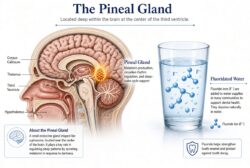
FLOURIDE AND PINEAL GLAND
Residents of San Leandro often seek a San Leandro chiropractor for back pain, neck issues, headaches, or overall wellness support. Increasingly, conversations in holistic care settings also turn to environmental factors that may influence long term neurological and endocrine health. One recurring topic is fluoride added to local drinking water, its documented accumulation in the pineal gland, and broader questions some people raise about consciousness and free will. This post examines the facts available from public water data and scientific literature, separates established findings from speculation, and discusses how chiropractic care fits into a broader approach to nervous system health.

Fluoride Levels in San Leandro Drinking Water

San Leandro receives water primarily from the East Bay Municipal Utility District (EBMUD). EBMUD fluoridates its supply in accordance with California requirements for larger systems. Recent monitoring data show fluoride concentrations typically around 0.7–0.8 mg/L (parts per million), aligning with the U.S. Public Health Service and CDC recommended optimal level of 0.7 mg/L for cavity prevention. California’s regulatory framework sets an optimal range and maintains a primary maximum contaminant level stricter than the federal standard.

Community water fluoridation has a long track record of reducing tooth decay. Public health authorities, including the CDC and California Department of Public Health, continue to support it at controlled levels. At the same time, some individuals prefer to minimize additional fluoride exposure from water, toothpaste, and other sources for personal reasons. Local water quality reports confirm that San Leandro’s supply meets or exceeds regulatory standards for safety.

The Pineal Gland: Function and Calcification

The pineal gland is a small endocrine structure near the center of the brain, outside the blood-brain barrier, with a rich blood supply. Its primary known role is producing melatonin, the hormone that helps regulate circadian rhythms and sleep-wake cycles. Melatonin production rises in darkness and is suppressed by light.

Pineal calcification (the accumulation of calcium phosphate deposits, often hydroxyapatite) is common and increases with age. Imaging studies frequently detect it in a substantial percentage of adults; it is often an incidental finding rather than a diagnosed disease. Calcification has been observed for more than a century, predating widespread community water fluoridation.

What Research Shows About Fluoride and the Pineal Gland

A key study frequently referenced is Jennifer Luke’s 2001 work published in Caries Research. Examining pineal glands from aged human cadavers, Luke found fluoride concentrations in the pineal substantially higher than in muscle tissue and, on a relative basis in the calcified portions, comparable to or exceeding levels in bone. There was a positive correlation between pineal fluoride and pineal calcium content. Subsequent analyses have confirmed that the pineal can accumulate fluoride at relatively high levels among soft tissues, consistent with its location, vascularity, and the affinity of fluoride for hydroxyapatite.

Animal research (including Luke’s earlier gerbil work) has reported reduced melatonin metabolite excretion and altered pubertal timing under higher fluoride exposure. A Canadian population based study has explored associations between fluoride exposure and sleep duration, hypothesizing a possible pineal pathway, though results remain associative.

Important caveats apply. Accumulation is not the same as proven functional harm at typical drinking-water concentrations. Large-scale human trials directly measuring fluoride’s effect on living human pineal melatonin production or calcification progression at 0.7 mg/L levels are lacking. Pineal calcification is multifactorial (age, calcium metabolism, genetics, and other factors play roles). Mainstream reviews, including the National Research Council’s examination of fluoride, have not identified pineal mediated clinical problems as a primary concern at regulated exposure levels. Claims that ordinary fluoridated water “turns the pineal to stone” or completely blocks its function overstate the evidence.

Pineal Gland, Consciousness, and Free Will: Science Versus Speculation

Historically and culturally, the pineal gland has carried symbolic weight. René Descartes famously described it as the “seat of the soul.” In various spiritual traditions it is associated with the “third eye,” intuition, or higher awareness. Some modern alternative narratives link pineal calcification to reduced spiritual perception, diminished intuition, or even impaired free will suggesting that environmental factors could make people more passive or compliant.

From a scientific standpoint, free will is a complex philosophical and neuroscientific question involving prefrontal cortex decision-making, agency, consciousness, and volition. No rigorous evidence establishes that pineal calcification (fluoride related or otherwise) directly diminishes human free will or autonomous decision-making. Melatonin influences sleep and circadian biology; disrupted sleep can affect mood, cognition, and executive function, but this is far removed from claims of mind control or loss of agency. Sleep quality, stress, nutrition, physical activity, and overall nervous system function have clearer, better documented impacts on daily cognitive performance and sense of agency.

It is reasonable for individuals to value melatonin optimization for better sleep and recovery. It is not supported to treat fluoride accumulation as a proven mechanism that overrides personal free will.

A Holistic Approach Through Chiropractic Care in San Leandro

A San Leandro chiropractor typically focuses on the musculoskeletal system and its relationship to the nervous system. Spinal alignment, joint mobility, soft-tissue function, and posture influence how the body processes sensory information, manages stress, and recovers. Many patients report improvements in sleep, energy, and overall well being after addressing mechanical stressors. In a comprehensive wellness context, chiropractic care can complement lifestyle measures that support pineal and endocrine health indirectly:

  • Prioritizing consistent sleep hygiene and darkness at night to support natural melatonin rhythms.
  • Managing physical tension that contributes to poor sleep or chronic stress.
  • Encouraging movement, hydration, and nutrition that support general detoxification pathways and mineral balance.
  • Educating patients about cumulative exposures so they can make informed personal choices (for example, using filters if preferred, or discussing fluoride with a dentist).

Chiropractic does not “decalcify” the pineal gland or reverse environmental exposures. It supports the nervous system’s capacity to adapt and function optimally. Patients concerned about water quality, sleep, or cognitive sharpness often benefit from a multimodal plan that includes professional evaluation rather than single issue focus.

Practical Considerations for San Leandro Residents

Those who wish to reduce fluoride intake can review EBMUD water quality reports, consider point-of-use filtration options certified for fluoride reduction if desired, and balance dental health needs with a dentist. Maintaining good oral hygiene, a nutrient-dense diet, regular physical activity, and quality sleep remains foundational regardless of water source.

Questions about free will, consciousness, and environmental influences are legitimate areas of personal and philosophical inquiry. Grounding those questions in the actual strength of the evidence fluoride does accumulate in the pineal; functional consequences at municipal levels are not clearly established; free-will effects are speculative allows clearer decision-making.

If you live in San Leandro or the surrounding East Bay and experience musculoskeletal discomfort, sleep challenges, or simply want support for nervous system resilience, consulting a local chiropractor can be one practical step. A thorough history, examination, and individualized plan help address the factors within your control while you navigate broader environmental and lifestyle considerations.

In summary, San Leandro’s water is fluoridated at the recommended public-health level. The pineal gland can accumulate fluoride and commonly calcifies with age. Links to major disruption of free will lack scientific substantiation. Focusing on verifiable supports for sleep, spinal health, stress management, and informed personal choices offers a more evidence aligned path to feeling clearer, more rested, and more capable in daily life.

Filed Under: Chiropractic, Advice Tagged With: chiropractic, Chiropractic Care, FLOURIDE, pineal gland, san leandro chiropractor

San Leandro Chiropractor Helps Patient with Multi-Level Cervical Disc Protrusions and Dreadlocks Heavy Hair Strain Find Relief

September 29, 2026 by drburt

dreadlux heavy hair

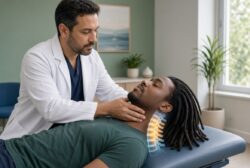
San Leandro Chiropractor. Living with multi level disc protrusions in the cervical spine can make everyday life feel heavier than it should especially when combined with the extra mechanical load of Dreadlocks heavy hair. Neck pain, stiffness, a constant heavy or dragging sensation, limited mobility, and occasional radiating symptoms into the shoulders or arms often disrupt work, sleep, and daily activities. For one patient in the San Leandro area, the combination of multi-level cervical disc protrusions and the sustained weight and tension from Dreadlocks heavy hair had gradually intensified until targeted chiropractic care delivered meaningful improvement.

Understanding Multi Level Cervical Disc Protrusions and the Role of Heavy Hair

The cervical spine consists of seven vertebrae that support the head and allow a wide range of motion. Between these vertebrae are intervertebral discs that cushion movement and absorb shock. A disc protrusion occurs when the soft inner portion of the disc extends beyond its normal boundary. When this happens at multiple levels, the combined effect can irritate nerves, restrict joint motion, and create persistent muscle tension. In addition to common factors such as prolonged screen time, past injuries, poor posture, and age-related changes, the sustained weight of heavy hair particularly styles associated with Dreadlocks heavy hair can place continuous downward and forward stress on the cervical spine. This extra load may increase compressive forces on the discs, encourage forward-head posture, and contribute to the heavy, dragging sensation many patients describe. Over time, the combination can worsen existing disc protrusions or make symptoms more noticeable. Typical symptoms include persistent neck discomfort, a heavy or weighted feeling in the head and neck, reduced ability to turn or tilt the head comfortably, tension headaches, and occasional tingling or fatigue in the upper back and shoulders. Residents of San Leandro and nearby East Bay communities who wear heavier hairstyles often notice these issues more acutely after long days of sitting, driving, or working.

A Patient’s Experience with San Leandro Chiropractic Care

The patient presented with multi-level cervical disc protrusions identified through clinical examination and imaging correlation. He reported a heavy dragging sensation in the neck that felt especially pronounced in connection with his Dreadlcoks heavy hair, along with stiffness, intermittent headaches, and upper-shoulder tightness. Previous attempts at relief through rest, over-the-counter remedies, and occasional massage had produced only short-term improvement. At a San Leandro chiropractic clinic, the evaluation included a thorough health history, postural assessment, neurological screening, range-of-motion testing, and analysis of how the weight and distribution of the heavy hair interacted with cervical mechanics. The chiropractor identified restricted joint motion at multiple levels, muscular imbalances that were amplifying the heavy sensation, and postural patterns influenced by the sustained load of the Dreadlocks heavy hair. An individualized care plan was created. Gentle, precise chiropractic adjustments focused on improving mobility in the restricted cervical segments and reducing mechanical stress on the protruding discs. Soft-tissue techniques addressed tight muscles that were reinforcing the dragging, weighted feeling. Specific rehabilitative exercises strengthened the deep neck stabilizers and postural muscles to better support the head under the additional load of heavy hair. The patient also received practical recommendations on head positioning, sleep support, and temporary strategies to manage the mechanical stress associated with Dreadlocks heavy hair during the recovery period. Progress was tracked over successive visits. The patient gradually reported a lighter sensation in the neck, improved ease of movement, fewer headaches, and greater comfort during daily activities. The heavy dragging feeling linked to both the disc protrusions and the hair load became noticeably less intense. Functional improvements allowed a return to preferred routines with greater ease. While individual results vary, this case demonstrates how addressing both the spinal findings and the contributing mechanical factors—such as Dreadlocks heavy hair—can support better outcomes.

Advantages of Local San Leandro Chiropractic Care

Choosing a chiropractor in San Leandro provides convenient access for residents of San Leandro, San Lorenzo, Hayward, Castro Valley, and surrounding areas. Follow-up visits are easier to maintain, and the practitioner is familiar with regional lifestyle factors that influence neck health. Collaborative communication with other healthcare providers is often available when needed. Patients frequently value the combination of hands-on care, exercise guidance, and practical advice tailored to real-life situations, including the management of heavier hairstyles. Consistency in care, home exercises, and ergonomic awareness typically contributes to better long-term comfort.

What Patients Can Expect

An initial visit generally involves a detailed discussion of symptoms (including any contribution from Dreadlocks heavy hair), a physical examination, and clear explanation of findings. Care plans are adjusted according to response and personal goals. Many people notice progressive improvement in the heavy sensation, mobility, and overall comfort when they follow the recommended schedule and self-care strategies. Chiropractic care is generally safe when delivered by a licensed professional after proper evaluation, though it is not suitable for every situation. A thorough assessment helps determine the most appropriate path forward.

Building Lasting Neck Health in San Leandro

Beyond immediate symptom relief, effective care emphasizes prevention. Strengthening postural muscles, taking regular movement breaks, using supportive sleep positions, and being mindful of the mechanical effects of heavy hair all help reduce the chance of recurring issues. Local patients who adopt these habits often report improved daily comfort and greater confidence in their neck health. The combination of multi-level cervical disc protrusions and the added load of Dreadlocks heavy hair can feel overwhelming, yet many people in San Leandro have found that individualized chiropractic care helps them regain a lighter, more functional neck. Early attention to both the spinal findings and contributing factors such as heavy hair often supports better results. If you are experiencing neck pain, a heavy dragging sensation, multi-level disc concerns, or strain related to Dreadlocks heavy hair, consider scheduling an evaluation with an experienced San Leandro chiropractor. A personalized assessment can clarify your options and help you move toward greater comfort and ease in daily life.

Filed Under: Chiropractic Tagged With: chiropractic, neck pain, pain, san leandro chiropractor

San Leandro Chiropractor Helps Motorcycle Accident Injury Victims Recover Faster and Get Back on the Road

September 22, 2026 by drburt

motorcycle accident injury rehabilitation

If you’ve been involved in a motorcycle accident in San Leandro or the surrounding East Bay area, you already know how quickly life can change. Even low-speed crashes can leave riders with neck pain, back injuries, headaches, joint problems, and soft-tissue damage that doesn’t always show up clearly on X-rays. Many victims turn first to emergency care, then find themselves still dealing with lingering pain weeks or months later. That’s where a local San Leandro chiropractor who understands motorcycle accident injuries can make a real difference.

Why Motorcycle Accident Injuries Often Need Specialized Chiropractic Care

Motorcycle riders are more exposed than drivers of enclosed vehicles. Common injuries after a crash include:

  • Whiplash and cervical spine strain
  • Lower back pain and lumbar disc issues
  • Shoulder, hip, and knee joint trauma
  • Soft-tissue injuries (sprains, strains, and muscle guarding)
  • Headaches and reduced range of motion
  • Post-traumatic stiffness that limits daily activity and riding

Standard pain medications and rest help some people, but they often don’t correct the underlying misalignments or restricted movement that develop after impact. Chiropractic care focuses on restoring proper spinal and joint function, reducing inflammation, and supporting the body’s natural healing process without relying solely on drugs.

How a San Leandro Chiropractor Approaches Motorcycle Accident Recovery

A chiropractor experienced with motorcycle accident cases typically starts with a thorough evaluation. This may include a detailed history of the crash, orthopedic and neurological testing, posture analysis, and review of any imaging you already have. The goal is to identify both the obvious injuries and the compensatory patterns that develop when the body tries to protect itself.Treatment plans are individualized and may include:

  • Gentle spinal and extremity adjustments to restore alignment and mobility
  • Soft-tissue techniques to release tight muscles and scar tissue
  • Therapeutic exercises to rebuild strength and stability
  • Guidance on posture, ergonomics, and gradual return to activity
  • Coordination with other providers (primary care, physical therapy, or legal teams) when needed

Many patients notice reduced pain, better sleep, and improved range of motion within the first several visits. Early care often leads to better long-term outcomes and can help prevent chronic issues.

Local Advantage: Choosing a San Leandro Chiropractor After a Motorcycle Accident

When you’re recovering from a motorcycle crash, convenience and local knowledge matter. A San Leandro-based chiropractor understands the roads, traffic patterns, and common accident scenarios in the East Bay. Being close to home also makes it easier to keep consistent appointments something that supports steady progress.

Filed Under: Chiropractic, Personal Injury Tagged With: chiropractic, Chiropractic Care, m, san leandro chiropractor

Slip and Fall Injury and Rehabilitation at San Leandro Chiropractic Clinic

September 17, 2026 by drburt

slip and fall injury san leandro

Slip and fall injury accidents happen quickly—on wet floors, uneven sidewalks, grocery store aisles, or workplace surfaces—and can leave lasting effects on the spine, joints, muscles, and nerves. In San Leandro and the surrounding East Bay, many people turn to local chiropractic care for effective, non-invasive rehabilitation after these injuries. Chiropractic treatment focuses on restoring spinal alignment, reducing pain and inflammation, improving mobility, and supporting the body’s natural healing process so you can return to daily activities sooner.

Understanding Slip and Fall Injuries

A slip and fall can force the body into unnatural positions, causing:

  • Spinal misalignments (subluxations)
  • Soft tissue damage (strains, sprains, muscle tears)
  • Neck and back pain, sometimes radiating into the arms or legs
  • Whiplash-like symptoms even without a vehicle involved
  • Joint dysfunction in the shoulders, hips, or knees
  • Headaches, dizziness, reduced range of motion, or nerve irritation

Symptoms may not appear immediately due to adrenaline. Pain, stiffness, or limited movement can develop hours or days later. Ignoring these signs risks chronic issues. Early evaluation by a qualified San Leandro chiropractor helps identify problems that imaging alone might miss and supports proper documentation if insurance or personal injury claims are involved.

How Chiropractic Care Helps with Slip and Fall Rehabilitation

Chiropractic care addresses the root mechanical issues rather than only masking symptoms with medication. Local practitioners commonly use a combination of techniques tailored to trauma and personal injury cases:

  • Spinal adjustments and joint mobilization — Gentle, precise corrections restore proper alignment, relieve pressure on nerves, and improve joint function.
  • Soft tissue therapies — Myofascial release, instrument-assisted techniques, massage, or muscle stimulation reduce tension, scar tissue formation, and inflammation.
  • Therapeutic modalities — Heat, ice, electrical stimulation, or traction may be used to calm irritation and support healing.
  • Rehabilitative exercises and mobility work — Progressive stretches and strengthening exercises rebuild stability, improve posture, and lower the risk of re-injury.
  • Posture and lifestyle guidance — Advice on ergonomics, movement patterns, and home care accelerates recovery.

Many San Leandro chiropractic offices experienced with auto accidents, work injuries, and trauma also handle slip-and-fall cases. They often coordinate with other providers when needed and understand insurance and documentation requirements.

The Rehabilitation Process: What to Expect

  1. Thorough assessment — History review, physical exam, range-of-motion testing, orthopedic and neurological checks, and posture/gait analysis. Imaging (X-rays or referrals for MRI) is ordered if indicated.
  2. Personalized care plan — Goals focus on pain relief, restored mobility, and functional recovery. Frequency of visits typically starts higher and decreases as you improve.
  3. Active treatment phase — Adjustments, soft tissue work, and guided exercises progress as inflammation decreases and strength returns.
  4. Maintenance and prevention — Once acute issues resolve, occasional care and home exercises help maintain results and reduce future fall risk through better balance and spinal health.

Recovery timelines vary. Mild soft-tissue injuries often improve substantially in a few weeks with consistent care; more complex cases involving discs, nerves, or pre-existing conditions may take longer. Early intervention generally leads to better outcomes.

Benefits of Choosing Chiropractic Rehabilitation in San Leandro

  • Drug-free pain management that targets underlying causes
  • Improved joint mobility and reduced stiffness
  • Support for the nervous system, which aids overall healing
  • Lower risk of chronic pain when care begins promptly
  • Convenient local access for residents of San Leandro, San Lorenzo, Hayward, and nearby East Bay communities
  • Holistic approach that may include guidance on activity modification and strengthening to prevent recurrence

Chiropractic care is generally safe for most patients when performed by licensed professionals. Practitioners screen for red flags (such as fractures or severe neurological issues) and refer when appropriate.

Tips to Support Your Recovery and Prevent Future Falls

  • Follow your chiropractor’s home exercise and activity recommendations.
  • Apply ice or heat as directed in the early stages.
  • Maintain good posture and take movement breaks if you sit or stand for long periods.
  • Address environmental hazards at home and work (better lighting, non-slip mats, cleared walkways).
  • Strengthen core and lower-body muscles once cleared for activity—this improves balance.

Frequently Asked Questions

Is chiropractic care effective after a slip and fall?
Yes. It is commonly used for musculoskeletal injuries from falls because it restores joint function, reduces soft-tissue irritation, and supports natural healing without relying solely on medications.

How soon should I see a chiropractor after a slip and fall?
As soon as possible, ideally within days of the incident (or once any emergency medical needs are addressed). Early care can limit inflammation and prevent compensatory problems.

Will treatment hurt?
Most techniques are gentle. Some temporary soreness similar to post-exercise feeling can occur as the body adjusts, but this usually resolves quickly.

Can chiropractic help with insurance or personal injury claims?
Detailed clinical notes and progress documentation from a qualified provider often support claims. Many San Leandro clinics have experience working with these cases.

Do I need a referral?
In most cases for private care, no. Check your insurance for specifics regarding coverage of chiropractic services.If you or a loved one has experienced a slip and fall in the San Leandro area and is dealing with pain, stiffness, or limited mobility, prompt chiropractic evaluation can make a meaningful difference in recovery. Local clinics specializing in injury rehabilitation offer thorough assessments and customized plans focused on getting you back to comfortable, functional movement. Contact a trusted San Leandro chiropractic provider today to schedule an evaluation and start your path toward recovery.

Filed Under: Chiropractic, Personal Injury Tagged With: chiropractic, personal injury, san leandro chiropractor, slip and fall injury, spinal adjustment

  • 1
  • 2
  • 3
  • …
  • 27
  • Next Page »

PLEASE FOLLOW & LIKE B.C.

RSS
Follow by Email
Facebook
Facebook
fb-share-icon
Twitter
Visit Us
Follow Me
Post on X
YouTube
YouTube
LinkedIn
LinkedIn
Share

15200 Hesperian Blvd #104

San Leandro, CA. 94578

(510) 481-2225

drburt@burtchiropractic.com


SEARCH

Categories

Recent Posts

  • Nutrition and Habits That May Support Pineal Gland Health and Reduce Factors Linked to Calcification
  • Fluoride in San Leandro Drinking Water, the Pineal Gland, and Questions About Human Free Will: A Local Holistic Perspective
  • San Leandro Chiropractor: How Expert Care Helps Injured Patients Navigate SDI and EDD Benefits