Top Chiropractor in San Leandro, CA

San Leandro Chiropractor

  • blog
  • About Our Practice
    • YELP REVIEWS
  • What is Chiropractic?
  • SERVICES
    • Personal Injury
    • Cold Laser Therapy
    • Massage
    • Ultrasound
    • Electric Stimulation
    • Sports Injury
    • Workers Compensation
    • HS Sports Physical Examination
  • FAQs
  • CONTACT US
  • New Patient Forms
  • Nutrition Store

Powered by Genesis

San Leandro Chiropractor for Auto Accident & T-Bone Collision Rehabilitation

September 4, 2026 by drburt

to bone collisonj san leandro chiropractor

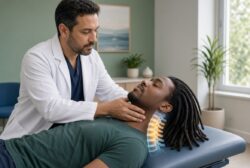
If you’ve been involved in a T-bone (side-impact) collision in San Leandro or the East Bay, timely chiropractic care can make a major difference in recovery. Local chiropractors specializing in auto accident injuries focus on the unique lateral forces these crashes create, helping restore alignment, reduce pain, and support long-term function without relying solely on medication. It’s essential to understand how these collisions affect the body and why specialized care is crucial for optimal recovery.

Why T-Bone Collisions Require Specialized Care

T-bone collisions present a unique challenge due to the nature of the impact. Unlike frontal or rear-end collisions, the lateral forces exerted on the body can lead to a range of injuries that might not be immediately apparent. Understanding these injuries is key to seeking effective treatment. For instance, the force from a side impact can result in whiplash, which sometimes manifests as chronic neck pain or headaches weeks after the accident. This makes early chiropractic evaluation and intervention essential.

Side-impact crashes push the body sideways, often leading to thoracic spine misalignments, rib restrictions affecting breathing, and sacroiliac joint issues that can cause pelvic and hip discomfort. After a T-bone collision, individuals might experience shoulder strain and compensatory muscle patterns on the opposite side of the body, which can further complicate recovery. Additionally, neck strain and headaches may also appear, contributing to a decreased quality of life. Soft-tissue damage and spinal misalignments can remain hidden without thorough evaluation, which is why prompt chiropractic care is vital to reduce the risk of chronic pain and secondary issues down the line.

How Local Chiropractic Rehabilitation Works

Chiropractic care is not a one-size-fits-all approach. Each treatment plan is designed to target the patient’s unique injuries, ensuring a focused recovery process. Chiropractors may also collaborate with other healthcare providers, such as physical therapists or medical doctors, to create a comprehensive care plan that encompasses all aspects of recovery.

San Leandro chiropractors experienced with auto accident cases begin with a detailed history and comprehensive physical examination. This initial assessment is crucial for understanding the full scope of injuries sustained. When appropriate, imaging studies, such as X-rays or MRIs, help document findings for both healing and insurance purposes. Care is then tailored to the individual, considering their specific needs and the nature of their injuries, typically including:

San Leandro chiropractors experienced with auto accident cases begin with a detailed history and physical exam. When appropriate, imaging helps document findings for both healing and insurance purposes. Care is then tailored to the individual and typically includes:

  • Precise spinal adjustments to correct thoracic, cervical, and pelvic misalignments caused by lateral force
  • Gentle rib mobilization to improve comfort and mobility
  • Soft-tissue techniques that release muscle guarding and support tissue healing
  • Custom rehabilitative exercises focused on lateral movement, core stability, and balanced strength
  • Practical home guidance and posture advice to maintain progress between visits

Treatment frequency typically starts higher and decreases as mobility and comfort improve, creating a gradual pathway to recovery. Mild cases may resolve in a matter of weeks; however, more complex multi-region injuries often benefit from consistent care over 6–12 weeks. Many chiropractic practices accept auto insurance and personal-injury liens, providing the necessary documentation for claims, thereby ensuring patients receive the financial support needed during recovery.

Frequently Asked Questions

Patients often have questions regarding their recovery and treatment options, especially following a T-bone accident. Understanding these commonly asked questions can help alleviate concerns and clarify the process.

When should I seek care after a T-bone accident?
As soon as possible—ideally within a few days. Early assessment identifies issues before they become entrenched and creates a clear record of the injuries sustained, which is vital for effective treatment and potential insurance claims.

Is the treatment comfortable?
Techniques are adjusted to your comfort level and stage of healing. Most patients find the care gentle and supportive, with an emphasis on their preferences to ensure a positive experience throughout the rehabilitation process.

What if symptoms appear later?
Delayed onset of symptoms is common after a T-bone collision. It is crucial to understand that even if you feel fine initially, a professional evaluation can still uncover soft-tissue and spinal concerns linked to the collision that may require attention.

Can chiropractic care help with both neck and lower-back pain from the same accident?
Yes. A complete exam evaluates both primary and secondary effects of the collision, ensuring that the treatment plan addresses the full picture of injuries and promotes comprehensive recovery.

Take the First Step Toward Recovery

If you or a loved one has been in a T-bone or other auto accident in San Leandro or nearby East Bay communities and are experiencing pain, stiffness, or reduced movement, consider scheduling an evaluation with a local chiropractor who specializes in trauma and collision rehabilitation. Personalized, hands-on care can help you move more comfortably and reclaim daily activities sooner. Prioritize your recovery. The right local support makes a meaningful difference after a side-impact collision, allowing you to regain your quality of life with confidence.

In addition, consider sharing your experiences with friends and family who may face similar situations. Educating others about the benefits of chiropractic care after an auto accident can help create a supportive community, ensuring that more people receive the care they need for a successful recovery.

If you or a loved one has been in a T-bone or other auto accident in San Leandro or nearby East Bay communities and are experiencing pain, stiffness, or reduced movement, consider scheduling an evaluation with a local chiropractor who specializes in trauma and collision rehabilitation. Personalized, hands-on care can help you move more comfortably and reclaim daily activities sooner.Prioritize your recovery. The right local support makes a meaningful difference after a side-impact collision.

Filed Under: Soft Tissue Injury, Auto Accidents, Low Back Pain, Neck Pain, Personal Injury Tagged With: auto accident, chiropractic, Chiropractic Care, motor vehicle accident, san leandro chiropractor, t bone collision

The Hidden Danger of Whiplash: Why Minor San Leandro Intersections Lead to Major Pain

September 2, 2026 by drburt

san leandro car accident

You are driving home from work, sitting at a red light near the intersection of Marina Boulevard and San Leandro Boulevard. Out of nowhere, you hear the screech of brakes, followed by a sudden, jarring thud. Another vehicle has rear-ended you. After pulling over, you check your car there is only a minor scratch on the bumper. You check yourself, and aside from a racing heart, nothing feels broken. You exchange insurance information and drive away, thinking you dodged a bullet.

Unfortunately, many drivers in our community make this exact assumption every single day. They believe that a low-speed “fender bender” cannot cause physical damage.

However, as an experienced San Leandro chiropractor, we routinely treat patients who felt completely fine at the scene of a minor accident, only to wake up days later in debilitating pain. Here is the hidden truth about low-impact collisions, why your pain is delayed, and how professional chiropractic care can protect both your health and your injury claim.

The Science of Low-Impact Whiplash

It does not take a highway pile-up on Interstate 880 to cause a severe neck injury. In fact, specialized crash testing shows that vehicles traveling as slow as 5 miles per hour can generate enough kinetic energy to cause whiplash.

When your vehicle is struck from behind, the force pushes your car seat forward against your back. Your torso accelerates forward, but your head stays still for a split second. This forces your neck into an unnatural “S” shape before whipping violently backward and forward.

This rapid motion stretches and tears the delicate muscles, ligaments, and tendons supporting your cervical spine. Because vehicles are manufactured to absorb impact, a bumper that shows zero outer damage often means that the violent force of the crash was transferred directly into the driver’s body instead.

Why You Feel Fine at the Scene: Adrenaline Masking

One of the most dangerous mistakes you can make after a crash is assuming you are uninjured just because you do not feel pain immediately.

During a car accident, your body enters a survival “fight or flight” mode. Your brain releases a massive surge of adrenaline and endorphins. These powerful chemicals act as natural painkillers, temporarily masking physical trauma so you can handle the immediate stress of the situation.

Once you go home, sleep, and allow your nervous system to calm down, the adrenaline fades. Over the next 24 to 72 hours, localized inflammation sets in around the torn tissues. It is only then that the true extent of the damage becomes painfully obvious.

Warning Signs San Leandro Drivers Shouldn’t Ignore

Whiplash does not always present as a simple sore neck. If you have recently been in a collision anywhere in East Bay, keep a close watch for these primary and secondary symptoms:

  • Neck Stiffness and Pain: A drastic reduction in your ability to turn your head side-to-side or look up and down.
  • Radiating Shoulder and Upper Back Pain: Deep aches that travel from the base of your skull down into your shoulder blades.
  • Frequent Headaches: Cervicogenic headaches that start at the base of the neck and throb behind your eyes or temples.
  • Numbness or Tingling: A “pins and needles” sensation traveling down your arms into your fingers, indicating a pinched nerve.
  • Secondary Indicators: Unexpected dizziness, blurred vision, difficulty concentrating, or irritability.

The Risk of the “Wait and See” Trap

Hoping the pain will simply go away on its own is a dangerous gamble for two major reasons: your physical health and your financial protection.

1. The Medical Risk: Weak Scar Tissue

When soft tissues tear, your body rushes to repair them by laying down chaotic layers of scar tissue. If your spine is misaligned from the crash, that scar tissue glues the joints together in a crooked position. This leads to chronic stiffness, early-onset arthritis, and permanent loss of mobility. Early chiropractic intervention ensures your spine stays aligned so your body heals correctly.

2. The Legal Risk: The 14-Day Insurance Window

Insurance adjusters look for any excuse to deny a medical payout. If you wait weeks after an accident to see a doctor or a San Leandro chiropractor, insurance companies will argue that your injuries were caused by something else, or that they aren’t severe. Documenting your injuries immediately creates a clean, legally binding medical paper trail that connects your treatment directly to the accident.

How a San Leandro Chiropractor Fixes the Root Cause

An emergency room visit is crucial for ruling out life-threatening issues like broken bones or internal bleeding, but ER doctors rarely treat structural underlying tissue damage. They typically prescribe pain pills and muscle relaxers that mask your symptoms without fixing the structural problem.

As your local San Leandro chiropractor, we focus on true structural rehabilitation. Our targeted approach includes:

  • Gentle Spinal Adjustments: Restoring natural cervical alignment to take pressure off irritated nerves.
  • Soft-Tissue Therapy: Using targeted techniques to reduce inflammation, break up painful scar tissue, and speed up muscle healing.
  • Custom Rehabilitative Exercises: Strengthening the damaged neck muscles to prevent long-term chronic relapse.

Protect Your Health: Schedule Your Evaluation Today

If you have been involved in a car accident in the San Leandro area, do not gamble with your physical future. Even if your car escaped without a scratch, your spine might not have been as lucky.

Contact our office today to schedule a comprehensive post-accident spinal evaluation. Let us help you recover safely, document your injuries properly, and get you back to living pain-free.

Filed Under: Auto Accidents, Chiropractic Tagged With: car accident, chiropractic, Chiropractic Care, manipulative therapy, pain, san leandro chiropractor

How to Sleep with Lower Back or Neck Pain: Practical Advice from a San Leandro Chiropractic Office

August 31, 2026 by drburt

sleeping with lower back pain
Waking up stiff, sore, or in more pain than when you went to bed is a common complaint. Lower back and neck pain often disrupt sleep. Poor sleep positions or unsupportive bedding can worsen the problem overnight. Simple changes to your sleep can reduce strain on your spine, help maintain neutral alignment, and improve recovery while you rest. Here is practical guidance drawn from chiropractic recommendations for managing lower back and neck pain at night.

Best Sleeping Positions

The goal is a neutral spine—head, neck, and back aligned with natural curves supported, without twisting, excessive arching, or collapsing.

1. Side sleeping (often best for lower back pain)
Lie on your side with knees slightly bent. A gentle fetal position works well for many. Place a firm pillow or folded towel between your knees and ankles. This keeps your hips stacked, prevents the top leg from pulling your pelvis forward, and reduces rotational stress on the lower back.
For the neck: Use a pillow that fills the gap between your ear and the mattress. This keeps your head level with your spine—not tilted up or down. Avoid tucking your chin. A body pillow hugged in front can help maintain the position through the night.

2. Back sleeping (excellent for both lower back and neck)
Lie on your back with a pillow or rolled towel under your knees. This slight bend takes pressure off the lumbar spine and supports its natural curve.
For the neck: Use a thinner or contoured cervical pillow that supports the natural curve without pushing your head forward. Avoid stomach sleeping whenever possible. It forces your neck into prolonged rotation and flattens or arches the lower back, increasing strain on both areas. Transition gradually by using a body pillow to discourage rolling onto your stomach.

Pillow and Mattress Tips

  • Pillow height and firmness matter more than brand. Side sleepers generally need higher loft to bridge the shoulder-to-ear gap. Back sleepers need lower loft to keep the neck neutral. Contoured or cervical-support pillows often help neck pain.
  • Mattress: Medium-firm is frequently recommended for spinal support. Too soft allows hips and shoulders to sink and create misalignment; too firm can create pressure points. If your mattress is old and sagging, it may be contributing to morning pain.
  • Extra support options: A small rolled towel under the lower back (for some back sleepers) or along the waist (if there’s a gap while side sleeping) can help. Test what feels supportive without increasing discomfort.

Additional Habits for Better Nighttime Relief

  • Prepare before bed: Gentle stretches (hip flexors, hamstrings, or light knee-to-chest), a warm shower or heat pack to relax muscles, or brief relaxation breathing can ease tension. Avoid intense exercise right before sleep.
  • Consistent routine: Go to bed and wake at regular times. Keep the room cool and dark.
  • Daytime posture carries over: Poor sitting or standing posture during the day can load the same structures that bother you at night. Simple awareness and breaks help.
  • After a chiropractic adjustment, prioritize neutral positions (especially back or properly supported side sleeping) to allow the spine to settle.
    • Prepare before bed: Gentle stretches (hip flexors, hamstrings, or light knee-to-chest), a warm shower or heat pack to relax muscles, or brief relaxation breathing can ease tension. Avoid intense exercise right before sleep.
    • Consistent routine: Go to bed and wake at regular times. Keep the room cool and dark.
    • Daytime posture carries over: Poor sitting or standing posture during the day loads the same structures that bother you at night. Simple awareness and breaks help.
    • After a chiropractic adjustment, prioritize neutral positions (especially back or properly supported side sleeping) to allow the spine to settle.

    When to Seek Professional Help

    These tips help many people reduce nighttime discomfort, but they are not a substitute for personalized care. Persistent or worsening pain that radiates into the arms or legs, numbness, weakness, or sleep disruption that affects daily life should be evaluated. A thorough exam can identify contributing factors such as joint restrictions, muscle imbalances, disc issues, or posture habits. At a chiropractic office, we assess spinal alignment, advise on sleep setups tailored to your body and preferred position, and provide adjustments that support better rest. Local patients often notice improved sleep quality once underlying mechanical issues are addressed. Small nightly changes—position, pillow placement, and supportive bedding—can make a noticeable difference in how you feel when you wake up. Start with one adjustment, such as adding a knee pillow if you side-sleep, and build from there. Better spinal alignment at night supports healing and helps you start the day with less pain. If lower back or neck pain is interfering with your sleep, consider consulting a chiropractor for individualized recommendations. Rest well—your spine will thank you.

    Filed Under: Chiropractic, Low Back Pain, Neck Pain Tagged With: chiropractic, Chiropractic Care, lowbackpain, neckpain, san leandro chiropractor

    San Leandro Chiropractor can help with Different Types of Scoliosis & Their Common Causes

    August 29, 2026 by drburt

    scoliosis

    Chiropractors in San Leandro can assist with managing symptoms linked to various forms of scoliosis. Their focus is mainly on pain relief, reduced stiffness, better posture, and improved mobility. It is important to note that they do not usually reverse structural curves or provide a cure.

    Chiropractors often work in collaboration with other healthcare professionals, including physical therapists and orthopedic specialists. This multidisciplinary approach ensures that scoliosis patients receive comprehensive care tailored to their specific needs. By coordinating treatment plans, patients can benefit from a range of therapies that address both pain management and physical function improvements.

    In addition to conventional treatments, chiropractors may also recommend lifestyle changes that can help manage symptoms. These might include dietary recommendations, exercises tailored to enhancing core strength, and tips for maintaining proper ergonomics at work and home. Such holistic approaches can play a significant role in improving overall well-being for individuals with scoliosis.

    Understanding Scoliosis Through Case Studies

    For example, a 15-year-old girl with adolescent idiopathic scoliosis may experience back pain and discomfort due to her spinal curvature. After a thorough evaluation, her chiropractor may suggest a combination of spinal adjustments and specific exercises aimed at improving her posture and alleviating pain. Follow-up assessments will help monitor her progress and adjust the treatment plan as needed.

    Supporting evidence is strongest for short-term comfort and function, often as part of a wider plan. This plan may involve monitoring, bracing in growing teens, physical therapy, or specialist input when needed.

    Another case could involve a middle-aged individual diagnosed with degenerative scoliosis. They might have been experiencing increasing back pain due to age-related changes in spinal structure. A chiropractor might provide tailored treatment involving adjustments and recommendations for strengthening exercises, helping to manage pain and improve mobility.

    Main Types of Scoliosis and Their Typical Causes

    Scoliosis features a sideways spinal curve, commonly C- or S-shaped, and is generally identified when the angle measures 10 degrees or more.

    • Idiopathic scoliosis accounts for roughly 80% of cases. No exact cause is known, though genetics and family history appear influential. It is further divided by age of onset: infantile (under 3 years), juvenile (around 4–10 years), and adolescent (most common, during growth spurts from about 10–18 years). The condition can continue or worsen in adulthood.
    • Congenital scoliosis is present from birth. It results from vertebrae that form incorrectly or fail to separate properly during fetal development. This type is uncommon and may occur alongside other developmental concerns.
    • Neuromuscular scoliosis develops secondary to disorders affecting the nerves or muscles that stabilize the spine, such as cerebral palsy, muscular dystrophy, spina bifida, or spinal cord injury. Curves in these cases often progress more quickly and can be more complex.
    • Degenerative (adult-onset) scoliosis appears later in life, frequently after age 50. It stems from age-related wear on discs and joints, osteoporosis, or progressive changes, usually in the lower back. Earlier adolescent idiopathic curves can also advance with age.
    • Functional or nonstructural scoliosis produces a temporary or posture-related curve without fixed bony changes. Common triggers include unequal leg lengths, muscle spasms, pelvic misalignment, or related soft-tissue issues. Addressing the underlying factor often improves or resolves the curve.

    Less frequent forms may relate to connective-tissue syndromes or prior injury. Signs can include uneven shoulders or hips, a visible spinal curve, back pain (especially in adults or more severe cases), muscle tightness, or breathing difficulties when curves are large.

    Benefits of Early Intervention

    Early intervention is crucial in managing scoliosis effectively. Children and adolescents who receive prompt treatment may experience better outcomes, including reduced pain and a lower likelihood of progression. Parents are encouraged to monitor their children’s spinal health regularly and seek professional evaluations when necessary.

    Incorporating Technology in Chiropractic Care

    Advancements in technology have facilitated better diagnostic and treatment methods in chiropractic care. Digital imaging techniques allow for more accurate assessments of spinal curvature, helping chiropractors tailor their approaches more effectively. Additionally, some clinics may utilize biofeedback mechanisms that help patients become more aware of their posture and movement patterns, promoting better self-management of their condition.

    Mild cases sometimes cause no noticeable symptoms and are simply watched over time.

    Ways Local Chiropractic Care May Support Patients

    Conclusion: The Role of Chiropractors in Scoliosis Management

    Chiropractors in San Leandro offer valuable support for individuals suffering from scoliosis. By focusing on pain management, enhancing mobility, and promoting overall wellness, they can help patients navigate the challenges of living with this condition. Collaboration with other healthcare professionals ensures a well-rounded approach, ultimately leading to improved quality of life.

    Practitioners in the San Leandro area typically emphasize gentle, non-invasive methods aimed at symptom ease and everyday function rather than structural correction.

    Common approaches include spinal adjustments to enhance mobility and lessen joint stress, soft-tissue techniques for muscle tension, core-strengthening and postural exercises, and guidance on daily habits.

    Progress is monitored, and patients are referred onward when bracing, further imaging, or other interventions become appropriate—particularly for adolescents with progressing curves or for congenital and neuromuscular cases.

    Research indicates that while chiropractic care can help with pain and movement, high-quality evidence for lasting reduction of structural curvature remains limited. Results vary, and any care plan works best when coordinated with a physician or scoliosis specialist.

    Early detection supports better monitoring and conservative options. A local evaluation can determine suitability based on the specific type and severity of the curve.

    Filed Under: Chiropractic, Spine Tagged With: alternative medicine, chiropractic, san leandro chiropractor, scoliosis

    • 1
    • 2
    • 3
    • …
    • 14
    • Next Page »

    PLEASE FOLLOW & LIKE B.C.

    RSS
    Follow by Email
    Facebook
    Facebook
    fb-share-icon
    Twitter
    Visit Us
    Follow Me
    Post on X
    YouTube
    YouTube
    LinkedIn
    LinkedIn
    Share

    15200 Hesperian Blvd #104

    San Leandro, CA. 94578

    (510) 481-2225

    drburt@burtchiropractic.com


    SEARCH

    Categories

    Recent Posts

    • San Leandro Chiropractor for Auto Accident & T-Bone Collision Rehabilitation
    • The Hidden Danger of Whiplash: Why Minor San Leandro Intersections Lead to Major Pain
    • How to Sleep with Lower Back or Neck Pain: Practical Advice from a San Leandro Chiropractic Office