Top Chiropractor in San Leandro, CA

San Leandro Chiropractor

  • blog
  • About Our Practice
  • What is Chiropractic?
  • SERVICES
    • Personal Injury
    • Cold Laser Therapy
    • Massage
    • Ultrasound
    • Electric Stimulation
    • Sports Injury
    • Workers Compensation
  • FAQs
  • Locations
  • CONTACT US
  • New Patient Forms
  • Nutrition Store
  • Home

Powered by Genesis

Best San Leandro Chiropractor for Sciatica Pain Relief: Natural, Drug-Free Solutions That Work

July 17, 2026 by drburt

If you’re struggling with sciatica pain in San Leandro, you’re not alone. The sharp, shooting pain radiating from your lower back down one leg can make walking, sitting, or even sleeping incredibly difficult. Many residents in San Leandro, Oakland, Hayward, and the East Bay are turning to chiropractic care for safe, effective, and long-lasting relief without relying on pain medications or surgery.

What Is Sciatica and Why Does It Happen?

Sciatica occurs when the sciatic nerve—the longest nerve in the body—is compressed or irritated. Common causes include:

  • Herniated or bulging discs
  • Spinal misalignments (subluxations)
  • Piriformis syndrome
  • Pregnancy-related pressure
  • Poor posture or repetitive strain from desk work or manual labor

Symptoms often include lower back pain, hip pain, leg numbness, tingling, or muscle weakness. Without proper care, sciatica can become chronic and significantly impact your quality of life in the San Leandro area.

How a San Leandro Chiropractor Helps Relieve Sciatica Pain

Chiropractic care targets the root cause of sciatica rather than just masking symptoms. A skilled San Leandro chiropractor uses gentle, precise techniques to restore proper alignment, reduce nerve pressure, and promote natural healing.Key Benefits of Chiropractic Treatment for Sciatica:

  • Spinal Adjustments — Realign vertebrae to relieve pressure on the sciatic nerve.
  • Decompression Therapy — Gently stretches the spine to create space between discs, reducing bulging or herniation.
  • Soft Tissue Therapy — Releases tight muscles (like the piriformis) that may be pinching the nerve.
  • Corrective Exercises — Strengthens core and back muscles to prevent future flare-ups.
  • Posture & Lifestyle Guidance — Helps San Leandro residents who commute, work from home, or stay active improve daily habits.

Many patients report significant pain reduction after just a few visits, with improved mobility and better sleep.

Why Choose a Local San Leandro Chiropractor?

When searching for “sciatica chiropractor near me” or “best chiropractor in San Leandro,” choosing a local expert offers several advantages:

  • Convenient East Bay location with easy access from downtown San Leandro, Bayfair Center, and nearby neighborhoods.
  • Personalized care tailored to local lifestyles — whether you’re a longtime resident, commuter, or active senior.
  • Drug-free, non-invasive approach ideal for those wanting to avoid opioids or invasive procedures.

What to Expect During Your First Visit

A quality San Leandro chiropractic clinic will start with:

  1. Thorough consultation and health history
  2. Postural and orthopedic examination
  3. Digital X-rays (if needed)
  4. Clear explanation of findings and a customized treatment plan

Treatment is typically gentle and comfortable — even for acute sciatica cases.

Real Results for San Leandro Residents

Patients throughout the San Leandro community have found lasting relief through consistent chiropractic care. Many return to gardening, hiking in the East Bay hills, playing with grandchildren, or simply walking pain-free around Lake Chabot.

Ready to Finally Get Sciatica Relief in San Leandro?

Don’t let sciatica control your life any longer. If you’re searching for a trusted San Leandro chiropractor who specializes in sciatica and lower back pain, schedule a consultation today.Same-day appointments often available.
Most insurance plans accepted.Take the first step toward natural sciatica pain relief — contact a local San Leandro chiropractic office and discover why so many East Bay residents trust chiropractic care for lasting results.

Filed Under: Chiropractic, Low Back Pain, Posture Tagged With: alternative medicine, Chiropractic Care, manipulative therapy, pain, san leandro chiropractor, spinal adjustment

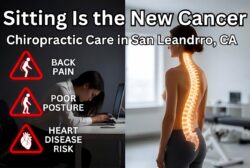
Sitting Is the New Cancer: How Chiropractic Care Can Help Fight This Modern Pandemic in San Leandro, CA

July 13, 2026 by drburt

In our fast-paced digital world, prolonged sitting has become the norm for many San Leandro residents. Whether working at a desk in downtown offices, commuting along I-880, or working remotely from homes in the Marina or Washington Manor areas, Americans now average nearly 9.5 hours of sitting daily. Health experts have coined the phrase “sitting is the new cancer” — and for good reason. Extensive research links excessive sitting to increased risks of cancer, heart disease, diabetes, and premature death, even among those who exercise regularly.This sedentary lifestyle represents a modern health pandemic affecting millions. Fortunately, chiropractic care offers a powerful, natural solution to counteract these effects, especially for East Bay communities like San Leandro.

The Serious Health Risks of Prolonged Sitting

The dangers of sitting go far beyond simple discomfort. Studies show that sitting for more than eight hours a day with minimal physical activity carries a mortality risk comparable to smoking or obesity.Key risks include:

  • Increased Cancer Risk: Prolonged sitting is associated with higher chances of developing colon, breast, endometrial, ovarian, lung, and other cancers. One analysis found women sitting six or more hours daily faced significantly elevated risks for multiple myeloma, ovarian cancer, and invasive breast cancer.
  • Cardiovascular and Metabolic Issues: Sitting slows metabolism, impairing blood sugar regulation, blood pressure control, and fat breakdown. This contributes to obesity, type 2 diabetes, and heart disease.
  • Musculoskeletal Problems: Poor posture from desk work leads to forward head posture, rounded shoulders, flattened lumbar curves, neck pain, lower back pain, sciatica, and tight hips.
  • Overall Mortality: Research indicates that excessive sitting raises the overall risk of early death, with cancer and heart disease as leading contributors.

These issues hit hard in areas like San Leandro, where many professionals spend long hours at computers or in vehicles. The good news? You can take meaningful action starting today.

How Chiropractic Care Combats the Sitting Epidemic

Chiropractic care targets the root causes of sitting-related damage by focusing on spinal alignment, nervous system function, posture, and mobility. Unlike temporary pain relief methods, chiropractic offers long-term, holistic benefits.Major Benefits Include:

  • Spinal Realignment and Posture Correction: Chiropractic adjustments restore proper vertebral alignment, reversing damage from hours of slouching. This reduces nerve pressure and helps patients stand taller with less effort.
  • Effective Pain Relief: Many San Leandro patients experience significant relief from chronic neck pain, back pain, headaches, and sciatica caused by desk work. Adjustments improve mobility and decrease inflammation naturally.
  • Enhanced Nervous System Function: A properly aligned spine supports better communication between the brain and body, which may improve energy levels, digestion, sleep quality, and overall wellness.
  • Injury Prevention and Recovery: Regular care strengthens the musculoskeletal system, making the body more resilient to the stresses of sedentary work.
  • Holistic Lifestyle Support: Local chiropractors often provide ergonomic advice, customized stretch routines, core strengthening exercises, and recommendations for standing desks or movement breaks.

Clinics throughout San Leandro, such as those offering walk-in services and new patient specials, make it convenient for busy professionals to prioritize their spinal health.

Practical Strategies to Reduce Sitting Time

While chiropractic care forms a strong foundation, combine it with these daily habits:

  1. Use the 20-8-2 Rule — Sit for 20 minutes, stand for 8, and move for 2.
  2. Take Movement Breaks — Set hourly reminders to walk, stretch, or do desk yoga.
  3. Optimize Your Workstation — Position your monitor at eye level, keep feet flat on the floor, and use lumbar support.
  4. Incorporate Activity — Walk during lunch breaks, take stairs, or schedule standing meetings.
  5. Stay Consistent with Care — Regular chiropractic visits (often every 2–4 weeks for maintenance) help maintain results.

Why San Leandro Residents Are Turning to Chiropractic

San Leandro’s blend of suburban living and proximity to Oakland and Silicon Valley means many residents juggle long commutes and demanding desk jobs. Local chiropractic clinics understand these unique challenges and offer personalized care tailored to the East Bay lifestyle.Patients frequently report:

  • Reduced reliance on pain medications
  • Better sleep and higher energy
  • Improved posture and confidence
  • Greater productivity at work

Whether you’re dealing with acute pain or seeking preventive care, chiropractic provides a safe, effective path toward better health.

Frequently Asked Questions

How often should I see a chiropractor if I sit all day?
Many people benefit from weekly visits initially, transitioning to bi-weekly or monthly maintenance. Can chiropractic really help prevent cancer-related risks?
While it doesn’t directly prevent cancer, it reduces inflammation, improves mobility, and encourages healthier movement patterns — all of which support overall wellness and may lower associated risks. Is chiropractic care safe?
Yes. It is a non-invasive, drug-free approach with an excellent safety record when performed by licensed professionals.

Take the First Step Toward Better Health Today


Don’t let sitting silently undermine your health. If you live or work in San Leandro, CA, now is the perfect time to address posture issues, back pain, and the broader effects of a sedentary lifestyle.Schedule a consultation with a local chiropractor to assess your spine, learn personalized strategies, and begin your journey toward renewed vitality. Your body — and your future self — will thank you.

Filed Under: Chiropractic, Low Back Pain, Posture, Soft Tissue Injury Tagged With: chiropractic, manipulative therapy, medicine, pain, san leandro chiropractor, spinal adjustment

The Female Pelvis, Sacroiliac Joint Dysfunction, and Its Impact on Knee Alignment and Pain: A Chiropractic Perspective

June 3, 2026 by drburt

The sacroiliac (SI) joints are critical yet often overlooked structures that connect the sacrum at the base of the spine to the ilia of the pelvis. In women, these joints bear unique biomechanical demands due to a wider pelvic structure, greater inherent mobility, and hormonal influences. When the SI joint becomes misaligned or dysfunctional whether through hypermobility, hypomobility, or inflammation it can trigger a cascade of compensatory changes down the open kinematic chain, frequently manifesting as altered knee angles also knows as Q-angle and persistent knee pain.

This scientific blog post explores the anatomy and biomechanics specific to females, the mechanisms linking SI joint issues to knee problems, and the evidence supporting chiropractic intervention. Anatomy and Sex Specific Biomechanics of the SI Joint. The SI joints are synovial joints with irregular, auricular-shaped surfaces designed primarily for stability and load transfer rather than large ranges of motion. Normal motion is minimal: typically less than 4° of rotation and about 1.6 mm of translation. They function as shock absorbers, transmitting forces from the upper body to the lower extremities while resisting shear.

Women exhibit greater SI joint mobility than men maximum range of motion around 2.8° versus 1.2° in males. This increased laxity stems from a broader pelvis (adapted for childbirth), more pronounced ligamentous flexibility, and hormonal factors like relaxin, which softens ligaments during pregnancy. These adaptations, while essential for reproduction, predispose women to higher stresses, loads, and ligament strains at the SI joint. SI joint dysfunction (SIJD) involves aberrant motion or position either excessive movement (instability/hypermobility) or restricted movement (fixation/hypomobility). Common contributors in women include pregnancy and postpartum changes, leg length discrepancies, poor posture, repetitive stress, trauma, and muscle imbalances. Prevalence data suggest SIJD accounts for 15–30% of low back pain cases, with higher rates in females, particularly during reproductive years.

How SI Joint Misalignment Affects Pelvic Position and Knee Biomechanics.

A misaligned or dysfunctional SI joint disrupts pelvic symmetry and orientation. Common patterns include unilateral anterior or posterior pelvic tilt (torsion), iliac rotation, or sacral shear. These changes alter the position of the acetabulum (hip socket), affecting femoral alignment and tracking.

Down the kinematic chain:

  • Altered hip mechanics: Pelvic torsion can cause relative hip internal or external rotation, changing the Q-angle (quadriceps angle) at the knee. Increased dynamic knee valgus, where the knee collapses inward is a frequent compensation. Studies link anterior pelvic tilt and pelvic asymmetries to greater knee valgus stress.
  • Gait and loading changes: Research on female runners with SI joint pain shows reduced knee flexion, greater tibial overstride, and increased ankle dorsiflexion compared to controls. These adaptations increase ground reaction forces and uneven loading across the knee joint.
  • Muscle inhibition and imbalances: SIJD often inhibits gluteal and core muscles, leading to over-reliance on quadriceps or altered patellar tracking. One study demonstrated that SI joint manipulation increased knee-extensor moment and reduced muscle inhibition.

These biomechanical shifts contribute to conditions like patellofemoral pain syndrome (PFPS), iliotibial band syndrome, and accelerated joint wear. Knee pain from SIJD may be referred (radiating to the posterior thigh or knee without true sciatica) or mechanical, often felt as aching, sharpness with stairs or transitions, or a sense of instability/buckling.

Pelvic misalignment can functionally create a leg length discrepancy, forcing compensatory pronation or supination at the foot and valgus/varus stress at the knee. In women, the combination of wider Q-angles and pelvic laxity amplifies these effects.

Clinical Presentation in Women.

Symptoms often include one-sided low back or buttock pain radiating to the groin, thigh, or knee. Pain worsens with prolonged standing, walking, single-leg activities, or rising from sitting. Pregnancy-related SIJD is especially common due to relaxin-induced laxity plus increased load, with many women experiencing persistent postpartum issues if not addressed.

Diagnosis relies on clinical tests (e.g., FABER, Gaenslen’s, Fortin’s finger test, sacral thrust) rather than imaging alone, as X-rays or MRI may miss subtle dysfunction. Differential diagnosis must rule out lumbar radiculopathy, hip pathology, or inflammatory conditions. How Chiropractic Care Addresses SIJD and Associated Knee Pain. Chiropractic care targets the root biomechanical dysfunction through precise adjustments, soft tissue techniques, and rehabilitation offering a conservative, evidence-informed approach.

High-velocity, low-amplitude (HVLA) manipulations: Side-posture or prone adjustments to the SI joint and lumbar spine restore motion in hypomobile segments, reduce pain, and improve load distribution. A study of 32 women with SIJD found greater improvements in pain and mobility (immediate, 2 days, and 30 days post-treatment) with HVLA to the SI and lumbar regions versus other therapies.

  • Mobilizations and muscle energy techniques (MET): Gentler options suit hypermobile or acute cases, helping normalize joint play.
  • Full kinetic chain assessment and correction: Addressing lumbar, hip, foot, or leg length issues prevents recurrence. Adjustments can quickly reduce quadriceps inhibition, improving knee function.
  • Rehabilitative exercises: Core stabilization (e.g., planks, bird-dogs), glute strengthening, pelvic tilts, and proprioceptive training enhance force closure of the SI joint. Pelvic belts provide temporary stability, especially postpartum.

Randomized trials support chiropractic manipulation for SIJD, showing reductions in pain and disability comparable to or faster than exercise alone. One trial comparing manipulation, MET, and home exercise found manipulation provided the quickest relief.

Outcomes for knee pain: By restoring pelvic symmetry and hip mechanics, chiropractic reduces abnormal knee stresses. Patients often report decreased referred knee pain and improved gait stability. Multimodal care (adjustments + exercise) yields the best long-term results.

Limitations and Integrated Care.

While highly effective for many, results vary. Hypermobile patients may need more emphasis on stabilization than manipulation. Severe cases or those with neurological deficits warrant medical co-management, possibly including injections or, rarely, fusion. Chiropractic is not a standalone cure but excels in conservative management.

Prevention and Long-Term Management

Maintain strong core and glute muscles, practice good posture, use proper lifting mechanics, and consider supportive footwear. Postpartum screening for pelvic stability is crucial. Regular chiropractic check ups can catch subtle dysfunctions early.

Conclusion

In women, SI joint misalignment is a common but under-recognized driver of knee angle alterations and pain via disrupted pelvic and lower limb biomechanics. Chiropractic care, grounded in restoring alignment, mobility, and neuromuscular control, offers significant relief and functional improvement. Early intervention can break the pain cycle and prevent chronic issues.

If you experience pelvic, low back, or knee pain that hasn’t responded to isolated knee treatments, consult a qualified chiropractor for a comprehensive biomechanical evaluation.

Filed Under: Chiropractic, Knee, Posture Tagged With: chiropractic, kneepain, pain, pelvis, sanleandro

2026 U.S. Economic Outlook: Navigating Uncertainty, Mental Stress, and the Role of Chiropractic Care

May 8, 2026 by drburt

As we move through 2026, the U.S. economy presents a picture of moderate resilience amid persistent challenges. Forecasters project real GDP growth in the 2.0–2.3% range for the year. This pace reflects solid business investment—particularly in AI and technology—alongside fiscal policies and steady consumer spending. However, growth is uneven. Unemployment is expected to edge up modestly to around 4.3–4.6%, with job gains slowing in many sectors while healthcare and tech continue hiring. Inflation remains a concern. Core measures are easing but face upward pressure from energy prices, tariffs, and services costs. Many households still grapple with high housing expenses, healthcare costs, and everyday affordability issues. Policy uncertainty, geopolitical tensions, and elevated national debt add layers of volatility. While a sharp recession is not the baseline forecast, consumer sentiment stays cautious. For millions of Americans, economic pressures translate directly into heightened daily stress. Financial anxiety has become a defining feature of 2026. Surveys indicate nearly half of adults report higher stress levels than the previous year, driven by day to-day expenses, debt, job security worries, and concerns about the country’s direction. This chronic stress fuels a vicious cycle: elevated cortisol, sleep disruption, muscle tension, headaches, and reduced mental clarity. Younger generations, in particular, link financial strain to anxiety and feelings of lost control. When economic uncertainty lingers, the body and mind pay the price—poor posture from desk work or stress-induced clenching, neck and back pain, and nervous system overload. Here is where chiropractic care offers meaningful support. Chiropractic is not a solution for economic problems or a replacement for mental health therapy, but it serves as a powerful complementary tool for managing the physical and neurological effects of stress. Spinal adjustments help restore proper alignment, which can reduce nerve interference and shift the nervous system from sympathetic “fight or flight” dominance toward parasympathetic “rest and digest” balance. Many patients report lower muscle tension, fewer tension headaches, and improved sleep after consistent care. Research and clinical observations link chiropractic interventions to reduced cortisol markers, decreased blood pressure in some cases, and better overall emotional regulation. By addressing posture issues exacerbated by stress, chiropractic care helps break the feedback loop where physical pain amplifies mental strain. In a year of moderate economic growth but ongoing personal pressures, proactive self-care becomes essential. Regular chiropractic visits can improve resilience, boost energy levels, and enhance quality of life when finances and the future feel uncertain. Combined with exercise, financial planning, mindfulness practices, and professional mental health support when needed, it forms part of a holistic strategy. Looking ahead, 2026 rewards adaptability. The economy will likely avoid major contraction while delivering opportunities in innovative sectors. For individuals, protecting mental and physical health is key to navigating whatever comes next. If economic stress is weighing on your body and mind, consider scheduling a chiropractic evaluation. Small, consistent steps today—financial awareness, movement, and proper spinal care—can make 2026 feel more manageable and empowering.

Filed Under: Advice, Ankle, Auto Accidents, Carpal Tunnel Syndrome - CTS, Children, Chiropractic, D.C. Consulting, Diet, Exercises, FAQs, Games, Golfer's Elbow, Headache, Health, Insomnia, Knee, Low Back Pain, Modalities, Neck Pain, Nutriton, Opinion, Personal Injury, Posture, Questions/Answers, Shoulder, Soft Tissue Injury, Spine, Sports, Tennis Elbow, TMJ, TOS, Travel, Uncategorized, Weight Loss Tagged With: back pain, chiropractic, chiropractor, neck injury, san leandro

  • 1
  • 2
  • 3
  • …
  • 5
  • Next Page »

PLEASE FOLLOW & LIKE B.C.

RSS
Follow by Email
Facebook
Facebook
fb-share-icon
Twitter
Visit Us
Follow Me
Post on X
YouTube
YouTube
LinkedIn
LinkedIn
Share

15200 Hesperian Blvd #104

San Leandro, CA. 94578

(510) 481-2225

drburt@burtchiropractic.com


SEARCH

Categories

Recent Posts

  • Loss of Cervical Lordosis: How a Straight Neck and Pain Impact Your Health—and How a San Leandro Chiropractor Can Help Restore It
  • Hidden Injuries from Car Accidents That a San Leandro Chiropractor Can Help You Detect
  • Best San Leandro Chiropractor for Sciatica Pain Relief: Natural, Drug-Free Solutions That Work