Top Chiropractor in San Leandro, CA

San Leandro Chiropractor

  • blog
  • About Our Practice
  • What is Chiropractic?
  • SERVICES
    • Personal Injury
    • Cold Laser Therapy
    • Massage
    • Ultrasound
    • Electric Stimulation
    • Sports Injury
    • Workers Compensation
  • FAQs
  • Locations
  • CONTACT US
  • New Patient Forms
  • Nutrition Store
  • Home

Powered by Genesis

Soft Tissue Injuries in Tennis: Causes, Common Types, and Chiropractic Rehabilitation in San Leandro, CA

June 5, 2026 by drburt

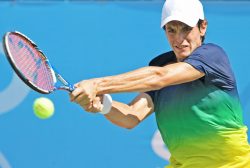
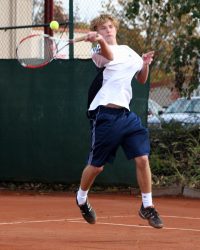
Tennis is a high intensity sport that demands explosive movements, rapid changes in direction, repetitive swinging, and powerful serves. While it offers excellent cardiovascular and mental benefits, these demands place significant stress on the body’s soft tissues, muscles, tendons, and ligaments. Soft tissue injuries are among the most common issues plaguing tennis players, from weekend warriors to professionals. Understanding these injuries and the role of chiropractic care in rehabilitation can help players recover faster and return to the court stronger.

What Are Soft Tissue Injuries?

Soft tissues include muscles, tendons (which connect muscle to bone), ligaments (which connect bone to bone), and other structures like bursae. Injuries occur when these tissues are overstretched, torn, or inflamed. They fall into two main categories: acute (sudden trauma, such as a twist or awkward landing) and overuse (repetitive stress leading to micro-tears and inflammation).

In tennis, overuse injuries dominate because of the sport’s repetitive nature. Players perform thousands of similar motions in a match—forehands, backhands, serves, and quick lateral shuffles. Without adequate recovery, these actions lead to inflammation, reduced blood flow, and eventual breakdown of tissue. Factors like poor technique, inadequate warm-up, muscle imbalances, improper equipment, and insufficient conditioning increase risk.

Common Soft Tissue Injuries in Tennis

1. Tennis Elbow (Lateral Epicondylitis)
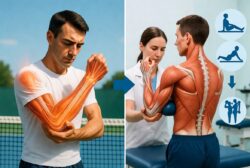
This is perhaps the most notorious tennis injury. It involves inflammation or degeneration of the tendons attaching to the outer elbow, primarily from repetitive wrist extension and gripping. Symptoms include pain on the outside of the elbow that worsens with gripping or lifting. While named after tennis, it affects anyone with repetitive forearm use.

2. Rotator Cuff Tendinopathy and Shoulder Injuries
The shoulder endures immense stress during overhead serves and smashes. Repetitive motion can inflame or damage the rotator cuff tendons, leading to tendinitis, impingement, or partial tears. Bursitis (inflammation of fluid-filled sacs cushioning the joint) often accompanies this. Players notice pain with overhead movements, weakness, and stiffness.

3. Wrist and Forearm Strains/Tendonitis
Quick wrist snaps and gripping the racket strain forearm muscles and wrist tendons. Overuse leads to pain, swelling, and reduced grip strength.

4. Lower Body Injuries: Ankle Sprains, Calf Strains, and Knee Issues
Sudden stops, starts, and lateral movements frequently cause ankle sprains (stretched or torn ligaments). Calf strains (often called “tennis leg”) occur from explosive pushes. Knee problems, including patellar tendonitis or iliotibial band issues, arise from repetitive impact and twisting.

5. Back and Hip Strains
The core and hips generate power for rotation. Poor core stability or tight hips can lead to lumbar strains or hip flexor issues.

These injuries often start subtly with mild soreness but progress to chronic pain if ignored, potentially sidelining players for weeks or months

The Chiropractic Approach to Rehabilitation

Chiropractic care in San Leandro, CA. excels in treating soft tissue injuries through a holistic, non-invasive focus on the musculoskeletal and nervous systems. Unlike treatments relying solely on rest or medication, chiropractic addresses root causes like joint misalignments, muscle imbalances, and nerve irritation that exacerbate injuries.

Initial Assessment and Acute Phase Management


A thorough evaluation includes history, physical exams, range-of-motion testing, and possibly imaging referrals. In the acute phase (first 48-72 hours), the goal is reducing pain and inflammation using the RICE protocol (Rest, Ice, Compression, Elevation), sometimes supplemented with gentle modalities.

Chiropractors may apply:

  • Soft tissue therapies like Active Release Technique (ART), myofascial release, or instrument-assisted soft tissue mobilization (IASTM, similar to Graston). These break down scar tissue, improve blood flow, and restore tissue glide.
  • Low-level laser therapy or ultrasound to reduce inflammation and promote healing.
  • Gentle spinal and extremity adjustments to restore proper joint mechanics and reduce nerve pressure, which can speed recovery even in peripheral injuries.

Rehabilitation and Strengthening Phase
Once acute symptoms subside, rehab shifts to restoring function:

  • Targeted adjustments: Correcting spinal or joint dysfunctions (e.g., in the neck or mid-back) improves overall biomechanics, reducing compensatory stress on the elbow or shoulder.
  • Progressive exercises: Eccentric strengthening (lengthening under load) is key for tendons, like controlled wrist extensions for tennis elbow. Core stabilization, rotator cuff exercises, and balance training address tennis-specific demands.
  • Stretching and mobility work: Improving flexibility in tight areas (e.g., forearms, hips, thoracic spine) prevents recurrence.
  • Functional training: Sport specific drills simulate court movements with proper form.

Chiropractors often collaborate with physical therapists or coaches for comprehensive care. Treatment frequency starts higher (2-3 times per week) and tapers as healing progresses. Many players report significant pain relief within a few sessions and full return to play in 4-12 weeks, depending on injury severity.

Prevention:

Staying Injury Free on the Court Prevention is the best rehabilitation. Incorporate these strategies:

  • Dynamic warm-up: 10-15 minutes of light cardio, arm circles, lunges, and swing simulations.
  • Strength and conditioning: Focus on balanced training rotator cuff, core, glutes, and eccentric forearm work. Include flexibility routines.
  • Proper technique and equipment: Work with a coach. Use a racket with suitable grip size and tension.
  • Recovery practices: Adequate rest between sessions, hydration, nutrition, and foam rolling or massage.
  • Gradual progression: Avoid sudden spikes in training volume.

Listen to your body persistent soreness is a warning sign. Real World Success and Long Term Benefits Consider a recreational player with chronic tennis elbow. After weeks of rest and anti-inflammatories with minimal improvement, chiropractic care involving ART, elbow/wrist adjustments, and a progressive strengthening program resolved symptoms in under a month. The player returned with better serve mechanics and no recurrence after addressing underlying thoracic mobility issues. Chiropractic rehabilitation not only heals the injury but optimizes performance by improving posture, balance, and kinetic chain efficiency from feet to racket.

Conclusion

Soft tissue injuries are an inherent risk in tennis, but they don’t have to end your love for the game. With prompt attention and a comprehensive chiropractic approach focusing on manual therapies, adjustments, and tailored rehab, most players can recover fully and often play at a higher level than before. If you’re dealing with nagging pain or want to prevent injuries, consult San Leandro Chiropractor experienced with racket sports. Invest in your body now so you can enjoy many more matches ahead.
Filed Under: Chiropractic, Exercises, Tennis Elbow Tagged With: chiropractic, medicine, pain, spinal adjustment

2026 U.S. Economic Outlook: Navigating Uncertainty, Mental Stress, and the Role of Chiropractic Care

May 8, 2026 by drburt

As we move through 2026, the U.S. economy presents a picture of moderate resilience amid persistent challenges. Forecasters project real GDP growth in the 2.0–2.3% range for the year. This pace reflects solid business investment—particularly in AI and technology—alongside fiscal policies and steady consumer spending. However, growth is uneven. Unemployment is expected to edge up modestly to around 4.3–4.6%, with job gains slowing in many sectors while healthcare and tech continue hiring. Inflation remains a concern. Core measures are easing but face upward pressure from energy prices, tariffs, and services costs. Many households still grapple with high housing expenses, healthcare costs, and everyday affordability issues. Policy uncertainty, geopolitical tensions, and elevated national debt add layers of volatility. While a sharp recession is not the baseline forecast, consumer sentiment stays cautious. For millions of Americans, economic pressures translate directly into heightened daily stress. Financial anxiety has become a defining feature of 2026. Surveys indicate nearly half of adults report higher stress levels than the previous year, driven by day to-day expenses, debt, job security worries, and concerns about the country’s direction. This chronic stress fuels a vicious cycle: elevated cortisol, sleep disruption, muscle tension, headaches, and reduced mental clarity. Younger generations, in particular, link financial strain to anxiety and feelings of lost control. When economic uncertainty lingers, the body and mind pay the price—poor posture from desk work or stress-induced clenching, neck and back pain, and nervous system overload. Here is where chiropractic care offers meaningful support. Chiropractic is not a solution for economic problems or a replacement for mental health therapy, but it serves as a powerful complementary tool for managing the physical and neurological effects of stress. Spinal adjustments help restore proper alignment, which can reduce nerve interference and shift the nervous system from sympathetic “fight or flight” dominance toward parasympathetic “rest and digest” balance. Many patients report lower muscle tension, fewer tension headaches, and improved sleep after consistent care. Research and clinical observations link chiropractic interventions to reduced cortisol markers, decreased blood pressure in some cases, and better overall emotional regulation. By addressing posture issues exacerbated by stress, chiropractic care helps break the feedback loop where physical pain amplifies mental strain. In a year of moderate economic growth but ongoing personal pressures, proactive self-care becomes essential. Regular chiropractic visits can improve resilience, boost energy levels, and enhance quality of life when finances and the future feel uncertain. Combined with exercise, financial planning, mindfulness practices, and professional mental health support when needed, it forms part of a holistic strategy. Looking ahead, 2026 rewards adaptability. The economy will likely avoid major contraction while delivering opportunities in innovative sectors. For individuals, protecting mental and physical health is key to navigating whatever comes next. If economic stress is weighing on your body and mind, consider scheduling a chiropractic evaluation. Small, consistent steps today—financial awareness, movement, and proper spinal care—can make 2026 feel more manageable and empowering.

Filed Under: Advice, Ankle, Auto Accidents, Carpal Tunnel Syndrome - CTS, Children, Chiropractic, D.C. Consulting, Diet, Exercises, FAQs, Games, Golfer's Elbow, Headache, Health, Insomnia, Knee, Low Back Pain, Modalities, Neck Pain, Nutriton, Opinion, Personal Injury, Posture, Questions/Answers, Shoulder, Soft Tissue Injury, Spine, Sports, Tennis Elbow, TMJ, TOS, Travel, Uncategorized, Weight Loss Tagged With: back pain, chiropractic, chiropractor, neck injury, san leandro

Tennis Elbow and Chiropractic Rehabilitation Phase 2 & 3

September 29, 2010 by drburt

Tennis ElbowAfter reaching the goal in phase 1, it’s time for phase 2. The goal for phase 2 of tennis elbow rehabilitation is to improve the flexibility and to increase the strength and endurance at the same time increasing the functional activities until you can return the elbow’s normal function completely.

Phase 2 is divided into 2 parts; stretching and strengthening. In stretching, you need to be gentle and perform only gentle stretching exercises. You wouldn’t want to reinjure your elbow by trying to stretch it to the point that it starts to get painful. Stretching exercises includes wrist flexion, wrist extension and wrist rotation as you gradually increase your wrist’s range of motion.

While doing the stretching exercises make sure that you extend your elbow with your arm straight. This way you can maximize the range of motion as you stretch the wrist. Each stretching exercise must be held for about 20 to 30 seconds at a time and repeat this from 5 to 10 times per set at two sets a day. Just make sure that you don’t overdo this. If you start to feel pain with the range of your stretch, reduce the range a bit until it starts to feel more comfortable for you.

The second part of phase 2 is the strengthening exercises. Your elbow must be bent and your wrist must have a support while performing these exercises. Start with wrist extension exercises. Use a 1-lb weight and hold it with your hand facing downward. The forearm must be supported with your knee or at the edge of a table. Raise your hand up and down slowly make sure that your arm stays in its position and only your wrist is moving. Wrist flexion is similar to wrist extension but this time the hand must be facing upward. The forearm would still be supported by your knee or at the edge of a table. Slowly bend the hand up and down slowly making sure that only the wrist is moving. Forearm pronation and supination is an exercise where you hold the weights with your hand, forearm supported, and you rotate the hand in a palm up and palm down position but returning to the perpendicular to floor position each time. Finger extension requires rubber bands. Place the rubber bands around your five fingers and spread them while feeling the resistance from the band. Do this 25 times each set with 3 sets a day. Add more rubber band if the resistance is not enough. Ball squeeze requires a ball or a sponge, depending on the resistance you can handle. Squeeze the ball 25 times per set at 3 sets a day.

Phase 3 is the phase where you gradually return to your activity. Phase 2 exercises must be maintained. Only proceed to phase 3 if you have gained back the full range of motion of your elbow and the pain had subsided. Make sure to gradually return to your activity and don’t be excited as you may reinjure yourself again. Here is a link to a great Instructional Videos For Tennis Beginners (affiliate link). This 49 step-by-step tennis instruction videos covering all 6 basic strokes in tennis and will help you to avoid injuries and become a better tennis player.

Question: What kind of rehabilitation have you or anyone you know had for a Tennis Elbow?

Filed Under: Tennis Elbow

Tennis Elbow Chiropractic Treatment and Other Rehabilitation Options Phase 1

September 27, 2010 by drburt

Tennis ElbowTreatment for tennis elbow aims to relieve the swelling and pain. There are several treatments that can be used to relieve the swelling and pain such as Chiropractic Rehabilitation, Physical Therapy,  Electrical Stimulation, Moist Heat, Ultrasound, Erchonia Pl 5000 Cold Laser, medications for pain relief that is non-steroidal such as naproxen or ibuprofen, local injection and using a splint to keep the forearm still. You can also try a guide, “Cure Tennis Elbow eBook and Step-by-Step System” (affiliate link) for self help if you don’t have the time to go to a doctor or resources to see one. Activities must be limited during treatment or rehabilitation until you are ready to start performing the activity again. If the pain persists after non-surgical treatments then it may require surgery.

About 95% of people who suffered from tennis elbow recover with the conservative treatments listed above but 5% won’t get better with any of the conservative treatment listed and would require surgery. 90% of people who have surgery gets their strength back and are relieved of pain.

In tennis elbow rehabilitation, there are 3 phases that are being followed. Every phase has a goal that must be reached in order to get to the next phase until you reach full recovery. Every phase is important and should not be skipped.

Phase 1 is done during the acute stage of the injury or the onset of pain. The goal in this phase is to decrease the pain and swelling, promoting healing of tissues and to retard the muscle atrophy. The RICE principle is followed during this phase.

Rest to avoid any further overuse of the elbow. You should maintain your activity level but avoiding any activity that would aggravate your injury. Complete rest won’t be good as this could lead to muscle atrophy. Just be sensitive with your body, if you feel pain with a certain activity and level, avoid it.

Icing is recommended when there is inflammation as it slows down the metabolism of that body part and helps in relieving the pain and spasm of the muscles. You may need to ice the elbow during the entire process of rehabilitation as long a swelling is present.

Compression limits the swelling but you should not compress the body part too tight as this would cut off the circulation. Wrapping a bandage around the injured area is the most common way of compression. If you feel like you wrapped it too tight or you feel throbbing, rewrap it and make it a little looser.

Next is to elevate. Compression and elevation are two powerful tools in keeping the swelling in its lowest level as possible. Compression helps in minimizing the swelling volume while elevating the elbow would use the gravitational force to its advantage and assist in the fluid return to the veins that causes the swelling. If swelling is minimized, the secondary trauma would also be minimized.

After phase 1 you can proceed to phase 2 & 3 once the goal had been reached when there is a significant decrease in pain and inflammation and tissue had healed and muscle atrophy had been minimized.

Filed Under: Tennis Elbow

  • 1
  • 2
  • Next Page »

PLEASE FOLLOW & LIKE B.C.

RSS
Follow by Email
Facebook
Facebook
fb-share-icon
Twitter
Visit Us
Follow Me
Post on X
YouTube
YouTube
LinkedIn
LinkedIn
Share

15200 Hesperian Blvd #104

San Leandro, CA. 94578

(510) 481-2225

drburt@burtchiropractic.com


SEARCH

Categories

Recent Posts

  • Loss of Cervical Lordosis: How a Straight Neck and Pain Impact Your Health—and How a San Leandro Chiropractor Can Help Restore It
  • Hidden Injuries from Car Accidents That a San Leandro Chiropractor Can Help You Detect
  • Best San Leandro Chiropractor for Sciatica Pain Relief: Natural, Drug-Free Solutions That Work