TMJ pain affects thousands of people in the East Bay — including many busy San Leandro families. Jaw clicking, popping, locking, headaches, ear pain, and difficulty chewing can make everyday life miserable. The good news? A skilled San Leandro chiropractor can often provide safe, drug-free relief by addressing the root causes of TMJ dysfunction.
In addition to the physical symptoms, TMJ disorders can also impact emotional well-being. Many individuals experience anxiety and stress due to the chronic pain, leading to a cycle that exacerbates their condition. It’s essential to address both the physical and emotional aspects for comprehensive care.
TMJ pain can significantly impact daily activities and overall well-being. Families with children often find it difficult to manage the pain that can stem from activities like sports or even just stress from school. Understanding the importance of addressing TMJ issues early can help prevent chronic pain down the road.
TMJ disorders can be classified into two main categories: muscular disorders, which affect the muscles around the jaw, and joint disorders, which involve the actual joint itself. Understanding this distinction can help in determining the most effective approach to treatment.
Understanding TMJ pain is crucial for those who experience it. It not only affects your jaw but can have ripple effects throughout your body, influencing your daily activities and overall quality of life. Many patients report a decrease in productivity at work and challenges in social interactions due to discomfort and pain. Exploring various natural TMJ pain relief options can empower those suffering to regain control over their lives.
It’s essential to recognize that TMJ disorders can affect individuals of all ages. Children, teens, and adults are all susceptible to jaw pain. Conditions like bruxism, where individuals grind their teeth, can exacerbate TMJ symptoms, particularly in stressful situations.
In addition to the symptoms mentioned, TMJ disorder can also lead to a range of emotional issues such as anxiety and frustration. Many patients find that their quality of life diminishes due to persistent pain, making it crucial to seek comprehensive care. With chiropractic treatment, individuals can experience improved mental health alongside physical relief, creating a holistic approach to overall well-being.
Understanding the anatomy of the temporomandibular joint can help demystify the pain. The TMJ is surrounded by muscles that control jaw movement, and these muscles can become tense or inflamed due to a variety of factors such as stress, dental issues, or even habitual grinding of teeth. This pain can be exacerbated by lifestyle choices such as diet and physical activity, making it essential to consider a comprehensive approach towards treatment.
In addition to common symptoms, TMJ disorder can manifest in unexpected ways. For instance, some patients report experiencing facial swelling or changes in bite alignment. The psychological impact of chronic pain may also lead to anxiety and stress, further complicating the condition. Understanding these broader implications can provide insight into the importance of seeking comprehensive care.
Understanding the anatomy of the TMJ is essential. The temporomandibular joint functions like a sliding hinge, connecting the jawbone to the skull. It is surrounded by muscles and ligaments that facilitate movement. Misalignment in this intricate system can lead to various issues, highlighting the importance of accurate diagnosis and treatment.
What is TMJ Disorder?
Moreover, TMJ disorders often coexist with other conditions such as fibromyalgia, chronic fatigue syndrome, and sleep apnea. Recognizing these coexisting conditions can lead to more effective and holistic treatment strategies.
Another common misconception is that only dental professionals can treat TMJ disorders. However, chiropractors have specialized training to manage the biomechanical aspects of TMJ dysfunction effectively.
There are various factors that contribute to TMJ disorder, including genetics, arthritis, and jaw injuries. It’s crucial to identify any underlying issues that may exacerbate TMD symptoms. For instance, individuals with a family history of jaw disorders may be more susceptible. Awareness of these risk factors can aid in early diagnosis and prevention strategies.
In addition to the techniques outlined, chiropractors may also incorporate therapeutic exercises tailored to strengthen the jaw and neck muscles, which can further enhance the recovery process.
TMJ stands for temporomandibular joint — the complex hinge connecting your jawbone to your skull. When this joint or the surrounding muscles become inflamed or misaligned, it leads to TMJ disorder (TMD). Common symptoms include:
Additionally, TMJ disorders can lead to complications such as chronic pain syndromes if left untreated. The relationship between jaw health and overall health cannot be understated. Many patients report improvements not just in jaw pain but also in headaches and neck pain after addressing their TMJ issues.
- Jaw pain or tenderness
- Clicking, popping, or grinding sounds
- Headaches or migraines
- Earaches or ringing in the ears
- Neck and shoulder tension
- Difficulty opening or closing the mouth
Why Traditional Approaches Often Fall Short
One of the unique aspects of chiropractic care for TMJ is the integration of various treatment modalities. For example, in addition to chiropractic adjustments, some practitioners may incorporate techniques like acupuncture or massage therapy, which can further enhance relaxation and pain relief.
Many people may not realize that TMJ pain can stem from various sources. For instance, factors like teeth grinding often occur during sleep, leading to increased tension on the TMJ. Lifestyle choices, including poor diet and lack of exercise, can also contribute to inflammation and pain. Addressing these underlying causes is essential for effective treatment.
Patients are often encouraged to maintain a journal to track their symptoms and triggers. This practice can provide valuable insights that assist chiropractors in customizing treatment plans for optimal outcomes.
Chiropractic care can also involve the use of heat and cold therapy to help manage inflammation and pain. These modalities can be easily integrated into a patient’s home care routine for ongoing relief.
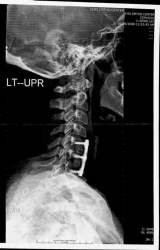
Many people turn to pain medication, mouth guards, or dental work. While these can help manage symptoms, they frequently overlook a critical connection: the relationship between the jaw, upper neck, and spine. Poor posture from desk work, long commutes on I-880, stress, and even past car accidents can misalign the upper cervical spine (C1 and C2 vertebrae). This misalignment puts abnormal tension on the muscles and nerves connected to the jaw, worsening or even causing TMJ pain.
Chiropractic care offers a multifaceted approach to alleviating TMJ pain. By considering the interconnectedness of the jaw, neck, and spine, chiropractors can help patients experience holistic healing. It’s not just about relieving the symptoms — it’s about identifying and addressing the root causes of TMJ dysfunction. This attention to detail can significantly enhance the quality of care received.
Chiropractors also focus on lifestyle modifications to complement the physical adjustments. Educating patients about ergonomic practices while working, tips for stress management, and promoting a balanced diet rich in anti-inflammatory foods can lead to improved results. Lifestyle changes can sustain the benefits gained from chiropractic adjustments, leading to better long-term outcomes.
How San Leandro Chiropractic Care Helps Fix TMJ Pain
While traditional methods focus on treating the jaw itself, chiropractic care delves deeper into the interconnectedness of the body. For instance, stress-related bruxism, where individuals grind their teeth, often exacerbates TMJ symptoms. Chiropractors address these underlying factors, promoting relaxation techniques and lifestyle changes that can alleviate tension throughout the body.
Moreover, incorporating mindfulness practices, such as meditation or yoga, can help patients manage the stress that often contributes to TMJ symptoms. Stress management is a critical component of a holistic treatment approach.
Ultimately, the goal of chiropractic treatment is to empower patients with knowledge and strategies to manage their condition independently. This includes teaching relaxation techniques and stress management skills that can be incorporated into daily life.
Many clinics also offer workshops that educate patients on the mechanics of TMJ disorders, helping them to understand their condition better and engage more actively in their treatment plans.
Patient success stories highlight the importance of individualized care. For instance, a patient with a history of TMJ pain attributed their significant improvement to a tailored chiropractic plan that addressed both structural and lifestyle factors.
Chiropractors may also provide tailored exercises designed to strengthen the jaw and neck muscles. These exercises can help improve range of motion and reduce the likelihood of future TMJ flare-ups.
If you are considering chiropractic care for TMJ pain, it’s crucial to find a practitioner who understands your unique needs and has a track record of successfully treating similar cases.
Chiropractors trained in TMJ and upper cervical care take a holistic, whole-body approach. Here’s how they help:
- Upper Cervical Adjustments
Gentle, precise corrections to the top two vertebrae of the neck restore proper alignment. This reduces nerve irritation and muscle tension that radiates to the jaw. - Jaw (TMJ) Mobilization
Specific manual techniques relax tight jaw muscles and improve joint motion without forceful cracking. - Posture Correction
San Leandro chiropractors address forward head posture and spinal imbalances that contribute to TMJ stress. - Muscle Balance & Trigger Point Therapy
Soft tissue work releases tight masseter, pterygoid, and neck muscles commonly involved in TMJ pain. - Holistic Lifestyle Guidance
Recommendations on nutrition (to reduce inflammation), stress management, ergonomics, and at-home exercises complement the adjustments for longer-lasting relief.
Patient testimonials emphasize the importance of chiropractic care for TMJ treatment. Many individuals have reported transformative experiences where not only did their TMJ pain diminish, but their overall health improved. The personal stories highlight the effectiveness of combining chiropractic adjustments with a commitment to lifestyle changes, reinforcing the idea that healing is a journey.
The holistic approach taken by chiropractors extends beyond physical adjustments. They often integrate therapeutic exercises into their treatment plans, helping to strengthen the jaw and surrounding muscles. Patients are encouraged to perform gentle stretching and strengthening routines at home, which can significantly enhance treatment outcomes.
Many people may not realize that stress-related habits, such as teeth grinding or jaw clenching, can significantly contribute to TMJ pain. These behaviors often occur unconsciously, especially during periods of high stress. Mindfulness and relaxation techniques, such as meditation or yoga, can be effective in reducing these harmful habits and alleviating symptoms.
Additionally, patient education plays a critical role in the chiropractic approach to TMJ dysfunction. Understanding how to perform simple at-home exercises can empower patients to take charge of their health. Exercises aimed at strengthening jaw muscles and improving flexibility can be easily incorporated into daily routines, enhancing the benefits of professional treatment.
As part of your visit, your chiropractor can also suggest lifestyle modifications that can complement your treatment. For instance, dietary changes can impact inflammation levels in the body, which may play a role in TMJ symptoms. Eating a diet rich in omega-3 fatty acids, antioxidants, and anti-inflammatory foods can help.
Many successful treatment plans also include recommendations for sleep hygiene. Quality sleep is essential for recovery and can influence pain perceptions in the body. Chiropractors may suggest strategies for improving sleep posture and creating a sleep-conducive environment.
Physical therapy can also complement chiropractic care by enhancing mobility and strength in the jaw area. Patients may benefit from guided exercises that target jaw function and help to stretch tight muscles. When combined with chiropractic adjustments, this multi-faceted approach can yield significant improvements in TMJ symptoms.
In conclusion, if you’re experiencing TMJ pain, seeking care from a qualified chiropractor can make a significant difference. They’ll not only address the pain but also work with you to create a comprehensive plan for long-term health and wellness. Don’t hesitate to take that first step toward relief—your jaw and overall health will thank you!
Many patients notice significant improvement in jaw function, reduced headaches, and better sleep within just a few visits.
Benefits of Chiropractic TMJ Treatment
- Natural pain relief without medication
- Improved jaw mobility and reduced clicking/popping
- Fewer tension headaches and migraines
- Better posture and overall spinal health
- Long-term prevention of recurring issues
What to Expect at Your First Visit in San Leandro?
A quality San Leandro chiropractor will perform a thorough evaluation, including posture analysis, range-of-motion testing, and palpation of the jaw and neck. Many clinics offer gentle, low-force techniques suitable for adults and even teens experiencing TMJ symptoms from sports or screen time. Patient Success Story Example:
“After struggling with jaw pain for over a year, I finally found relief with chiropractic care in San Leandro. My headaches are gone and I can eat normally again!” — Local San Leandro resident
Research has shown that chiropractic care can lead to long-term changes in muscle tone and joint function, resulting in sustained relief from TMJ pain. By focusing on the neurophysiological aspects of pain, chiropractors can help patients develop better coping mechanisms for stress and tension, reducing the likelihood of flare-ups.
Moreover, chiropractors often recommend mindfulness practices such as meditation or yoga to manage stress effectively. These practices can help ease muscle tension and promote relaxation, which are crucial for those dealing with TMJ pain. Integrating these techniques into your daily routine can lead to a more holistic approach to pain management.
Ultimately, the decision to explore chiropractic care for TMJ pain should be informed by an understanding of the comprehensive benefits it offers. Beyond immediate pain relief, patients can expect improved functionality, reduced discomfort, and better overall health. Investing in chiropractic care is an investment in long-term wellness and a more fulfilling life.
With numerous natural TMJ pain relief options available in San Leandro, it’s vital to take the first step towards a pain-free life. Many patients find that they can significantly reduce their discomfort through consistent chiropractic treatment combined with lifestyle adjustments.
Is Chiropractic Right for Your TMJ Pain?
To further support your journey to relief, consider engaging with community resources such as support groups or online forums where individuals share their experiences and tips on managing TMJ pain. Building a supportive network can be beneficial in maintaining motivation and finding new ways to cope.
If you’re tired of masking symptoms and want a natural solution, a consultation with a TMJ-experienced chiropractor could be the answer. Early intervention often leads to faster, more complete recovery. Ready to Find Lasting TMJ Relief in San Leandro? Don’t let jaw pain control your life. Whether you live near the San Leandro Marina, Westgate, or downtown, expert chiropractic care is close by.
Book a TMJ Consultation with a San Leandro Chiropractor Today
Limited new patient spots available — schedule your evaluation and take the first step toward pain-free living. Don’t hesitate to reach out and discover how chiropractic care can transform your experience with TMJ pain. Contact us today to learn more about our comprehensive treatment options and how we can support your journey to recovery.
It’s important to engage in open discussions with your chiropractor about any specific symptoms you’re experiencing. Every patient’s journey is unique, and personalized care plans can greatly enhance the effectiveness of treatment. Comprehensive evaluations that consider lifestyle, work, and personal stressors are essential for tailoring an effective treatment strategy.
In your consultation, be prepared to discuss triggers that may aggravate your TMJ symptoms. Keeping a symptom diary can be beneficial for tracking patterns and identifying potential connections between your daily activities and jaw pain. This information can empower both you and your chiropractor to make informed decisions regarding your treatment plan.
During your first visit, don’t hesitate to discuss all your symptoms, including any emotional stressors that may contribute to your condition. Chiropractors are equipped to provide a supportive environment where you can express your concerns and receive a tailored treatment plan that addresses your specific needs.
For those who prefer a visual learning approach, there are numerous online resources available, including video demonstrations of TMJ exercises and techniques. Engaging with these materials can enhance your understanding of the condition and empower you to take an active role in your recovery.
Chiropractic care also emphasizes the importance of self-care practices. Patients may receive guidance on mindfulness techniques, breathing exercises, and even dietary changes that can help reduce inflammation, further supporting their treatment journey.
Educational Resources for TMJ Pain Management
To further assist our patients, we provide access to a variety of resources, including articles, videos, and workshops focused on TMJ pain management and prevention strategies. Understanding your condition is a vital step towards effective treatment, and we aim to empower you with knowledge.