Top Chiropractor in San Leandro, CA

San Leandro Chiropractor

  • blog
  • About Our Practice
    • YELP REVIEWS
  • What is Chiropractic?
  • SERVICES
    • Personal Injury
    • Cold Laser Therapy
    • Massage
    • Ultrasound
    • Electric Stimulation
    • Sports Injury
    • Workers Compensation
    • HS Sports Physical Examination
  • FAQs
  • CONTACT US
  • New Patient Forms
  • Nutrition Store

Powered by Genesis

Injured Knee Pain, Sprained Knee Ligaments and Knee Treatment Options

September 5, 2010 by drburt

knne in jeansKnee pain is one of the most common orthopedic problems encountered and its rehabilitation depends on the history of its injury. The knee pain can either be chronic or caused by a sudden injury. Runners usually experience pain due to sprain after they run or jog. If it’s a sharp and sudden pain, this could be caused by a torn ligament and this needs an immediate medical response. Other times though, the injury is caused by strain and the treatment for this can start right at home. For strained knee, resting is the first step to take the strain off. Then, apply ice on the area for short intervals at a time, 15 minutes on and 45 minutes off for every waking hour. Do not apply ice for longer then 15 minutes as it could damage your skin and create a reverse effect. After icing the affected area, wrap it with a bandage for compression. Then, elevate the injured area as you rest it. These 4 steps are called the RICE or Rest, Ice, Compression & Elevation method. If following the RICE method does not work, you must see a medical professional for proper knee rehabilitation.

If the knee injury is not caused by strain, it can be caused by rheumatoid arthritis, osteoarthritis, or an injured ligament. If ever you notice stiffness after running, you may need to speak to a medical professional for a proper diagnosis. He will then perform physical examination and perhaps an x-ray or an MRI to see what’s really causing the problem.

If the pain is caused by an injured ligament, you will be prescribed to take proper rest and wearing of a brace. The knee brace is useful as it helps in preventing further injury to the knee which could definitely worsen the problem. The brace would be providing you with support that can reduce your discomfort while doing activities such as walking or while exercising for its rehabilitation. Brace is also used by professional athletes even when there’s no injury as this will prevent them from having the injury in the first place.

Osteoarthritis is unfortunately incurable. Anyone can suffer from this and it is similar to arthritis but affects the knee’s cartilage which then weakens the articulate surface. Treatment for this condition ranges from taking anti-inflammatory drugs to wearing of a knee brace and even surgery. Of course the severity of the condition is greatly considered before going to the last resort which is surgery.

Rheumatoid arthritis is not like the other forms of arthritis. This is caused by a disease in the auto immune system as the body attacks itself. Just like osteoarthritis, anyone can suffer from this, even children. It can be a hereditary disease and kids suffering from knee stiffness after running should consult a doctor. Treatments for this condition are with the use of a support and/or taking of medication.

At my clinic I use PT modalities (Electric Stimulation and Moist Heat combination, Ultrasound, Erchonia PL 5000 Cold Laser, Elastic Wrap, CMT (Certified Massage Therapy) and Manual Chiropractic Adjustment when applicable). Electric Stimulation helps to bring the pain level down in the first couple of week of the therapy and heat brings more blood to the injured area as well as allows it to be more relaxed for the next step. Next modalities are Ultrasound or Erchonia PL5000 Cold Laser. I alternate them with every other session. Next patient sees my CMT for 15 minutes only if there is mucle strain around injured knee. My massage therapist breaks the scar tissue down and moves injured knee through its natural Range of Motion. After massage I adjust knee’s patellar if tendonitis is present and wrap the knee with elastic wrap for a better support.

If you are diagnosed with any of the conditions above, your doctor would go for the most conservative treatment first. This means proper rehabilitation is the first option before they consider surgery. It is a last resort and cannot even guarantee success all the time.

Below is 3D MEDICAL ANIMATION  – It is one of the best presentatons on Youtube.

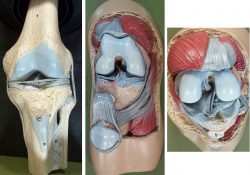
Knee joint is the most complex articulation of the human body. It supports almost the entire body’s weight, while allowing wide flexion and extension movements together with rotation when the knee is in flexion. To accomplish these functional features it has a very complex anatomical structure.

Question: What did you do when you had knee injury?  Was the treatment helpful?
Filed Under: Knee Tagged With: anterior cruciate ligament reconstruction, injured knees, injuries, knee, knee brace, knee injuries, knee pain, knee rehabilitation, knee treatment, knees, ligament, ligaments, massage, medicine, orthopedic surgery, osteoarthritis, pain, running, sprain, sprained knee, strain, surgery, swelling of the knee, treatment options

Chiropractic Rehabilitation and 4 Stages of Soft Tissue Healing

August 20, 2010 by drburt

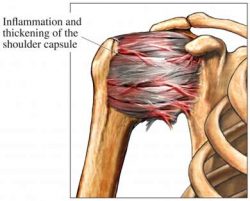
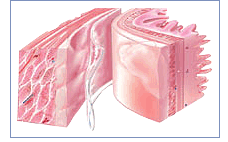
The healing process is divided into four broad stages which are not mutually exclusive and overlap considerably.1ST PICTURE2

1. Initial vascular reaction – Active Swelling

2. Inflammatory response – Passive Congestion

3. Proliferative phase – Repair

4. Remodeling 

Wound healing refers to the body’s replacement of destroyed tissue by living tissue (Walter & Israel 1987). It comprises of two essential components whose differentiation is based on resultant tissue: Regeneration and Repair.

TISSUE INJURY CAUSES RESTRICTION OF MOTION DUE TO: SOFT TISSUE SCAR FORMATION

  1. Inflammation & Swelling
  2. Pain
  3. Muscle Spasm 

THE MAJOR GOALS OF CHIROPRACTIC CARE:

  1. Relieve Pain
  2. Promote Full Healing
  3. Restore & Maintain Full Function
  4. Reduce the Likelihood of Re-Injury
  5. Prevent Accelerated Degeneration 

Chiropractic Care Should Continue Throughout the Repair Stage. It Take Longer For Tissues to Heal & Normal Function to be Restored Than it Takes for Pain Relief. Pain Relief is not the Only Goal.  Chiropractic Helps:

  1. Restore Normal Motion, Function & Biomechanics
  2. Improve Alignment of New Connective Tissue
  3. Prevent Shortening of Scar Tissue & Chronic Stiffness
  4. Restore & Maintain Flexibility of Ligaments & Muscles
  5.  Restore Normal Muscle Tone
  6. Promote Quicker, More Effective Healing
  7. Restore & Maintain Normal Sensation
  8. Reduce the Risk of Re-Injury and Degeneration 

STAGES OF SOFT TISSUE HEALING


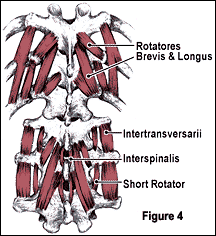
STAGE I: ACTIVE SWELLINGMUSCLE SPASMMUSCLE SPASM.21

  1. Swelling Occurs for 12 to 72 hours
  2. Motion is lost and pain increases 

Goals of Care: Minimize pain and swelling

Care:

  1. Rest & Support of Injured Area
  2. Ice to Block Swelling, Pain, and Spasm 

STAGE II: PASSIVE CONGESTION   

Fluid trapped in tissues restricts motion, causes pain, & delays healing. Begins by second to fourth day

Goals of Care for Passive Congestion:

  1. Remove fluid
  2. Pain Relief
  3. Begin to restore range of motion 

Care:

  1. Chiropractic Adjustments Help
  • restore motion
  • block pain
  • restore normal sensation
  • relax tight muscles
  • remove swelling
  • accelerate healing
  1. Heat and Cold to Remove Fluid
  2. Controlled Motion Exercises
  3. Physical Therapy helps in Some Cases
  4. Acupuncture Can Help With Pain Control 

STAGE III: REPAIR

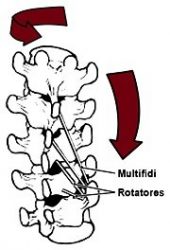
Beginning 5 days after injury, scar tissue is made for up to 6 weeks.  RELAXED MUSCLES OF THE SPINE

Lack of motion causes excess scar tissue in dense patterns disrupting normal function causing:

  1. Excess Scarring
  2. Chronic Stiffness
  3. Limited Range of Motion
  4. Poor Biomechanics
  5. Chronic Pain
  6. Weak Muscles & Ligaments
  7. Loss of Normal Sensation
  8. Poor Nutrition
  9. Increased risk of Re-Injury
  10. Accelerated Degeneration 

If Motion is Restored & Maintained, Tissues Heal in a Much More Functional Way.

Coals of Repair Stage:

  1. Restore Normal Range of Motion
  2. Restore Sensation
  3. Promote Full Healing
  4. Relieve Pain 

STAGE IV: REMODELING 

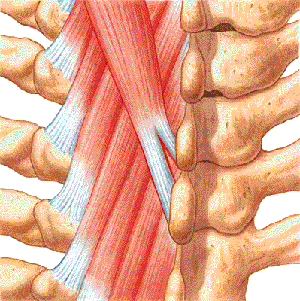
Connective tissue remodels for better strength & flexibility. This often takes 3 to 14 week but may take up to 1 year with severe injury.  SOFT TISSUE HEALING

Chiropractic Helps Achieve these Goals:

  1. Improve & Maintain Motion & Flexibility
  2. Restore & Maintain Function
  3. Reduce Chronic Pain
  4. Reduce Risk of Re-Injury & Degeneration

This Post was based on Dr. Malik Slosberg’s Research.

Filed Under: Auto Accidents, Carpal Tunnel Syndrome - CTS, Chiropractic, Low Back Pain, Neck Pain, Personal Injury, Shoulder, Soft Tissue Injury, Spine Tagged With: alternative medicine, biology, chiropractic, Chiropractic Care, chiropractic rehabilitation, connective tissue, healing, manipulative therapy, medicine, pain, pain relief, physiology, rehabilitation, relieve pain, scar tissue, soft tissue, spinal adjustment, stages, stages of soft tissue healing, tissues, traumatology, wound healing

96 Tips For a Perfect Posture

August 5, 2010 by drburt

COLLUMNThe spine, same as our feet, gets the hardest job in our body as it is used in practically every movement we make and it takes pressure from other body parts such as from the neck, shoulders, head and our arms. As we walk, stand, sit, carry a heavy object or dance, our spine takes the pressure to keep our body erect but at the same time it also has to have the flexibility to make other kinds of movements while keeping our balance.

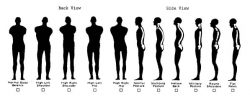
One of the following can be noticed when one has a bad posture: high shoulder, a forward stooping head, a rotated trunk (torso), a hunch back, a high hip, and a side-bent neck and one of the feet will be externally or internally rotated.  Abnormal  posture can result from trauma (like a car accident or fall), repetitive movements (turning your neck towards the monitor), and certain bad postural habits  (sleeping on your stomach).

The human body is often in a state of strain which causes a loss of proper balance between parts of the body and gravity. Such imbalance of posture distortion usually indicates internal body changes before  any  body functions appear disturbed.

All parts of the body are situated so this so this that they can interact efficiently with one another as well as with gravity. The body is able to repair itself and adjust to the many forces to which it is subjected, both internally and externally. This relationship produces a feeling of youth, energy and vitality.

By having correct posture, we are keeping our spinal vertebrae from being misaligned or subluxated.  Our spine is not only reliant on the strength of our back muscles but it also relies on its two arches (lumbar and cervical lordosis) which is why correct posture is vital. If we have poor posture, these natural arches would disappear and there’s going to be nothing left  that can absorb shock in our back. Once this happens, a person will experience pain in the neck and lower back. This paves the way for vertebral osteoarthritis, herniated disc and excessive pressure on the peripheral nerve. Osteoarthritis and herniated disc caused by uneven weight distribution on the vertebral bodies of the spine. Poor posture can lead to difficulty breathing by interfering with proper ribcage expansion, muscle soreness along the back of your neck, shoulders and upper back, as well as lower back pain.

When you already have poor posture, you can start practicing the correct posture by keeping yourself aware of the correct positions to maintain a good posture. There is a correct sitting position where you sit while keeping your back straight and your buttocks should be touching the back of the chair. When you want to lift a heavy object, you have to maintain your back straight and bend your knees & hips to lift the object up. You can start doing your research as to the correct positions to maintain a healthy spine. Also, muscle strengthening exercise is a must for a spine, for a better support of the spine.  Improper posture weakens muscles of the spine because they are not being used. By providing musculature the strength it needs, one can achieve a better maintenance of a good posture.

Also remember that this is not going to be a quick solution as it will take time especially with muscle strengthening. You may want to correct your posture now but won’t take it to heart and practice it daily then you won’t see real results. There should be a lifestyle change so that your body will get used to the correct posture that eventually you don’t even have to think about it.

You are probably wondering by now where  is the part about 96 tips for a perfect Posture. Below are the 5 links that  brings up total to 96 tips. Without further ado:

  1. 10 Tips for improving Posture and Ergonomics, by Dr. Kelly Andrews, D.C.
  2. 13 Tips on Getting a Good Posture, by  Celestine Chua
  3. 20 Tips from Yoga to Go, by Nancy Wile, Ed. D
  4. 32 Tips on how to Improve your Posture, by Savialeigh, Ben Rubenstein, Krystle C and many others
  5. 21 Tips on How to Maintain Good Posture, by ACA

To help you out, try finding ways to get yourself reminded of keeping a good posture. Perhaps you can put post-it notes on places that you would see on a regular basis. Like on your computer, put a small post-it note that says “stop slouching” or other reminders. You can also use an alarm that is set every 30 minutes or so to keep yourself aware and maintain a good posture.  I phone or any other smart phone has a build in calendar that can be set up as whatever time frequency you desire. I think it is one of the best ways to remind yourself about good posture habits. No one ever leaves a house without a cell phone in our days. These are simple solutions that really work as you exert an effort to inculcate the correct posture into your lifestyle.

POSTURE BLOG2

Question: Have You Checked Your Posture Lately?  Do You Have Any Tips on How to Keep a Good Posture?

Filed Under: Posture, Spine Tagged With: anatomy, back posture, bad posture, body, correct posture, exercise, for a, health, human behavior, human body, improve posture, neck pain, necked, neutral spine, pain, perfect posture, poor posture, posture, posture and occupational health, posture brace, prevention, shoulder, sitting, spinal cord, spine, tips

11 Symptoms as a Sign of Warning That Your Spine is in Trouble

August 3, 2010 by drburt

spine
Three-Way Piece Vertebrae

Spine and 11 Symptoms as a Sign of Warning That it is in Trouble

There’s no other health care profession other than Chiropractic that can detect as well as treat the condition that is called as the Vertebral Subluxation Complex (VSC). In chiropractic, this is what is found to be the contributor for the spinal and other spine-related disorders.

In order to understand the VSC, it’s best to know what vertebral subluxation means. When a vertebra is not in its normal position compared to the vertebrae above or below, it is called a subluxated  vertebrae (misaligned vertebrae). When a vertebrae is misaligned, it produces a mechanical stress to the  surrounding soft tissues: discs, muscles, joints, ligaments and tendons through regular wear and tear. In effect, the patient would experience muscle spasms on the affected area, inflammation, tenderness, pain and even reduced mobility of the spine.  With the effects of the subluxation, nerve functions may also be impaired and once this happens, the communication between the nerves of our body’s organs is compromised and the optimal health as well as our well-being would be affected.

The Vertebral Subluxation Complex has 5 components. These components must all be eliminated in order for a complete and proper healing to take place.  The 5 components of the  VSC are:

  1. Kinesiopathology – which is the loss of the motion and positioning of the vertebra compared to the vertebrae alongside it.
  2.  Myopathology – which refers to muscle atrophy or spasm
  3.  Neuropathology – is the irritation or compression of the nerve tissue
  4.  Histopathology – is the localized inflammation or swelling.
  5. Pathophysiology – It is the pathophysiological change experienced after the first four components already took place.

During the first episode of VSC, the first 4 components take place. You can consider this as similar to having an inflamed tooth. With an inflamed tooth you would notice some swelling on the area of the jaw where the tooth is. Similar type of inflammation one will find on the area where the VSC occurs.  In order to get this treated, you should not rely on pain as an indicator. Even if there is no more pain on the affected area, this does not mean that the vertebral subluxation had already healed and normalized with or without any treatment. Pain is a poor indicator when the healing process is not completed even when the pain has already subsided. The 5th component, the pathology occurs when all the first four components had already occurred and this is the end result of vertebral subluxation complex when it remains untreated.

So, is there a way to avoid vertebral misalignment?  The VS have many causes which we are all exposed to on a daily basis. There are physical causes such as repetitive motions that are affecting our spine, an acute trauma to body, bad posture, bad habits at work where the workstation is not ergonomic.  Aside from the physical causes, there are also the chemical and emotional causes.  Chemical causes include poor diet and nutrition, intake of alcohol or use of drugs, chemicals in the water and the air we breath as well as ingestion of toxins through the foods we eat.  The emotional cause of vertebral subluxation is stress. Emotional stress has an impact on our physical body and health. With emotional stress, we become more prone to diseases and even injury. Sadly, we cannot really prevent vertebral subluxation and the vertebral subluxation complex that goes with it as we are all exposed to its cause every day. If you want to find out which vertebral level is subluxated, an appointment with your local  Doctor of Chiropractic would be a good start. Some of the offices offer FREE consultation and orthopedic and neurological  examination.

One might experience the following symptoms that would confirm you have a vertebral subluxation.

1. posture  imbalance

2. neck pain: sore, stiff or tender

3. back pain: sore, stiff, or tender

4. muscle spasm on the spine- tight or weak spasms

5. headaches

6. hypomobility

7. joint pain

8. stiffness

9. dizziness

10. low energy

11. poor state of health

Often times a person might not have any symptoms at all, however, it doesn’t mean one is free from a vertebral subluxation.  Again, as an example, the tooth with cavities won’t hurt unless the cavities reach the sensitive dentin layer. So it doesn’t mean that if you don’t feel any pain or numbness, you don’t have cavities. Regular evaluation of the spine is recommended to check if subluxation is present on the vertebrae.

Your local Doctor of Chiropractic knows how to correct vertebral subluxations through different techniques and procedures. Spinal adjustments are involved to correct the spinal vertebrae that suffer from subluxation. By this adjustment, the subluxated vertebra will eventually reach normal biomechanics on the vertebrae above and below and will help to restore the function of the joint. Corrected joint will maintain a proper posture of your spine.

Question: Have you ever experienced any of the 11 symptoms? What was your course of action in order to stop these symptoms?

Filed Under: Spine Tagged With: affect, alternative medicine, back, bad habits, bad posture, causes, chiropractic, fringe science, manipulative therapy, medicine, muscle spasms, pain, repetitive motion, spinal adjustment, spine, subluxation, symptoms, trouble, vertebrae, vertebral, vertebral column, vertebral subluxation, vitalism

  • « Previous Page
  • 1
  • …
  • 12
  • 13
  • 14
  • 15
  • Next Page »

PLEASE FOLLOW & LIKE B.C.

RSS
Follow by Email
Facebook
Facebook
fb-share-icon
Twitter
Visit Us
Follow Me
Post on X
YouTube
YouTube
LinkedIn
LinkedIn
Share

15200 Hesperian Blvd #104

San Leandro, CA. 94578

(510) 481-2225

drburt@burtchiropractic.com


SEARCH

Categories

Recent Posts

  • Nutrition and Habits That May Support Pineal Gland Health and Reduce Factors Linked to Calcification
  • Fluoride in San Leandro Drinking Water, the Pineal Gland, and Questions About Human Free Will: A Local Holistic Perspective
  • San Leandro Chiropractor: How Expert Care Helps Injured Patients Navigate SDI and EDD Benefits