Top Chiropractor in San Leandro, CA

San Leandro Chiropractor

  • blog
  • About Our Practice
    • YELP REVIEWS
  • What is Chiropractic?
  • SERVICES
    • Personal Injury
    • Cold Laser Therapy
    • Massage
    • Ultrasound
    • Electric Stimulation
    • Sports Injury
    • Workers Compensation
    • HS Sports Physical Examination
  • FAQs
  • CONTACT US
  • New Patient Forms
  • Nutrition Store

Powered by Genesis

San Leandro Chiropractor can help with Different Types of Scoliosis & Their Common Causes

August 29, 2026 by drburt

scoliosis

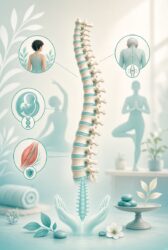
Chiropractors in San Leandro can assist with managing symptoms linked to various forms of scoliosis. Their focus is mainly on pain relief, reduced stiffness, better posture, and improved mobility. It is important to note that they do not usually reverse structural curves or provide a cure.

Chiropractors often work in collaboration with other healthcare professionals, including physical therapists and orthopedic specialists. This multidisciplinary approach ensures that scoliosis patients receive comprehensive care tailored to their specific needs. By coordinating treatment plans, patients can benefit from a range of therapies that address both pain management and physical function improvements.

In addition to conventional treatments, chiropractors may also recommend lifestyle changes that can help manage symptoms. These might include dietary recommendations, exercises tailored to enhancing core strength, and tips for maintaining proper ergonomics at work and home. Such holistic approaches can play a significant role in improving overall well-being for individuals with scoliosis.

Understanding Scoliosis Through Case Studies

For example, a 15-year-old girl with adolescent idiopathic scoliosis may experience back pain and discomfort due to her spinal curvature. After a thorough evaluation, her chiropractor may suggest a combination of spinal adjustments and specific exercises aimed at improving her posture and alleviating pain. Follow-up assessments will help monitor her progress and adjust the treatment plan as needed.

Supporting evidence is strongest for short-term comfort and function, often as part of a wider plan. This plan may involve monitoring, bracing in growing teens, physical therapy, or specialist input when needed.

Another case could involve a middle-aged individual diagnosed with degenerative scoliosis. They might have been experiencing increasing back pain due to age-related changes in spinal structure. A chiropractor might provide tailored treatment involving adjustments and recommendations for strengthening exercises, helping to manage pain and improve mobility.

Main Types of Scoliosis and Their Typical Causes

Scoliosis features a sideways spinal curve, commonly C- or S-shaped, and is generally identified when the angle measures 10 degrees or more.

  • Idiopathic scoliosis accounts for roughly 80% of cases. No exact cause is known, though genetics and family history appear influential. It is further divided by age of onset: infantile (under 3 years), juvenile (around 4–10 years), and adolescent (most common, during growth spurts from about 10–18 years). The condition can continue or worsen in adulthood.
  • Congenital scoliosis is present from birth. It results from vertebrae that form incorrectly or fail to separate properly during fetal development. This type is uncommon and may occur alongside other developmental concerns.
  • Neuromuscular scoliosis develops secondary to disorders affecting the nerves or muscles that stabilize the spine, such as cerebral palsy, muscular dystrophy, spina bifida, or spinal cord injury. Curves in these cases often progress more quickly and can be more complex.
  • Degenerative (adult-onset) scoliosis appears later in life, frequently after age 50. It stems from age-related wear on discs and joints, osteoporosis, or progressive changes, usually in the lower back. Earlier adolescent idiopathic curves can also advance with age.
  • Functional or nonstructural scoliosis produces a temporary or posture-related curve without fixed bony changes. Common triggers include unequal leg lengths, muscle spasms, pelvic misalignment, or related soft-tissue issues. Addressing the underlying factor often improves or resolves the curve.

Less frequent forms may relate to connective-tissue syndromes or prior injury. Signs can include uneven shoulders or hips, a visible spinal curve, back pain (especially in adults or more severe cases), muscle tightness, or breathing difficulties when curves are large.

Benefits of Early Intervention

Early intervention is crucial in managing scoliosis effectively. Children and adolescents who receive prompt treatment may experience better outcomes, including reduced pain and a lower likelihood of progression. Parents are encouraged to monitor their children’s spinal health regularly and seek professional evaluations when necessary.

Incorporating Technology in Chiropractic Care

Advancements in technology have facilitated better diagnostic and treatment methods in chiropractic care. Digital imaging techniques allow for more accurate assessments of spinal curvature, helping chiropractors tailor their approaches more effectively. Additionally, some clinics may utilize biofeedback mechanisms that help patients become more aware of their posture and movement patterns, promoting better self-management of their condition.

Mild cases sometimes cause no noticeable symptoms and are simply watched over time.

Ways Local Chiropractic Care May Support Patients

Conclusion: The Role of Chiropractors in Scoliosis Management

Chiropractors in San Leandro offer valuable support for individuals suffering from scoliosis. By focusing on pain management, enhancing mobility, and promoting overall wellness, they can help patients navigate the challenges of living with this condition. Collaboration with other healthcare professionals ensures a well-rounded approach, ultimately leading to improved quality of life.

Practitioners in the San Leandro area typically emphasize gentle, non-invasive methods aimed at symptom ease and everyday function rather than structural correction.

Common approaches include spinal adjustments to enhance mobility and lessen joint stress, soft-tissue techniques for muscle tension, core-strengthening and postural exercises, and guidance on daily habits.

Progress is monitored, and patients are referred onward when bracing, further imaging, or other interventions become appropriate—particularly for adolescents with progressing curves or for congenital and neuromuscular cases.

Research indicates that while chiropractic care can help with pain and movement, high-quality evidence for lasting reduction of structural curvature remains limited. Results vary, and any care plan works best when coordinated with a physician or scoliosis specialist.

Early detection supports better monitoring and conservative options. A local evaluation can determine suitability based on the specific type and severity of the curve.

Filed Under: Chiropractic, Spine Tagged With: alternative medicine, chiropractic, san leandro chiropractor, scoliosis

San Leandro Chiropractor, Pinched nerve or radiating arm/leg pain

August 27, 2026 by drburt

pinched nerve pain

Pinched nerves and radiating pain in the arms or legs can make everyday activities such as sitting at a desk, walking, driving, or even sleeping extremely difficult. Sharp, shooting pain, numbness, tingling, or weakness that travels from the neck into the arm or from the lower back into the leg is a common reason people seek help from a San Leandro chiropractor. Chiropractic care offers a drug free, non surgical approach focused on restoring proper spinal alignment, reducing nerve compression, and supporting the body’s natural ability to heal.

What Is a Pinched Nerve? A pinched nerve (also called nerve compression or radiculopathy) happens when bones, discs, muscles, or other tissues place excessive pressure on a nerve root. This pressure interferes with normal nerve signaling and often causes symptoms that radiate away from the spine. Common causes of pinched nerves include:

Understanding Pinched Nerve Conditions

  • Herniated or bulging discs
  • Bone spurs (osteophytes)
  • Spinal stenosis
  • Poor posture and prolonged sitting
  • Degenerative disc disease or arthritis
  • Repetitive strain or workplace injuries
  • Auto accidents and sports injuries

When the problem originates in the cervical spine (neck), patients typically experience radiating arm pain, shoulder pain, hand numbness, or reduced grip strength. When it starts in the lumbar spine (lower back), symptoms often travel into the buttock, thigh, calf, or foot commonly known as sciatica. Symptoms of Radiating Arm or Leg Pain. Recognizing these signs early can help you get faster relief:

  • Sharp, burning, or electric-shock pain that shoots down the arm or leg
  • Numbness, tingling, or “pins and needles” sensations
  • Muscle weakness or difficulty gripping objects
  • Pain that intensifies with coughing, sneezing, sitting, or certain neck/back movements
  • Reduced range of motion in the neck or lower back
  • Symptoms that worsen at night or after long periods of inactivity

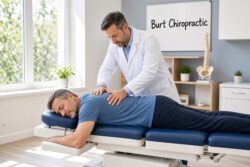
If you live in San Leandro or the surrounding East Bay area and are experiencing these symptoms, an evaluation by a qualified chiropractor is a smart next step. How a San Leandro Chiropractor Treats Pinched Nerves. Chiropractors are trained to locate the source of nerve interference and use precise, hands-on techniques to reduce pressure on the affected nerve. Typical treatment approaches include:

  • Spinal adjustments – Gentle, controlled corrections restore proper joint motion and can relieve pressure on spinal nerves and discs.
  • Soft tissue therapy – Targeted work on tight muscles and connective tissue improves circulation and reduces secondary muscle guarding.
  • Therapeutic exercises and stretches – Customized movements strengthen supporting muscles and improve flexibility.
  • Posture and ergonomic coaching – Practical advice for desk work, driving, and daily activities helps prevent re-irritation.
  • Lifestyle recommendations – Guidance on sleep position, activity modification, and stress management supports long-term results.

Most treatment plans are highly individualized. Care is based on a thorough history, orthopedic and neurological testing, and, when needed, imaging studies.Many patients report decreased pain intensity, improved mobility, better sleep, and reduced need for pain medication after consistent chiropractic care.When Should You See a Chiropractor in San Leandro?Schedule an appointment if:

  • Radiating arm or leg pain has lasted more than a few days
  • Symptoms are interfering with work, exercise, or sleep
  • You notice progressive weakness or sensory changes
  • Home remedies (rest, ice, heat, gentle movement) are not providing lasting relief

Chiropractic care is considered safe and effective for many cases of pinched nerves and radiculopathy. However, sudden loss of bowel or bladder control, severe progressive weakness, or symptoms following significant trauma require immediate medical attention. What to Expect at Your First Visit. Your initial appointment typically includes:

  1. Detailed discussion of your symptoms and health history
  2. Comprehensive physical and neurological examination
  3. Review of any existing imaging (X-rays or MRI)
  4. Clear explanation of findings and a recommended care plan

Most patients begin feeling noticeable improvement within a series of visits, although results depend on the severity, duration, and underlying cause of the nerve compression.Take Action TodayLiving with a pinched nerve or constant radiating arm/leg pain does not have to be your normal. A skilled San Leandro chiropractor can help identify the root cause and create a targeted plan to reduce nerve pressure, restore function, and get you back to the activities you enjoy.If you’re searching for natural relief from pinched nerve pain, sciatica, or radiating arm pain in San Leandro, contact a local chiropractic office to schedule a consultation. Early care often leads to faster recovery and better long-term outcomes.

Filed Under: Low Back Pain, Neck Pain, Posture Tagged With: alternative medicine, chiropractic, manipulative therapy, pain, san leandro chiropractor, spinal adjustment

Herniated vs. Bulging Disc: Understanding Your Diagnosis and Treatment Options in San Leandro

August 25, 2026 by drburt

herniated vs duldging disc

If you’re dealing with back or neck pain in San Leandro or the East Bay, you’ve probably heard terms like “bulging disc” and “herniated disc.” These conditions are common, and understanding the difference can help you make better decisions about care—and avoid unnecessary worry or invasive treatments. At San Leandro Chiropractic, we regularly help local patients navigate these diagnoses with conservative, effective care focused on reducing pain, improving function, and supporting natural recovery.

What’s the Difference Between a Bulging Disc and a Herniated Disc?

Spinal discs act as cushions between your vertebrae. Each has a tough outer layer (annulus fibrosus) and a soft, gel-like center (nucleus pulposus).

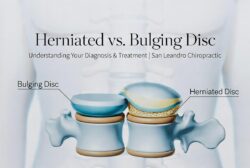
  • Bulging disc: The outer layer remains intact, but the disc pushes outward, often evenly around a portion of its circumference (sometimes 25–50% of the disc). Think of a hamburger that’s been slightly squished—the filling stays contained, but the overall shape expands. Bulging discs are frequently age-related and can appear on imaging even in people with no pain.
  • Herniated disc (also called a slipped, ruptured, or prolapsed disc): The outer layer tears or cracks, allowing some of the inner gel material to push through. This is more localized and more likely to irritate or compress nearby nerves.

Both fall on a spectrum of disc degeneration and can occur in the lower back (lumbar) or neck (cervical). A “slipped disc” is informal language that usually refers to a herniation.Quick Comparison

FeatureBulging DiscHerniated Disc
Outer layerIntactTorn or cracked
Disc materialContained, broad outward pushInner gel may leak out
Nerve compressionLess commonMore likely
Typical symptomsMild to moderate localized ache/stiffnessOften sharper, radiating pain, numbness, or weakness
Common triggerGradual wear and tearInjury, lifting, or advanced degeneration

Symptoms: What You Might Feel

Bulging disc symptoms (when present) often include:

  • Dull, aching pain or stiffness in the back or neck
  • Discomfort that worsens with prolonged sitting or standing
  • Mild symptoms that may improve with movement

Herniated disc symptoms tend to be more intense and nerve-related:

  • Sharp, shooting, or burning pain that radiates into the arms (cervical) or legs (lumbar—often called sciatica)
  • Numbness, tingling, or “pins and needles”
  • Muscle weakness in the affected limb
  • Pain that increases with coughing, sneezing, or certain movements

Many people have disc changes on MRI with little or no symptoms. The key is correlating imaging findings with your actual pain and function.Red-flag symptoms that need prompt medical attention: progressive weakness, loss of bladder or bowel control, saddle anesthesia, or severe unrelenting pain. These are uncommon but serious.

What Causes These Disc Problems?

Common factors include:

  • Age-related disc dehydration and degeneration
  • Repetitive strain, poor posture, or prolonged sitting (common for desk workers and Bay Area commuters)
  • Improper lifting or sudden twisting movements
  • Trauma or injury
  • Excess body weight or weak core musculature

Lifestyle factors in San Leandro and surrounding areas—long hours at a computer, driving, or physical jobs—can contribute to spinal stress over time.

How Are Bulging and Herniated Discs Diagnosed?

Diagnosis starts with a thorough history and physical exam. Your provider will assess range of motion, strength, reflexes, and nerve function. Imaging (typically MRI) confirms the disc status and rules out other issues when symptoms warrant it. X-rays may show alignment or degenerative changes but do not visualize soft discs well. At San Leandro Chiropractic, we take time to evaluate how your symptoms relate to your daily activities and goals before recommending next steps.

Treatment Options: Most People Improve Without Surgery

The good news: The majority of bulging and herniated discs improve with conservative care. Surgery is usually reserved for cases with severe or progressive neurological deficits that don’t respond to non-surgical approaches.Conservative care often includes:

  • Activity modification and short-term relative rest (avoid complete bed rest)
  • Gentle movement, specific exercises, and physical therapy to improve mobility and strength
  • Anti-inflammatory strategies, heat/ice, and posture/ergonomic corrections
  • Chiropractic care, including spinal manipulation or mobilization when appropriate

Research supports spinal manipulative therapy as a reasonable option for many patients with disc-related low back pain and radiculopathy. Studies have shown meaningful improvements in pain and function for both acute and chronic cases, and some data associate chiropractic care with lower odds of progressing to discectomy in certain patient groups. Care is typically multimodal—combining adjustments with soft-tissue work, exercise guidance, and lifestyle advice.

How San Leandro Chiropractic Can Help


We provide personalized chiropractic care for patients in San Leandro and the East Bay dealing with disc-related pain. Our approach focuses on restoring joint motion, reducing nerve irritation, improving spinal function, and empowering you with practical strategies for recovery and prevention. Many patients experience reduced pain and better mobility through conservative management tailored to their specific diagnosis and lifestyle. Treatment plans are individualized. Not every disc issue is treated the same way, and we coordinate or refer when other interventions (such as injections or specialist evaluation) may be beneficial.

What to Expect and Recovery Timeline

Recovery varies. Milder bulging discs or smaller herniations may improve in weeks with consistent care. More symptomatic herniations can take longer—often several weeks to a few months of progressive improvement. Consistency with recommended exercises and posture habits matters.Prevention tips for San Leandro residents:

  • Maintain good workstation ergonomics
  • Strengthen your core and practice proper lifting
  • Stay active with walking and mobility work
  • Address minor back or neck discomfort early

Frequently Asked Questions

Can a bulging disc become a herniated disc?
Yes, ongoing stress or progression of degeneration can lead from bulge to herniation in some cases. Do I always need an MRI?
Not always. Clinical findings often guide care, and imaging is used when it will change management. Is chiropractic safe for disc herniations?
When performed by a trained professional after proper evaluation, spinal manipulation is generally considered safe for appropriately selected patients. We screen carefully and adapt techniques as needed. Will I need surgery?
Most people do not. Conservative care is the first-line approach for the vast majority of cases.

Take the Next Step Toward Relief

Living with disc-related pain doesn’t have to mean putting life in San Leandro on hold. Understanding whether you have a bulging or herniated disc is the first step getting the right care is the second. If you’re experiencing back pain, neck pain, sciatica, or related symptoms, contact San Leandro Chiropractic today to schedule an evaluation. We’re located at 15200 Hesperian Blvd., Ste. 104, San Leandro, CA 94578. Call (510) 481-2225 to book your appointment and start your path toward feeling better. Early, informed care often leads to better outcomes. We’re here to help local patients move with less pain and more confidence.

Filed Under: Chiropractic, Low Back Pain, Neck Pain Tagged With: alternative medicine, back pain, buldging disc, chiropractic, herniated disc, manipulative therapy, pain, san leandro chiropractor, spinal adjustment

Holistic Wellness and Preventive Chiropractic: A Family-Friendly Guide for Busy San Leandro Parents

August 19, 2026 by drburt

SAN LEANDRO FAMILIES

Your spine is the central highway of your nervous system. Daily stress from desk work, heavy backpacks, phone use, and poor posture can create misalignments (subluxations) that lead to headaches, fatigue, stiffness, and eventually chronic issues. For kids and teens, this is especially important during growth spurts and with increasing screen time.Preventive chiropractic focuses on maintaining proper alignment before pain becomes a problem—much like regular dental cleanings prevent cavities. Families who incorporate it report better sleep, improved focus, fewer sick days, and more energy for weekend hikes at Lake Chabot or bike rides along the San Leandro shoreline.

1. Nutrition: Fuel That Supports a Healthy Spine

What you eat directly affects inflammation, bone density, and muscle support around your spine.

  • Anti-inflammatory foods: Include fatty fish (salmon), berries, leafy greens, turmeric, and olive oil. These help reduce everyday wear-and-tear on joints.
  • Bone and muscle builders: Calcium-rich options like yogurt, almonds, and dark greens pair well with magnesium sources (avocado, bananas, pumpkin seeds) for better absorption.
  • Hydration hack: Dehydration makes spinal discs less cushioned. Aim for half your body weight in ounces of water daily—keep a family water bottle challenge going!

San Leandro tip: Shop the San Leandro Farmers Market for fresh, local produce to make healthy eating convenient and affordable for the whole family.

2. Movement: Daily Motion That Protects Your Back

Sitting too much is as harmful as overexertion. Incorporate spine-friendly movement:

  • Morning mobility: 5–10 minutes of gentle stretches or yoga poses like cat-cow, child’s pose, and spinal twists.
  • Posture resets: Set a timer for every 30–45 minutes at work or during homework sessions—stand, walk, and do shoulder rolls.
  • Family activities: Take advantage of local spots like the San Leandro Recreation Center classes, trails at Roberts Regional Park, or family bike outings. Swimming at the San Leandro Aquatic Center is excellent low-impact exercise for all ages.
  • Strength basics: Core exercises (planks, bird-dogs) stabilize the spine and prevent injuries from carrying groceries or lifting kids.

Consistency beats intensity. Even short daily walks after dinner can dramatically improve spinal health.

3. Stress Reduction: The Missing Piece in Pain Prevention

Chronic stress tightens muscles and alters posture (hello, “tech neck”). Holistic wellness means calming the nervous system:

  • Breathing and mindfulness: Try 2-minute box breathing together as a family before bed.
  • Sleep hygiene: Consistent bedtimes support spinal recovery. Aim for dark, cool rooms and limit screens.
  • Digital boundaries: Encourage “device-free” hours to reduce forward-head posture common in kids and parents alike.
  • Community connection: Join local San Leandro family events or wellness workshops to build support and reduce isolation stress.

When stress is managed, chiropractic adjustments hold better and deliver longer-lasting benefits.

4. Regular Chiropractic Adjustments: Your Preventive Maintenance

Think of chiropractic care as regular tune-ups for your family’s bodies. Gentle, specific adjustments restore proper spinal motion, improve nervous system function, and help prevent future problems.For families in San Leandro:

  • Kids and teens benefit from check-ups during growth phases and sports seasons.
  • Parents find relief from desk-related tension and parenting physical demands.
  • Seniors in the family can maintain mobility and balance.

Many families schedule monthly wellness visits—quick, affordable, and highly effective for prevention rather than waiting for pain to escalate.

Creating Your Family’s Holistic Wellness Routine

Start small for sustainable change:

  1. Weekly family movement activity
  2. One new nutritious recipe each week
  3. Monthly chiropractic wellness visits
  4. Daily posture and stress awareness

Over time, these habits compound into fewer doctor visits, better moods, and more quality family time exploring the best of San Leandro.Ready to Invest in Your Family’s Pain-Free Future?Holistic wellness isn’t about perfection—it’s about consistent, caring choices that support your busy lifestyle. Preventive chiropractic care tailored for families offers a natural foundation for health that grows with your children.If you’re in San Leandro or nearby, consider booking a family consultation with a local chiropractor who understands the unique needs of East Bay families. Your spine (and your schedule) will thank you.

Filed Under: Chiropractic, Nutriton, Opinion, Spine Tagged With: alternative medicine, chiropractic, Chiropractic Care, health, nutrition, san leandro chiropractor

  • 1
  • 2
  • 3
  • …
  • 12
  • Next Page »

PLEASE FOLLOW & LIKE B.C.

RSS
Follow by Email
Facebook
Facebook
fb-share-icon
Twitter
Visit Us
Follow Me
Post on X
YouTube
YouTube
LinkedIn
LinkedIn
Share

15200 Hesperian Blvd #104

San Leandro, CA. 94578

(510) 481-2225

drburt@burtchiropractic.com


SEARCH

Categories

Recent Posts

  • San Leandro Chiropractor for Auto Accident & T-Bone Collision Rehabilitation
  • The Hidden Danger of Whiplash: Why Minor San Leandro Intersections Lead to Major Pain
  • How to Sleep with Lower Back or Neck Pain: Practical Advice from a San Leandro Chiropractic Office