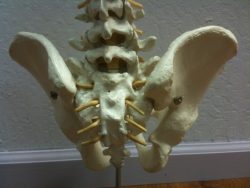
Top Chiropractor in San Leandro, CA

San Leandro Chiropractor

  • blog
  • About Our Practice
  • What is Chiropractic?
  • SERVICES
    • Personal Injury
    • Cold Laser Therapy
    • Massage
    • Ultrasound
    • Electric Stimulation
    • Sports Injury
    • Workers Compensation
  • FAQs
  • Locations
  • CONTACT US
  • New Patient Forms
  • Nutrition Store
  • Home

Powered by Genesis

San Leandro Chiropractic Care, C3 misalignment and symptoms that patient can experience

May 29, 2026 by drburt

Living in the bustling Bay Area, many San Leandro residents juggle demanding jobs, long commutes, and active lifestyles. This often leads to neck pain, headaches, and mysterious symptoms that seem unrelated. One common but frequently overlooked culprit is a misalignment at the C3 vertebra—the third cervical bone in your neck. At San Leandro Chiropractic, experienced chiropractors help patients address these issues through precise, gentle adjustments that restore alignment and promote natural healing.

What Is the C3 Vertebra and Why Does It Matter? The cervical spine consists of seven vertebrae, labeled C1 through C7. C3 sits in the upper-to-mid cervical region, playing a critical role in supporting the head, facilitating neck movement, and protecting the spinal cord and nerves that branch out to various parts of the body.

A C3 misalignment, also called a subluxation, occurs when the vertebra shifts out of its optimal position. This can result from poor posture (like “tech neck” from prolonged screen time), car accidents, sports injuries, falls, repetitive stress, or even stress-induced muscle tension. When C3 is misaligned, it irritates nearby nerves, muscles, ligaments, and potentially affects blood flow or cerebrospinal fluid dynamics.

Because the cervical spine houses the brainstem and major nerve pathways, even a subtle shift at C3 can trigger a cascade of symptoms throughout the body. Chiropractors in San Leandro use detailed assessments, including posture analysis, range-of-motion tests, and sometimes imaging, to identify these issues accurately.

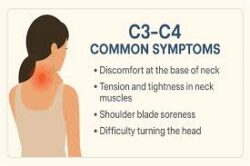
Common Symptoms of C3 Misalignment.

Patients seeking care at local San Leandro chiropractic clinics often report a wide variety of symptoms. These vary in severity depending on the degree of misalignment, individual anatomy, and how long the issue has persisted.

Neck Pain and Stiffness: One of the most immediate signs is localized pain or stiffness in the neck, often worsening with movement or after sitting for long periods. Patients describe a constant ache, sharp pain with certain motions, or a grinding sensation. Reduced range of motion makes turning the head difficult, impacting daily activities like driving or checking blind spots.

Headaches and Migraines: C3 misalignment frequently contributes to tension headaches, occipital headaches (at the base of the skull), or cervicogenic headaches that radiate to the temples, eyes, or forehead. Pressure on nerves and altered blood flow or muscle tension in the upper neck can trigger or exacerbate migraines. Many patients notice headaches that worsen throughout the day or after poor sleep.

Shoulder, Arm, and Upper Back Pain: Nerve irritation at C3 can refer pain to the shoulders, upper back, or down the arms. Patients report aching, burning, or shooting pain. This is often accompanied by muscle spasms in the trapezius or levator scapulae muscles.

Numbness, Tingling, and Weakness: “Pins and needles” sensations (paresthesia) in the shoulders, arms, hands, or even the face are common. Some experience muscle weakness, making it hard to grip objects or lift the arms. These neurological symptoms arise because the misalignment compresses or irritates nerve roots exiting the spinal column.

Dizziness, Balance Issues, and Vertigo: The upper cervical spine plays a key role in proprioception (your body’s sense of position) and coordination with the vestibular system. A C3 issue can lead to dizziness, lightheadedness, unsteadiness, or true vertigo. Patients might feel “off-balance” or as if the room is spinning, especially when changing positions.

Other Systemic Symptoms: Because of proximity to the brainstem and major nerves, C3 misalignment can contribute to:

  • Fatigue and brain fog
  • Sleep disturbances or insomnia
  • Jaw pain (TMJ issues)
  • Ear fullness, tinnitus, or sinus-like pressure
  • In more significant cases, breathing difficulties or referred symptoms lower in the body (though severe spinal cord compression requires immediate medical attention).

Less commonly discussed but reported symptoms include skin issues like acne or eczema in some holistic views of nerve interference, neuralgia (nerve pain), and even digestive or autonomic nervous system disruptions due to overall nervous system stress.

Many patients in San Leandro come in frustrated after seeing multiple specialists, only to find that addressing the root spinal issue brings profound relief. How San Leandro Chiropractic Care Addresses C3 Misalignment. Chiropractic care focuses on correcting the misalignment (subluxation) to remove nerve interference and allow the body to heal itself. San Leandro clinics offer personalized treatment plans tailored to each patient’s needs, lifestyle, and health goals.

Gentle Adjustments: Upper cervical or specific cervical techniques use precise, low-force methods to reposition C3 and surrounding vertebrae. These are often much gentler than traditional manual adjustments and suitable for sensitive patients.

Comprehensive Care: Beyond adjustments, care often includes:

  • Soft tissue therapy to release tight muscles
  • Postural correction exercises and ergonomic advice
  • Strengthening and stretching routines for neck stability
  • Lifestyle recommendations for screen time, sleep posture, and stress management
  • Maintenance care to prevent recurrence

Many patients report noticeable improvement after just a few sessions, with reduced pain, better mobility, clearer thinking, and fewer headaches. Long-term benefits include improved posture, enhanced nervous system function, and better overall wellness.

Who Can Benefit? Almost anyone with neck-related complaints can benefit from evaluation. Office workers with forward head posture, athletes with whiplash-type injuries, seniors experiencing degenerative changes, and even busy parents carrying children are common patients at San Leandro chiropractic offices. Early intervention prevents chronic issues and degeneration.

It’s important to note that while chiropractic is highly effective for many, severe trauma, progressive neurological deficits, or red-flag symptoms (like sudden weakness, bowel/bladder changes) warrant immediate medical evaluation to rule out serious conditions.

Real Patient Outcomes in the Bay Area

Patients often share stories of regaining the ability to enjoy hikes in the East Bay hills, playing with grandchildren without neck pain, or finally sleeping through the night. One common theme: addressing C3 alignment frequently resolves symptoms they didn’t even realize were connected to their neck.

Taking the First Step Toward Relief.

If you’re in San Leandro or nearby and experiencing any of the symptoms described—persistent neck pain, headaches, dizziness, arm tingling, or that vague “off” feeling—consider a consultation with a local chiropractor. Many clinics offer initial exams, posture assessments, and flexible scheduling to fit your busy life.

Chiropractic care emphasizes natural, drug-free, non-invasive solutions that align with the body’s innate healing abilities. By correcting C3 misalignment, you may unlock better health, energy, and comfort for the activities that make life in San Leandro enjoyable. Don’t let misalignment hold you back. Reach out to a trusted San Leandro chiropractic provider today and take control of your spinal health. Your neck—and your whole body—will thank you.

Filed Under: Chiropractic Tagged With: alternative medicine, biology, chiropractic, manipulative therapy, pain

Back Pain and Spinal Motion

January 30, 2014 by drburt

back pain

Back Pain and Spinal Motion

Your spine is an intricate system of muscles, bones, tendons, and ligaments that allow you to move in a very complicated manner by working together. It is therefore remarkable. However, when something is not right, you can experience pain even when there is minimal micro-motion at a certain spinal segment. If you experience pain when you move, it is important for you to understand the things that are happening in your spine because this helps you to explain to your physician in a better manner. Hopefully, you can quickly find an effective treatment when you communicate better to your physician. The following are the most common ways in which motion causes low back pain.

• Twisting motions easily strain large spinal muscles:

The main reason motion causes low back pain is not because of your spinal structure. The ligaments or muscles that surround the spine in your back can tear or overstretch. Inflammation and pain occurs because of this while your body makes an effort to heal by limiting motion.

• Cartilage breakdown can occur because of motion:

Spinal arthritis is very common and people who are more than fifty years old are more likely to suffer from it. The mechanical breakdown of your cartilage that is between your aligning facet joints in your spinal back portion is known as spinal osteoarthritis. Inflammation occurs in the facet joints and more frictional pain occurs when the joints degenerate progressively. There is a decrease in the flexibility and motion of your spine when the back pain progresses.

• Compensation for excessive motion can occur because of the formation of bone spurs:

With osteoarthritis, there is a typical formation of osteophytes, which are also known as small irregular growths on your bone (bone spurs) on your facet joints that occurs in response to the instability of your joints that the degeneration causes.

Bone spurs are not responsible for directly causing pain because they can occur when you age. They may entrap or irritate your nerves that pass through your spinal structures by becoming large enough. Consequently, this may diminish the room for your nerves to pass.

Pain (and perhaps tingling and numbness) into your legs can occur when you walk because of most cases and you can relieve the pain with sitting.

• Pain from micro-motion occurs because of disc degeneration:

Degenerative disc disease is a syndrome in which chronic pain in the lower back occurs because of a painful disc, typically in people who are 30-40 years old. Excessive vertebral level micro-motion occurs because of the aforementioned symptomatic disease and it causes pain.

• Pain can occur because of motion in your lower spine:

There is a lot of motion in your lower back (lumbar spine) as compared to the four major regions that your spine has. This region carries all the torso weight and in effect, it makes it the spinal area that is injured most frequently.
There is a division of the motion in your lower back between five of your vertebral motion segments (all of which have facet joints that are covered by 2 cartilages and a disc). However, the lower segments (L5-S-1, L4-L5, and L3-L4) have a disproportionate amount of this motion.

You can help your doctors in the accurate identification of the specific cause of your pain by giving a better description of your symptoms when you understand better the pain that you experience owing to motion segment disorders. You should therefore use your EHIC to access appropriate and affordable treatment from them.

Author Bio:

Melody Cleo is a passionate blogger from Manchester, UK. In her free time, she writes articles on various topics such as technology, gadgets, travel…etc. As of now she is focusing on European Health Insurance Card, which provides health insurance services for the European people.

Filed Under: Low Back Pain Tagged With: biology, Chiropractic Care, injuries, low back pain, pain, san leandro chiropractor, spinal motion, your health

Soft Tissue Injury and Fibroblast Regeneration

September 9, 2011 by drburt

FIBROBLAST AND SOFT TISSUE REPAIR

Soft Tissue Injury and Fibroblast Regeneration

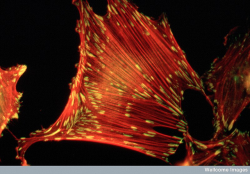
Mechanical friction during deep tissue massage, fascial manipulation or using techniques like Graston will activate the stimulation the fibroblast reproduction after soft tissue injury. These fibroblasts cells are the most common cells of connective tissue, and they synthesize the extracellular  matrix (ECM) and collagen, which is the main framework of our soft tissues. The properties of the connective tissues depends on the composition of ECM – tendons, ligaments and other connective tissues. Elastic and reticular fibers, glycoproteins, glycosaminoglycans, and collagen are all found in ECM and made by fibroblasts.  Collagen is the most important part of ECM and plays very important role in tensile loading. The stimulation of production of the above mentioned components can be achieved by frictioning tissues (in other words by providing cross-fiber massage).

Fibroblast production and degeneration is a normal process in every day mechanical loading such as walking, running, bicycling or any other form of movement. There are four basic types of loads: tension (tensile force-fibroblasts), compression (chondrocytes), fluid shear (vascular endothelial cells) and torsional shear. Collagen synthesis in patellar tendon ( which is used the most by bicyclist and runners) increases by nearly 100% as a result of just single bout of acute exercise, and the effect is till evident three days later. I guess I am doing a good job with my knees by keeping them busy with prolonged Mountain Bike Riding and avoiding soft tissue injury.

In the beginning of a training period the balance between synthesis and degradation is increased and there is a net loss of collagen. This enables a tendon to restructure and adapt to an increased loading pattern. It is not till training progress that there is a net gain in collagen synthesis. Deep friction massage can also help to repair a mild soft tissue injury to a knee tendon. Fibroblasts play an important role in wound healing. When connective tissue and blood vessels get injured, growth factors cause fibroblasts to enter the wound area, increase its numbers and begin synthesizing new collagen fibers, creating new granulation tissue and assisting in remodeling. The ECM of granulation tissue is created and modified by fibroblasts.

Recently I was exploring a new trail with another rider. During a steep rocky climb my rear wheel lost a traction and my right knee got over extended. I felt sharp pain but continued on riding. Next day I felt sharp pain around and under my right knee cap (patella tendon). Three to four sessions of deep tissue massage, cross friction massage and modalities such as electric stimulation and Erchonia Cold Laser L5000 model made my knee completely pain free. This is a real example of how Fabroblast is working.

There has also been research done that eccentric exercises may provide more benefit than concentric exercises regarding rehabilitation of muscles and tendons. Eccentric exercises provide greater stimulation of fibroblasts, increasing collagen synthesis and therefore stimulating the healing of soft tissue.


Filed Under: Soft Tissue Injury, Sports Tagged With: anatomy, biology, collagen, connective tissue, deep tissue massages, fascial, fibroblast, fibroblast cell, friction, granulation tissue, manipulative therapy, massage, medicine, physiology, regeneration, skeletal system, soft tissue, soft tissue injury, tendon, tissues, wound healing

Sciatica Pain or Subluxated Sacroilliac Joint Pain

August 15, 2011 by drburt

sciatica painLast month I had two patients who came to my clinic because they thought they had sciatica pain. One of the patients has self diagnosed himself and the other patient was diagnosed by a medical doctor. Both of these patients had excruciating pain in their lower back, which radiated down to a lower extremity. It is very common that many patients will wait for their pain to go away with rest, anti-inflammatory and pain medication. As a result, pain symptoms will get worse and get to the point where pain medications will stop working.

The first patient was a male in his early 60’s. He came to my clinic on his crutches. The pain level was so intense that he was not able to support his upper body. The pain would shoot all the way down his right lower extremity past the knee level but did not effect his toes.  After thorough examination it was evident that his right SI (sacroiliac joint) was about 2 inches lower than the left SI joint. All of the nerves that were exiting from sacral foraminas (openings) were very irritated and inflamed. Every time this gentleman would place a load on his legs he would cry and I could see tears of pain on his face. After three sessions of full spine chiropractic adjustment, physical therapy (moist heat and electrical stimulation) and deep tissue massage from my CMT (Certified Massage Therapist) he was completely free of pain. I have recommended him to stop by once or twice a month for maintenance care in order to avoid future flare up and pain.

The second patient was a female in her early 50’s. She has had very similar symptoms as the patient I have mentioned above. Her medical Doctor diagnosed her with sciatica and prescribed her pain medications, which eventually stopped working. The examination finding were very similar to a patient I have mentioned above, except the part that the pain symptoms were on a left side. The pain intensity was so great that it would wake her up at night. The treatment parameters were the same  with addition of stretching to her lower back and some dietary changes. She was also advised on taking more frequent brakes from prolonged sitting that her job required. After 4 sessions she was pain free and was advised on a once a month maintenance care.

Sciatica Pain and Misaligned Sacroiliac Joint are two conditions that can be misdiagnosed or misunderstood by patients and other medical care providers. It takes much longer for a patient with Sciatica nerve entrapment to respond to a care. Often times Sciatic Pain is presented in athletes with intense training. In conclusion I would like to say that it is important to treat the cause of the problem instead of masking it with pain killers and anti-inflammatory medications. The sooner the cause is fixed the faster the road to recovery is.

If you have anything to add to this post, please feel free to Post a comment or share your thoughts through Facebook, Twitter, Google+ or comment section below to join the conversation.

Filed Under: Chiropractic, Low Back Pain Tagged With: biology, chronic pain, Diagnose, general practice, joint, joint pain, low back pain, medicine, nervous system, neurology, nociception, pain, pain medication, pain symptoms, patient, pelvis, sacroiliac joint, sacroiliac joints, sacroilliac, sacroilliac joint, sciatica, sciatica pain, self diagnose

  • 1
  • 2
  • 3
  • …
  • 5
  • Next Page »

PLEASE FOLLOW & LIKE B.C.

RSS
Follow by Email
Facebook
Facebook
fb-share-icon
Twitter
Visit Us
Follow Me
Post on X
YouTube
YouTube
LinkedIn
LinkedIn
Share

15200 Hesperian Blvd #104

San Leandro, CA. 94578

(510) 481-2225

drburt@burtchiropractic.com


SEARCH

Categories

Recent Posts

  • Loss of Cervical Lordosis: How a Straight Neck and Pain Impact Your Health—and How a San Leandro Chiropractor Can Help Restore It
  • Hidden Injuries from Car Accidents That a San Leandro Chiropractor Can Help You Detect
  • Best San Leandro Chiropractor for Sciatica Pain Relief: Natural, Drug-Free Solutions That Work