Top Chiropractor in San Leandro, CA

San Leandro Chiropractor

  • blog
  • About Our Practice
  • What is Chiropractic?
  • SERVICES
    • Personal Injury
    • Cold Laser Therapy
    • Massage
    • Ultrasound
    • Electric Stimulation
    • Sports Injury
    • Workers Compensation
  • FAQs
  • Locations
  • CONTACT US
  • New Patient Forms
  • Nutrition Store
  • Home

Powered by Genesis

3 Tips on Staying Healthy At Work

March 30, 2012 by drburt

STRESS AND ANXIETY AT WORK
 This is a guest post by Dr. Lisette Rollins from Maxwell Medical in Manhattan, NY.                                                                                                        Sitting at a desk for many hours a day in front of a computer is the reality for many people these days. Busy days filled with conference    calls, answering emails, and client meetings has you glued to your chair and by the end of a long day you feel cruddy all over. Ever wonder why you feel tension and stress at the end of a day when you know you woke up without it in the morning? Here’s the fascinating truth: humans are animals. I know that we can forget that we need to put ourselves on the animal level, but truly, we are animals. We should be eating like lions and moving like primates. We should be drinking water regularly and breathing fresh clean air.  All of these things are critical to survival. But beyond just surviving, we should be living.  Pain at the end of a busy work day can make you feel miserable and want to just survive and not live. The following are three tips that can reduce much of the stress that you’ve been dealing with on a regular basis.
1. Move around.  Much of the muscle aches and pains come from micro injuries that are caused by sitting too long for too many many years.  Think about it this way: you’ve been sitting at a desk since you were in the first grade for at least 8 hours a day. When you were a kid, you ran around, played stick ball, and drove your parents crazy. So it was OK to sit because you compensated by being very active after your homework was done.  These days, you’re sitting at a desk, drinking coffee, and getting up only when the pressing urge to go the bathroom hits you. Then you go home, sometimes bring more work with you, sit on your couch watching reruns of Who’s the Boss and eating whatever you can microwave in 3 minutes flat.  Remember, I told you that you’re an animal. Animals move a lot. They don’t sit in one spot for 8 or 10 hours a day texting on their Blackberries. Take an opportunity every 30 minutes to do some light stretching at your desk. I’m not asking you to break into a full downward dog. What I am suggesting is that you raise your arms over your head and sway back and forth like a palm tree in Hawaii. Gently twirl your head around in all directions for 10 to 15 seconds. Then pump your feet like you’re driving through New York City traffic. Last but certainly not least, stand up from your desk and shake it all out. Your cube neighbors may think you’re a bit wonky, but perhaps you can tell them why you’re moving about and get the whole office to join in a better lifestyle. The extra blood flow to your head and limbs will give you a surge of energy. It’s something you won’t get from coffee.
2. Drink water. It’s no coincidence that your brain and earth share a similar percentage of water. The human brain is composed of up to 70% water.  Besides eating a well balanced diet, drinking water is crucial to a healthy body and healthy brain function.  Without water, we can become dehydrated and no water over a 3 day period would make you critically ill, if not extinct.   We’ve been hearing that 8 glasses of water a day is the proper amount of water to drink. That may be true for some people, but certainly not for all. To know how much water you should be drinking take your body weight in pounds and divide it in half. That number is how much water you should be drinking per day in ounces. So let’s take a 160 pound person. Divide 160 in half giving you 80. So he/she should be drinking 80 ounces of water a day. Assuming an 8 ounce glass, that person should be drinking ten glasses of water per day to be optimal. Figure out how many ounces you should be drinking per day and stick to it. Your body and your brain will thank you for it.  And if you’re wondering if coffee and sugary soda drinks count towards your water intake, think again. Coffee is a diuretic leeching important water from your system. And soda is just plain nasty. Cut the soda out of your diet and replace it with water. If you don’t like the taste of water or if it’s too boring for you, squeeze a lemon or orange wedge into your water for a citrusy pick me up.
Worried about all the extra bathroom trips? Sip your water starting from when you wake up until an hour or so before bed. It won’t be that much of an issue. If you’re more of a down 10 ounces in one sitting type of person, don’t stress. The extra bathroom trips gets you moving like I mentioned in tip #1.
3. Manage your stress. Is that crazy desk mate of yours complaining about their dog’s skin condition again? Is your boss asking you to work on the weekend for the sixth week in a row? Is some pesky colleague stealing your Greek yogurt from the communal fridge? Stress comes in many forms but your body sees it all as the same thing.  Whether your dog dies or you get into a car accident, your body goes through a fight or flight response.  Your palms get sweaty, your heart rate increases and the “get out of dodge” hormones rise. Stress in spurts is not detrimental. Your body has the awareness of recognizing stressful situations in order to keep you alive. When we were paleolithic creatures, the stress response was important because our ancestors had to run away from a large man-eating animal in order to survive. These days, Saber Tooth Tigers aren’t roaming the city streets but other dangers are. Especially in the office place where chronic stress can wreak havoc on your physiology.  Some of the best ways to manage stress is to put the stressor into perspective.  If you’re tired of hearing about your co-workers mangy dog, offer to find her a veterinarian in the area that specializes in skin conditions. How about that boss who keeps asking you to work weekends? Tell her you’ve got plans and you just can’t do it. Sometimes working on a weekend to finish a big presentation may be necessary, but when it’s moved into the realm where you’re a permanent fixture next to the fake potted plants, an open discussion may be necessary. Life isn’t just about working until your fingers bleed. Too much too often creates a toxic atmosphere anyway. Communication is key. Maybe your boss doesn’t know you mind. As for the fridge thief, brown bag your lunch and put your name on it. Or if you are feeling particularly generous, buy a few extra items of deliciousness and add it to the communal fridge space leaving a note for others to enjoy.  Your generosity may go a long way, plus it will make you feel better that you shared some wholesome goodness.  If you find yourself confronted with a situation that boggles your mind and leaves every muscle in your body tensed up, take a few very deep breaths and walk away from the situation for a few moments. The extra oxygen to the brain and muscles will help relieve your tension and help you think more clearly.

If you have anything to add to this post, please feel free to Post a comment or share your thoughts through Facebook, Twitter, Google+ or comment section below to join the conversation.

Filed Under: Advice Tagged With: busy day, chemistry, day, desks, drinking water, drinking waters, healthy body, human interest, lisette rollins, matter, sat, soft drink, stay healthy, staying healthy, stress, survival skills, tips, tips on, Water, Work

14 Best Tips for Dieting

January 28, 2011 by drburt

DIET TIPSAll of us know that in order to lose weight we need to eat less and increase our physical activities. This sounds simple but in real life, this is nothing simple at all. So, how come there are successful people who achieve their weight loss goals while others are left eating and gaining more pounds? To find out, experts were asked about the best tips for dieting and they came up with the 14 of them.

The first tip is simple. Just drink plenty of water. This is because we often mistake our thirst with hunger so instead of drinking more fluids, we tend to eat more. That means we take in more calories when our body doesn’t need it but only needs a glass of water. If plain water isn’t good enough, you can add some citrus or juice flavors or perhaps infuse some peaches or mango teas which make it more flavorful but without the calories.

2nd tip- Look for physical signs to know if you are indeed hungry. Hunger tells us that our body needs food to fuel it. If we are not hungry and we eat, our cravings won’t really be satisfied. When you eat and you are hungry then you will feel satisfied. If you eat and you are not hungry, then you’ll most likely feel bloated or tired. Keep reasonable portions when you eat. After all, our stomach is only the size of our fist so it doesn’t really take a lot to fill it up.

The 3rd tip- focus on what you can add and not on what you can take away from your diet. Focus on getting about 5 to 9 servings of fruits and vegetables. This way you get to meet your required amount of fiber and you’ll also feel more satisfied so it’s definitely worth it. Fruits and vegetables make you eat less too because they displace the fat from your diet. On top of that, fruits and vegetables are really nutritious and definitely good for you. Phytochemicals that are found in fruits and vegetables prevent diseases and many studies have proven this already. For vegetables, since they are not as appealing to us as fruits especially for children, it’s best to place them in our meals instead of serving them as is or as side dishes.

4th tip- Avoid coping with stress through foods. This means you need to find other means of coping up with stress than digging in on some food. You can try to listen to some soothing music or start writing your own journal or go and meditate. There are other ways out there, so ask yourself what you really want to do and try to do that instead of indulging yourself on foods.

5th tip is by eating your treats somewhere else and not at home. This way you consider it as a fun adventure that takes place outside of the house and not inside it. You can also choose to stock up your kitchen with healthy foods such as fruits instead of some high calorie desserts.

6th tip is to enjoy the foods that are your favorite. If you limit your favorite foods then you trigger the rebound of overeating and you end up gaining more weight. Instead of taking them away, just be a wise shopper and buy only small portions. This way you can still enjoy the foods that you like but you eat them in small portions.

7th tip- Spices! Add some spices or chilis to your food so you would feel more satisfied after each meal. This is because the flavors are stimulating your taste buds so you feel satisfied with little amount of food.

8th tip for dieting- Choose your nighttime snacks. When you finally are able to relax and just sit down, usually after dinner, that’s when we eat without thinking. Best way to prevent this is by keeping ourselves away from temptations by either closing down the kitchen during certain hours or has just some low calorie snacks available. Once you are already satisfied with zero calorie snacks, then you can go for zero calorie beverages such as tea.

9th tip- order small portions when you’re in a restaurant. Did you see those children’s portions? You can order those for yourself so you can control your portions. Or, perhaps use small plates so you will feel like you’re eating more portions than you really do.

10th tip- Better eat several small meals in your day. If you eat small portions at a time then you can lose weight as you divide the calories into small portions so you can enjoy each portion. Just make sure the last meal is dinner and not a midnight snack.

11th tip- Choose vegetables over pasta. Convert your pasta cravings to some vegetable dishes. This way you can lose weight by simply cutting back on your pasta and bread and adding more vegetables to your diet.

12th tip is to have protein in your every meal. Protein satisfies us better than fats and carbohydrates so it’s considered as the newest way to control our weight. If you have a high protein diet with moderate carbohydrates following a regular exercise will help you to lose weight. This is because protein preserves your muscle mass and burns fat.

13th tip- Eat seasonal foods on its season. Some fruits and vegetables don’t taste their best when they are out of season so it’s best to eat them during their season so you can enjoy their full flavors.

14th tip- Be more active. Don’t exercise as punishment for your overeating or to give you the right to eat some more. This gives it a negative image and that makes you hate to exercise. Better focus on how it makes you feel afterwards, how great it feels to perspire and how well you can sleep at night when you do some exercises during the day. Being active is really good for you.

Please Post a comment or share your thoughts through Facebook, Twitter or comment section below to join the conversation. Any additional tips would be greatly appreciated.

Filed Under: Advice, Weight Loss Tagged With: calorie restriction, diet food, diet tips, Dieting, Diets, eat, eating, food, food and drink, gerontology, good tips, health, lose weight, meal replacements, nutrition, obesity, physical activities, physicals, simples, snack food, tips, weight loss goals

8 Tips For Stress Management

December 31, 2010 by drburt

STRESSThere are different types of stress that an individual is exposed to on a regular bases. It could be a relationship stress, poor health, school stress, financial stress or work stress. Stress can also be a combination of several causes described above. Many people find it almost impossible to deal with everyday’s stress and expectations. Many scream for help.

It is extremely important to deal with stress the right way, otherwise it might cause anxiety and even depression. Everyone must learn stress relief techniques which help to deal with stress and anxiety positively.

How Can One Deal With Stress Effectively?

Here are 7 stress relief techniques that you can use now. Hope you find this information useful and apply these techniques when necessary.

1. One must be positive and must be thinking positive. Do not let certain things to eat you up from inside out – you know what I mean. Keep your mind clear, it is one of the most important tools that anyone can have when it comes to dealing with stress on a day to day bases. The key is focusing your mind on positive and optimistic part of your life all the time, with positive words and affirmations. This practice will improve your morale and confidence, and improve the overall state of mind.

2. Laugh Out Loud. Laughing is the best medicine when life seems to weigh you down with unexpected life events and toils. Just remembering something funny at work or at home will relieve your mind. Go to a comedy club or see a funny movie. Perhaps it is a time to visit your old friend who was always a comedian back in days. Just find something that will help you to stretch the facial muscles.

3. Try to Prioritize and Organize things in your life. Priorities in Activities of Daily Living will help to reduce the daily stress. Do not leave things to the last minute, this will only cause unnecessary stress and frustration.

4. Communicate. Inform your friends and family about the problems that you have. When you are expressing your thoughts and emotions, you are helping to cope with the stress in a healthier way.

5. Learn to relax. There are so many things that you can do to relax and unwind when you are stressed like take a bath, listen to the music, dance, practice yoga, meditation or go out with your friends.

6. Do not postpone a solution to your problem. Delaying the solution to the issues will only make things worse in the long term. Learning how to deal with problems when they arise will help you to cope better.

7. Exercise. 30 minutes of intense cardiovascular training will clear your mind. Try exercising in the morning if you can.  If aerobic training is not your cup of tea, a good stretch and lifting light weights will do the job as well.  Physical activities will keep your body in tone and your  mind fresh and stress free.

8. Chiropractors work primarily with the spine, the root of the nervous system through which nerve impulses travel from the brain to the rest of the body. One effect of chronic stress is prolonged muscle tension and contraction. This muscle tension creates uneven pressures on the bony structures of the body, often leading the misalignment of the spinal column, known as subluxations. Chronic stress also leads to nerve irritation. The adjustments of a chiropractor release muscle tension, and that helps the body return to a more balanced, relaxed state. Adjustments also reduce spinal nerve irritation, and improve blood circulation. These changes may be enough, in many cases, to convince the brain to turn off the fight or flight response, beginning the process of healing. A healthy and balanced spine is one key to effectively managing stress.

Apply these techniques to life and it will help you live a happier stress free lifestyle.


Post a comment below or share your thoughts through Facebook, Twitter or comment section below to join the conversation. Feel free to add any additional tips.

Filed Under: Advice Tagged With: anxiety, causes, causes anxiety, coping, depression, financial stress, human behavior, human interest, Mechanics, Meditation, physics, relationship stress, stress, stress management, stress relief techniques, tips, workplace stress

96 Tips For a Perfect Posture

August 5, 2010 by drburt

The spine, same as our feet, gets the hardest job in our body as it is used in practically every movement we make and it takes pressure from other body parts such as from the neck, shoulders, head and our arms. As we walk, stand, sit, carry a heavy object or dance, our spine takes the pressure to keep our body erect but at the same time it also has to have the flexibility to make other kinds of movements while keeping our balance.

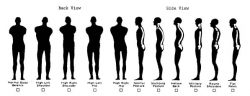
One of the following can be noticed when one has a bad posture: high shoulder, a forward stooping head, a rotated trunk (torso), a hunch back, a high hip, and a side-bent neck and one of the feet will be externally or internally rotated.  Abnormal  posture can result from trauma (like a car accident or fall), repetitive movements (turning your neck towards the monitor), and certain bad postural habits  (sleeping on your stomach).

The human body is often in a state of strain which causes a loss of proper balance between parts of the body and gravity. Such imbalance of posture distortion usually indicates internal body changes before  any  body functions appear disturbed.

All parts of the body are situated so this so this that they can interact efficiently with one another as well as with gravity. The body is able to repair itself and adjust to the many forces to which it is subjected, both internally and externally. This relationship produces a feeling of youth, energy and vitality.

By having correct posture, we are keeping our spinal vertebrae from being misaligned or subluxated.  Our spine is not only reliant on the strength of our back muscles but it also relies on its two arches (lumbar and cervical lordosis) which is why correct posture is vital. If we have poor posture, these natural arches would disappear and there’s going to be nothing left  that can absorb shock in our back. Once this happens, a person will experience pain in the neck and lower back. This paves the way for vertebral osteoarthritis, herniated disc and excessive pressure on the peripheral nerve. Osteoarthritis and herniated disc caused by uneven weight distribution on the vertebral bodies of the spine. Poor posture can lead to difficulty breathing by interfering with proper ribcage expansion, muscle soreness along the back of your neck, shoulders and upper back, as well as lower back pain.

When you already have poor posture, you can start practicing the correct posture by keeping yourself aware of the correct positions to maintain a good posture. There is a correct sitting position where you sit while keeping your back straight and your buttocks should be touching the back of the chair. When you want to lift a heavy object, you have to maintain your back straight and bend your knees & hips to lift the object up. You can start doing your research as to the correct positions to maintain a healthy spine. Also, muscle strengthening exercise is a must for a spine, for a better support of the spine.  Improper posture weakens muscles of the spine because they are not being used. By providing musculature the strength it needs, one can achieve a better maintenance of a good posture.

Also remember that this is not going to be a quick solution as it will take time especially with muscle strengthening. You may want to correct your posture now but won’t take it to heart and practice it daily then you won’t see real results. There should be a lifestyle change so that your body will get used to the correct posture that eventually you don’t even have to think about it.

You are probably wondering by now where  is the part about 96 tips for a perfect Posture. Below are the 5 links that  brings up total to 96 tips. Without further ado:

  1. 10 Tips for improving Posture and Ergonomics, by Dr. Kelly Andrews, D.C.
  2. 13 Tips on Getting a Good Posture, by  Celestine Chua
  3. 20 Tips from Yoga to Go, by Nancy Wile, Ed. D
  4. 32 Tips on how to Improve your Posture, by Savialeigh, Ben Rubenstein, Krystle C and many others
  5. 21 Tips on How to Maintain Good Posture, by ACA

To help you out, try finding ways to get yourself reminded of keeping a good posture. Perhaps you can put post-it notes on places that you would see on a regular basis. Like on your computer, put a small post-it note that says “stop slouching” or other reminders. You can also use an alarm that is set every 30 minutes or so to keep yourself aware and maintain a good posture.  I phone or any other smart phone has a build in calendar that can be set up as whatever time frequency you desire. I think it is one of the best ways to remind yourself about good posture habits. No one ever leaves a house without a cell phone in our days. These are simple solutions that really work as you exert an effort to inculcate the correct posture into your lifestyle.

Question: Have You Checked Your Posture Lately?  Do You Have Any Tips on How to Keep a Good Posture?

Filed Under: Posture, Spine Tagged With: anatomy, back posture, bad posture, body, correct posture, exercise, for a, health, human behavior, human body, improve posture, neck pain, necked, neutral spine, pain, perfect posture, poor posture, posture, posture and occupational health, posture brace, prevention, shoulder, sitting, spinal cord, spine, tips

PLEASE FOLLOW & LIKE B.C.

RSS
Follow by Email
Facebook
Facebook
fb-share-icon
Twitter
Visit Us
Follow Me
Post on X
YouTube
YouTube
LinkedIn
LinkedIn
Share

15200 Hesperian Blvd #104

San Leandro, CA. 94578

(510) 481-2225

drburt@burtchiropractic.com


SEARCH

Categories

Recent Posts

  • Loss of Cervical Lordosis: How a Straight Neck and Pain Impact Your Health—and How a San Leandro Chiropractor Can Help Restore It
  • Hidden Injuries from Car Accidents That a San Leandro Chiropractor Can Help You Detect
  • Best San Leandro Chiropractor for Sciatica Pain Relief: Natural, Drug-Free Solutions That Work