
Top Chiropractor in San Leandro, CA

San Leandro Chiropractor

  • blog
  • About Our Practice
  • What is Chiropractic?
  • SERVICES
    • Personal Injury
    • Cold Laser Therapy
    • Massage
    • Ultrasound
    • Electric Stimulation
    • Sports Injury
    • Workers Compensation
  • FAQs
  • Locations
  • CONTACT US
  • New Patient Forms
  • Nutrition Store
  • Home

Powered by Genesis

Fibromyalgia and Chiropractic Care

February 14, 2011 by drburt

FIBROMYALGIAFibromyalgia is a disabling and epidemic myofascial condition. The patient afflicted with this normally complains about feeling pain all over his/her body, feels tired all the time, depressed and sleeps poorly.  People suffering from this condition often find it difficult to achiev a lasting cure from medical doctors and have tried different kinds of therapy with a few success stories.

Researches have shown that Fibromyalgia affects the central nervous system causing abnormalities in the chemical compounds of people that are needed to transmit nerve impulses. FM wasn’t recognized by the American Medical Association until they started to diagnose it officially in 1987, although healers have been reporting it and treating its symptoms as early as 16th century. Today, because there are not specific treatment procedures and tests to determine if an individual has contracted fibromyalgia, conventional medical doctors are still denying its existence and are merely attributing its symptoms as a result of psychological and emotional causes.

However, Chiropractic care has been proven the past few years to have played a significant role in treating people with this condition. Fibromyalgia patients respond better to chiropractic therapy via spinal adjustments and nutritional support. Fibromyalgia and chiropractic care has gone hand in hand in the treatment of individuals for more than a decade now.

Chiropractic, since its main purpose is to prove the theory of how the central nervous system balances and controls the over-all health of an individual serves as an ideal treatment method for those suffering from this debilitating condition.

Fibromyalgia often goes unnoticed and undiagnosed by medical doctors and sometimes it takes as long as five years before an individual suffering from it becomes aware of the fact of the existence of this condition. A good chiropractic will diagnose this condition through good communication with the patient. The holistic approach of a chiropractic helps greatly in easing the way for the diagnosis this painful disease.

After diagnosis, the chiropractor will then make the necessary adjustments to the entire spine. Spinal manipulations are also done using the hands, which consists of sharp, short thrusts that always produces a popping sound, which is caused by nitrogen gas release from a vertebral joint capsule. The aim for these adjustments to the spine is to correct a subluxation that has occurred in the spine. Once the patient’s spine is properly aligned, the pain and other symptoms of fibromyalgia will be greatly reduced together with the other difficulties such as fatigue, weakness and difficulty in sleeping.

Herbal and homeopathic treatments are also encouraged by the chiropractors to their patients, coupled with a change in lifestyle, sleep habits and engaging in a healthy diet. Individuals afflicted with fibromyalgia will feel better in no time.

In reality, there is still no definite cure for those suffering from this painful condition, but with the help of chiropractics, patients suffering from it have reported a sharp decrease in symptoms and have improved their quality of life. Chiropractic is definitely helping people with fibromyalgia enjoy life to the fullest by almost eradicating its numerous symptoms.

Do you have anything to add to this post please feel free to Post a comment or share your thoughts through Facebook, Twitter or comment section below to join the conversation.
Filed Under: Chiropractic Tagged With: abnormalities, alternative medicine, american medical association, causes, central nervous system, chemical compounds, chiropractic, Chiropractic Care, chiropractic in canada, chiropractic therapy, Fibromyalgia, health, manipulative therapy, medical doctors, medicine, spinal adjustment, spinal manipulation

7 Major Causes of Lower Back Pain?

January 5, 2011 by drburt

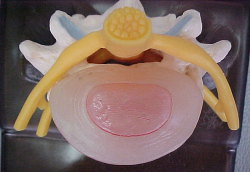
INTERVERTEBRAL DISCMillions of people are affected with lower back pain all over the world. It could be a minor and temporary pain and it could be as extensive as referring pain into upper and lower extremities. There are different factors and causes of lower back pain. Below is the list of 7 major causes of lower back pain.

SPRAIN AND STRAIN:

A deconditioned lower back and the one with previous injuries is more prone to soft tissue injuries like sprains and strains. An overstretched muscle is a definition of a sprain injury. An overstretched tendon is definition of a strain injury. Both injuries result in fibrotic tissue which is extremely painful if not properly and timely rehabilitated.

DISC PROBLEMS:

The IVD or intervertebral discs (look at the main picture) are serving a function in our spine as shocks or struts in a vehicle. Their job is to prevent the vertebral bodies of the spine from degeneration which in medical term is called osteoarthritis.  Lack of mobility between vertebral bodies will cause the IVD to dehydrate and eventually shrink in height. IVD does not have any blood supply and the only way it gets the nutrients is by the process called imbibition. In plain English – when two adjacent vertebras move they help to pump liquids with nutrients into the IVD. Common disc complaints involve the disc protrusion or bulging (which can be prolapsed or sequestrated) the later is a very bad one. Make sure that you schedule your appointment with your local chiropractor at least once a month. Our body just like the vehicle we drive, it requires maintenance.

MUSCLE IMBALANCE:

Muscle imbalance is the cause of a poor posture. Over the time certain muscles loose their function under overworking conditions or when they are under utilized. If this happens the inevitable result will lead to problems such as neck pain, shoulder pain, and lower back pain or even frozen shoulder.

EMOTIONAL:

Emotional problems linked together with neuromuscular system. Stress or emotional trauma would lead to muscular tension. Muscles such Upper Trapezius and SCM (Sternocleidomastoid) are innervated by cranial nerves (which are the nerves that are connected directly to the brain).

STRACTUAL PROBLEMS:

Scoliosis – an excessive sideways curve of either the upper or lower regions of the spine. Kyphosis – sometimes referred to as “hunchback”, this is an excessive outward curve of the upper back.

DISEASE:

Ankylosing spondylitis – a disease that causes inflammation in spinal joints and limb joints potentially leading to fusion of vertebrae Arthritis – especially osteoarthritis, involves cartilage that normally cushions joints breaking down. Osteoporosis – is a condition involving thinning of the bones. It commonly occurs in women after the menopause but can also affect men.

SCIATICA:

Sciatica is a nerve pain from the sciatic nerve, a nerve that runs from the spine through the buttock and down the back of the leg. Sciatica is often caused by a disc bulge or prolapse pressing on the spinal nerve. Other causes can include a narrowing of the nerve tunnel between the discs as a result of osteoarthritis. If you would like to discover how to completely cure sciatica naturally without drugs, surgery, physical therapy, exercise, or change of diet you might want to take a look at this report “Stop Sciatica.” (affiliate link)

Please Post a comment below or share your thoughts through Facebook, Twitter or comment section below to join the conversation. Feel free to add any additional tips.
Filed Under: Low Back Pain, Spine Tagged With: biology, causes, general practice, human anatomy, intervertebral disc, low back pain, lower back, lower extremity, lows, medicine, neck pain, nerve pain, nervous system, neurology, pain, referred pain, san leandro chiropractor, sciatica, shoulder pain, symptoms

8 Tips For Stress Management

December 31, 2010 by drburt

STRESSThere are different types of stress that an individual is exposed to on a regular bases. It could be a relationship stress, poor health, school stress, financial stress or work stress. Stress can also be a combination of several causes described above. Many people find it almost impossible to deal with everyday’s stress and expectations. Many scream for help.

It is extremely important to deal with stress the right way, otherwise it might cause anxiety and even depression. Everyone must learn stress relief techniques which help to deal with stress and anxiety positively.

How Can One Deal With Stress Effectively?

Here are 7 stress relief techniques that you can use now. Hope you find this information useful and apply these techniques when necessary.

1. One must be positive and must be thinking positive. Do not let certain things to eat you up from inside out – you know what I mean. Keep your mind clear, it is one of the most important tools that anyone can have when it comes to dealing with stress on a day to day bases. The key is focusing your mind on positive and optimistic part of your life all the time, with positive words and affirmations. This practice will improve your morale and confidence, and improve the overall state of mind.

2. Laugh Out Loud. Laughing is the best medicine when life seems to weigh you down with unexpected life events and toils. Just remembering something funny at work or at home will relieve your mind. Go to a comedy club or see a funny movie. Perhaps it is a time to visit your old friend who was always a comedian back in days. Just find something that will help you to stretch the facial muscles.

3. Try to Prioritize and Organize things in your life. Priorities in Activities of Daily Living will help to reduce the daily stress. Do not leave things to the last minute, this will only cause unnecessary stress and frustration.

4. Communicate. Inform your friends and family about the problems that you have. When you are expressing your thoughts and emotions, you are helping to cope with the stress in a healthier way.

5. Learn to relax. There are so many things that you can do to relax and unwind when you are stressed like take a bath, listen to the music, dance, practice yoga, meditation or go out with your friends.

6. Do not postpone a solution to your problem. Delaying the solution to the issues will only make things worse in the long term. Learning how to deal with problems when they arise will help you to cope better.

7. Exercise. 30 minutes of intense cardiovascular training will clear your mind. Try exercising in the morning if you can.  If aerobic training is not your cup of tea, a good stretch and lifting light weights will do the job as well.  Physical activities will keep your body in tone and your  mind fresh and stress free.

8. Chiropractors work primarily with the spine, the root of the nervous system through which nerve impulses travel from the brain to the rest of the body. One effect of chronic stress is prolonged muscle tension and contraction. This muscle tension creates uneven pressures on the bony structures of the body, often leading the misalignment of the spinal column, known as subluxations. Chronic stress also leads to nerve irritation. The adjustments of a chiropractor release muscle tension, and that helps the body return to a more balanced, relaxed state. Adjustments also reduce spinal nerve irritation, and improve blood circulation. These changes may be enough, in many cases, to convince the brain to turn off the fight or flight response, beginning the process of healing. A healthy and balanced spine is one key to effectively managing stress.

Apply these techniques to life and it will help you live a happier stress free lifestyle.


Post a comment below or share your thoughts through Facebook, Twitter or comment section below to join the conversation. Feel free to add any additional tips.
Filed Under: Advice Tagged With: anxiety, causes, causes anxiety, coping, depression, financial stress, human behavior, human interest, Mechanics, Meditation, physics, relationship stress, stress, stress management, stress relief techniques, tips, workplace stress

Temporomandibular Joint (TMJ) Dysfunction Physiology and Causes

October 1, 2010 by drburt


What is TMJ?

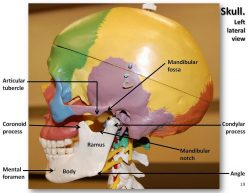
temporomandibular jointThe temporomandibular joint, or often called as TMJ, is the joint of the jaw. We have two temporomandibular joints that work in unison, one on the either side of the jaw. It got its name because of the temporal bone and the mandible that forms the joint.

It is the most used joint in our body. It has 6 main components and they are the mandibular condyles, the capsule, the articular surface to the temporal bone, the articular disc, lateral pterygoid and the ligaments.

What is TMJ Dysfunction?

This condition is common and affects over 10 million Americans today. It is affecting the  mastication muscles and the tissue components.  It can be a medical or a dental condition or a collection of conditions.

What are the causes ?

There are different factors that can influence the inflammation of the Temporomandibular joints such as teeth grinding, a direct physical trauma that causes disc derangement, stress, hypermobility of the joint, hypomobility of the joint, osteoarthritis, rheumatoid arthritis and many others.

What are the symptoms ?

Pain on the jaw and facial muscles is one of the first symptoms you would notice when you have TMJ dysfunction. It may even radiate to your neck and shoulders. You may feel this pain when you talk, yawn or chew. The pain is usually felt in front of the ear or on the jaw itself.

Ear pain, headaches, tinnitus and hearing loss may also be a symptom of  Temporomandibular joint dysfunction. This can get confusing as some might think they have an ear infection or ear problem when in fact, the pain is radiated because of TMJ dysfunction.

You may hear a popping, clicking or grating sound when you move the joint. This is caused by an abnormal position of the disc. Others may also hear the popping sound.

Swelling of the mouth or the face can also occur due to inflammation.

Lock jaw whether opened or closed is also a common symptom of TMJ dysfunction.

Teeth may not align properly and no longer touch as you bite on food. Teeth can also start to loosen or get broken or become sensitive.

Swallowing may become difficult because the muscles on the jaw area start to spasm.

You may feel nauseated or have a headache or dizziness.

How is TMJ Dysfunction diagnosed?

A health professional can properly diagnose a dysfunction by beginning with a thorough evaluation of the patient’s medical history. After which the health professional would make a physical examination on the patient to identify the disorder.

A treatment program would then be specified by the health professional according to the severity of the disorder. Treatment programs may include lifestyle modification, techniques for self relaxation, proper education regarding Temporomandibular joint dysfunction, restoration of the jaw’s range of motion, mobilization of the soft tissue, joint mobilizations, nerve stimulation, rehabilitation, etc.

The treatment program would be a per-patient basis. Thus, you may have a different treatment program compared to another patient who is also suffering from TMJ dysfunction. Part 2 is going to be about specific treaments options for this debilitating codition.

Question: Have you or anyone you know had a TMJ Dysfunction ? What kind of treatment otions have you had?

Filed Under: TMJ Tagged With: anatomy, bruxism, causes, dental anatomy, dentistry, dysfunction, hypermobility, jaw, jaws, joint, mandible, medicine, pain, temporomandibular joint, temporomandibular joint disorder, temporomandibular joint dysfunction, temporomandibular joint tmj, tinnitus, tmj, tmj dysfunction, unison

  • 1
  • 2
  • Next Page »

PLEASE FOLLOW & LIKE B.C.

RSS
Follow by Email
Facebook
Facebook
fb-share-icon
Twitter
Visit Us
Follow Me
Post on X
YouTube
YouTube
LinkedIn
LinkedIn
Share

15200 Hesperian Blvd #104

San Leandro, CA. 94578

(510) 481-2225

drburt@burtchiropractic.com


SEARCH

Categories

Recent Posts

  • Loss of Cervical Lordosis: How a Straight Neck and Pain Impact Your Health—and How a San Leandro Chiropractor Can Help Restore It
  • Hidden Injuries from Car Accidents That a San Leandro Chiropractor Can Help You Detect
  • Best San Leandro Chiropractor for Sciatica Pain Relief: Natural, Drug-Free Solutions That Work