Top Chiropractor in San Leandro, CA

San Leandro Chiropractor

  • blog
  • About Our Practice
  • What is Chiropractic?
  • SERVICES
    • Personal Injury
    • Cold Laser Therapy
    • Massage
    • Ultrasound
    • Electric Stimulation
    • Sports Injury
    • Workers Compensation
  • FAQs
  • Locations
  • CONTACT US
  • New Patient Forms
  • Nutrition Store
  • Home

Powered by Genesis

Chia Seeds Superfood and Health Benefits for a Human Body
March 2, 2016 by drburt

Chia Seeds Superfood and Health Benefits for a Human BodyChia Seeds Superfood and Health Benefits for a Human Body

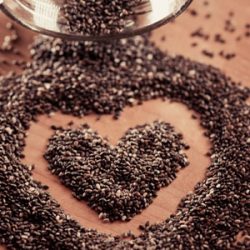
Chia seeds are tiny black seeds from the plant Salvia Hispanica, which is related to mint. This plant grows natively in South America. Chia seeds were an important food for the Aztecs and Mayans back in the day. They prized them for their ability to provide sustainable energy … in fact, “chia” is the ancient Mayan word for “strength.”

Despite their ancient history as a dietary staple, only recently did chia seeds become recognized as a modern day superfood. In the past few years, they have exploded in popularity and are now consumed by health conscious people all over the world.

Chia Seeds were largely unknown in North America until researcher Wayne Coates began studying chia as an alternative crop for farmers in northern Argentina about 29 years ago.

Coates started his work on chia in 1991, and since then has become an advocate of the tiny seed’s health benefits. The human trials are limited —as is often the case with food research— but the anecdotal evidence of chia’s positive health effects include boosting energy, stabilizing blood sugar, aiding digestion, and lowering cholesterol.

Chia seeds are among the healthiest foods on the planet. They are loaded with nutrients that can have important benefits for your body and brain.  Chia Seeds are rich in fiber, omega-3 fats, protein, vitamins and minerals such as:

Dietary fiber (11g – 42% recommended daily value)

Protein (4.4g – 9% RDV)

Omega-3 fatty acids (4915 mg)

Omega-6 fatty acids (1620 mg)

Calcium (77 mg – 18% RDV)

Copper (0.1 mg – 3% RDV)

Phosphorus (265 mg – 27% RDV)

Potassium (44.8 mg – 1% RDV)

Zinc (1.0 mg – 7% RDV)

Chia also contains essential fatty acids alpha-linolenic and linoleic acid, mucin, strontium, Vitamins A, B, E, and D, and minerals including sulphur, iron, iodine,  magnesium, manganese, niacin, thiamine, and they are a rich source of antioxidants.

This is particularly impressive when you consider that this is just a single ounce, which supplies only 137 calories and one gram of digestible carbohydrate! Just so that we’re all on the same page, 1 ounce equals 28 grams, or about 2 tablespoons.

Interestingly … if you subtract the fiber, which may not end up as usable calories for the body, chia seeds only contain 101 calories per ounce. This makes them one of the world’s best sources of several important nutrients, calorie for calorie.

8 Super Facts of Chia Seeds from Scullivan
 Chia seeds used to be a niche ingredient you could only scout out at health food stores next to the hemp seeds and spirulina. But chances are you can now find chia at your local supermarket, in everything from granolas and cereals to yogurts and energy drinks. You can find it at restaurants, too: Chia pudding has become a mainstay at trendy cafés and luncheonettes like NYC’s Dimes and L.A.’s Café Gratitude. Want to enjoy them at home?

Lemon Cake with Chia Seeds from Tastes of Health

Buying Tips
You can find chia at any Whole Foods Market, health food stores, and well-stocked supermarkets like Kroger. Some of the more widely available chia seed brands include The Chia Co., Nutiva, and Bob’s Red Mill. All chia seeds are naturally vegan and gluten-free, but check the packaging if you want to buy seeds that are certified organic and non-GMO. Look for seeds that are either a speckled black or white, but not uniformly brown. The Chia Co. founder John Foss explains brown chia seeds are immature seeds that haven’t had a chance to mature properly, and this can result in fewer nutritional benefits and give the seeds a bitter taste.

How to Store
Chia seeds have a long shelf life, and will keep for several years when stored in a cool, dry place. Easy!
Filed Under: Diet, Health, Nutriton Tagged With: chia seeds, health, health benefits, human body, nutrition

Paleo Diet and Your Health – Pros and Cons

November 5, 2011 by drburt

CAVE MANI have never been a big fan of any special diet. My health philosophy is simple – eat the same or less amount of calories that your body needs, regular exercises at least 3 times a week (cardio a must) and an adequate amount of rest (sleep is your weapon). Diets are just like fashions – the come and they go. They will arrive to our lives with a new twist, so people who promote them can sell the followers new books, recipes of the same meals with different names and so on. No matter how you look at the food and a new “super diet” at the end it all fall to three main ingredients: carbohydrates, fats and proteins. It is just a matter of combining the ingredients together in different proportions which provides a great variety of choices for a creation of a new diet.

The reason why I began to write this post is because I see so many disgusting photos of so to speak Paleo diet on Google Plus stream that people actually put it inside of their mouth and call it a healthy meal. Personally my eyes can not even look some of the photos. If I would have to eat that meal, all of my vital organ would have to shut down slowly one after another. I think fashion diet just overtakes normal common sense in every follower. Many want to look and feel good but lack the basic understanding of the physiology of a human body and nutrition. The Paleo diet was popularized by Walter Voegtlin in the 1970’s and is very similar to Atkins and Meat Lovers diets – which were very popular about 10 years ago or so.

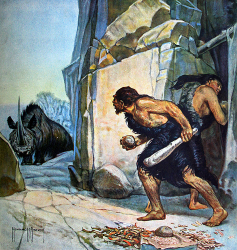
Paleo is a short term for Paleolithic – which means “old stone age.” So basically this means that we are going to be talking about a cave man diet and its interpretation in a modern world by the followers. Caveman did not have access to McDonald, Burger Kings, KFC and other fast food restaurants. They would hunt for a fresh meat and collect food that they found. In theory this kind of lifestyle was keeping them very healthy – free of disease such as cancer, arthritis, osteoporosis and cardiovascular conditions. In theory it appears like a great way to live your life and stay healthy for years to come. However, in modern day society hunting and plant based food gathering is not practical unless one has a really good trust fund in his/her name.

It was not until 2005 that the Paleo Diet came into its own, with the publication of Loren Cordain’s The Paleo Diet for Athletes: A Nutritional Formula for Peak Athletic Performance. With athletes beginning to endorse the diet, it gained momentum, hitting the big time in 2010, with the publication of Cordain’s next book, The Paleo Diet and Rob Wolf’s book, The Paleo Solution. This is just a small paragraph about the promotional history of the diet.

Modern cave man diet is not supposed to have sugar or salt added to it which is a good thing. However, 65% of the diet is based on meat eating and 35% is based on plant based nutrition. Most of the people who follow the diet buy the meat at the local supermarkets because of an easy access and the cost. Not too many people can afford to buy meat that has been hunted in a wild or grass fed. Meat purchased at the local stores has some serious bonus features added to it – growth hormones, antibiotics, high pesticide concentrations, heavy metals toxicity from over 100,000 manmade chemicals now found in the environment, Strontium, high levels of omega-6 fatty acids as a result of being grain fed. As for fish, even if you catch it yourself, you’re now looking at mercury contamination, dioxin, and sex altering hormones — things Paleo fishermen never had to deal with.

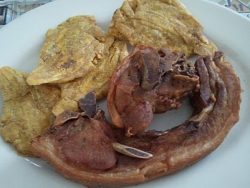
PALEO DIETLet’s talk about confused followers that I see posting the photos of their meals on Google Plus stream and stating that this meal is healthy. Please do let me know what you think about this photo. I was attacked on this thread by some Paleo followers and felt like being in some sort of religious cult versus intelligent discussion. I will not reveal the full names or photos of people in this thread. I was the one who posted a first response when I first saw it on my Google Plus stream. For your information I did not even know what Paleo diet was when I first saw the photo. So, I have done my research before publishing and there is a lot more that can be discussed but this post is already too long.

Eduard Burt  –  Deduct at least 10 years from your life if you continue eating this. Sorry, but I just can’t help it being silenced about it.

Sep 29, 2011 

 Jose J.M.  –  +Eduard Burt why do you think that?

Sep 29, 2011   

Matthew G.  –  +Eduard Burt, those are the bedpan and diaper years. You can keep those.

Sep 29, 2011   

Jamie F.  –  If only science agreed with you, Eduard. There’s no evidence to link meat and fat with any disease.

Sep 29, 2011   

Eduard Burt  –  I guess I expressed my opinion at the wrong channel. Sorry for being correct.

Sep 29, 2011 

Matthew G.  –  You haven’t proven yourself to be correct, +Eduard Burt. Evidence or GTFO!

Sep 29, 2011   

Scott G.  –  What’s it fried in?

Sep 29, 2011   

Kevin G.  –  +Eduard Burt I’m not sure what problem you’re discussing? Saturated fats, maybe? You do realize a lot of those concerns have been debunked after longitudinal studies were conducted, right? (see: Framingham Study). Also that the original study (Ansel, I believe) connecting fats with heart disease studied TWENTY-TWO countries but only published the six that fit the hypothesis? 

Please address you concerns more specifically, please! 

Eduard Burt  – 

Sep 29, 2011  –     

Eduard Burt  –  Let’s ask +Jose J.J. ? How did you feel after eating this meal? 1. Healthy 2. Bloated 3. Heartburn 4. Do not know, I just like fried stuff. 5. I don’t care 

By the way what is the yellow fried portion of the meal?

Sep 29, 2011  –  

 Kevin G.  –  Thank you! So you’re talking about frying food vs. stewing or poaching — or eating more “raw” or at least less-cooked/less-processed foods. Of course, the study is only about that. Reduction in wheat is also anti-inflammatory, so removing gluten from your diet can also offsite frying/overcooking of foods. However, you’re correct that less cooking is probably better health-wise. Then again, stating that a fried/grilled meal WITHOUT gluten will take 10 years off your life may be wrong. There’s a counterbalance there.

Sep 29, 2011   

Eduard Burt  –  +Kevin G. fried and grilled are two different cooking processes. Second one is better depending on what kind grilling you do.

Sep 29, 2011     

Kevin G.  –  Oh… just so you know where I’m coming from: I went off grains to see if it would combat the SERIOUS acid reflux that was keeping me awake at nights. It did. Then I noticed my asthma was clearing up as well, so in consultation with my doctor I eventually went off both grains and my 30-year need for asthma medication (and dropped 30 pounds and improved my cardiovascular function). Then again, I eat lots of meat, vegetables, dairy and greens with very little fried food. I’m definitely not a meat-centric person. 

You’re right about grilling — I typically mean outdoor grilling which tends to create char which can carcinogenic in nature (but so, so very tasty).

Expand this comment »

Sep 29, 2011   

Eduard Burt  –  Thanks +Kevin G. for a real life change experience. I deal with this diet addiction at my clinic with many patients. I most deal with injuries, but the healing process can not be completed if your diet is bad and your face is inflamed all the time. That means that everything else is inflamed as well inside – thus is the reason for a constant pain. +Jose J.J. let the rest of us know how you felt after that meal.

Sep 29, 2011  – 

Jose J.J.  –  +Eduard Burt I felt excellent. The same way I’ve been feeling since going paleo about a year ago. The pork chop in the picture has the skin attached. You may call it bacon if you like. The yellow ‘things’ are called tostones which are fried green plantains. Everything was deep fried in pork fat. By the way, during the year I have been doing paleo I have lost 90 pounds, got rid of a couple of skin rashes, got rid of inflammation, the metabolic syndrome is gone (high blood pressure, high blood sugar, high blood lipids, headaches, migraines, heartburn, diarrhea followed by occasional constipation and sleep apnea). Yes, I had all those. I made a decision and have never looked back. So, you can have your standard diet and your conventional wisdom. Because I have been feeling wonderfully, full of energy and enjoying life I will keep eating my paleo diet and living the paleo lifestyle.

PS, I own 3 pairs of VFF’s and enjoy going barefoot as much as I can. Also (and this may be a problem for you too) I enjoy sunbathing a lot since I know my needs for vitamin D.

If you want to understand more about this lifestyle you can read +Robb Wolf ‘s excellent book “The Paleo Solution”. I highly recommend it. It may even change your life and gain you ten more years. You can also read several blogs like +David Csonka ‘s, +steve cooksey ‘s or Mark’s Daily Apple which are excellent.

Expand this comment »

Sep 29, 2011    +4   

Eduard Burt  –  I am glad @Jose that this diet is working out for you and for many other supporters on this topic of the conversation.

On a final note if I would have eaten this meal all my vital organs would shut down one after another. I guess this diet is just like sport requires some endurance for a digestive system.

Sep 29, 2011  –   

Rachel B.  –  Never had a plantain, can’t find pork chops like that around here. Looks really good.

Sep 30, 2011   

Jose J.J.  –  +Rachel B. ask your butcher to leave the bacon attached to the pork chop. It’s very flavorful and the skin become a crackling.

Sep 30, 2011    +1   

Jose J.J. –  +Eduard Burt You probably are having some type of wheat in your diet. If you want to start feeling better all the time, including the after meal moments, no matter how large your portions or how much animal fat is in them consider trying a Whole 30:

It can change your life too.

Sep 30, 2011    +1  


Eduard Burt  –  +Jose J.J I feel like an 18 year old. My diet is great. Nothing personal but I am just collecting an independent opinion. That is all.

Sep 30, 2011  –  

Jose J.J.  –  +Eduard Burt Are you a vegetarian? Otherwise, if you eat meat how can you explain your statement – “On a final note if I would have eaten this meal all my vital organs would shut down one after another. I guess this diet is just like sport requires some endurance for a digestive system.” Is it the animal fat in the meal? Your thoughts…

Sep 30, 2011   

Eduard Burt  –  I eat chicken, turkey, fish, on occasion lamb or goat. To answer your question – I am not a vegetarian.

 If you have anything to add to this post, please feel free to Post a comment or share your thoughts through Facebook, Twitter, Google+ or comment section below to join the conversation.


Filed Under: Diet, Health Tagged With: burger king, Diets, eat, eduard burt, fast food, fish, food and drink, health, healthy meals, human body, meat, medicine, new diets, nutrition, Paleo, paleo diet, paleolithic diet, pork rind, pros and cons, special diets, vegetarianism, your health

Six Very Essential Minerals and Women’s Health

June 3, 2011 by drburt

WOMANMinerals are playing a very important role in a human body. The main goal of these essential elements is to make sure that the body functions properly. If deficiency is ignored for a prolonged period of time a serious health problem can be developed. For instance: women who are menstruating need an extra supplementation of iron till the reach menopause stage. A good source of minerals concentration is in certain types of whole foods. However, it is hard to follow a diet that contains all the necessary nutrients that a woman needs. Taking multivitamin and food-based natural mineral supplements are few ways that can be very beneficial.

Supplements can help improve the body’s absorption of certain other minerals and nutrients – for instance, magnesium is necessary for calcium absorption, selenium is necessary for Vitamin E absorption, Zinc is necessary for Vitamin A absorption. Majority of the females are deficient in minerals such as magnesium, calcium, iron, zinc, iodine and selenium. These minerals are very important fro proper metabolic function, hormone balance and bone strength and many other important health benefits.

Below is the list of six essential minerals and their function:


MAGNESIUM:

Key Functions: Energy Metabolism, protein synthesis, bone health, muscle and nerve function

Food Sources: Leafy green vegetables, sea weed or green algae, avocados, raw chocolate, beans, nuts, and grains such as brown rice and millet

Daily Dosage Recommendation: Age 19-30: 310mg    Age 31+: 320mg


CALCIUM:

Key Functions: Muscle function, nerve transmission, intracellular signaling, hormonal secretion, support and structure of bones and teeth

Food Sources: Dairy products, nondairy sources (preferable)  include sea vegetables, Chinese cabbage, kale and broccoli, foods: juices, dinks and cereal fortified with calcium.

Daily Dosage Recommendation: Age 19-50: 1000 mg  Age 50+ 1200 mg


IRON:

Key Functions: Part of the protein hemoglobin, which carries oxygen in the body; also found in the protein myoglobin, which makes oxygen available for muscle contraction

Food Sources: Red meats, fish and poultry, lentils, beans, black-strap mo;ases, dried apricots, raisins.

Daily Dosage Recommendation: Age 19-50: 18mg Age 50+ 8mg


ZINC:

Key Functions: Strengthens immune system, increases white blood cells count, helps regulate hormones; supports absorption of calcium.

Food Sources: Oysters, pumpkin and many other seeds, most meat products, beans, nuts, whole grain.

Daily Dosage Recommendation: Age 19+ 8mg  Pregnant: 11mg Lactating 12mg


IODINE:

Key Functions: Strongly influences nutrient metabolism, detoxification, nerve and muscle function, nail, hair, skin and tooth condition and mental development.

Food Sources: Seafood, seaweeds such as kelp, clams, lobsters, oysters and sardines

Daily Dosage Recommendation: Age 19+:150mcg  Pregnant: 220mcg  Lactating: 290mcg


SELENIUM:

Key Functions: Stimulates glucose uptake and regulates metabolic processes including fatty acid synthesis; acts as an antioxidant against free radicals

Food Sources: Cereals, legumes, Brazil nuts, beef, chicken, eggs and cheese

Daily Dosage Recommendation: Age 19+:55µg  Pregnant: 60µg  Lactating: 70µg


If you have anything to add to this post, please feel free to Post a comment or share your thoughts through Facebook, Twitter or comment section below to join the conversation.


Filed Under: Health Tagged With: alkaline earth metals, antioxidant, body, body functions, calcium, calcium absorption, chemical elements, chemistry, dietary minerals, dietary supplements, essential elements, essential minerals, functions, health, human body, minerals, multivitamin, nature, nutrition, six, vitamin, zinc

Iron and Why Human Body Needs It.

April 22, 2011 by drburt

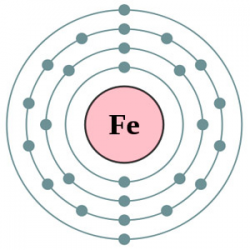
IRONIron (Fe) is the most abundant element on the planet Earth. It can be found in outer and inner core. This element is playing very crucial role the human’s health. Our bodies require around 100 milligrams per day of Fe. This important element regulates DNA synthesis, growth, healing, immune function, reproduction and even metabolism. Without Iron our red blood cells would not be able to carry Oxygen. Hemoglobin and Myoglobin are the two proteins in red blood cells that are responsible for delivering oxygen via blood and muscles. This function makes Fe a very important element for athletic performance. Every time I ride my bike at a  fast pace or climbing a long hill, especially on my single speed bike, I wish I had more oxygen delivered to my muscles for better performance.

The body does amazing things by adopting to external environment. One of the attorneys that I work with on personal injury cases spent two weeks with his son in Mountainous region of India. He is in his mid 50s and is an avid surfer. When he has returned from his trip he informed me that he feels like he is 25 years of age. His energy level was over the roof and he was able to surf and play tennis much longer than before. What has happened here?  Body is trying to compensate for low levels of O2 in blood stream thus stimulating the production of more red blood cells and increasing the O2 carrying capacity. When an individual returns back to normal altitude and he or she has more then normal oxygen in blood stream thus is the reason for better sport performance and increase energy level.  This effect is not long lasting as the body will adopt to normal altitude very fast and will decrease the amount of red blood cells.

People who have Iron deficiency can have pale skin, brittle or grooved nails, hair loss, irritability and general weakness. Frequent blood donors, vegetarians, long-distance runners, pregnant women or women who just gave birth, and women who have heavy periods are usually at risk of having iron deficiency. Approximately 50 percent of pregnant women, 20 percent of women, and 3 percent of men have Fe deficiency.

Many foods in our diet have this very important element. The best food sources would be dried beans, dried fruits, eggs (especially yolks), red meat, oysters, tuna, salmon, whole grains, apples. Animal source of this element is absorbed better than plant source. Perhaps combination of both animal and plant diet will provide the sufficient amount of Iron for ones health. One can also get a supplement from a health store but I would advice to consult your primary care physician first.

If you have anything to add to this post, please feel free to Post a comment or share your thoughts through Facebook, Twitter or comment section below to join the conversation.

Filed Under: Health Tagged With: abundant, anemia, biology, blood, body, chemistry, element, fe, hematology, hemoglobin, human body, human iron metabolism, inner core, iron, iron fe, medicine, oxygen, planet earth, red blood cell, red blood cells, why

  • 1
  • 2
  • Next Page »

PLEASE FOLLOW & LIKE B.C.

RSS
Follow by Email
Facebook
Facebook
fb-share-icon
Twitter
Visit Us
Follow Me
Post on X
YouTube
YouTube
LinkedIn
LinkedIn
Share

15200 Hesperian Blvd #104

San Leandro, CA. 94578

(510) 481-2225

drburt@burtchiropractic.com


SEARCH

Categories

Recent Posts

  • Loss of Cervical Lordosis: How a Straight Neck and Pain Impact Your Health—and How a San Leandro Chiropractor Can Help Restore It
  • Hidden Injuries from Car Accidents That a San Leandro Chiropractor Can Help You Detect
  • Best San Leandro Chiropractor for Sciatica Pain Relief: Natural, Drug-Free Solutions That Work