
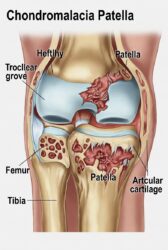
Chondromalacia patella, often called “runner’s knee,” involves the softening and breakdown of the cartilage on the underside of the kneecap (patella). This condition causes anterior knee pain, especially during activities like climbing stairs, squatting, or prolonged sitting. It commonly affects athletes, active young adults, and those with biomechanical imbalances such as poor hip or knee alignment. While cartilage damage is challenging to reverse fully, conservative treatments can significantly reduce pain, improve function, and slow progression.
Chiropractic Care:
Addressing the Root Causes. Chiropractic care offers a non invasive, holistic approach ideal for chondromalacia patella. Chiropractors focus on correcting misalignments in the pelvis, hips, spine, and knee that contribute to uneven pressure on the patella. Adjustments improve joint biomechanics, reduce muscle imbalances (particularly in the quadriceps and vastus medialis obliquus), and enhance overall lower extremity alignment. Patients often experience reduced pain and better knee tracking after regular sessions. Chiropractic also incorporates soft tissue work, stretching, and rehabilitative exercises to strengthen supporting muscles and prevent recurrence. Many clinics combine this with postural corrections and gait analysis for long term relief. Studies and clinical reports support chiropractic management for patellofemoral pain syndrome, showing improvements in pain and function without surgery. Also misaligned Sacroilliac Joint in females can increase Valgus or (Q- angle) and can cause biomechanical problems with long term stress during physical exercises and just normal ADL ( activities of daily living)
A normal structural knee angle (known as the Q-angle) in females ranges from roughly 10° to 15°. Angles exceeding 15° to 20° often indicate structural genu valgum (“knock-knees”). During dynamic movements like landing or pivoting, females frequently demonstrate greater inward knee collapse than males, heavily elevating ACL injury risks
Amrex Ultrasound Therapy:
Deep Healing Power.
At San Leandro Chiropractor office settings, therapeutic ultrasound is a popular modality for knee conditions. Amrex ultrasound units (such as the Synchro Sonic U/50 or combo models) are reliable, portable devices widely used in clinics. They deliver high-frequency sound waves that penetrate deep into tissues, promoting:
- Increased blood circulation
- Reduced inflammation and swelling
- Enhanced tissue repair and flexibility
- Pain relief through thermal and non-thermal effects
For chondromalacia patella, ultrasound helps soothe irritated tissues around the patellofemoral joint and supports cartilage health indirectly by improving the environment for healing. Treatments are comfortable, often combined with electrical stimulation for better results, and sessions typically last 10–15 minutes. Many patients report noticeable pain reduction and improved mobility after a course of therapy.
Chondroitin Sulfate: Nutritional Support for Cartilage
Chondroitin sulfate, a natural component of cartilage, is a popular supplement for joint health. Taken orally (often 800–1200 mg daily, sometimes paired with glucosamine), it may help by:
- Slowing cartilage breakdown
- Reducing inflammation
- Supporting the synthesis of new cartilage matrix
- Improving joint lubrication and shock absorption
Research, including MRI studies on knee osteoarthritis (closely related to chondromalacia), shows chondroitin can reduce cartilage volume loss and bone marrow lesions over months. While results vary, many individuals with knee pain experience less stiffness and better function. It’s generally safe with few side effects, making it a valuable addition to conservative care. Always consult a healthcare provider before starting supplements.
Integrating These Approaches for Best Results
A comprehensive plan might include chiropractic adjustments 1–2 times weekly, Amrex ultrasound sessions, targeted physical therapy exercises (like closed-chain quad strengthening and hip abductor work), activity modification, and daily chondroitin supplementation. Ice, rest from aggravating activities, and weight management further support recovery. Most people see improvement within weeks to months with consistent conservative care. If you’re struggling with kneecap pain, consult a qualified chiropractor or sports medicine specialist for personalized evaluation. Early intervention can help you return to pain-free movement and avoid long term issues like arthritis.