The pineal gland is a small, pinecone-shaped endocrine gland located deep in the center of the brain. It plays a central role in producing melatonin, the hormone that helps regulate circadian rhythms, sleep wake cycles, and certain aspects of reproductive timing. Over a lifetime, many people develop calcium phosphate deposits (hydroxyapatite crystals) within the gland a process known as pineal calcification. This finding appears frequently on brain imaging and generally increases with age. While often considered an incidental observation rather than a primary disease, interest in “decalcifying” the pineal gland has grown among people seeking better sleep, clearer cognition, or optimized hormonal balance. It is important to state clearly: no large scale clinical trials in living humans have demonstrated a reliable method to reverse existing pineal calcification. Calcification is multifactorial, influenced by age, genetics, calcium metabolism, and environmental exposures. Fluoride has been shown in postmortem studies to accumulate preferentially in the pineal gland at higher concentrations than in most other soft tissues, correlating with calcium content in some analyses. Animal research has linked high fluoride exposure to reduced melatonin output in certain models, yet human evidence establishing typical environmental fluoride as a primary driver of clinically meaningful pineal dysfunction remains limited. Therefore, the strategies below focus on evidence aligned approaches that support healthy calcium regulation, minimize unnecessary fluoride exposure, optimize melatonin production, and promote overall brain and endocrine health. These habits and nutritional choices are low-risk for most healthy adults and beneficial regardless of their specific impact on pineal mineral deposits.
Core Habits to Support Pineal Function and Mineral Balance
Reducing ongoing fluoride exposure is one of the more practical steps frequently recommended. Municipal water supplies in many regions are fluoridated for dental health. Standard activated carbon pitcher filters do not effectively remove fluoride. Reverse-osmosis systems, distillation, or specialized activated-alumina filters can substantially lower fluoride levels in drinking and cooking water. Some people also choose fluoride-free toothpaste or hydroxyapatite-based alternatives. Additional sources of fluoride can include certain black teas (older leaves tend to accumulate more), some processed foods prepared with fluoridated water, and residual pesticides. Choosing organic produce when feasible and limiting highly processed items may further reduce incidental intake. Sleep hygiene and light exposure exert powerful influence on pineal activity because melatonin secretion is tightly controlled by the light-dark cycle. Morning bright light or natural sunlight within the first hour of waking helps set the circadian clock. In the evening, minimizing blue-light exposure from screens (via filters, night-mode settings, or reduced device use) and sleeping in complete darkness supports robust nighttime melatonin release. Consistent sleep and wake times reinforce this rhythm. Adequate deep sleep also aids the brain’s glymphatic clearance system, which removes metabolic waste and may help limit inflammatory processes that can contribute to abnormal mineralization elsewhere in the body. Regular physical activity, stress management, and avoidance of excess alcohol and smoking further support systemic mineral balance and melatonin production. Chronic stress elevates cortisol, which can disrupt sleep architecture. Moderate exercise improves circulation and insulin sensitivity, both relevant to healthy calcium handling. Limiting alcohol is particularly relevant because it can suppress melatonin synthesis.
Nutrition Focused on Calcium Regulation and Antioxidant Support
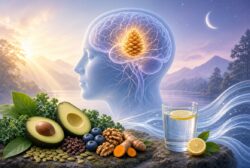
Proper calcium metabolism depends on several key micronutrients that help direct calcium toward bones and teeth rather than soft tissues. Vitamin K2 activates matrix Gla protein (MGP), one of the body’s primary inhibitors of soft-tissue calcification. Dietary sources include natto (fermented soybeans, the richest known source), aged cheeses such as Gouda and Brie, egg yolks from pasture-raised chickens, and certain organ meats. Many Western diets are relatively low in K2; some individuals therefore consider MK-7 supplements after consulting a healthcare provider. Magnesium competes with calcium at the cellular level and supports hundreds of enzymatic reactions involved in mineral transport and energy metabolism. Common food sources include pumpkin seeds, almonds, spinach, Swiss chard, black beans, avocados, and dark chocolate or raw cacao. Suboptimal magnesium intake is widespread; increasing dietary magnesium is a reasonable first step for most people. Boron, a trace mineral found in avocados, prunes, raisins, nuts, and legumes, participates in calcium and magnesium metabolism and may help maintain appropriate mineral distribution. Iodine supports thyroid function, which interacts with pineal signaling; seaweed, fish, and iodized salt (in moderation) can contribute, though excess should be avoided. Antioxidant-rich and anti-inflammatory foods appear repeatedly in discussions of pineal support because oxidative stress and chronic inflammation can promote tissue mineralization. Raw cacao provides magnesium plus polyphenols. Cruciferous vegetables (broccoli, kale, Brussels sprouts, cauliflower) support detoxification pathways. Walnuts contain small amounts of melatonin along with omega-3 precursors and antioxidants. Turmeric with black pepper (curcumin) and ginger offer anti-inflammatory compounds that cross the blood-brain barrier. Tamarind has been studied in a small trial for increasing urinary fluoride excretion; incorporating modest amounts of tamarind paste in cooking is a practical option for some. Leafy greens, berries, garlic, and lemon water supply additional micronutrients and organic acids that may aid mineral solubility and overall detoxification capacity. Equally important is what to limit: highly processed foods laden with phosphate additives, refined sugars that promote inflammation, industrial seed oils high in unstable omega-6 fats, and excessive calcium supplementation without balanced cofactors (K2, magnesium, vitamin D). Conventional dairy fortified with calcium but low in K2 is sometimes flagged in this context; pairing dairy with K2-rich foods or choosing fermented forms may be preferable for those who tolerate it. A sample daily pattern might include morning lemon water or diluted raw apple cider vinegar in filtered water, a magnesium rich breakfast or snack (e.g., pumpkin seeds and dark cacao), generous servings of leafy greens and cruciferous vegetables at meals, fermented foods such as sauerkraut or natto several times per week, and an evening focus on screen reduction and darkness to support melatonin.
Realistic Expectations and Safety Considerations
These nutrition and lifestyle measures support systemic mineral homeostasis, circadian health, and reduced toxic burden factors that logically intersect with pineal function. They do not constitute a proven protocol for dissolving existing calcifications. Individual results vary with age, genetics, baseline nutrient status, and overall health. Anyone considering significant dietary changes, high dose supplements, or water-filtration investments should consult a qualified healthcare professional, especially if they have kidney disease, clotting disorders, thyroid conditions, or take medications that interact with vitamin K or minerals. In summary, prioritizing fluoride filtered water, circadian-aligned light exposure and sleep, adequate vitamin K2 and magnesium, boron-containing whole foods, and an anti-inflammatory plant-forward diet offers a practical, science-grounded foundation for pineal and broader endocrine wellness. Consistent application of these habits over months is more valuable than short term “detox” extremes. Sustainable daily choices that improve sleep quality, energy, and mineral balance deliver benefits that extend far beyond any single gland.