Top Chiropractor in San Leandro, CA

San Leandro Chiropractor

  • blog
  • About Our Practice
  • What is Chiropractic?
  • SERVICES
    • Personal Injury
    • Cold Laser Therapy
    • Massage
    • Ultrasound
    • Electric Stimulation
    • Sports Injury
    • Workers Compensation
  • FAQs
  • Locations
  • CONTACT US
  • New Patient Forms
  • Nutrition Store
  • Home

Powered by Genesis

Find the Top Therapeutic Sciatica Pillow and Stop Suffering in Silence

June 14, 2018 by drburt

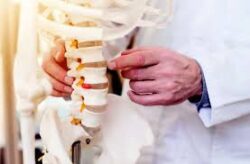
sciatica pilowFind the Top Therapeutic Sciatica Pillow and Stop Suffering in Silence

Do you suffer from sciatica or other back pain related issues? Find the top therapeutic sciatica pillow and end your suffering now. In this article, I will share with you the most beneficial and therapeutic pillows for your back pain. As well as how to successfully find the best pillow for you.

What is a Sciatica Pillow?

Whether traveling by plane, train, or bus, sitting at home, or at the office. Aches and pains in the back, knees, neck, tailbone and more occur whenever sitting for long periods of time. Sciatica pillows are the specially designed answer to relieving these pains while sitting.

Due aspects such as it’s shape and size, as well as the materials it consists of, a therapeutic sciatica pillow lends support to the areas of your body that suffer the most. Especially the lumbar and spine. By supporting these parts of your body, the sciatica pillow allows for superior comfort and relief.

Types of Pillows Beneficial to Sciatica

A quick Google search for the term “therapeutical sciatica pillow” will end in an extensive list of results. Many of the search results will be for Amazon, and other online markets carrying countless numbers of pillows which are beneficial for alleviating sciatica issues and relieving general back pain. The following is a list of the four most common types of therapeutical sciatica pillow.

Therapeutic sciatica pillow

A therapeutic sciatica pillow is designed with the particular aim of preventing or relieving symptoms related to sciatica issues. This includes constant pain, pinched and damaged nerves, and tense over-stressed muscles. These pillows are excellent for allowing relief to all sorts of back pain, not only for sciatica pain.

Coccyx pillow

A coccyx pillow, or coccyx seat cushion, is special padding that you can add to a chair or seat. A form of a therapeutic pillow, the coccyx pillow focuses on providing a buffer to the pelvis and spine and alieving pain related to these areas.

Tailbone pillow

A specific form of coccyx pillow. A tailbone pillow is for the treatment or prevention of pain related to sitting on the tailbone. This can be due to weak bones, too much or too little weight, or other conditions. A tailbone pillow helps to manage pain levels caused by these factors.

Other therapeutic pillows

Several varieties of other therapeutic pillows exist in today’s modern market. From pillows for our necks on long car rides, flights, or for relaxing on the sofa, to cervical pillows and pillows for back, ankle, or arm pain. Just about any ache or pain, you can attain, there is a pillow which will reduce the pain level and overall strain on your body.

The Best Sciatica Pillow vs. The Best Seat Cushion

During your search for the best therapeutic sciatica pillow, you will be sure to encounter several advertisements for the different types of pillows list above. Everything from “therapeutic pillow,” “sciatica pillow,” “tailbone pillow,” “coccyx pillow,” to “seat cushion.”

In the last section, I outlined the main types of pillows designed for sciatica and back relief. But is there really a difference? The answer is yes, and no. Each kind of pillow offers different forms of support and direct specific types of relief to certain parts of your body.

The bottom line is that they are all forms of therapeutic pillows. Aside from those facts, there are minimal differences between these types of pillows. In other words, the best sciatica pillow and the best seat cushion are very well the same.

However, what is best for each person will vary. As with anything else. Deciding between a tailbone pillow, coccyx pillow, a sciatica pillow or the best seat cushion is a personal decision. Depending upon aspects like the shape of your body, what sort of relief you are seeking, and how often you will use the pillow each day.

Things to consider before purchasing a therapeutic sciatica pillow

 Firmness

A firm surface is a critical aspect to consider in a sciatica pillow. The stability of a therapeutic sciatica pillow directly connects with the amount of relief able to be provided to your tailbone, hips, spine, neck, and back.

Comfortability

Equally as crucial as firmness, the comfortability of a therapeutic sciatica pillow connects to the overall amount of relief you will attain. However, whereas the firmness factor is responsible for supporting your body, the comfortability of the cushion is accountable for allowing your body an optimal amount of relaxation.

Diversity

A therapeutic sciatica pillow should be as diverse as you are. Meaning, if you often travel or work both at home and the office, your pillow should work in those places as well. Several brands offer different pillows for everything from working at the office to riding the commuter train.

Price

Last but not least, is the price of your therapeutic sciatica pillow. When it comes to finding the best product for your specific circumstances, the price should not be the number one factor in your purchasing decision. While there are sciatica pillows from just a few dollars upward to a hundred, your comfort is worth spending the extra few dollars. 

Tips for sciatica pillows and sleeping

Sciatica issues can be more than a handful to deal with. Aside from making it painful to sit or stand for long periods of time, it can also cause sleeping to be nearly impossible. Mobility slowly becomes more and more restricted. As many of those searching the internet for a therapeutic pillows already full well know.

Pillows for sleeping help with sciatica issues as well as for generally sitting or traveling. Sleeping is the time that your body should be rejuvenating itself, not tossing and turning and fighting pain. Try these three easy tips that anyone can do to help relieve sciatica pain.

Learn more below:

Sleeping with a pillow between knees

Keeping a pillow between the knees relieves pressure to the hips, spine, and tailbone. Using this simple trick will help you start reducing pain levels felt each morning and throughout the day.

Sleeping with a pillow under knees and hips

Elevating your knees and hips lowers the number of aggravators to your sciatica while resting. This will help to keep your spine aligned correctly as well as easing your lumbar pain.

Taking a hot shower or bath before bed

Perhaps the most straightforward form of physical therapy, a hot shower or bath with relax your muscles and temporarily relieve joint pain. Making falling asleep that much easier. In combination with the above tips, these actions make a world of difference in sleeping with sciatica pain.

Final Thoughts

So, that’s the full rundown, folks. Your purchasing decision should be a breeze from here on. The actual difference between a high-quality seat cushion and a good therapeutic sciatica pillow is very little. So, finding the one that works best for you should be a matter of checking reviews and personal trial and error.

The good news is that the best therapeutic sciatica pillow, or best seat cushion, doesn’t cost all that much, to begin with. So, you don’t have to break the bank and finding the best therapeutic pillows is still going to be a piece of cake.

With the information in this article, you should now be fully prepared to find, compare, and purchase the best therapeutic sciatica pillow for you! Say goodbye to back pain and sciatica-related symptoms while sitting at home, the office, or on the go.

About the Author

Jordan Tyler Quinn Farkas is an American writer living abroad. Jordan lives in eastern Slavonia with his wife and works from home, full time, writing. eChiropractor.org contracts him to write for the site. eChiropractor.org is your one-stop shop for chiropractic news and techniques. They offer current research, actionable advice, and balanced viewpoints ― if you check us out, make sure you read our article about myelomalacia.

Filed Under: Advice, Spine Tagged With: pain, pillow, sciatica, sciatica pillow

Nervous System, Chiropractic and Innate Intelligence

February 10, 2016 by drburt

nervous system

Nervous System, Chiropractic and Innate Intelligence

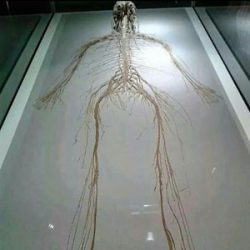
This is a picture of a person’s entire nervous system (with the exception of the nerve endings in the skin). As far as I am concerned, this is what ‘someone’ looks like in their distilled essence. This mass of neurons was once sentient. It produced the mind and housed the intellect of the person it belonged to. It processed the information coming in through the senses and painted of a picture of the world the person found themselves in. It controlled various bodily processes. I steered the body through the obstacles of life. It once had dreams and ambitious. It learned how to interact with other nervous systems. It encoded the information it found relevant into long term memory. It enjoyed the pleasures of life and it had original ideas. It mourned the loss of others and experienced the sensation of physical pain. At times it became depressed/stressed/anxious/content/relaxed/afraid/empathetic/concerned. It fell in love and procreated with others. It had invested interest in the pursuit for knowledge. It knew that it would not last forever so it at one point in its life it decided to donate itself, once expired, for scientific research. This photo wouldn’t exist if the mind this nervous system once generated didn’t have a sense of intellectual altruism for everyone else it left behind. Whomever this nervous system once belonged to, you are appreciated.

Functions of the Nervous System
The nervous system has 3 main functions: sensory, integration, and motor.

  • Sensory. The sensory function of the nervous system involves collecting information from sensory receptors that monitor the body’s internal and external conditions. These signals are then passed on to the central nervous system (CNS) for further processing by afferent neurons (and nerves).
  • Integration. The process of integration is the processing of the many sensory signals that are passed into the CNS at any given time. These signals are evaluated, compared, used for decision making, discarded or committed to memory as deemed appropriate. Integration takes place in the gray matter of the brain and spinal cord and is performed by interneurons. Many interneurons work together to form complex networks that provide this processing power.
  • Motor. Once the networks of interneurons in the CNS evaluate sensory information and decide on an action, they stimulate efferent neurons. Efferent neurons (also called motor neurons) carry signals from the gray matter of the CNS through the nerves of the peripheral nervous system to effector cells. The effector may be smooth, cardiac, or skeletal muscle tissue or glandular tissue. The effector then releases a hormone or moves a part of the body to respond to the stimulus.


via GIPHY


Filed Under: Chiropractic, Spine Tagged With: chiropractc, innate intelligance, nervous system

Everything You Need To Know About Posture Braces

August 21, 2015 by drburt


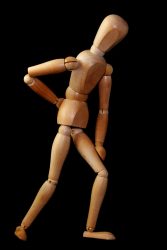
posture bracesEverything You Need To Know About Posture Braces

For a healthy body and for a happy life, you have to maintain a healthy posture and a healthy back spine. Every move we make, puts pressure on our back and it can even prevent the internal organs to work properly. This isn’t safe and we have to prevent back pains and adding too much pressure to our spine. However, you don’t need to worry, because this doesn’t mean that from morning till the moment we go to sleep out organs are under pressure, but after long hours of work, or after a long period of stand-up work, the curvature of our back can become exaggerated and this is the moment when pain can occur and we can adopt an abnormal position.

Many people try to stand up straight all day long, but this is tiring and after a while you will still hunch over. This is why for many people a passive solution is needed, a solution that will not make you consume energy that is easy and comfortable. The answer is the posture braces and it can combat the pressure that will make your back hunch and produce pain.

It is very easy to use a posture brace during every activity of your life

The brace is elastic and made from a comfortable material. You just have to put it on and continue your normal activities. Ideally, you should put it over a cotton shirt so that you won’t get sweaty during the day and you won’t even feel it. It will be like wearing nothing at all, but the advantages are very important. You will forget about the pain and the hunched position.

Why a posture brace will make you feel better

Standing straight for many hours can cause back pain as well and even if you try to maintain a healthy position while you are working standing up for hours, it is very hard and painful. The back pain will almost certainly appear and you will adopt a hunched position to combat the pain, but will suffer other consequences. Moreover, in time, due to this position, the back pain will increase and there will be nothing that will ameliorate it. This is why you should try a posture brace before the drastic consequences will appear. The brace is light and almost invisible and it won’t affect your work. In fact, it will help you, because your entire posture will be better and you will feel wonderful.

In conclusion, if you are experiencing back pain due to your bad posture, you should definitely consider a back posture brace. It is easy to use, it is cheap and it will make the difference. Let the specialists choose the best model for you and the most suitable size and wear it daily under your regular clothes. No one will know that you are wearing a brace, but your posture and your mood will take great advantage of its presence, improving every aspect of your life.

Filed Under: Posture, Spine Tagged With: posture brace, spine health

7 Major Causes of Lower Back Pain?

January 5, 2011 by drburt

INTERVERTEBRAL DISCMillions of people are affected with lower back pain all over the world. It could be a minor and temporary pain and it could be as extensive as referring pain into upper and lower extremities. There are different factors and causes of lower back pain. Below is the list of 7 major causes of lower back pain.

SPRAIN AND STRAIN:

A deconditioned lower back and the one with previous injuries is more prone to soft tissue injuries like sprains and strains. An overstretched muscle is a definition of a sprain injury. An overstretched tendon is definition of a strain injury. Both injuries result in fibrotic tissue which is extremely painful if not properly and timely rehabilitated.

DISC PROBLEMS:

The IVD or intervertebral discs (look at the main picture) are serving a function in our spine as shocks or struts in a vehicle. Their job is to prevent the vertebral bodies of the spine from degeneration which in medical term is called osteoarthritis.  Lack of mobility between vertebral bodies will cause the IVD to dehydrate and eventually shrink in height. IVD does not have any blood supply and the only way it gets the nutrients is by the process called imbibition. In plain English – when two adjacent vertebras move they help to pump liquids with nutrients into the IVD. Common disc complaints involve the disc protrusion or bulging (which can be prolapsed or sequestrated) the later is a very bad one. Make sure that you schedule your appointment with your local chiropractor at least once a month. Our body just like the vehicle we drive, it requires maintenance.

MUSCLE IMBALANCE:

Muscle imbalance is the cause of a poor posture. Over the time certain muscles loose their function under overworking conditions or when they are under utilized. If this happens the inevitable result will lead to problems such as neck pain, shoulder pain, and lower back pain or even frozen shoulder.

EMOTIONAL:

Emotional problems linked together with neuromuscular system. Stress or emotional trauma would lead to muscular tension. Muscles such Upper Trapezius and SCM (Sternocleidomastoid) are innervated by cranial nerves (which are the nerves that are connected directly to the brain).

STRACTUAL PROBLEMS:

Scoliosis – an excessive sideways curve of either the upper or lower regions of the spine. Kyphosis – sometimes referred to as “hunchback”, this is an excessive outward curve of the upper back.

DISEASE:

Ankylosing spondylitis – a disease that causes inflammation in spinal joints and limb joints potentially leading to fusion of vertebrae Arthritis – especially osteoarthritis, involves cartilage that normally cushions joints breaking down. Osteoporosis – is a condition involving thinning of the bones. It commonly occurs in women after the menopause but can also affect men.

SCIATICA:

Sciatica is a nerve pain from the sciatic nerve, a nerve that runs from the spine through the buttock and down the back of the leg. Sciatica is often caused by a disc bulge or prolapse pressing on the spinal nerve. Other causes can include a narrowing of the nerve tunnel between the discs as a result of osteoarthritis. If you would like to discover how to completely cure sciatica naturally without drugs, surgery, physical therapy, exercise, or change of diet you might want to take a look at this report “Stop Sciatica.” (affiliate link)

Please Post a comment below or share your thoughts through Facebook, Twitter or comment section below to join the conversation. Feel free to add any additional tips.

Filed Under: Low Back Pain, Spine Tagged With: biology, causes, general practice, human anatomy, intervertebral disc, low back pain, lower back, lower extremity, lows, medicine, neck pain, nerve pain, nervous system, neurology, pain, referred pain, san leandro chiropractor, sciatica, shoulder pain, symptoms

  • « Previous Page
  • 1
  • 2
  • 3
  • 4
  • 5
  • Next Page »

PLEASE FOLLOW & LIKE B.C.

RSS
Follow by Email
Facebook
Facebook
fb-share-icon
Twitter
Visit Us
Follow Me
Post on X
YouTube
YouTube
LinkedIn
LinkedIn
Share

15200 Hesperian Blvd #104

San Leandro, CA. 94578

(510) 481-2225

drburt@burtchiropractic.com


SEARCH

Categories

Recent Posts

  • Loss of Cervical Lordosis: How a Straight Neck and Pain Impact Your Health—and How a San Leandro Chiropractor Can Help Restore It
  • Hidden Injuries from Car Accidents That a San Leandro Chiropractor Can Help You Detect
  • Best San Leandro Chiropractor for Sciatica Pain Relief: Natural, Drug-Free Solutions That Work