Top Chiropractor in San Leandro, CA

San Leandro Chiropractor

  • blog
  • About Our Practice
    • YELP REVIEWS
  • What is Chiropractic?
  • SERVICES
    • Personal Injury
    • Cold Laser Therapy
    • Massage
    • Ultrasound
    • Electric Stimulation
    • Sports Injury
    • Workers Compensation
    • HS Sports Physical Examination
  • FAQs
  • CONTACT US
  • New Patient Forms
  • Nutrition Store

Powered by Genesis

Health Benefits of Chiropractic Adjustment

December 22, 2010 by drburt

Chiropractic AdjustmentDemand for Chiropractic care has been increasing. Studies from American Journal of Public Health continue to demonstrate the rising numbers and increase of people utilizing chiropractic care. There has been more than 100% increase of visits to Chiropractors in the past two decades. Many people choose this method of treatment because it is none-invasive approach and helps the body to heal and be healthier, stronger and more resilient.

Chiropractic Care and Healing Benefits

Everyday stress creates micro injuries in our bodies. If these micro injuries are not treated the person will eventually get sick from a dysfunction in a musculoskeletal system. People who have physically demanded jobs, sport activities, and activities of daily living can not function with these micro injuries. The traumatized parts of the body will cause extra pain and stress and possibly will get injured even more. Chiropractic care helps to prevent this from happening plus a person gets additional benefits such as: improved immune function, better athletic performance, pain relief, and overall great quality of life.

Regular Chiropractic care provides the following benefits:

• Person can be more relaxed

• Future injury prevention and improved immune function

• Muscle spasm reduction

• Improved circulation and movement

• Decreased levels of lactic acid

• Increased oxygenation and better nutrient delivery to cells

• Enhanced flexibility

• Pain reduction or complete elimination

• Faster recovery time

The Overall Approach

Combination of your general health and overall wellbeing go along with chiropractic care. When we are talking about health, we are not talking about the absence of pain and symptoms. Do you remember a trip to a dentist when you have that terrible toothache? Deep down you already know that damage to your tooth is already there and the only thing you can hope that your dentist will do a good job fixing it. So, why do the same thing with your health. Why see your doctor with a variety of symptoms? It is important to stay healthy and chiropractic care will be able to help you to stay healthy and happy. Remember, nervous system controls everything in your body! Minimise dis-ease and maximize your health potential att all times.

Here is a list of tips that will help you to maximize your health potential

  • Drink plenty of water during the day
  • Eat lost of organic foods and leafy greens, it will help you to keep your enzyme level up.
  • Stretch and Exercise on regular bases
  • Maximize your Oxygen intake via aerobic exercises

Additional Benefits of Chiropractic Care

  • Women gain great comfort during pregnancy and easier labor
  • Improved Postural development in newborns and decrease of scoliosis
  • Stronger immune system function
  • Prevention of Asthma, Ear Infection, Bedwetting and many other things
  • Senior citizens gain a better balance and improved sleeping

Research continues as we look at the cause of health and the benefits of chiropractic care!

Chiropractic adjustment improves movement and alignment of the spine and surrounding spinal structures. Often time patients will experience relief of symptoms and improve of function soon after chiropractic care. Chiropractic care helps to restore your health from inside out and does not require recovery period. Surgery and medical procedures often require long recovery periods. It is very important that a patient has a lifestyle change in order to maximize the health and wellbeing.

Treasure your health like the most important asset you have ever owned. Eat right, sleep right and don’t be afraid to make positive changes in your life.

Post a comment below or share your thoughts through Facebook, Twitter or comment section below to join the conversation.

Filed Under: Chiropractic, Health Tagged With: alternative medicine, american journals, asthma, Benefits, care, chiropractic, chiropractic adjustment, Chiropractic Care, chiropractic education, chiropractic in canada, health, health benefits, increase, manipulative therapy, medicine, public health, social issues, spinal adjustment

Your Health, Sponge, Vacuum, Pillow, Meat, Windows and TV

December 17, 2010 by drburt

houseThere is a saying: “Nothing is Like a Home.”  This home could also be a collector of colds and food born illnesses that people contract. Short and long term health outcome depends on the things we do around the house. Below is the list of six activities that might be making you and your children sick.

1. Your Sponge is a Jungle of Microorganisms which are Bad for Your Health

The only place in the house that never gets 100% cleaned up is the kitchen. Cleaning fish, preparing raw meet on our countertops and throwing waste in a sink will cause a breading backyard for all sorts of microorganisms. To name a few: E. Coli, salmonella and variety of viruses and bacteria.

Sponge is the most frequently used tool for cleaning kitchen’s countertop. Sponge can contain E. Coli and Fecal Bacteria and many other microbes. The second dirtiest item in your kitchen is dishrag.

The more frequently one uses the sponge the more one spreads the germs all over the countertop’s surface. One will also contaminate other appliances in the kitchen if the same sponge is applied for cleaning purposes.

How to Solve This Problem: Mixture of a bleach and water is a great solution for sterilizing a sponge. Air-drying will kill most of the germs in a sponge. Using microwave every week or even couple of times a week will keep your sponge germ free as well.

2. Vacuum Cleaning

Many vacuum cleaners do not do a good job at picking up small particles of dust. Most of these tiny dust particles escape through porous vacuum bags. They are the cause of the allergies that people get. A good alternative to a conventional vacuum cleaner would be a Rainbow vacuum cleaner. This unit has water reservoir instead of paper or plastic bag.

Small dust particles contain the highest amount  of heavy metals, lead, pesticides, and other chemicals. The everyday habit of cleaning with a conventional vacuum cleaner results in a burst of particles in the air and then they settle back down over the course of hours.

3. Sleeping With Pillows and a Mattress

Human body sheds about 1.5 million skin cells per hour and perspires one quart every day. These skin cells accumulate in our mattresses and pillows and provide and breeding farm for dust mites to grow and settle. Every ten years the mass of the mattress doubles due to the accumulation of insect parts, dust mites, fibers, lint, dust, chemicals, bacteria, spores, fungal mold, dander, animal hair, bodily secretions, human hair, and dust mites feces. After five years, ten percent of the pillow’s weight is dust mites. This is what we inhaling while sleeping.

Solution: Cover your mattress, box springs, and pillows with impervious outer covers.

Allergy-proof coverings seal the mattress and pillow, preventing anything from getting in or out, which protects you. Wash your sheets weekly in hot water. Make sure the temperature range of the water is between 130 to 150 degrees Fahrenheit

4. Grilling Meat

Reduce barbecuing frequency during nice summer days. BBQ meat creates cancer-causing compunds polycyclic hydrocarbon (PAHs) and heterocyclic amines (HCAs).

Solution: Try to use tin foil when BBQ your meat. This will prevent fat to drip off, and will help to reduce the amount of fat that hits the flames and sticks on your BBQ meat. Microwaving your meat first will help to reduce the amount of fat.

5. Opening Your House Windows

The amount of seasonal allergies and poor air quality in metropolitan areas of the USA will not do you any good. More than 50% of the US population breathes unhealthy air. Also the pollution inside of our home is much worse than outside. Poor indoor air quality is the fourth largest environmental threat in our country.

Solution: Use Air-conditioning system in your house. The filters will eliminate the exposure to bacteria, molds, mildew, tobacco smoke, viruses, animals dander, house dust mites and pollen.

home6. Prolonged Sitting in Front of the TV

Millions turn into couch potatoes in the USA. Watching TV is one of the leading causes of obesity in this country. Obesity and overweight is the leading cause for heart disease, arthritis, and many other health related problems.

Solution: Go for a walk or a bike ride. Hide the remote control so it won’t be tempting to turn the TV on.

Post a comment below or share your thoughts through Facebook, Twitter or comment section below to join the conversation.

Filed Under: Advice, Health Tagged With: acari, bedding, building biology, cleaning fish, cleanliness, dust, dust mites, health, Home, house dust mite, meat, microorganism, particulates, physics, pillows, sponges, technology, tv, vacuum bags, vacuum cleaner, vacuum cleaners, vacuums, windows

Fish Oil Is Essential For Your Health Benefits

December 13, 2010 by drburt

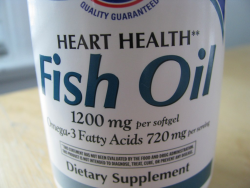
FISH OILPeople who are suffering from acne, psoriasis, ulcers, skin care, eye disorder, arthritis, vascular degeneration, Alzheimer, cancer, immunity, depression, weight loss, inflammation, diabetes,  high cholesterol, and heart disease can tremendously benefit from fish oil supplementation. The presence of very important amino acids such as Docosahexaenoic acid (DHA) and Eic0osapentaenoic acid (EPA), which are both part of Omega-3.

The best sources of  fish oil comes from the following list: salmon, pilchards, anchovies, turbol, yellow fin tuna, albacore tuna, blue fin tuna, oyster, swordfish, sardines, hearing, sea bass, halibut, rainbow trout, lake trout, and mackerel. The most frequently used for a production of fish oil are the albacore tuna, herring, mackerel, sardines, lake trout and salmon. The type of fish and refining process used will define the quality of fish oil. A developing child can have great benefits from fish oil supplementation.

  1. Helps in autism.
  2. Helps improve language.
  3. Reduce Dyslexia and Dyspraxia
  4. Helps in increment in test marks.
  5. Improves learning.
  6. Calms ADHD symptoms.
  7. Improves concentration.

The following is the list of benefits for Adult population:

  1. Can reduce risk of developing breast cancer
  2. Helps during pregnancy
  3. Improves mental alertness and concentration
  4. Boost skin health
  5. Better joint function and mobility
  6. Supports healthy energy
  7. Improves immune system
  8. Lowers triglyceride level and blood pressure
  9. Decreases the risk of  coronary artery disease
  10. Reduces the risk of developing prostate cancer
  11. Decreases inflammation
  12. Helps lower cholesterol by decreasing LDLs and increasing HDLs
  13. Weight loss
  14. Helps in relieving depression, sadness, anxiety, mental fatigue, stress
  15. Helps to fight cold, flu and cough.
  16. Fish oil contains essential fatty acid including EPA and DHA it helps in treating Alzheimer’s.

Conclusion:

In our current environment we get way too much Omega 6 that needs to be balanced out with fish oil a.k.a. Omega 3 in order to be completely healthy. Of course we can stay healthy by eating less Omega 6 but that is going to be very hard to do. That is why supplementation of fish oil is essential in our diet and it helps to restore the balance of Omega 3 to 6 ratio. If you can not eat fish every day there are many companies on the market that sell fish oil supplements. Did you get your fish oil supplementation toady?

Post a comment below or share your thoughts through Facebook, Twitter or comment section below to join the conversation.
Filed Under: Health Tagged With: amino acids, Benefits, dietary supplements, docosahexaenoic acid, essential nutrients, eye disorder, fatty acids, fish oil, fish oil supplementation, fish products, fishing, for your health, health, health benefits, heart disease, medicine, nutrition, oil, omega 3 fatty acid, psoriasis, skin care, treatment of bipolar disorder, weight loss

Vitamin D Supplementation and Your Health

December 1, 2010 by drburt

VITAMIN D
Lake Chabot 11/28/2010

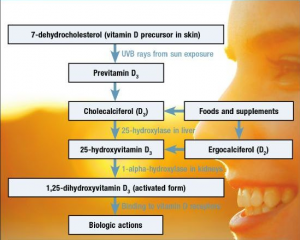
Vitamin D is a fat-soluble vitamin. This Vitamin is produced by our bodies from cholesterol via process that is activated by action of ultraviolet B rays from the sun on our skin. The following factors are taken into consideration when figuring out how much of Vitamin is our body producing: skin color, age, amount and time sun exposure, and geographic location. This important vitamin can play an important role in influences of control of cell cycles, brain, muscles, pancreas, cardiovascular and immune system, intestines and bones. Its primary functions are to maintain normal blood concentration of phosphorus and calcium and to support bone health.

Forms of Vitamin D Cholecalciferol (vitamin D3)

Vitamin D

There are two types of vitamin D. Calcitriol (1,25-dihydroxyvitamin D3) with half life of 15 hours and Calcidiol (25-hydroxyvitamin D3) with  half life of 15 days.Naturally occurring form of vitamin D; made by the skin upon sun exposure; found in foods and most supplements Calcidiol (25-hydroxyvitamin D3) Prehormone made directly from cholecalciferol in the liver; low biologic activity, but major form circulating in the bloodstream; concentrations measured by typical blood test for vitamin D deficiency Calcitriol (1,25-dihydroxyvitamin D3) Activated form made from calcidiol in the kidneys and tissues; the most potent steroid hormone in the body Ergocalciferol (vitamin D2) Made in the laboratory by radiating fungus; not naturally occurring in the body; used in prescription vitamin D (Drisdol), available in 50,000-IU capsules

Deficiency, Blood Concentrations, and Toxicity

People who live in northern parts of the world where sun exposure is limited are at risk. Failure to get at least 15 minutes a day of direct sun light, being dark skinned, olderly or overweight is a risk factor as well. Conditions such as rickets or osteomalacia, musculoskeletal and periodontal pain are associated with severe vitamin D deficiency. Conditions such as loss of appetite, diarrhea, insomnia, vision problems, and burning sensation in a mouth or throat are signs of mild deficiency of vitamin D. Specific blood test needs to be done in order to detect the level of this vitamin in the body.

Disease Prevention Cancer

Vitamin D decreases cell proliferation and increases cell differentiation, stops the growth of new blood vessels, and has significant anti-inflammatory effects. Many studies have suggested a link between low vitamin D levels and an increased risk of cancer, with the strongest evidence for colorectal cancer.

Heart Disease

Several studies are providing evidence that the protective effect of vitamin D on the heart could be via the renin-angiotensin hormone system, through the suppression of inflammation, or directly on the cells of the heart and blood-vessel walls..

Fractures and Falls

Vitamin D is known to help the body absorb calcium, and it plays a role in bone health. Also, vitamin D receptors are located on the fast-twitch muscle fibers, which are the first to respond in a fall. It is theorized that vitamin D may increase muscle strength, thereby preventing falls. Many studies have shown an association between low vitamin D concentrations and an increased risk of fractures and falls in older adults.

Autoimmune Diseases and Influenza

Since vitamin D has a role in regulating the immune system and a strong anti-inflammatory effect, it has been theorized that vitamin D deficiency could contribute to autoimmune diseases such as multiple sclerosis (MS), type 1 diabetes, rheumatoid arthritis, and autoimmune thyroid disease. Scientists have suggested that vitamin D deficiency in the winter months may be the seasonal stimulus that triggers influenza outbreaks in the winter. Numerous trials have evaluated the association between vitamin D and immune-system diseases.

Type 2 Diabetes and Depression

Some studies have shown that vitamin D may lower the risk of type 2 diabetes, but few studies have examined the effect of vitamin D on depression. A trial of nondiabetic patients aged 65 years and older found that those who received 700 IU of vitamin D (plus calcium) had a smaller rise in fasting plasma glucose over 3 years versus those who received placebo. A Norwegian trial of overweight subjects showed that those receiving a high dose of vitamin D (20,000 or 40,000 IU weekly) had a significant improvement in depressive symptom scale scores after 1 year versus those receiving placebo. These results need to be replicated in order to determine a correlation between vitamin D and the risk of diabetes or depression.

Dosing

Only a few foods are a good source of vitamin D. These include fortified dairy products and breakfast cereals, fatty fish, beef liver, and egg yolks. Besides increasing sun exposure, the best way to get additional vitamin D is through supplementation. Traditional multivitamins contain about 400 IU of vitamin D, but many multivitamins now contain 800 to 1,000 IU. A variety of options are available for individual vitamin D supplements, including capsules, chewable tablets, liquids, and drops. Cod liver oil is a good source of vitamin D, but in large doses there is a risk of vitamin A toxicity.

Since vitamin D is fat soluble, it should be taken with a snack or meal containing fat. In general, 100 IU of vitamin D daily can raise blood concentrations 1 ng/mL after 2 to 3 months Once the desired blood concentration is achieved, most people can maintain it with 800 to 1,000 IU of vitamin D daily. Even though dosages up to 10,000 IU daily do not cause toxicity, it generally is not recommended to take more than 2,000 IU daily in supplement form without the advice of a health care provider. Individuals at high risk for deficiency should have a vitamin D blood test first; a dosage of up to 3,000 to 4,000 IU may be required to restore blood concentrations.

Drug Interactions

Vitamin D supplements may interact with several types of medications. Corticosteroids can reduce calcium absorption, which results in impaired vitamin D metabolism.

Conclusion

As the number of people with vitamin D deficiency continues to increase, the importance of this hormone in overall health and the prevention of chronic diseases is at the forefront of research. The best evidence for the possible role of vitamin D in protecting against cancer comes from colorectal cancer studies. Evidence also is strong for the potential role of vitamin D in preventing fractures and falls. At this time, further studies are needed to evaluate the role of vitamin D in protecting against heart disease, autoimmune diseases, influenza, diabetes, and depression.

This Post was based on information from US Pharmacist.

Post a comment below or share your thoughts through Facebook, Twitter or comment section below to join the conversation.

Filed Under: Health Tagged With: autoimmune disease, bone health, chemistry, cholecalciferol, fat soluble, fat soluble vitamins, health, heart disease, hypervitaminosis a, hypovitaminosis d, multivitamin, nutrition, rickets, vitamin, vitamin a, vitamin d, vitamin d deficiency, vitamin d supplementation, vitamin d2, vitamin d3, vitamins, your health

  • « Previous Page
  • 1
  • …
  • 12
  • 13
  • 14
  • 15
  • 16
  • 17
  • Next Page »

PLEASE FOLLOW & LIKE B.C.

RSS
Follow by Email
Facebook
Facebook
fb-share-icon
Twitter
Visit Us
Follow Me
Post on X
YouTube
YouTube
LinkedIn
LinkedIn
Share

15200 Hesperian Blvd #104

San Leandro, CA. 94578

(510) 481-2225

drburt@burtchiropractic.com


SEARCH

Categories

Recent Posts

  • San Leandro Chiropractor for Auto Accident & T-Bone Collision Rehabilitation
  • The Hidden Danger of Whiplash: Why Minor San Leandro Intersections Lead to Major Pain
  • How to Sleep with Lower Back or Neck Pain: Practical Advice from a San Leandro Chiropractic Office