Top Chiropractor in San Leandro, CA

San Leandro Chiropractor

  • blog
  • About Our Practice
  • What is Chiropractic?
  • SERVICES
    • Personal Injury
    • Cold Laser Therapy
    • Massage
    • Ultrasound
    • Electric Stimulation
    • Sports Injury
    • Workers Compensation
  • FAQs
  • Locations
  • CONTACT US
  • New Patient Forms
  • Nutrition Store
  • Home

Powered by Genesis

Diet and Pain Management

June 10, 2011 by drburt

DIET AND PAIN“Changes in the modern diet are largely responsible for the increasing incidence of essential fatty acid (EFA) imbalances and deficiencies.”

“The ratio of omega-6 to omega-3 fats has changed dramatically due to the widespread use of vegetable oils (mostly n-6 fats) in cooking and to the processing of oils to alter omega-3 fats to improve shelf life and eliminate their stronger taste (just think of the distinctive tastes of cod liver or flax oil).”

“Historical estimates place the ratio of omega-6 to omega-3 oils at nearly 1:1 for prehistoric humans.”

By the turn of the century (1900), the ratio had increased to about 4:1. The current American ratio is about 25:1.

“The sharp rise is due to increased vegetable oil consumption: from 2 lb. per year in 1909 to 25 lb. per year in 1985!”

“Many of the chronic inflammatory conditions that accompany EFA imbalance are currently treated with symptom-specific pharmaceutical drugs such as steroids, prednisone, aspirin, and other nonsteroidal anti-inflammatory drugs (NSAIDs), sulfasalazine, and colchicine.”

“The problem with such drug therapies is that they prevent the formation of ‘good’ anti-inflammatory eicosanoids, or they shift the production of one type of eicosanoid to another.”

“For effective, long-term management, eicosanoid production should be modified through dietary changes (balancing dietary intake of specific fats) and controlling insulin levels in the circulation.”

“Maintaining a proper balance between the various families of dietary fats may be one of the most important preventative measures a person can take to reduce the likelihood of developing one of the chronic diseases of modern civilization, such as diabetes, heart disease, obesity, irritable bowel syndrome, and autoimmune disease.”

“And for patients who may already have one of these diseases, EFA testing and therapy has been demonstrated to reduce both morbidity and mortality associated with these diseases.”

Source: American Academy of Pain Management – Weiner’s Pain Management – A Practical Guide for Clinicians



Filed Under: Low Back Pain, Neck Pain Tagged With: carboxylic acids, chemistry, deficiency, Diet, Diets, eicosanoid, essential fatty acid, essential nutrients, fatty acids, flax oil, health, imbalance, incidence, increase, medicine, menagement, nutrition, omega 3 fatty acid, omega 6 fatty acid, pain, treatment of bipolar disorder, vegetable oil

Coenzyme Q10 Supplementation is Critical For Your Health

January 14, 2011 by drburt

CoenzymeQ10Coenzyme Q10 (CoQ10) is an essential element in the creation of energy that cells need for their life support. CoQ10 also know as Ubiquinone because it is ubiquitous, meaning that it is part of every living cell in our body. When the level of Coenzyme is reduced to 25 percent many health problems may appear. High Blood Pressure, Heart Attacks, Immune Deficiencies and cancer are a few of the diseases. It is a scientific fact, that when the level of Coenzyme drops below 75 percent the life can no longer exist.

CoenzymeQ10 support cellular energy production by helping create adenosine triphosphate (ATP), which is the body’s primary source of stored energy. Muscle cells, produce ATP with fuel released from foods – glucose, fatty acids, amino acids, various enzymes, oxygen and CoQ10.

Coenzyme Q10 is also functions as an important antioxidant, which provides protection from oxidative damaging process that is taking place in fat-soluble media such as cell membranes, which are composed of fatty acids. This Coenzyme, also works together with Vitamin E to prevent the damage to lipid membranes and plasma lipids. Like other antioxidants, CoQ10 also provides protection against the accumulation and deposits of oxidized fats in blood vessels, which eventually can cause atherosclerosis. (This information was taken from Molecular Medicine, 1994, vol. 15)

Coenzyme is sold in tablets or soft gel capsules. For best absorption, take the tablets with a little fat or in the soft gel capsule form. Therapeutic doses range from 30 to 100 mg per day or more – this amount exceeds 10 to 40 times the amount found in organ meet, the most concentrated dietary source of CoQ10. Most studies use dosages of 100 mg or more per day, but patients with heart problems can take up to 300mg per day. Coenzyme Q10 stays in the blood for along time, so doses don’t need to be divided over the day.  The effects of CoQ10 usually takes several weeks to notice, and long term use may be required for those patients who have serious heart conditions.

Please Post a comment or share your thoughts through Facebook, Twitter or comment section below to join the conversation.

Filed Under: Health Tagged With: adenosine triphosphate, amino acids, antioxidants, biochemistry, biology, cell membranes, cellular energy production, cellular respiration, chemistry, coenzyme q10, coenzymes, coq10, dietary source, fatty acid, fatty acids, heart attacks, heart problems, high blood pressure, immune deficiencies, important antioxidant, lipid, lipid membranes, molecular medicine, muscle cells, nucleotides, physiology, plasma lipids, soft gel capsule, soft gel capsules, therapeutic doses, ubiquinone

Fish Oil Is Essential For Your Health Benefits

December 13, 2010 by drburt

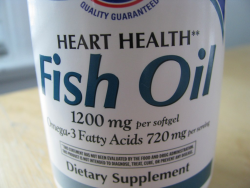
FISH OILPeople who are suffering from acne, psoriasis, ulcers, skin care, eye disorder, arthritis, vascular degeneration, Alzheimer, cancer, immunity, depression, weight loss, inflammation, diabetes,  high cholesterol, and heart disease can tremendously benefit from fish oil supplementation. The presence of very important amino acids such as Docosahexaenoic acid (DHA) and Eic0osapentaenoic acid (EPA), which are both part of Omega-3.

The best sources of  fish oil comes from the following list: salmon, pilchards, anchovies, turbol, yellow fin tuna, albacore tuna, blue fin tuna, oyster, swordfish, sardines, hearing, sea bass, halibut, rainbow trout, lake trout, and mackerel. The most frequently used for a production of fish oil are the albacore tuna, herring, mackerel, sardines, lake trout and salmon. The type of fish and refining process used will define the quality of fish oil. A developing child can have great benefits from fish oil supplementation.

  1. Helps in autism.
  2. Helps improve language.
  3. Reduce Dyslexia and Dyspraxia
  4. Helps in increment in test marks.
  5. Improves learning.
  6. Calms ADHD symptoms.
  7. Improves concentration.

The following is the list of benefits for Adult population:

  1. Can reduce risk of developing breast cancer
  2. Helps during pregnancy
  3. Improves mental alertness and concentration
  4. Boost skin health
  5. Better joint function and mobility
  6. Supports healthy energy
  7. Improves immune system
  8. Lowers triglyceride level and blood pressure
  9. Decreases the risk of  coronary artery disease
  10. Reduces the risk of developing prostate cancer
  11. Decreases inflammation
  12. Helps lower cholesterol by decreasing LDLs and increasing HDLs
  13. Weight loss
  14. Helps in relieving depression, sadness, anxiety, mental fatigue, stress
  15. Helps to fight cold, flu and cough.
  16. Fish oil contains essential fatty acid including EPA and DHA it helps in treating Alzheimer’s.

Conclusion:

In our current environment we get way too much Omega 6 that needs to be balanced out with fish oil a.k.a. Omega 3 in order to be completely healthy. Of course we can stay healthy by eating less Omega 6 but that is going to be very hard to do. That is why supplementation of fish oil is essential in our diet and it helps to restore the balance of Omega 3 to 6 ratio. If you can not eat fish every day there are many companies on the market that sell fish oil supplements. Did you get your fish oil supplementation toady?

Post a comment below or share your thoughts through Facebook, Twitter or comment section below to join the conversation.

Filed Under: Health Tagged With: amino acids, Benefits, dietary supplements, docosahexaenoic acid, essential nutrients, eye disorder, fatty acids, fish oil, fish oil supplementation, fish products, fishing, for your health, health, health benefits, heart disease, medicine, nutrition, oil, omega 3 fatty acid, psoriasis, skin care, treatment of bipolar disorder, weight loss

PLEASE FOLLOW & LIKE B.C.

RSS
Follow by Email
Facebook
Facebook
fb-share-icon
Twitter
Visit Us
Follow Me
Post on X
YouTube
YouTube
LinkedIn
LinkedIn
Share

15200 Hesperian Blvd #104

San Leandro, CA. 94578

(510) 481-2225

drburt@burtchiropractic.com


SEARCH

Categories

Recent Posts

  • Loss of Cervical Lordosis: How a Straight Neck and Pain Impact Your Health—and How a San Leandro Chiropractor Can Help Restore It
  • Hidden Injuries from Car Accidents That a San Leandro Chiropractor Can Help You Detect
  • Best San Leandro Chiropractor for Sciatica Pain Relief: Natural, Drug-Free Solutions That Work