Top Chiropractor in San Leandro, CA

San Leandro Chiropractor

  • blog
  • About Our Practice
  • What is Chiropractic?
  • SERVICES
    • Personal Injury
    • Cold Laser Therapy
    • Massage
    • Ultrasound
    • Electric Stimulation
    • Sports Injury
    • Workers Compensation
  • FAQs
  • Locations
  • CONTACT US
  • New Patient Forms
  • Nutrition Store
  • Home

Powered by Genesis

Plantar Fasciitis and Chiropractic Care

February 16, 2011 by drburt

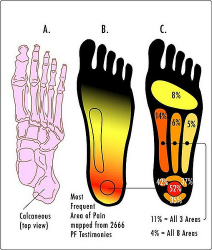
PLANTAR FASCIITISPlantar fasciitis is a condition that refers to a lingering pain on the bottom of the foot. It is a condition that normally does not respond well to traditional methods of treatment. This condition causes muscular dysfunction and pain that can cause serious drop in a patient’s movement especially with their physical activities.

There are many ways for a person to suffer from plantar fasciitis such as over pronation, walking with a flat foot, developing tight Achilles tendon, sudden increase in mileage when running and a high arched foot all adding for to a cause this condition. A patient who suffers from plantar fasciitis normally complains about experiencing pain localized at the bottom of their foot deploying to the inside of the heel. In a typical injury a pain from plantar fasciitis will make for a patient very difficult to place the weight on the foot due to the intense throbbing pain. Walking a few steps in the morning proves to be painful as well as doing other physical activities like running and jumping.

What Causes Plantar Fasciitis?

  1. Too much standing
  2. Unpadded shoes on hard ground
  3. Poor shoes
  4. Repetitive stress
  5. Diets low in vitamin C
  6. A change or increase in activities
  7. Being overweight
  8. An injury.

Affected Muscles

The plantar fascia is a band of fibers which runs from the heel bone to the base of the toes. Plantar Fascitis occurs when these tissues are irritated and inflamed. Bone spurs often form on the heel if this condition is not correctly treated.

Biomechanical or training flaws such as over-pronation, flat feet, a tight Achilles tendon, a high-arched foot, or a sudden increase in training mileage often cause plantar fascitis.

The actual plantar fascia is not the common cause of pain on the bottom of the foot. The Plantar Aponeurosis, a long tendon in the bottom of your foot, is often involved. Two muscles, the Quadratus plantae and the Flexor digitorum brevis, frequently contribute to the problem.

Long distance walking, running cycling, or just standing can overwork these muscles. As they are chronically over-worked, they start to shorten. When a muscle shortens, it is less resilient and is more easily damaged. As the Plantar aponeurosis and the muscles shorten, they produce pain in the bottom of the foot.

With the lack of success in traditional healing, chiropractic care has become one of the leading choice of treatment for patients suffering from this condition. Plantar fasciitis and chiropractic care go hand in hand with the administering of Active Release Techniques (A.R.T.), this method of chiropractic allows therapy to target the soft tissues in the feet. Its aim is to make the different parts of the foot and ankle to move through a typical full range and keep the stress located on the plantar fascia to a minimum.

Chiropractic care treatment done by a chiropractic practitioner often gets the job done in limiting the pain caused by plantar fasciitis. It helps bring the treatment into the root of the problem by getting rid of restrictions along the joints, muscles and other parts of the foot. The chiropractor will also help increase the work and movement range flexibility of the calf muscles by using special treatment protocols that help correct other functional risk factors such as tightness and weakening of the intrinsic muscles of the foot.

If a patient sees a chiropractor earlier than most, the more chances they will have in preventing further injury and the higher chances they will have at a full recovery. A successful chiropractic treatment will also avoid any further reoccurrences of plantar fasciitis.

Chiropractic helps in treating individuals with plantar fasciitis and coupled with the right kind of lifestyle that involves exercising regularly and a proper diet and nutrition it is not fat fetched that the therapy and chiropractic healing methods will do the trick. Manipulation, stretching, soft tissue work, ultrasound and home exercises are just some of the chiropractic therapies administered for patients suffering with this condition.

Do not risk your feet and your ability to gain strength and perform physical activities. Consult a doctor of chiropractic at the onset of feeling pain under your feet, as it might be the initial stage of a plantar fasciitis and let the wonders of chiropractic treatment help you achieve great health and body condition that is always in tip top shape.

If you have anything to add to this post, please feel free to Post a comment or share your thoughts through Facebook, Twitter or comment section below to join the conversation.
Filed Under: Chiropractic Tagged With: achilles tendons, anatomy, biology, causes plantar fasciitis, chiropractic, Chiropractic Care, fascia, fasciitis, flat feet, Foot, foot diseases, medicine, orthopedic surgery, plantar, plantar fascia, plantar fasciitis, plantar fascitis

MSG or Monosodium Glutamate and Your Health

January 19, 2011 by drburt

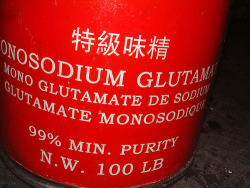
MONOSODIUM GLUTAMATEPrevious post was about Aspartame and how dangerous it is for your health. Today I would like to talk about other food additive that is extremely dangerous for your health. This additive is found in every fast food chain restaurants and food stores – MSG or Monosodium Glutamate. This is not the first time you hear about this brain cells excitatory and then killing compound. MSG adds a great flavor to your taste buds but takes away years of your life, just like smoking, drinking alcohol, consumption of High Fructose Corn Syrup, and Aspartame containing products. Many manufacturers are adding Monosodium Glutamate for a better taste of food. Your brain is being fooled by the excitatory effect of this chemical compound. For a very short period of time your brain speeds up and reacts sharply. People usually become addictive to the foods that have high concentration of MSG.

MSG and Your Brain

MSG has been found to be the cause of a great variety of human brain diseases – Alzheimer’s disease, Huntington’s disease, Parkinson’s disease, high blood pressure, stroke and even brain cancer. This product has also been linked to be the cause of an allergic reaction in patients who have asthma. Research proved that large quantity of MSG has caused the death of brain cells. The cause of death of these brain cells was the free radical production during chemical process that is taking inside of the cell. When this research was published, public forced baby-food companies to discontinue mixing MSG with the products that they produce.

There have been many reports from individuals concerning how eating foods with MSG affect their health in a negative way. In 1995, the FDA reaffirmed the safety of monosodium glutamate and found no evidence that it causes long-term health problems. The FDA did admit that some people could have short-term reactions to MSG. The negative symptoms of eating foods with this additive might include: headaches, the feeling of swelling in the face, flushing and or sweating, rapid fluttering of heartbeats or heart palpitations, nausea, chest pain, shortness of breath, numbness, burning or tingling around the mouth area, weakness, and fibromyalgia. Here is a guide to  “The Connection Between Fibromyalgia & Monosodium Glutamate.” (affiliate link) Fibromyalgia and Chronic Pain are complex conditions and difficult to diagnose. Severe or mild, let me show you how to eliminate the pain forever.

If you ate enough foods all day that contained MSG, it could build up in your body. This could lead to some of the symptoms mentioned above later at night including the heart palpitations. As people are now growing up eating more monosodium glutame containing foods, we could be getting more sensitive to it, which makes its reactions in our body worse when we eat it.

Processed Food Labeling – Read It Carefully

Every manufacturer hides MSG in their products by naming them differently. Please read the label carefully and look for the following names: hydrolyzed plant protein, yeast extract, sodium caseinate, malt extract, bouillon broth and protein concentrate. This chemical can also be found in the following products: milk products, soft drinks, candy, chewing gum, health drink powders, some medications and in binders for nutrients, supplements and both prescription and over-the-counter medicines.

Free and Bound Glutamate

Glutamate is a natural neurotransmitter in the brain. Its function is to control the nervous system and proper brain and organ function. When a person consumes food with high levels of MSG the brain cells and glutamate receptors get over stimulated. Many food producing companies state that monosodium glutamate exposed to the same metabolic process as glutamate from natural occurring food and therefore they claim it harmless to a human health. MSG glutamates are unbound and are able to quickly spike blood levels with glutamate.

High levels of glutamate will over stimulate brain neurons and as a result could be the cause of psychological and physical problems. Age, disease and stress level will be the factor of how sensitive the organism is to monosodium glutamate. There were reports of permanent brain damage with an overdose of this chemical compound. Glutamate receptors are found in the following parts of the body: brain, heart, lungs and the pancreas, where glutamate is a neurotransmitter.

Please read labels carefully before you purchase food product for a store. Remember – HEALTH IS THE MOST VALUABLE ASSET !!!

Please Post a comment or share your thoughts through Facebook, Twitter or comment section below to join the conversation.

Filed Under: Health Tagged With: alzheimer's disease, biology, Brain, brain cancer, brain cells, chemistry, food additives, food and drink, food stores, glutamate, glutamate receptor, glutamic acid, human brain, monosodium, monosodium glutamate, msg, neurotransmitters, sodium compounds, taste, yeast extract, your health

Coenzyme Q10 Supplementation is Critical For Your Health

January 14, 2011 by drburt

CoenzymeQ10Coenzyme Q10 (CoQ10) is an essential element in the creation of energy that cells need for their life support. CoQ10 also know as Ubiquinone because it is ubiquitous, meaning that it is part of every living cell in our body. When the level of Coenzyme is reduced to 25 percent many health problems may appear. High Blood Pressure, Heart Attacks, Immune Deficiencies and cancer are a few of the diseases. It is a scientific fact, that when the level of Coenzyme drops below 75 percent the life can no longer exist.

CoenzymeQ10 support cellular energy production by helping create adenosine triphosphate (ATP), which is the body’s primary source of stored energy. Muscle cells, produce ATP with fuel released from foods – glucose, fatty acids, amino acids, various enzymes, oxygen and CoQ10.

Coenzyme Q10 is also functions as an important antioxidant, which provides protection from oxidative damaging process that is taking place in fat-soluble media such as cell membranes, which are composed of fatty acids. This Coenzyme, also works together with Vitamin E to prevent the damage to lipid membranes and plasma lipids. Like other antioxidants, CoQ10 also provides protection against the accumulation and deposits of oxidized fats in blood vessels, which eventually can cause atherosclerosis. (This information was taken from Molecular Medicine, 1994, vol. 15)

Coenzyme is sold in tablets or soft gel capsules. For best absorption, take the tablets with a little fat or in the soft gel capsule form. Therapeutic doses range from 30 to 100 mg per day or more – this amount exceeds 10 to 40 times the amount found in organ meet, the most concentrated dietary source of CoQ10. Most studies use dosages of 100 mg or more per day, but patients with heart problems can take up to 300mg per day. Coenzyme Q10 stays in the blood for along time, so doses don’t need to be divided over the day.  The effects of CoQ10 usually takes several weeks to notice, and long term use may be required for those patients who have serious heart conditions.

Please Post a comment or share your thoughts through Facebook, Twitter or comment section below to join the conversation.
Filed Under: Health Tagged With: adenosine triphosphate, amino acids, antioxidants, biochemistry, biology, cell membranes, cellular energy production, cellular respiration, chemistry, coenzyme q10, coenzymes, coq10, dietary source, fatty acid, fatty acids, heart attacks, heart problems, high blood pressure, immune deficiencies, important antioxidant, lipid, lipid membranes, molecular medicine, muscle cells, nucleotides, physiology, plasma lipids, soft gel capsule, soft gel capsules, therapeutic doses, ubiquinone

7 Major Causes of Lower Back Pain?

January 5, 2011 by drburt

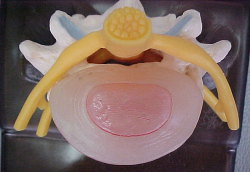
INTERVERTEBRAL DISCMillions of people are affected with lower back pain all over the world. It could be a minor and temporary pain and it could be as extensive as referring pain into upper and lower extremities. There are different factors and causes of lower back pain. Below is the list of 7 major causes of lower back pain.

SPRAIN AND STRAIN:

A deconditioned lower back and the one with previous injuries is more prone to soft tissue injuries like sprains and strains. An overstretched muscle is a definition of a sprain injury. An overstretched tendon is definition of a strain injury. Both injuries result in fibrotic tissue which is extremely painful if not properly and timely rehabilitated.

DISC PROBLEMS:

The IVD or intervertebral discs (look at the main picture) are serving a function in our spine as shocks or struts in a vehicle. Their job is to prevent the vertebral bodies of the spine from degeneration which in medical term is called osteoarthritis.  Lack of mobility between vertebral bodies will cause the IVD to dehydrate and eventually shrink in height. IVD does not have any blood supply and the only way it gets the nutrients is by the process called imbibition. In plain English – when two adjacent vertebras move they help to pump liquids with nutrients into the IVD. Common disc complaints involve the disc protrusion or bulging (which can be prolapsed or sequestrated) the later is a very bad one. Make sure that you schedule your appointment with your local chiropractor at least once a month. Our body just like the vehicle we drive, it requires maintenance.

MUSCLE IMBALANCE:

Muscle imbalance is the cause of a poor posture. Over the time certain muscles loose their function under overworking conditions or when they are under utilized. If this happens the inevitable result will lead to problems such as neck pain, shoulder pain, and lower back pain or even frozen shoulder.

EMOTIONAL:

Emotional problems linked together with neuromuscular system. Stress or emotional trauma would lead to muscular tension. Muscles such Upper Trapezius and SCM (Sternocleidomastoid) are innervated by cranial nerves (which are the nerves that are connected directly to the brain).

STRACTUAL PROBLEMS:

Scoliosis – an excessive sideways curve of either the upper or lower regions of the spine. Kyphosis – sometimes referred to as “hunchback”, this is an excessive outward curve of the upper back.

DISEASE:

Ankylosing spondylitis – a disease that causes inflammation in spinal joints and limb joints potentially leading to fusion of vertebrae Arthritis – especially osteoarthritis, involves cartilage that normally cushions joints breaking down. Osteoporosis – is a condition involving thinning of the bones. It commonly occurs in women after the menopause but can also affect men.

SCIATICA:

Sciatica is a nerve pain from the sciatic nerve, a nerve that runs from the spine through the buttock and down the back of the leg. Sciatica is often caused by a disc bulge or prolapse pressing on the spinal nerve. Other causes can include a narrowing of the nerve tunnel between the discs as a result of osteoarthritis. If you would like to discover how to completely cure sciatica naturally without drugs, surgery, physical therapy, exercise, or change of diet you might want to take a look at this report “Stop Sciatica.” (affiliate link)

Please Post a comment below or share your thoughts through Facebook, Twitter or comment section below to join the conversation. Feel free to add any additional tips.

Filed Under: Low Back Pain, Spine Tagged With: biology, causes, general practice, human anatomy, intervertebral disc, low back pain, lower back, lower extremity, lows, medicine, neck pain, nerve pain, nervous system, neurology, pain, referred pain, san leandro chiropractor, sciatica, shoulder pain, symptoms

  • « Previous Page
  • 1
  • 2
  • 3
  • 4
  • 5
  • Next Page »

PLEASE FOLLOW & LIKE B.C.

RSS
Follow by Email
Facebook
Facebook
fb-share-icon
Twitter
Visit Us
Follow Me
Post on X
YouTube
YouTube
LinkedIn
LinkedIn
Share

15200 Hesperian Blvd #104

San Leandro, CA. 94578

(510) 481-2225

drburt@burtchiropractic.com


SEARCH

Categories

Recent Posts

  • Loss of Cervical Lordosis: How a Straight Neck and Pain Impact Your Health—and How a San Leandro Chiropractor Can Help Restore It
  • Hidden Injuries from Car Accidents That a San Leandro Chiropractor Can Help You Detect
  • Best San Leandro Chiropractor for Sciatica Pain Relief: Natural, Drug-Free Solutions That Work