Top Chiropractor in San Leandro, CA

San Leandro Chiropractor

  • blog
  • About Our Practice
  • What is Chiropractic?
  • SERVICES
    • Personal Injury
    • Cold Laser Therapy
    • Massage
    • Ultrasound
    • Electric Stimulation
    • Sports Injury
    • Workers Compensation
  • FAQs
  • Locations
  • CONTACT US
  • New Patient Forms
  • Nutrition Store
  • Home

Powered by Genesis

Fish Oil Is Essential For Your Health Benefits

December 13, 2010 by drburt

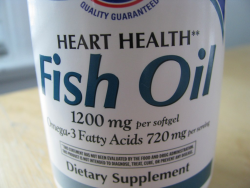
FISH OILPeople who are suffering from acne, psoriasis, ulcers, skin care, eye disorder, arthritis, vascular degeneration, Alzheimer, cancer, immunity, depression, weight loss, inflammation, diabetes,  high cholesterol, and heart disease can tremendously benefit from fish oil supplementation. The presence of very important amino acids such as Docosahexaenoic acid (DHA) and Eic0osapentaenoic acid (EPA), which are both part of Omega-3.

The best sources of  fish oil comes from the following list: salmon, pilchards, anchovies, turbol, yellow fin tuna, albacore tuna, blue fin tuna, oyster, swordfish, sardines, hearing, sea bass, halibut, rainbow trout, lake trout, and mackerel. The most frequently used for a production of fish oil are the albacore tuna, herring, mackerel, sardines, lake trout and salmon. The type of fish and refining process used will define the quality of fish oil. A developing child can have great benefits from fish oil supplementation.

  1. Helps in autism.
  2. Helps improve language.
  3. Reduce Dyslexia and Dyspraxia
  4. Helps in increment in test marks.
  5. Improves learning.
  6. Calms ADHD symptoms.
  7. Improves concentration.

The following is the list of benefits for Adult population:

  1. Can reduce risk of developing breast cancer
  2. Helps during pregnancy
  3. Improves mental alertness and concentration
  4. Boost skin health
  5. Better joint function and mobility
  6. Supports healthy energy
  7. Improves immune system
  8. Lowers triglyceride level and blood pressure
  9. Decreases the risk of  coronary artery disease
  10. Reduces the risk of developing prostate cancer
  11. Decreases inflammation
  12. Helps lower cholesterol by decreasing LDLs and increasing HDLs
  13. Weight loss
  14. Helps in relieving depression, sadness, anxiety, mental fatigue, stress
  15. Helps to fight cold, flu and cough.
  16. Fish oil contains essential fatty acid including EPA and DHA it helps in treating Alzheimer’s.

Conclusion:

In our current environment we get way too much Omega 6 that needs to be balanced out with fish oil a.k.a. Omega 3 in order to be completely healthy. Of course we can stay healthy by eating less Omega 6 but that is going to be very hard to do. That is why supplementation of fish oil is essential in our diet and it helps to restore the balance of Omega 3 to 6 ratio. If you can not eat fish every day there are many companies on the market that sell fish oil supplements. Did you get your fish oil supplementation toady?

Post a comment below or share your thoughts through Facebook, Twitter or comment section below to join the conversation.

Filed Under: Health Tagged With: amino acids, Benefits, dietary supplements, docosahexaenoic acid, essential nutrients, eye disorder, fatty acids, fish oil, fish oil supplementation, fish products, fishing, for your health, health, health benefits, heart disease, medicine, nutrition, oil, omega 3 fatty acid, psoriasis, skin care, treatment of bipolar disorder, weight loss

Foods That Will Enhance Your Blood Circulation

December 10, 2010 by drburt

heartPumpkin Seeds

Pumpkin seeds are a good source of vitamin E which research has shown can help reduce the stickiness of blood and therefore lower the likelihood of blood clots forming.

Other benefits of pumpkin seeds include:

Prostate Protection

They promote overall prostate health and alleviate the difficult urination associated with an enlarged prostate.

Improved Bladder Function

In some studies, pumpkin seed extracts improved bladder function in animals.

Depression Treatment

They contain L-tryptophan, a compound naturally effective against depression.

Prevention of Osteoporosis

Because they are high in zinc, pumpkin seeds are a natural protector against osteoporosis. Low intake of zinc is linked to higher rates of osteoporosis.

Natural Anti-Inflammatory

Pumpkin seeds effectively reduce inflammation without the side effects of anti-inflammatory drugs.

Prevention of Kidney Stones

They prevent calcium oxalate kidney stone formation, according to studies.

Treatment of Parasites

They are used in many cultures as a natural treatment for tapeworms and other parasites. Studies also show them to be effective against acute schistosomiasis, a parasite contracted from snails.

Great Source of Magnesium

1/2 cup of pumpkin seeds contains 92% of your daily value of magnesium, a mineral in which most Americans are deficient.

Lower Cholesterol

Pumpkin seeds contain phytosterols, compounds that that have been shown to reduce levels of LDL cholesterol.

Cancer Prevention

The same phytosterols that lower cholesterol also protect against many cancers.

Oranges

The high levels of vitamin C and bioflavonoids in oranges help the flow of blood through your body by strengthening the capillary walls.

Other benefits of oranges:

Arteriosclerosis:  Regularly consuming vitamin C retards the development of hardening of the arteries.

Cancer prevention:  A compound in oranges called liminoid, has been found to help fight cancers of the mouth, skin, lung, breast, stomach and colon.  The high vitamin C content also acts as a good anti-oxidant that protects cells from damages by free radicals.

Cholesterol:  The alkaloid synephrine found under the orange peel can reduce the liver’s production of cholesterol.  Whereas the anti-oxidant fights oxidative stress that is the main culprit in oxidizing the LDLs in our blood.

Constipation:  Even though the orange “tastes acidic”, it actually has an alkaline effect in the digestive system and helps stimulate the digestive juices, relieving constipation.

Damaged sperm, repair: An orange a day is sufficient for a man to keep his sperm healthy.  Vitamin C, an anti-oxidant, protects sperm from genetic damage that may cause a birth defect.

Heart disease:  A high intake of flavonoids and vitamin C has been known to halve the risk of heart diseases.

High blood pressure:   Studies have shown that a flavonoid called hesperidin in oranges can lower high blood pressure.

Immune system: The strong content of vitamin C stimulates white cells to fight infection, naturally building a good immune system.

Kidney stones, prevent: Drinking orange juice daily can significantly drop the risk of formation of calcium oxalate stones in the kidney.

Skin:  The anti-oxidant in orange help protect the skin from free radical damage known to cause signs of aging.

Stomach ulcer:  Consuming vitamin C rich foods helps to lower the incidence of peptic ulcers and in turn, reduce the risk of stomach cancer.

Viral infections, protection against: The abundance of polyphenols have been shown to provide protection against viral infections.

Nuts

Nuts contain niacin, or vitamin B3 as it is sometimes referred to, which essentially gives your blood a boost and therefore can prevent circulation problems.

Other benefits of nuts: Dementia, Gall stones, Macular degeneration, Strokes, Type II diabetes

Watermelon

Watermelons are rich in lycopene which can help prevent a buildup of plaque (a substance that can interfere with blood flow) in the arteries and therefore ensure healthy blood circulation.

Other benefits of watermelon:

It is an excellent source of vitamin C and a very good source of vitamin A, particularly through its concentration of beta-carotene.

The beautiful red watermelon is also a source of the potent carotene antioxidant which is called lycopene. These antioxidants travel throughout the body neutralizing free radicals. Free radicals are substances in the body that can cause much damage to us. They are able to oxidize cholesterol, making it stick to blood vessel walls and thicken them which can lead to hearty attack or stroke. The lycopene which gives fruits the attractive red color that we find in watermelon can help reduce the risks of prostate cancer.

It is a surprising fact that watermelon is the only fruit that contains higher concentrations of lycopene than any other fresh fruit or vegetable.

Watermelon is a fruit that is rich in electrolytes sodium and potassium that we lose through our perspiration.

Watermelon is rich in the B vitamins necessary for energy production. Food experts recommend watermelon as a very good source of vitamin B6 and a good source of vitamin B1 and magnesium. Because of its higher water content approximately ninety percent and calorie value it is ranked more valuable than other fruits.

Watermelon has a special cooling effect and is exceptionally high in citrulline, an amino acid that our bodies use to make another amino acid, arginine, which is used in the urea cycle to remove ammonia from the body.

The antioxidants help reducing the severity of asthma. It also reduces the risk of colon cancer, asthma, heart disease, rheumatoid arthritis, and prostate cancer.

Watermelon is a good source of thiamin, potassium and magnesium which protect our body from so many diseases.

Watermelon is fat free but helps energy production. It protects against macular degeneration.

Garlic

Blood circulation is another of the many strings to garlic’s bow. It can help prevent the accumulation of plaque and in some cases actively reduce it.

Other benefits of garlic:

Allergies

Garlic is known to have antiviral properties, which helps the body fight against allergies. Simply take one tablet of garlic supplement each day 2 or 3 weeks before the usual allergy season begins.

Coughing

Garlic’s antibacterial properties make it a wonderful treatment for coughs and other throat irritations. Garlic may also reduce the severity of upper respiratory tract infections.

Diabetes

Garlic is considered to regulate blood sugar levels by increasing the release of insulin in diabetics. Therefore an effective remedy is to take one capsule or tablet of garlic everyday.

High Blood Pressure

Clinical studies have shown that people with high blood pressure who took garlic capsules daily for up to five months lowered their blood pressure levels as effectively as patients taking prescription blood pressure drugs. A suggested dosage is 600-900mg garlic capsules once daily.

High Cholesterol

Studies have shown that taking 600-900mg of garlic everyday lowers cholesterol levels and reduces arterial plaque formation by 5–18%. Therefore, an effective natural remedy is to take one garlic tablet or capsule (600-900mg) once per day.

Toothaches

Garlic’s antibacterial, analgesic, and anesthetizing properties can help cure toothaches. Simply put some garlic oil or a piece of crushed garlic clove directly onto the affected tooth and the gum for instant relief.

Filed Under: Advice, Health Tagged With: b vitamins, blood circulation, blood clots, cancer prevention, cucurbitaceae, foods, garlic, kidney stones, lower cholesterol, lycopene, medicine, nutrition, prostate cancer, pumpkin, pumpkin seed extract, pumpkin seeds, vitamin c, vitamins, watermelon

Vitamin D Supplementation and Your Health

December 1, 2010 by drburt

VITAMIN D
Lake Chabot 11/28/2010

Vitamin D is a fat-soluble vitamin. This Vitamin is produced by our bodies from cholesterol via process that is activated by action of ultraviolet B rays from the sun on our skin. The following factors are taken into consideration when figuring out how much of Vitamin is our body producing: skin color, age, amount and time sun exposure, and geographic location. This important vitamin can play an important role in influences of control of cell cycles, brain, muscles, pancreas, cardiovascular and immune system, intestines and bones. Its primary functions are to maintain normal blood concentration of phosphorus and calcium and to support bone health.

Forms of Vitamin D Cholecalciferol (vitamin D3)

Vitamin D

There are two types of vitamin D. Calcitriol (1,25-dihydroxyvitamin D3) with half life of 15 hours and Calcidiol (25-hydroxyvitamin D3) with  half life of 15 days.Naturally occurring form of vitamin D; made by the skin upon sun exposure; found in foods and most supplements Calcidiol (25-hydroxyvitamin D3) Prehormone made directly from cholecalciferol in the liver; low biologic activity, but major form circulating in the bloodstream; concentrations measured by typical blood test for vitamin D deficiency Calcitriol (1,25-dihydroxyvitamin D3) Activated form made from calcidiol in the kidneys and tissues; the most potent steroid hormone in the body Ergocalciferol (vitamin D2) Made in the laboratory by radiating fungus; not naturally occurring in the body; used in prescription vitamin D (Drisdol), available in 50,000-IU capsules

Deficiency, Blood Concentrations, and Toxicity

People who live in northern parts of the world where sun exposure is limited are at risk. Failure to get at least 15 minutes a day of direct sun light, being dark skinned, olderly or overweight is a risk factor as well. Conditions such as rickets or osteomalacia, musculoskeletal and periodontal pain are associated with severe vitamin D deficiency. Conditions such as loss of appetite, diarrhea, insomnia, vision problems, and burning sensation in a mouth or throat are signs of mild deficiency of vitamin D. Specific blood test needs to be done in order to detect the level of this vitamin in the body.

Disease Prevention Cancer

Vitamin D decreases cell proliferation and increases cell differentiation, stops the growth of new blood vessels, and has significant anti-inflammatory effects. Many studies have suggested a link between low vitamin D levels and an increased risk of cancer, with the strongest evidence for colorectal cancer.

Heart Disease

Several studies are providing evidence that the protective effect of vitamin D on the heart could be via the renin-angiotensin hormone system, through the suppression of inflammation, or directly on the cells of the heart and blood-vessel walls..

Fractures and Falls

Vitamin D is known to help the body absorb calcium, and it plays a role in bone health. Also, vitamin D receptors are located on the fast-twitch muscle fibers, which are the first to respond in a fall. It is theorized that vitamin D may increase muscle strength, thereby preventing falls. Many studies have shown an association between low vitamin D concentrations and an increased risk of fractures and falls in older adults.

Autoimmune Diseases and Influenza

Since vitamin D has a role in regulating the immune system and a strong anti-inflammatory effect, it has been theorized that vitamin D deficiency could contribute to autoimmune diseases such as multiple sclerosis (MS), type 1 diabetes, rheumatoid arthritis, and autoimmune thyroid disease. Scientists have suggested that vitamin D deficiency in the winter months may be the seasonal stimulus that triggers influenza outbreaks in the winter. Numerous trials have evaluated the association between vitamin D and immune-system diseases.

Type 2 Diabetes and Depression

Some studies have shown that vitamin D may lower the risk of type 2 diabetes, but few studies have examined the effect of vitamin D on depression. A trial of nondiabetic patients aged 65 years and older found that those who received 700 IU of vitamin D (plus calcium) had a smaller rise in fasting plasma glucose over 3 years versus those who received placebo. A Norwegian trial of overweight subjects showed that those receiving a high dose of vitamin D (20,000 or 40,000 IU weekly) had a significant improvement in depressive symptom scale scores after 1 year versus those receiving placebo. These results need to be replicated in order to determine a correlation between vitamin D and the risk of diabetes or depression.

Dosing

Only a few foods are a good source of vitamin D. These include fortified dairy products and breakfast cereals, fatty fish, beef liver, and egg yolks. Besides increasing sun exposure, the best way to get additional vitamin D is through supplementation. Traditional multivitamins contain about 400 IU of vitamin D, but many multivitamins now contain 800 to 1,000 IU. A variety of options are available for individual vitamin D supplements, including capsules, chewable tablets, liquids, and drops. Cod liver oil is a good source of vitamin D, but in large doses there is a risk of vitamin A toxicity.

Since vitamin D is fat soluble, it should be taken with a snack or meal containing fat. In general, 100 IU of vitamin D daily can raise blood concentrations 1 ng/mL after 2 to 3 months Once the desired blood concentration is achieved, most people can maintain it with 800 to 1,000 IU of vitamin D daily. Even though dosages up to 10,000 IU daily do not cause toxicity, it generally is not recommended to take more than 2,000 IU daily in supplement form without the advice of a health care provider. Individuals at high risk for deficiency should have a vitamin D blood test first; a dosage of up to 3,000 to 4,000 IU may be required to restore blood concentrations.

Drug Interactions

Vitamin D supplements may interact with several types of medications. Corticosteroids can reduce calcium absorption, which results in impaired vitamin D metabolism.

Conclusion

As the number of people with vitamin D deficiency continues to increase, the importance of this hormone in overall health and the prevention of chronic diseases is at the forefront of research. The best evidence for the possible role of vitamin D in protecting against cancer comes from colorectal cancer studies. Evidence also is strong for the potential role of vitamin D in preventing fractures and falls. At this time, further studies are needed to evaluate the role of vitamin D in protecting against heart disease, autoimmune diseases, influenza, diabetes, and depression.

This Post was based on information from US Pharmacist.

Post a comment below or share your thoughts through Facebook, Twitter or comment section below to join the conversation.

Filed Under: Health Tagged With: autoimmune disease, bone health, chemistry, cholecalciferol, fat soluble, fat soluble vitamins, health, heart disease, hypervitaminosis a, hypovitaminosis d, multivitamin, nutrition, rickets, vitamin, vitamin a, vitamin d, vitamin d deficiency, vitamin d supplementation, vitamin d2, vitamin d3, vitamins, your health

  • « Previous Page
  • 1
  • …
  • 4
  • 5
  • 6

PLEASE FOLLOW & LIKE B.C.

RSS
Follow by Email
Facebook
Facebook
fb-share-icon
Twitter
Visit Us
Follow Me
Post on X
YouTube
YouTube
LinkedIn
LinkedIn
Share

15200 Hesperian Blvd #104

San Leandro, CA. 94578

(510) 481-2225

drburt@burtchiropractic.com


SEARCH

Categories

Recent Posts

  • Loss of Cervical Lordosis: How a Straight Neck and Pain Impact Your Health—and How a San Leandro Chiropractor Can Help Restore It
  • Hidden Injuries from Car Accidents That a San Leandro Chiropractor Can Help You Detect
  • Best San Leandro Chiropractor for Sciatica Pain Relief: Natural, Drug-Free Solutions That Work