Top Chiropractor in San Leandro, CA

San Leandro Chiropractor

  • blog
  • About Our Practice
  • What is Chiropractic?
  • SERVICES
    • Personal Injury
    • Cold Laser Therapy
    • Massage
    • Ultrasound
    • Electric Stimulation
    • Sports Injury
    • Workers Compensation
  • FAQs
  • Locations
  • CONTACT US
  • New Patient Forms
  • Nutrition Store
  • Home

Powered by Genesis

What’s The Best Diet For Men

January 8, 2018 by drburt

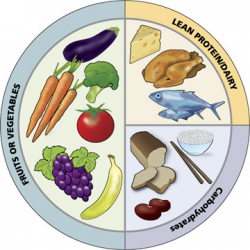
4 Super FoodsWhat’s The Best Diet For Men

There are many diet plans that have been designed for men, but it is sometimes difficult for some men to know the most appropriate diet. A healthy diet determines whether one lives a long life or not, and that is why it is important for men to be more concerned about their diet.

It is interesting to know that the nutritional requirements for men are different from women’s requirements. Therefore, it is important for nutritionists to come up with diet plans that suit the unique nutritional needs of men. Generally, a man’s diet should have some basic components such as fiber, minerals, vitamins, whole grain, and unsaturated fats.

Basic Requirements

First, a man should take at least 4,700 milligrams of milk, fish vegetables, and fruits on a daily basis. Second, the diet should not include saturated fats such as high-fat sweets, butter, and full-fat dairy foods. Saturated fats should be replaced with oil-based salad dressings, nuts, as well as unsaturated oils and fats. Third, men that are above the age of 50 should take at least 30 grams of fiber in a day while those below 50 years should take at least 38 grams per day.

Fourth, fish is a very important source of proteins for men and two to three servings in a week can enrich a man’s diet. Fifth, a man’s diet should only include whole grains such as whole-grain oats, brown rice, wholegrain pasta, whole-grain cereal, and wholegrain bread. Finally, a daily ration of two and a half cup of vegetables and two cups of fruits offer enough supply of fiber, minerals, and vitamins.

Energy Requirements

Traditionally, men are known to engage in activities that require a lot of energy hence need sufficient energy supply. Also, the fact that men have bigger muscles as compared to women means that they need to consume more calories in a day than women. According to a recent study, the minimum number of calories that an active man should take on a daily basis is 2000 calories.

Some of the factors that determine the calorific intake of men include: activity level, weight, and height. An adequate intake of vegetables, fruits, whole grain barley, oats, brown rice, cereal, pasta, and whole-grain bread is very critical when it comes to disease prevention, weight management and energy supply for men. According to brad reviews, a poor diet plan can lead to serious complications for men such as erectile dysfunction.

The Red Meat Risk

It is common knowledge that most men love to eat red meat as they believe that is a masculine source of proteins. However, excessive consumption of red meat without exercise increases the risk of colorectal cancer and heart disease in men. Thus, it is advisable to consider other types of proteins like fish and chicken to minimize the risk of cancer and heart disease. In fact, the best diet plan for men should focus on low-fat dairy products, vegetables, fruits, and less red meat.

The best diet for men should include whole-grains, vitamins, minerals, proteins, and unsaturated fats. Men have high energy requirements than women, and that is why their daily intake of calories should be slightly higher than the number of calories taken by women on daily basis. Finally, men should avoid foods such as refined grains, red meat, and saturated fats to reduce the risk of chronic conditions such cancer and heart disease.

 

Filed Under: Advice Tagged With: Diet, man's diet

The True Cost of a Healthy Diet and Weight Loss

March 14, 2014 by drburt

The-true-cost-of-a-healthy-dietThe diet and weight loss industry makes an estimated $20 billion a year in the US alone and although obesity is a rising problem across the globe and weight loss is encouraged, some of these weight loss trends can be harmful to your wallet. Society equates being overweight with being worthless, and with the latest obesity statistics being paraded across our television screens, laptops and newspapers, it’s no wonder that millions of people worldwide are turning to fads and drastic new methods of weight loss.

Among the frontrunners for some of the most costly diet fads around today are the South Beach and the Dukan diet. The South Beach diet involves exclusively eating foods with a low Glycemic Index (GI). Low-GI foods affect your blood sugar levels less than high-GI foods, thus keeping you fuller for longer and deterring overeating and snacking – two considerable causes of weight gain. In this diet, portion size doesn’t matter, however each meal on average will set you back $4.59, or $3340 a year. Similarly, the Dukan diet can cost you around $4.34 a meal, which adds up to $3,159 – not including subscription fees. This controversial, low carbohydrate diet consists of four phases; the first is strictly protein consumption and is designed to go on for no longer than seven days. The following phases then start to include carbs into the diet, starting with non-starchy vegetables and later starchy foods, like grain bread.

Both of these diets involve large amounts of protein, such as lean meat, and this tends to be quite expensive. Unlike carbs, which you can often buy in bulk for low prices, two quality chicken breasts can cost over £5 in the UK ($8.34). If you’re eating this twice a day or more, this mounts up and can cost at least £70 ($117) per week just in chicken.

At the other end of the scale, some of the cheaper diet options include the Alkaline and Vegetarian diets. Being Vegetarian is usually viewed as a matter of ethics; giving up meat and fish (unless Pescatarian) signals a protest against the inhumane methods used to slaughter animals. However, increasing numbers of dieters are turning to a vegetarian regime to lose weight. The lack of fatty meats and increased consumption of vegetables results in a naturally lower calorie diet with a lower cost, with an average vegetarian meal costing just £1.40 ($2.34). The lesser-known Alkaline diet aims to cut out foods which produce excessive amounts of acid in the body; coffee, red meat, dairy and alcohol all contribute to the production of acid in the stomach, which can then be turned into fat. This diet only costs £1.75 ($2.92) on average per meal, however, the diet itself is mostly pointless and an example of one of the many fads designed to hook dieters in through medical jargon and reasoning. The body should regulate its acid levels itself as part of a regular, balanced diet.

The cheaper diets tend to involve foods which you can bulk buy. Vegetables, for example, don’t need to be expensive. Frozen veg tends to be of an adequate quality, can be extremely cheap and results in less waste as they won’t rot while they’re frozen. Wholegrain pasta, eggs and rice are also reasonably priced and can be bought in mass.


102938214279518998423

Filed Under: Advice, Diet, Weight Loss Tagged With: Diet, diet cost, health

Vegetarian and 5 Reasons to Stay Healthy

February 20, 2014 by drburt

vegetarian

Vegetarian and 5 Reasons to  Stay Healthy

Not just good for the environment, going green is also great for your body. Cutting down on consumption of meat brings a whole lot of advantages and health benefits to your entire body. According to popular nutritionists and food researchers, an average American who alters his/her current diet from meat-based high cholesterol meals to a vegetarian diet will not only lose weight rapidly—if he or she is obese–but will also witness great improvements in blood sugar levels, cholesterol profiles, while cutting down the risk of heart disease and looking healthy and fit.

Here are five important reasons to go vegetarian today and do your body a whole lot good.

1. You could lose weight easily.

According to a comprehensive six-year study published by the Journal of the Academy of Nutrition and Dietetics last year, it was seen that individuals who refrained from eating meat had a far lower BMI than regular meat eaters. Furthermore, the report also revealed that vegetarians are far less obese than omnivores (10% versus 35%). In addition, a new report published by The Obesity Society in 2013 revealed that individuals who were extremely overweight or obese lost more weight while following a vegetarian diet, than those who consumed meat– in spite of both groups taking in the same amount of calories.

2. You could improve your heart health.

Consuming meals containing high amounts of saturated fats, primarily from meat and dairy-based foods, not only spikes the level of cholesterol in your blood but also increases your risk of cardiovascular disorder due to the high cholesterol levels. Getting rid of meat altogether in a diet can greatly cut down the amount of saturated fat, in turn reducing your risk of heart disease.

3. You could bring down high blood pressure levels considerably.

According to reports published in The Public Health Nutrition, it has been seen that vegans have far lesser incidence of hypertension than omnivores. Food nutritionists point out to the beneficial substances found in high intakes of fruits and vegetables in a vegetarian diet that cuts down the risk of hypertension.

4. You could cut down the risk of diabetes.

A study conducted by The American Diabetes Association revealed that individuals who follow a vegetarian diet had a far lesser chance of developing metabolic syndrome, which is a group of risk factors associated with heart disease, paralysis and type II diabetes. Participants enrolled in the study were refrained from eating poultry products and meat-based meals, and it was seen that they had much lower blood sugar levels, triglycerides and blood pressure levels, at the end of the study, as compared to those who regularly consumed a meat-based diet during the time.

5. You could experience increased levels of energy.

Eating legumes and greens, such as spinach, beans and kale and similar such vegetables can have a great impact on the body by making one feel more energised over a period of time. According to research, legumes and greens contain increased levels of dietary nitrates that provide a huge impetus to the body in the form of vascular benefits, reducing blood pressure and even enhancing the performance of exercise in healthy individuals. Foods rich in dietary nitrates not only help in opening up blood vessels but also permit more oxygen inside the body thus providing the ability of becoming more energised.

Carol is a health and fitness expert, having written hundreds of articles helping people improve their standard of living. She is associated with Nutra Pure HCG that promotes HCG diet drops as a way to lose weight in a healthy way.

Filed Under: Advice Tagged With: Diet, health, vegan, vegetarian

Diet and Pain Management

June 10, 2011 by drburt

DIET AND PAIN“Changes in the modern diet are largely responsible for the increasing incidence of essential fatty acid (EFA) imbalances and deficiencies.”

“The ratio of omega-6 to omega-3 fats has changed dramatically due to the widespread use of vegetable oils (mostly n-6 fats) in cooking and to the processing of oils to alter omega-3 fats to improve shelf life and eliminate their stronger taste (just think of the distinctive tastes of cod liver or flax oil).”

“Historical estimates place the ratio of omega-6 to omega-3 oils at nearly 1:1 for prehistoric humans.”

By the turn of the century (1900), the ratio had increased to about 4:1. The current American ratio is about 25:1.

“The sharp rise is due to increased vegetable oil consumption: from 2 lb. per year in 1909 to 25 lb. per year in 1985!”

“Many of the chronic inflammatory conditions that accompany EFA imbalance are currently treated with symptom-specific pharmaceutical drugs such as steroids, prednisone, aspirin, and other nonsteroidal anti-inflammatory drugs (NSAIDs), sulfasalazine, and colchicine.”

“The problem with such drug therapies is that they prevent the formation of ‘good’ anti-inflammatory eicosanoids, or they shift the production of one type of eicosanoid to another.”

“For effective, long-term management, eicosanoid production should be modified through dietary changes (balancing dietary intake of specific fats) and controlling insulin levels in the circulation.”

“Maintaining a proper balance between the various families of dietary fats may be one of the most important preventative measures a person can take to reduce the likelihood of developing one of the chronic diseases of modern civilization, such as diabetes, heart disease, obesity, irritable bowel syndrome, and autoimmune disease.”

“And for patients who may already have one of these diseases, EFA testing and therapy has been demonstrated to reduce both morbidity and mortality associated with these diseases.”

Source: American Academy of Pain Management – Weiner’s Pain Management – A Practical Guide for Clinicians


Filed Under: Low Back Pain, Neck Pain Tagged With: carboxylic acids, chemistry, deficiency, Diet, Diets, eicosanoid, essential fatty acid, essential nutrients, fatty acids, flax oil, health, imbalance, incidence, increase, medicine, menagement, nutrition, omega 3 fatty acid, omega 6 fatty acid, pain, treatment of bipolar disorder, vegetable oil

  • 1
  • 2
  • Next Page »

PLEASE FOLLOW & LIKE B.C.

RSS
Follow by Email
Facebook
Facebook
fb-share-icon
Twitter
Visit Us
Follow Me
Post on X
YouTube
YouTube
LinkedIn
LinkedIn
Share

15200 Hesperian Blvd #104

San Leandro, CA. 94578

(510) 481-2225

drburt@burtchiropractic.com


SEARCH

Categories

Recent Posts

  • Loss of Cervical Lordosis: How a Straight Neck and Pain Impact Your Health—and How a San Leandro Chiropractor Can Help Restore It
  • Hidden Injuries from Car Accidents That a San Leandro Chiropractor Can Help You Detect
  • Best San Leandro Chiropractor for Sciatica Pain Relief: Natural, Drug-Free Solutions That Work