Top Chiropractor in San Leandro, CA

San Leandro Chiropractor

  • blog
  • About Our Practice
    • YELP REVIEWS
  • What is Chiropractic?
  • SERVICES
    • Personal Injury
    • Cold Laser Therapy
    • Massage
    • Ultrasound
    • Electric Stimulation
    • Sports Injury
    • Workers Compensation
    • HS Sports Physical Examination
  • FAQs
  • CONTACT US
  • New Patient Forms
  • Nutrition Store

Powered by Genesis

Understanding Chiropractic Care

September 10, 2010 by drburt

SPINE 11Chiropractic profession promotes holistic care with main focus on maintaining proper physical vertebral alignment in order to maintain a good health. It is a scientific fact that structural imbalances could lead to nervous system dysfunction and lead to a variety of symptoms such as pain, aches, discomforts and other conditions. The goal of care is to restore the body to its maximum potential without drugs or surgery. Doctors of Chiropractic check the physiological function of neuromusculoskeletal system by utilizing orthopedic and neurological exams. Besides specific chiropractic adjustment, therapies such as massage, moist heat, electric stimulation, ultrasound, and Erchonia PL 5000 Laser can be utilized in order to restore a balance to the system.   Diet and exercise advise can be given to a patient by a Doctor of Chiropractic.

CHIROPRACTIC ADJUSTMENT:

CHIROPRACTIC ADJUSTMENTChiropractic use controlled forces, called adjustments, when there are restrictions around joints that the body is unable to overcome itself. Such barriers include scar tissue and pain, swelling (edema), and muscle spasm.

Chiropractic examination helps to discover joints with limited range of motion weather they are painful or not. Specific chiropractic CHIROPRACTIC ADJUSTMENT21adjustment applied to a subluxated (restricted) joint can restore range of motion when the body’s own musculature cannot.

Adjustments help to relieve pain, as well as, restore and maintain normal movement, biomechanics and function.

The controlled force of chiropractic adjustments safely generates the energy required to overcome such limitations or restrictions and bring the joint back to its normal and full range of motion.

                                                                                                                                                                                                                                                                         CHIROPRACTIC PROMOTES HEALTH NATURALLY:

YANG YENG1The goal of chiropractic care is to bring back and retain the health of the whole person and not just treat separate symptoms or diseases.

Chiropractic care is not focusing on illness, instead it personalizes the care and helps to achieve maximum potential for a patient’s well being and improves the quality of human life.

 Chiropractic care is focused at restoring and maintaining normal structure, nervous system function, joint and muscle.

                                                                                                                                                                                                                                                                                                                                                        RESTORING FUNCTION AND CHIROPRACTIC CARE:

SPORTFunction means the ability to perform everyday activities of daily living as well as work activities. It includes range of motion, coordination, strength and flexibility.

Improving function is the key to long term pain relief. When function is not restored completely, any pain relief is temporary and accelerates the risk factor of chronic pain return. Good functioning joints do not have any pain, perform better and are not likely to get injured or degenerate. Bottom line – Chiropractic helps to minimize the pain and maximize the function.

                                                                                                                                                                                                                                                                                                                                                                                                                                                                         BENEFITS AND GOALS OF CARE:

DOCTOR DIAGNOSISThe benefits of Chiropractic care include good function, tissue healing and pain relief.

Each patient will require different frequency and different amount of time to achieve each of these goal

When pain is gone it does not mean that soft tissue  has healed completely nor that the function has been restored.

It takes much longer time for soft tissue restoration vs. pain relief. It takes much longer time to restore the function vs. for tissue to heal.

Chiropractors carefully monitor pain, tissue healing and function using specific outcome measures to know when a patient has achieved maximum benefit and it is time to end care or shift to a prevention/wellness program. 

CHIROPRACTIC, MOTION AND NUTRITION OF DISCS AND JOINTS: 

IVDMaintaining good motion is critical to the survival of discs and joints. A vertebral joint that can not move is not able to nourish itself. A healthy exchange of nutrients and wastes only occurs by physically pumping fluids into and out of the disc via spinal motion because discs and cartilage have no blood supply – process called imbibition. Movement stirs fluid through joints, washing nutrients in and waste products  out. Lack of motion may lead to poor nutrition and disc degeneration.

The discs in the spine live because of the movement. Doctor of Chiropractic locates joints that have restricted range of motion, whether they are painful or not, and specific adjustments and exercises help restore and maintain normal motion and nutrition.

This post was based on Dr. Malik Slosbergs’s research.

Question:  Did this article help you to understand what is the goal of chiropractic care?

Filed Under: Chiropractic Tagged With: alternative medicine, care, chiropractic, chiropractic adjustment, Chiropractic Care, chiropractic in canada, chronic pain, goals, holistic care, manipulative therapy, medicine, muscle spasms, nervous system, pain, scar tissue, spinal adjustment, vertebral subluxation

Chiropractic Rehabilitation and 4 Stages of Soft Tissue Healing

August 20, 2010 by drburt

The healing process is divided into four broad stages which are not mutually exclusive and overlap considerably.1ST PICTURE2

1. Initial vascular reaction – Active Swelling

2. Inflammatory response – Passive Congestion

3. Proliferative phase – Repair

4. Remodeling 

Wound healing refers to the body’s replacement of destroyed tissue by living tissue (Walter & Israel 1987). It comprises of two essential components whose differentiation is based on resultant tissue: Regeneration and Repair.

TISSUE INJURY CAUSES RESTRICTION OF MOTION DUE TO: SOFT TISSUE SCAR FORMATION

  1. Inflammation & Swelling
  2. Pain
  3. Muscle Spasm 

THE MAJOR GOALS OF CHIROPRACTIC CARE:

  1. Relieve Pain
  2. Promote Full Healing
  3. Restore & Maintain Full Function
  4. Reduce the Likelihood of Re-Injury
  5. Prevent Accelerated Degeneration 

Chiropractic Care Should Continue Throughout the Repair Stage. It Take Longer For Tissues to Heal & Normal Function to be Restored Than it Takes for Pain Relief. Pain Relief is not the Only Goal.  Chiropractic Helps:

  1. Restore Normal Motion, Function & Biomechanics
  2. Improve Alignment of New Connective Tissue
  3. Prevent Shortening of Scar Tissue & Chronic Stiffness
  4. Restore & Maintain Flexibility of Ligaments & Muscles
  5.  Restore Normal Muscle Tone
  6. Promote Quicker, More Effective Healing
  7. Restore & Maintain Normal Sensation
  8. Reduce the Risk of Re-Injury and Degeneration 

STAGES OF SOFT TISSUE HEALING


STAGE I: ACTIVE SWELLINGMUSCLE SPASMMUSCLE SPASM.21

  1. Swelling Occurs for 12 to 72 hours
  2. Motion is lost and pain increases 

Goals of Care: Minimize pain and swelling

Care:

  1. Rest & Support of Injured Area
  2. Ice to Block Swelling, Pain, and Spasm 

STAGE II: PASSIVE CONGESTION   

Fluid trapped in tissues restricts motion, causes pain, & delays healing. Begins by second to fourth day

Goals of Care for Passive Congestion:

  1. Remove fluid
  2. Pain Relief
  3. Begin to restore range of motion 

Care:

  1. Chiropractic Adjustments Help
  • restore motion
  • block pain
  • restore normal sensation
  • relax tight muscles
  • remove swelling
  • accelerate healing
  1. Heat and Cold to Remove Fluid
  2. Controlled Motion Exercises
  3. Physical Therapy helps in Some Cases
  4. Acupuncture Can Help With Pain Control 

STAGE III: REPAIR

Beginning 5 days after injury, scar tissue is made for up to 6 weeks.  RELAXED MUSCLES OF THE SPINE

Lack of motion causes excess scar tissue in dense patterns disrupting normal function causing:

  1. Excess Scarring
  2. Chronic Stiffness
  3. Limited Range of Motion
  4. Poor Biomechanics
  5. Chronic Pain
  6. Weak Muscles & Ligaments
  7. Loss of Normal Sensation
  8. Poor Nutrition
  9. Increased risk of Re-Injury
  10. Accelerated Degeneration 

If Motion is Restored & Maintained, Tissues Heal in a Much More Functional Way.

Coals of Repair Stage:

  1. Restore Normal Range of Motion
  2. Restore Sensation
  3. Promote Full Healing
  4. Relieve Pain 

STAGE IV: REMODELING 

Connective tissue remodels for better strength & flexibility. This often takes 3 to 14 week but may take up to 1 year with severe injury.  SOFT TISSUE HEALING

Chiropractic Helps Achieve these Goals:

  1. Improve & Maintain Motion & Flexibility
  2. Restore & Maintain Function
  3. Reduce Chronic Pain
  4. Reduce Risk of Re-Injury & Degeneration

This Post was based on Dr. Malik Slosberg’s Research.

Filed Under: Auto Accidents, Carpal Tunnel Syndrome - CTS, Chiropractic, Low Back Pain, Neck Pain, Personal Injury, Shoulder, Soft Tissue Injury, Spine Tagged With: alternative medicine, biology, chiropractic, Chiropractic Care, chiropractic rehabilitation, connective tissue, healing, manipulative therapy, medicine, pain, pain relief, physiology, rehabilitation, relieve pain, scar tissue, soft tissue, spinal adjustment, stages, stages of soft tissue healing, tissues, traumatology, wound healing

13 Facts for Chiropractic and Wellness Care

August 16, 2010 by drburt

VERY COOL CHIROPRACTIC GRAFITTIIn medicine, there are different ways to treat a patient. Some go for a surgery and this is usually the case when the patient’s problem cannot be resolved by other means. Surgery is the last resort with any injury or chronic pain. Some go for physical therapy while others prefer the chiropractic treatment. Many people utilize chiropractic services on a daily bases. However, how many people understand the theory scientific explanation behind chiropractic treatments. The philosophy in chiropractic care is that our body has the ability to heal itself without any medications. Our body naturally has the capacity to heal. It is also said that every few years, we get a completely new body. Our skin shed to make way for new skin and so do our organs but it does take awhile and with this knowledge we know that our body can really heal itself. It is the human spine that forms the foundation of our body and when it’s in the right position and there are no hindrances to it, we are at our best shape both in mind and body. The goal of chiropractic treatment is to achieve healing by regulating and maintaining a stable condition for our body.

1. Chiropractic Care Focuses on Health and Optimal Function

  1. Chiropractic offers a holistic approach
  2. The patient is the center of care, not a disease or symptoms
  3. The goal of care is to achieve a more effective life, to restore & maintain full function & well being

The Continuum of Health:

       ↑      Optimal Health                                                                                    

↑      Fitness           

↑      Good Function      

●      No Symptoms  

↓      Minor Symptoms/Dysfunction

↓      Moderate Symptoms/Dysfunction/Pathology

↓      Sever Symptoms/Pathology/Disease

↓      Death

2. Health  is More Than the Absence of Symptoms, Health is Viewed in Positive Terms of

  1. Human Potential
  2. Quality of life
  3. Optimal Function
  4. Resistance to disease
  5. Vitality
  6. Strenght
  7. Endurance
  8. Balance
  9. Coordination 

3. Patients and Chiropractors Work Actively Together to Maintain HealthPATIENT AND CHIROPRACTIC4

  1. Health care is a dynamic process & a cooperative effort
  2. Patient education & self-care are important goals
  3. Patients are empowered to take responsibility & control of their own health

4. Symptoms Don’t Tell the Whole Story:NECK PAIN2

  1. Many problems arise gradually & symptoms appear only when problems are advanced
  2. Wellness care helps detect & correct problems at an early stage by restoring & maintaining normal function & biomechanics
  3. Good functioning muscles & joints are healthier & more resistant to injury, illness or degeneration. 

5. Chiropractic Care Focuses on a Natural Approach

  1. Chiropractic uses natural & conservative methods to promote the body’s own healing capacity
  2. It encourages healthful living: good nutrition, exercise, stress management & posture. 

6. Regular Chiropractic Care Helps

  1. Restore & Maintain full range of motion
  2. Promote full function
  3. Improve biomechanics
  4. Optimize performance & coordination
  5. Maintain joint stability
  6. Induce a sense of well-being & relaxation
  7. Improve nutrition to discs & other joints
  8. Reduce the risk of injury & degeneration 

7. Motion and Nutrition of Discs and JointsINTERVERTEBRAL DISC

  1. Chiropractors check the spine regularly to evaluate the motion of joints
  2. Good motion is essential for the health & nutrition of discs & joints because it permits the exchange of nutrients, fluid & waste
  3. Without movements, discs & joints may degenerate quickly
  4. Motion also reduces the formation of fibrosis (scar tissue)
  5. Fibrosis occurs in motionless joints & can lead to stiffness & degeneration 

8. Loss of Motion Can Occur Without Pain or Symptoms

  1. A chiropractic exam can detect disturbed motion & mechanics whether there are symptoms or not
  2. Through adjustments & exercises, motion and nutrition can be restored & maintained 

9. Coordination and Control of Muscle Tone, Balance and Joint StabilityMUSCLE AND SKELETON

  1. Restricted, painful injured or degenerated joints transmit information to the nervous system which is not harmonious with input from other muscles & joints
  2. This disturbs coordination, fine motor control & joint stability
  3. Chiropractors identify such joints and use adjustments & exercises to help normalize sensory input, function & motion
  4. This improves agility, balance, coordination, stability & fine motor control 

10. Joints Can Have Disturbed Biomechanics Without Pain or Other SymptomsSPINE

  1. Disturbed biomechanics can:   a) Alter load distribution, Increase risk of injury, b) Accelerate degeneration, c) Reduce optimal performance
  2. Chiropractors identify such joints & by adjustments, help restore normal biomechanics and load distribution
  3. This helps optimize function & may reduce the risk of future problems or injuries 

11. Well-Being and RelaxationHAWAII

  1. In daily life we are exposed to many stresses that can make us tense
  2. This tension can be stored in our bodies
  3. Chiropractors check for signs of tension & by adjustments, help relax muscles, restore motion, & reduce stress
  4. Relaxation & a sense of well- being are very common results of chiropractic care 

12. As a partner with Exercise and SportsBALETT DANCERS

  1. Chiropractic care isn’t a substitute for exercise but a valuable partner that can help enhance its benefits
  2. Joints with good biomechanics, relaxed muscle tone & stability will benefit the most from exercise & be the least likely to be injured 

13. Chiropractic and Athletic PerformanceMICHAEL PHELPS

  1. Many athletes seek regular chiropractic care because  they find it improves their performance & reduces the risk of injury
  2. Some studies suggest chiropractic can improve athletic  ability, agility, balance, kinesthetic awareness, power & speed reaction time.

 This post was based on Dr. Malik Slosberg’s research.

Question: What is Your Opinion About Wellness?  What is Your Definition of  Wellness?


Filed Under: Chiropractic, Spine Tagged With: alternative medicine, care, chiropractic, Chiropractic Care, chiropractic in canada, chiropractic services, chiropractic treatment, chronic pain, facts, health care, manipulative therapy, medicine, optimal health, scientific explanation, spinal adjustment, wellness

11 Symptoms as a Sign of Warning That Your Spine is in Trouble

August 3, 2010 by drburt

spine
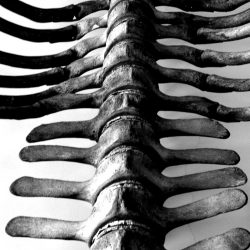
Three-Way Piece Vertebrae

Spine and 11 Symptoms as a Sign of Warning That it is in Trouble

There’s no other health care profession other than Chiropractic that can detect as well as treat the condition that is called as the Vertebral Subluxation Complex (VSC). In chiropractic, this is what is found to be the contributor for the spinal and other spine-related disorders.

In order to understand the VSC, it’s best to know what vertebral subluxation means. When a vertebra is not in its normal position compared to the vertebrae above or below, it is called a subluxated  vertebrae (misaligned vertebrae). When a vertebrae is misaligned, it produces a mechanical stress to the  surrounding soft tissues: discs, muscles, joints, ligaments and tendons through regular wear and tear. In effect, the patient would experience muscle spasms on the affected area, inflammation, tenderness, pain and even reduced mobility of the spine.  With the effects of the subluxation, nerve functions may also be impaired and once this happens, the communication between the nerves of our body’s organs is compromised and the optimal health as well as our well-being would be affected.

The Vertebral Subluxation Complex has 5 components. These components must all be eliminated in order for a complete and proper healing to take place.  The 5 components of the  VSC are:

  1. Kinesiopathology – which is the loss of the motion and positioning of the vertebra compared to the vertebrae alongside it.
  2.  Myopathology – which refers to muscle atrophy or spasm
  3.  Neuropathology – is the irritation or compression of the nerve tissue
  4.  Histopathology – is the localized inflammation or swelling.
  5. Pathophysiology – It is the pathophysiological change experienced after the first four components already took place.

During the first episode of VSC, the first 4 components take place. You can consider this as similar to having an inflamed tooth. With an inflamed tooth you would notice some swelling on the area of the jaw where the tooth is. Similar type of inflammation one will find on the area where the VSC occurs.  In order to get this treated, you should not rely on pain as an indicator. Even if there is no more pain on the affected area, this does not mean that the vertebral subluxation had already healed and normalized with or without any treatment. Pain is a poor indicator when the healing process is not completed even when the pain has already subsided. The 5th component, the pathology occurs when all the first four components had already occurred and this is the end result of vertebral subluxation complex when it remains untreated.

So, is there a way to avoid vertebral misalignment?  The VS have many causes which we are all exposed to on a daily basis. There are physical causes such as repetitive motions that are affecting our spine, an acute trauma to body, bad posture, bad habits at work where the workstation is not ergonomic.  Aside from the physical causes, there are also the chemical and emotional causes.  Chemical causes include poor diet and nutrition, intake of alcohol or use of drugs, chemicals in the water and the air we breath as well as ingestion of toxins through the foods we eat.  The emotional cause of vertebral subluxation is stress. Emotional stress has an impact on our physical body and health. With emotional stress, we become more prone to diseases and even injury. Sadly, we cannot really prevent vertebral subluxation and the vertebral subluxation complex that goes with it as we are all exposed to its cause every day. If you want to find out which vertebral level is subluxated, an appointment with your local  Doctor of Chiropractic would be a good start. Some of the offices offer FREE consultation and orthopedic and neurological  examination.

One might experience the following symptoms that would confirm you have a vertebral subluxation.

1. posture  imbalance

2. neck pain: sore, stiff or tender

3. back pain: sore, stiff, or tender

4. muscle spasm on the spine- tight or weak spasms

5. headaches

6. hypomobility

7. joint pain

8. stiffness

9. dizziness

10. low energy

11. poor state of health

Often times a person might not have any symptoms at all, however, it doesn’t mean one is free from a vertebral subluxation.  Again, as an example, the tooth with cavities won’t hurt unless the cavities reach the sensitive dentin layer. So it doesn’t mean that if you don’t feel any pain or numbness, you don’t have cavities. Regular evaluation of the spine is recommended to check if subluxation is present on the vertebrae.

Your local Doctor of Chiropractic knows how to correct vertebral subluxations through different techniques and procedures. Spinal adjustments are involved to correct the spinal vertebrae that suffer from subluxation. By this adjustment, the subluxated vertebra will eventually reach normal biomechanics on the vertebrae above and below and will help to restore the function of the joint. Corrected joint will maintain a proper posture of your spine.

Question: Have you ever experienced any of the 11 symptoms? What was your course of action in order to stop these symptoms?

Filed Under: Spine Tagged With: affect, alternative medicine, back, bad habits, bad posture, causes, chiropractic, fringe science, manipulative therapy, medicine, muscle spasms, pain, repetitive motion, spinal adjustment, spine, subluxation, symptoms, trouble, vertebrae, vertebral, vertebral column, vertebral subluxation, vitalism

  • « Previous Page
  • 1
  • …
  • 9
  • 10
  • 11
  • 12
  • Next Page »

PLEASE FOLLOW & LIKE B.C.

RSS
Follow by Email
Facebook
Facebook
fb-share-icon
Twitter
Visit Us
Follow Me
Post on X
YouTube
YouTube
LinkedIn
LinkedIn
Share

15200 Hesperian Blvd #104

San Leandro, CA. 94578

(510) 481-2225

drburt@burtchiropractic.com


SEARCH

Categories

Recent Posts

  • San Leandro Chiropractor for Auto Accident & T-Bone Collision Rehabilitation
  • The Hidden Danger of Whiplash: Why Minor San Leandro Intersections Lead to Major Pain
  • How to Sleep with Lower Back or Neck Pain: Practical Advice from a San Leandro Chiropractic Office