Top Chiropractor in San Leandro, CA

San Leandro Chiropractor

  • blog
  • About Our Practice
  • What is Chiropractic?
  • SERVICES
    • Personal Injury
    • Cold Laser Therapy
    • Massage
    • Ultrasound
    • Electric Stimulation
    • Sports Injury
    • Workers Compensation
  • FAQs
  • Locations
  • CONTACT US
  • New Patient Forms
  • Nutrition Store
  • Home

Powered by Genesis

San Leandro Chiropractor, C2 subluxation and possible symptoms that you can experience

May 13, 2026 by drburt

san leandro chiropractor

C2 subluxation

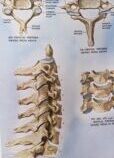
C2 subluxation refers to a misalignment or partial displacement of the second cervical vertebra (the axis), which sits below C1 (the atlas) and allows much of the head’s rotational movement. In chiropractic terms, a “vertebral subluxation” involves a vertebra that is misaligned or not moving properly, potentially irritating nerves, muscles, ligaments, or the brainstem/spinal cord area.

In conventional medicine, true atlantoaxial subluxation (C1-C2 instability or displacement) is rarer and often linked to trauma, rheumatoid arthritis, or congenital issues. It can be serious if it compresses the spinal cord. Chiropractors often use the term more broadly for minor misalignments detected via palpation or imaging.

Common Symptoms Associated with C2 Subluxation.

Symptoms vary widely depending on severity, the degree of nerve or vascular involvement, and individual factors. Many overlap with other conditions, so proper diagnosis (imaging like X-rays, CT, or MRI, plus clinical evaluation) is essential.

Frequent symptoms include:

  • Neck pain and stiffness — Often at the base of the skull; may include reduced range of motion or torticollis (head tilt/rotation, especially in acute rotary subluxation).
  • Headaches and migraines — Commonly occipital (back of head) or cervicogenic headaches starting at the skull base.
  • Dizziness, vertigo, or balance issues — Due to proximity to structures affecting vestibular function and blood flow.
  • Other neurological or sensory issues — Brain fog, tinnitus (ringing in ears), visual disturbances, facial pain, or numbness/tingling in arms/hands.

Additional symptoms sometimes linked in chiropractic literature (with varying levels of scientific consensus):

  • Insomnia, nervousness, chronic fatigue.
  • Sinus issues, allergies, earaches.
  • High blood pressure or other autonomic effects (via upper cervical influence on brainstem).

Severe cases (true instability) can rarely lead to more serious neurological deficits, cord compression symptoms, or (in extreme trauma) paralysis. Many mild cases are asymptomatic or cause only vague neck discomfort.

How Chiropractic Care Can Help

Chiropractors focus on detecting and correcting subluxations through spinal adjustments (manipulations) to restore alignment, mobility, and nerve function. For upper cervical issues like C2, they often use gentle, specific techniques rather than high-velocity thrusts to minimize risk.

Common approaches:

  • Upper cervical chiropractic (e.g., Atlas Orthogonal, NUCCA, or Blair techniques) — Precise, low-force adjustments tailored to C1-C2 alignment, often using instruments or very light touches. These aim to reduce pressure on nerves/brainstem and improve posture/blood flow.
  • Manual adjustments, mobilization, and soft tissue work — To improve joint motion and reduce muscle tension.
  • Supportive care — Exercises, posture correction, traction, or physical therapy modalities to stabilize the area and prevent recurrence.

Potential benefits reported:

  • Reduced neck pain and headaches.
  • Improved dizziness/balance and range of motion.
  • Better overall function through restored nervous system signaling.
 

Filed Under: Chiropractic Tagged With: chiropractic, chiropractic adjustment, chronic pain, headache, neck pain, san leandro chiropractor, spinal adjustment

Sciatica Pain or Subluxated Sacroilliac Joint Pain

August 15, 2011 by drburt

sciatica painLast month I had two patients who came to my clinic because they thought they had sciatica pain. One of the patients has self diagnosed himself and the other patient was diagnosed by a medical doctor. Both of these patients had excruciating pain in their lower back, which radiated down to a lower extremity. It is very common that many patients will wait for their pain to go away with rest, anti-inflammatory and pain medication. As a result, pain symptoms will get worse and get to the point where pain medications will stop working.

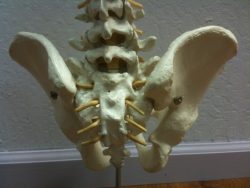
The first patient was a male in his early 60’s. He came to my clinic on his crutches. The pain level was so intense that he was not able to support his upper body. The pain would shoot all the way down his right lower extremity past the knee level but did not effect his toes.  After thorough examination it was evident that his right SI (sacroiliac joint) was about 2 inches lower than the left SI joint. All of the nerves that were exiting from sacral foraminas (openings) were very irritated and inflamed. Every time this gentleman would place a load on his legs he would cry and I could see tears of pain on his face. After three sessions of full spine chiropractic adjustment, physical therapy (moist heat and electrical stimulation) and deep tissue massage from my CMT (Certified Massage Therapist) he was completely free of pain. I have recommended him to stop by once or twice a month for maintenance care in order to avoid future flare up and pain.

The second patient was a female in her early 50’s. She has had very similar symptoms as the patient I have mentioned above. Her medical Doctor diagnosed her with sciatica and prescribed her pain medications, which eventually stopped working. The examination finding were very similar to a patient I have mentioned above, except the part that the pain symptoms were on a left side. The pain intensity was so great that it would wake her up at night. The treatment parameters were the same  with addition of stretching to her lower back and some dietary changes. She was also advised on taking more frequent brakes from prolonged sitting that her job required. After 4 sessions she was pain free and was advised on a once a month maintenance care.

Sciatica Pain and Misaligned Sacroiliac Joint are two conditions that can be misdiagnosed or misunderstood by patients and other medical care providers. It takes much longer for a patient with Sciatica nerve entrapment to respond to a care. Often times Sciatic Pain is presented in athletes with intense training. In conclusion I would like to say that it is important to treat the cause of the problem instead of masking it with pain killers and anti-inflammatory medications. The sooner the cause is fixed the faster the road to recovery is.

If you have anything to add to this post, please feel free to Post a comment or share your thoughts through Facebook, Twitter, Google+ or comment section below to join the conversation.

Filed Under: Chiropractic, Low Back Pain Tagged With: biology, chronic pain, Diagnose, general practice, joint, joint pain, low back pain, medicine, nervous system, neurology, nociception, pain, pain medication, pain symptoms, patient, pelvis, sacroiliac joint, sacroiliac joints, sacroilliac, sacroilliac joint, sciatica, sciatica pain, self diagnose

Manipulation Under Anesthesia in San Francisco Bay Area

March 18, 2011 by drburt

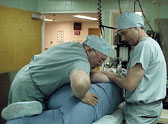
Manipulation Under Anesthesia in San Francisco Bay AreaThere are thousands of people in the United States and Abroad who suffer from a chronic pain daily. They are tired of taking pain medications and yet they are not surgical candidates, or still have pain after the surgery that have already had. The good news for all those patients who suffer from pain and lack of mobility is that there is a non surgical solution to this problem. It is a simple and painless procedure that is offering a pain relief and restores range of motion. Manipulation Under Anesthesia also known as MUA is the solution to the problems to many neck, low back and shoulder chronic pain sufferers.

MUA is the procedure where manipulation of the spine or shoulder is performed in a surgical center under sedation. This procedure is one of the most effective methods of altering chronic pain conditions where chiropractors work together with medical doctors in order to achieve the best results possible. The techniques used in manipulation under anesthesia (MUA) have been described as low-velocity/high-amplitude in contrast to the usual chiropractic adjustment which is most commonly described as a high-velocity/low-amplitude thrust or “impulse.” The purpose of high-velocity technique is to overcome the conscious patient’s protective reflex mechanism which would prevent the separation and movement of the joints. In a joint manipulation, the articulation is moved through its entire passive range of motion and past the elastic barrier and into the paraphysiological space where joint cavitation occurs. Cavitation of the joint is an audible “report” signifying that the articulation has been distracted sufficiently to affect the physiology and function of that synovial joint.

Manipulation Under Anesthesia has been recognized and used in the manual therapy arena for over sixty years. It is a great procedure for those who do not respond to a traditional care or invasive surgical procedure.The MUA procedure continues to gain widespread support and recognition in the medical community and is helping to bring much-needed relief to a grater patient base than ever before.

A Doctor of Chiropractic with post graduate degree – Manipulation Under Anesthesia Certified with Hospital privileges would be a chiropractor who would perform this procedure. It is a rule that two chiropractors perform MUA procedure. First one is a primary doctor and the second one is an assistant. The reason why you need an assistant is because patient is unconscious and the assistant is supporting the body on one side while the other chiropractor is performing a manipulation and stretches. Then they switch sides. Manipulation Under Anesthesia is not only safe, but also highly successful in treating acute and chronic musculoskeletal conditions.

Who Is The Best Candidate for MUA?

Patients who have received conservative care for 6-8 weeks for their neck, mid-back, lower back and shoulder with very limited improvement in symptoms or findings. Also patients who still have pain after the surgery would also be the candidates for this procedure. Common indications for Manipulation Under Anesthesia include neck, middle and lower back pain, chronic muscle pain and inflammation, acute and chronic muscle pain and inflammation, acute and chronic muscle spasm, chronic fibrositis, nerve entrapment, disk pathology including herniated disks, torticollis and failed back surgery.

What is Manipulation Under Anesthesia Procedure Like?

MUA procedure is an ongoing process for three consecutive days. During these three days the patient is being treated in a surgery center under supervision on Board Certified Anesthesiologist and two Board Certified Chiropractors where spinal manipulative therapy and stretches are performed. After the procedure, treatment continues as strengthening and stabilization programs are initiated over the next few weeks in a chiropractic office. Post-Procedure care is a vital part of the MUA procedure. Follow-up visits with a Chiropractic Physicians are important at this time as the stretches accomplished during the MUA procedure are built upon, helping the patient to regain strength and prevent future pain and discomfort.

What Are The Effects of Manipulation Under Anesthesia Procedure?

The proposed effects of therapy include the following:

  1. Breaking up scar tissue (adhesions) both in and around the spinal joints, commonly caused by multiple injuries or failed back surgery.
  2. A decreasing chronic muscle spasm
  3. Overcoming super-sensitivity of injured areas, making the patient unable to cooperate for effective treatment
  4. Stretching persistent shortened muscles, ligaments and tendons
  5. Relief from pain and radiating symptoms caused by damaged invertebral discs.
  6. Most importantly however, Manipulation Under Anesthesia affords patients immediate relief and noticeable difference in their daily lives post-procedure. These positive results only continue to improve with time and post-MUA therapy.

Am I a Candidate for MUA?

Medical screening is an absolute necessity for each patient who is planning to get an MUA. Medical history and physical examination and where indicated, CBC blood studies, chest X-Rays, EKG’s and other diagnostic tests such as MRI or CT’s. Feel free to CONTACT us at our primary San Leandro Chiropractic Clinic at (510) 481-BACK (2225) and we will be more than happy to answer any of your questions.

Sincerely, Dr. Eduard Burt, D.C., MUAC  a.k.a Doctor of Chiropractic, Manipulation Under Anesthesia Certified.

Filed Under: Chiropractic Tagged With: Chronic, chronic pain, manipulation, manipulation under anesthesia, medical doctors, mua, pain, pain medication, pain relief, san francisco bay area

Chronic Lower Back Pain and 6 Natural Ways to Fix It

November 22, 2010 by drburt

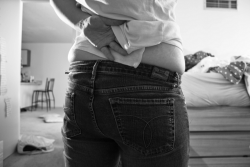
low back painMillions of people suffer from excruciating and immobilizing lower back pain form all over the world. It almost seems like world wide epidemic. A large percentage of these people have to go to work every day and concentrate on their tasks with agonizing and boring back ache. There are many different treatments available for lower back pain varying from modern medicine to great alternative therapies.

Chronic lower back pain causes:

Cancer, Osteoarthritis, Osteoporosis, Fibromyalgia, Biomechanical Misalignments, Unbalanced Musculature are the main reasons for lower back pain. Work or sport related injuries or automobile accidents could be the serious cause of lower back pain through out people lives. It can debilitate them for a very prolonged period of time. Sometimes even minor postural abnormalities, sudden jerks or movements, improper exercises and minor falls can be the result of chronic lower back pain

Natural Ways to Counter Severe Chronic Lower Back Pain:

Change Your Posture:

The spine, same as our feet, gets the hardest job in our body as it is used in practically every movement we make and it takes pressure from other body parts such as from the neck, shoulders, head and our arms. As we walk, stand, sit, carry a heavy object or dance, our spine takes the pressure to keep our body erect but at the same time it also has to have the flexibility to make other kinds of movements while keeping our balance.One of the following can be noticed when one has a bad posture: high shoulder, a forward stooping head, a rotated trunk (torso), a hunch back, a high hip, and a side-bent neck and one of the feet will be externally or internally rotated.  Abnormal  posture can result from trauma (like a car accident or fall), repetitive movements (turning your neck towards the monitor), and certain bad postural habits  (sleeping on your stomach). READ MORE …

Get a Good Mattress:

Many patients have been asking my professional advice on which mattress they should buy. There is not a definite answer for every patient. Every single one is going to need a different one in order to get a good night sleep for years to come. Below are some tips and tricks that you can use when buying a new mattress.A mattress should provide uniform support from head to toe. If there are gaps between your body and your mattress (such as at the waist), you’re not getting the necessary support that your body requires. READ AND WATCH MORE …

Get Good Pillows:

When we expect a good night sleep, the majority of us consider mattress characteristic and features, room temperature, room illumination, and noise. Hardly ever we will think about our pillows. There are a lot of options available nowadays. It is important to know that our cervical spine alignment is an important feature of our general well being. Selecting a head support which is equally comfortable to sleep with as well as be able to improve the quality of good night sleep, has to be a necessary foundation for a good nigh sleep. READ AND WATCH MORE …

Use Legs Not Back:

Normally when we lift a weight we put great pressure on our back. Instead, keep your lower back in arched position and lift the load. Bend the knees and put the pressure on your leg muscles. An upright torso while lifting weights can always avoid the risk of chronic lower back pain. READ MORE …

Exercise Routines:

Inclusion of a strict exercise regime for 30 minutes to one hour, everyday can alleviate chronic pain and prevent the occurrence of the same. If you are suffering from chronic lower back and hip pain, it is imperative that you take the advice of a fitness expert. Only a fitness expert can help you with an exercise routine, according to your body condition and physical ability. Body alignment exercises, Bowen therapy and exclusive exercises for the lower back can strengthen the back and abdominal muscles. MORE ABOUT EXERECISES …

Choose Comfort Over Style:

Ladies today choose stylish footwear that are high-heeled like stilettos. They can definitely accentuate your presence but they can damage your back, irreparably. A sturdy shoe and flat footwear can definitely look good on you and save you from many an endless chronic lower back pain treatment. You can stop chronic lower back pain by being cautious and rational.  READ MORE …

Filed Under: Advice, Low Back Pain Tagged With: back, bedding, Chronic, chronic lower back pain, chronic pain, excruciate, hip pain, immobilize, low back pain, lows, mattress, neck pain, nervous system, nociception, pain, people suffering, pillow, san leandro chiropractor, Stop, symptoms, Ways, world wide

  • 1
  • 2
  • Next Page »

PLEASE FOLLOW & LIKE B.C.

RSS
Follow by Email
Facebook
Facebook
fb-share-icon
Twitter
Visit Us
Follow Me
Post on X
YouTube
YouTube
LinkedIn
LinkedIn
Share

15200 Hesperian Blvd #104

San Leandro, CA. 94578

(510) 481-2225

drburt@burtchiropractic.com


SEARCH

Categories

Recent Posts

  • Loss of Cervical Lordosis: How a Straight Neck and Pain Impact Your Health—and How a San Leandro Chiropractor Can Help Restore It
  • Hidden Injuries from Car Accidents That a San Leandro Chiropractor Can Help You Detect
  • Best San Leandro Chiropractor for Sciatica Pain Relief: Natural, Drug-Free Solutions That Work