Top Chiropractor in San Leandro, CA

San Leandro Chiropractor

  • blog
  • About Our Practice
  • What is Chiropractic?
  • SERVICES
    • Personal Injury
    • Cold Laser Therapy
    • Massage
    • Ultrasound
    • Electric Stimulation
    • Sports Injury
    • Workers Compensation
  • FAQs
  • Locations
  • CONTACT US
  • New Patient Forms
  • Nutrition Store
  • Home

Powered by Genesis

Sciatica Pain or Subluxated Sacroilliac Joint Pain

August 15, 2011 by drburt

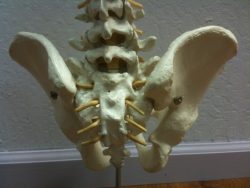
sciatica painLast month I had two patients who came to my clinic because they thought they had sciatica pain. One of the patients has self diagnosed himself and the other patient was diagnosed by a medical doctor. Both of these patients had excruciating pain in their lower back, which radiated down to a lower extremity. It is very common that many patients will wait for their pain to go away with rest, anti-inflammatory and pain medication. As a result, pain symptoms will get worse and get to the point where pain medications will stop working.

The first patient was a male in his early 60’s. He came to my clinic on his crutches. The pain level was so intense that he was not able to support his upper body. The pain would shoot all the way down his right lower extremity past the knee level but did not effect his toes.  After thorough examination it was evident that his right SI (sacroiliac joint) was about 2 inches lower than the left SI joint. All of the nerves that were exiting from sacral foraminas (openings) were very irritated and inflamed. Every time this gentleman would place a load on his legs he would cry and I could see tears of pain on his face. After three sessions of full spine chiropractic adjustment, physical therapy (moist heat and electrical stimulation) and deep tissue massage from my CMT (Certified Massage Therapist) he was completely free of pain. I have recommended him to stop by once or twice a month for maintenance care in order to avoid future flare up and pain.

The second patient was a female in her early 50’s. She has had very similar symptoms as the patient I have mentioned above. Her medical Doctor diagnosed her with sciatica and prescribed her pain medications, which eventually stopped working. The examination finding were very similar to a patient I have mentioned above, except the part that the pain symptoms were on a left side. The pain intensity was so great that it would wake her up at night. The treatment parameters were the same  with addition of stretching to her lower back and some dietary changes. She was also advised on taking more frequent brakes from prolonged sitting that her job required. After 4 sessions she was pain free and was advised on a once a month maintenance care.

Sciatica Pain and Misaligned Sacroiliac Joint are two conditions that can be misdiagnosed or misunderstood by patients and other medical care providers. It takes much longer for a patient with Sciatica nerve entrapment to respond to a care. Often times Sciatic Pain is presented in athletes with intense training. In conclusion I would like to say that it is important to treat the cause of the problem instead of masking it with pain killers and anti-inflammatory medications. The sooner the cause is fixed the faster the road to recovery is.

If you have anything to add to this post, please feel free to Post a comment or share your thoughts through Facebook, Twitter, Google+ or comment section below to join the conversation.
Filed Under: Chiropractic, Low Back Pain Tagged With: biology, chronic pain, Diagnose, general practice, joint, joint pain, low back pain, medicine, nervous system, neurology, nociception, pain, pain medication, pain symptoms, patient, pelvis, sacroiliac joint, sacroiliac joints, sacroilliac, sacroilliac joint, sciatica, sciatica pain, self diagnose

Temporomandibular Joint (TMJ) Dysfunction Physiology and Causes

October 1, 2010 by drburt


What is TMJ?

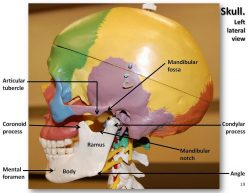
temporomandibular jointThe temporomandibular joint, or often called as TMJ, is the joint of the jaw. We have two temporomandibular joints that work in unison, one on the either side of the jaw. It got its name because of the temporal bone and the mandible that forms the joint.

It is the most used joint in our body. It has 6 main components and they are the mandibular condyles, the capsule, the articular surface to the temporal bone, the articular disc, lateral pterygoid and the ligaments.

What is TMJ Dysfunction?

This condition is common and affects over 10 million Americans today. It is affecting the  mastication muscles and the tissue components.  It can be a medical or a dental condition or a collection of conditions.

What are the causes ?

There are different factors that can influence the inflammation of the Temporomandibular joints such as teeth grinding, a direct physical trauma that causes disc derangement, stress, hypermobility of the joint, hypomobility of the joint, osteoarthritis, rheumatoid arthritis and many others.

What are the symptoms ?

Pain on the jaw and facial muscles is one of the first symptoms you would notice when you have TMJ dysfunction. It may even radiate to your neck and shoulders. You may feel this pain when you talk, yawn or chew. The pain is usually felt in front of the ear or on the jaw itself.

Ear pain, headaches, tinnitus and hearing loss may also be a symptom of  Temporomandibular joint dysfunction. This can get confusing as some might think they have an ear infection or ear problem when in fact, the pain is radiated because of TMJ dysfunction.

You may hear a popping, clicking or grating sound when you move the joint. This is caused by an abnormal position of the disc. Others may also hear the popping sound.

Swelling of the mouth or the face can also occur due to inflammation.

Lock jaw whether opened or closed is also a common symptom of TMJ dysfunction.

Teeth may not align properly and no longer touch as you bite on food. Teeth can also start to loosen or get broken or become sensitive.

Swallowing may become difficult because the muscles on the jaw area start to spasm.

You may feel nauseated or have a headache or dizziness.

How is TMJ Dysfunction diagnosed?

A health professional can properly diagnose a dysfunction by beginning with a thorough evaluation of the patient’s medical history. After which the health professional would make a physical examination on the patient to identify the disorder.

A treatment program would then be specified by the health professional according to the severity of the disorder. Treatment programs may include lifestyle modification, techniques for self relaxation, proper education regarding Temporomandibular joint dysfunction, restoration of the jaw’s range of motion, mobilization of the soft tissue, joint mobilizations, nerve stimulation, rehabilitation, etc.

The treatment program would be a per-patient basis. Thus, you may have a different treatment program compared to another patient who is also suffering from TMJ dysfunction. Part 2 is going to be about specific treaments options for this debilitating codition.

Question: Have you or anyone you know had a TMJ Dysfunction ? What kind of treatment otions have you had?

Filed Under: TMJ Tagged With: anatomy, bruxism, causes, dental anatomy, dentistry, dysfunction, hypermobility, jaw, jaws, joint, mandible, medicine, pain, temporomandibular joint, temporomandibular joint disorder, temporomandibular joint dysfunction, temporomandibular joint tmj, tinnitus, tmj, tmj dysfunction, unison

PLEASE FOLLOW & LIKE B.C.

RSS
Follow by Email
Facebook
Facebook
fb-share-icon
Twitter
Visit Us
Follow Me
Post on X
YouTube
YouTube
LinkedIn
LinkedIn
Share

15200 Hesperian Blvd #104

San Leandro, CA. 94578

(510) 481-2225

drburt@burtchiropractic.com


SEARCH

Categories

Recent Posts

  • Loss of Cervical Lordosis: How a Straight Neck and Pain Impact Your Health—and How a San Leandro Chiropractor Can Help Restore It
  • Hidden Injuries from Car Accidents That a San Leandro Chiropractor Can Help You Detect
  • Best San Leandro Chiropractor for Sciatica Pain Relief: Natural, Drug-Free Solutions That Work