Top Chiropractor in San Leandro, CA

San Leandro Chiropractor

  • About Our Practice
  • What is Chiropractic?
  • SERVICES
    • Personal Injury
    • Cold Laser Therapy
    • Massage
    • Ultrasound
    • Electric Stimulation
    • Sports Injury
    • Workers Compensation
  • Testimonials
  • FAQs
  • Locations
  • CONTACT US
  • New Patient Forms
  • Nutrition Store
  • Tele Chiropractic Health
  • Memberships
  • Home

Powered by Genesis

Car Accident During Rainy Season In San Francisco Bay Area

March 28, 2011 by drburt

CAR ACCIDENT DURING RAINIt has been raining very hard in San Francisco Bay Area during this rainy season. The last couple of weeks was heavier than usual. Land slides, damaged properties and numerous car accidents on the road. During summer people get used to driving in constant dry conditions knowing that there will not be a drop of rain water on a freeway. However, when rainy season arrives and freeways and roads are being washed with the first drops of rain and old oil and grease from the vehicle turn the concrete on freeways into and ice skate ring. Californians loose a guard of driving over the summer. Thus, is the reason for high number of car accident in the entire State of California and San Francisco Bay Area in general. My San Leandro Chiropractic Clinic and five other clinics see way more patients during the rainy season. All drivers must understand how to drive during the rainy season and what can cause automobile accident.

A great number of drivers do not know how to drive during a rainy season. There are two types of drivers during bad weather conditions: those who lack confidence and those who are reckless drivers. Both types are dangerous on the roads.

Those drivers who lack confidence on the road during rain have a tendency to overestimate the danger of weather conditions and driver slower then the rest of the traffic flow on a freeway. This type of driver can be the cause of a back up traffic, and increasing the risk of rear end collision which can cause whiplash injury. This soft tissue injury is very common type of an automobile collision.

Those drivers who are reckless drivers often ignore the warning signs during the bad weather. These type of drivers are more than happy to see almost empty freeway and will use an opportunity to drive even faster than usual with low visibility and drenched roads. Even SUVs with all wheel drive systems and 4x4WD vehicles can easily loose traction with a road and easily skid. When a heavy vehicle like that is loosing traction during high speed it is recipe for a disaster. Please do not test your limits – the risk is far greater than a few seconds of an adrenaline rush.

Rain Makes the Road Slippery

Rain can make it much harder to stay on a road, being able to stop, or avoiding a collision with another motor vehicle. As I have mentioned above the road becomes very slippery because the oil rises to the surface and creates a greasy surface. If one can not stop a car on time, car accident is inevitable.

Rain Decreases Visibility


Make sure that your vehicle has functional windshield wipers. During rain storms, the visibility on the road is very minimal and it is hard to see other cars. Dirty water splashed from other vehicles on your windshield can block your view completely. It is like driving with your eyes closed on a freeway. Properly functional wipers will reduce this risk.


Car Accident Prevention Tips For the Rain


1.  Drive slower.

This tip is for a better reaction times.  Rainwater causes grease and oil built up on the road to surface and tires traction suffers as a result.  If you drive slower, your tire traction will improve and you will also have more time to brake and slow your vehicle down.


2.  Keep your eyes on the car ahead of you.

Pay extra attention to the traffic ahead of you during rainy days. During beautiful sunny day, you can see the traffic situation a couple hundred feet ahead and react accordingly.  On a rainy day, it is important to pay attention to the reaction of the driver ahead of you.  When that driver brakes, you brake as well.  Still keep a safe following distance from the car in front because you’ll need to brake more slowly on a slippery road to avoid skidding.  Keeping the distance is the key in order to prevent car accident and soft tissue injury.

3.  Do not brake suddenly.


Sudden braking may cause a skid.  Since the roads are slippery, stopping the wheels too quickly may cause them to lose all traction with the road, and an imminent car accident becomes a distinct possibility.  In the case that skidding occurs, however, remain calm and do not make sudden turns because doing so may make the skidding even more dangerous.  Just try to remain calm and steer straight until you feel the car regain traction.

4.  Correctly defog your windows.


The windows on your car might fog, further limiting you visibility.  You try to defog with the heater, but that will only further fog up your windows.  To defog, keep your air conditioning blowing at both your windshield and your back window.  If your car has a defog function, just press the button, and defogging should start automatically. Try not to wipe fogged window with your hand as it is going to make things even worse.

5.  Avoid standing or flood water.

Middle of the road is usually higher that the left and right shoulder of the road. Staying in the middle will help you to avoid driving in buildup rain water. Most of the vehicles will not be able to drive through the pool of water and have a firm grip in deep water like SUV or 4×4. Try to stay away from those pools of water. If for some reason you do need to go through standing water, lightly tap a brake pedal couple of times and shake your tire with excess of water.

It would be great if everyone would stop driving during a heavy rain. However, that is impossible. In modern days society people are too busy and they have places to go and things to do. You can always pull over to the side and wait it out if you really think it’s raining too hard to drive.

If you were involved in a Car Accident and sustained soft tissue injury feel free to CONTACT one of our San Francisco Bay Area Chiropractic Clinics and we will be more than happy to help you. Most of the cases are on lien bases. That means you do not have to pay out of pocket for care. We do all of the paper work for you and deal with insurance paperwork.
Filed Under: Auto Accidents

Zrii NutriiVeda Weight Loss System Product Review

March 25, 2011 by drburt

NUTRIIVEDAUnited States population has seen a dramatic increase in obesity cases. More and more people have cardiovascular diseases due to the improper nutrition, lack of exercises and stress. About two thirds of the US adult population is now overweight or obese. Studies have shown that that the prevalence for obesity has steadily increased among male and female, all ages, encompassing all racial and ethnic groups, and affecting population with different levels of education. Prevalence of overweight individuals have gone up form 44.8% to 66% since 1960. The greatest rise occurred after 1980 due to increased usage of refined products such high fructose corn syrup, processed meats, flower, and many other foods. This trend will soon surpass tobacco industry as the leading cause of cardiovascular disease in the United States.

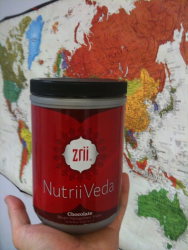
Zrii NtriiVeda is a global leader in the health and wellness industry and provides the solution to a healthy weight management. Zrii is one of the fastest growing companies in the health and wellness arena. NutriiVeda was first lunched in 2007. This nutritional supplement is based on Amalaki fruit combined with other botanicals.

NutriiVeda is a very tasty and refreshing and one hundred percent natural shake that will replace your meal and combines a proprietary blend of 7 Ayurvedic botanicals (below is the list) along with 22 vitamins and minerals, top quality protein, soluble fiber, and essential amino acids. Regardless of your health condition this product can benefit “skinny” and “overweight” individuals and it will work to balance overall body fat level.

The scientifically proven ingredients in NutriiVeda have been shown to support fat metabolism, maintain normal blood sugar levels, curb appetite cravings, and promote greater energy levels. This product is casein and gluten free and contains no preservatives.

The main ingredient Guggul balances excess fat, while Gymnema curbs sugar cravings. Together these two power botanicals create more lean muscle mass and a physiology that is free of toxins – all with just one or two delicious shakes per day.


Synergistic Blend

The blending of healing botanicals is a delicate art perfected only by a handful of experts. Ancient healers skillfully combined the powers of many herbs and botanicals to produce rejuvenating effects that have influenced even the art of modern-day medicine.

Gymnema

Gymnema [Gymnema sylvestre]

Often called the “sugar destroyer,” Gymnema has been used by Ayurvedic healers to help support healthy blood sugar levels for thousands of years. Gymnema also supports a healthy metabolism.

GuggulGuggul [Commiphora mukul]

Known as the “fat killer” in Ayurvedic medicine, Guggul is a powerful resin extract that comes from the small, thorny mukul myrrh tree. It is known in Ayurveda for its ability to help rid the body of unwanted fat, increase cellular fire, and support healthy cholesterol levels and liver function.

TurmericTurmeric [Curcuma ionga]

Native to tropical South Asia, Turmeric demonstrates the ability to compliment circulation and digestion and has been used for thousands of years as a safe anti-inflammatory.

Green TeaGreen Tea [Camellia sinensis]

A powerful antioxidant, green tea contains high concentrated levels of EGCG that neutralize toxic free radicals within the body. It also works to protect the DNA, regulate blood sugar levels, increase thermogenesis, and boost energy.

AmalakiAmalaki [Emblica officinalis]

For centuries, this small fruit, which grows in the fertile soil at the base of the Himalayas, has often been considered the most effective source for, among other things, promoting cellular rejuvenation, enhancing immune function, and increasing vitality.

HaritakiHaritaki [Terminalia chebula]

Haritaki has been shown to nourish tissues–particularly the heart, liver, and kidney–and treat diseases of the eye, and by blocking the ability to utilize sugars, Haritaki may have cholesterol-lowering qualities and help eliminate bacteria.

CinnamonCinnamon [Cinnamomum verum]

Used in the Vanilla version of NutriiVeda

Cinnamon has a long history both as a spice and as a medicine. Cinnamon aids with problems in the digestive system and is high in antioxidants. Seasoning a high carb food with cinnamon can help lessen its impact on your blood sugar levels. Cinnamon slows the rate at which the stomach empties after meals, reducing the rise in blood sugar after eating.

CayenneCayenne [Capsicum annuum]

Used in the Chocolate version of NutriiVeda

Many herbalists believe that cayenne acts as a catalyst and increases the effectiveness of other herbs when used with them. Cayenne is a medicinal and nutritional herb. Medicinally it aids in elimination and assimilation.

If you would like to buy this product CLICK HERE and If you would like to become a distributor of this product CLICK HERE

Filed Under: Health, Weight Loss Tagged With: alternative medicine, apocynaceae, blood sugar levels, cardiovascular disease, commiphora wightii, dietary supplements, flora of india, gymnema sylvestre, health, herbalism, hundred percent, Meals, medicinal plants, medicine, normal blood sugar levels, nutrition, obesity, Product, product review, product reviews, shakes, tastiest, weight loss system, weight loss systems, zrii

Garlic Health Benefits

March 23, 2011 by drburt

GARLIC AND YOUR HEALTHGarlic is a spice plant that has a bitter and strong flavor and is the favorite ingredients among many culinary dishes and is also used prominently for medical purposes for the past few centuries. The standout medicinal ingredient in the plant of garlic is “allicin”, which is said to contain loads of anti-viral, anti-oxidant, anti-bacterial and anti-fungal nutrients and properties.

This herb is consumed to treat respiratory problems, high cholesterol, fatigue, stress, parasites, digestive problems, respiratory blockage and high fever. A number of studies conducted have concluded that eating this special spice greatly helps in lowering the blood pressure and controls the level of blood cholesterol and blood sugar as it also helps provide a boost to the immune system. It also reduce greatly the risk for contacting colon cancer, stomach pain and esophageal.
Garlic is known to be a health benefit that helps cure certain conditions such as:
Allergies
It provides antiviral nutrients and properties which gives the body the tool to fight off bacteria that produces allergies. Simply consume one garlic tablet supplement every day for a length of 2 to 3 weeks to help fight off the allergy season.
Coughing
The antibacterial properties of garlic make it a suitable treatment for people having coughs and other throat problems. It also minimizes the risk of a person having respiratory tract infections.
Diabetes
By regulating blood sugar levels, this herb also helps increase the insulin outbursts in diabetes. Therefore a proven formula and remedy takes place after consuming at least one garlic capsule each day.
High Cholesterol
Garlic lowers cholesterol by providing nutrients and properties that absorbs fat and other cholesterol properties and disintegrates them in the body. It also cuts back arterial plaque formation by around 5 to 18% thereby greatly reducing the possibility of experiencing blood clot.
High blood pressure
Recent medical tests suggests that people suffering from high blood pressure who consumed garlic tablets everyday for up to 4 months have showed a drastic decrease in their blood pressure levels.
Toothaches
Garlic’s analgesic, antibacterial and anesthetizing properties helps provide a remedy for tooth pain. Simply apply some garlic oil or a crushed garlic clove over the tooth that produces pain or the affected gum for fast pain relief.
Warts
Garlic also has the ability to stave off bacteria and infections making it a very proven cure for cases of warts and other skin diseases. Gently cut the tip of a fresh garlic and rub it on the affected part of the skin for a minute then repeat the process each night before going to sleep and the wart will soon disappear.
These are just some of the health benefits of garlic. Garlic is easy to get as it is available at all leading supermarkets and vegetable stores. It also comes in the form of oils, extracts, tablets and capsule and can be bought at the leading health food stores. Take advantage of the health benefits of garlic by including it on your daily dishes.

If you have anything to add to this post, please feel free to Post a comment or share your thoughts through Facebook, Twitter or comment section below to join the conversation.

Filed Under: Advice, Health Tagged With: alliaceae, allicin, allium, antibiotics, biology, blood pressure, blood sugar, botany, chemistry, garlic, garlic capsules, garlic health benefits, garlic oil, garlic tablets, health, health benefits, spice plant, spices

Chernobyl, Fukushima Daiichi, Radiation Exposure and Health

March 21, 2011 by drburt

RADIATION AND YOUR HEALTH

I have personally experienced world’s first nuclear plant explosion in 1986 in Chernobyl. My family and myself only lived about 350 miles away from the explosion. It was not far enough in order to escape the deadly invisible rays.  Our town, Mogilev-Podolsky, got its share of radiation. The wind was blowing the toxic material towards Eastern Europe That happened 25 years ago and people continue die of cancer to this day. This was a man made catastrophe.

Last week Earthquake and Tsunami in Japan damaged Fukushima Daiichi nuclear plant. Japan just like Ukraine is a very densely populated country. It appears that Japanese firefighter, engineers, and military personal have it under control and I do pray and hope that they will be able to stabilize all of the reactors and fix the situation before things get out of control.

The information below is from Reuters Health Information

Radiation is measured using the unit sievert, which quantifies the amount of radiation absorbed by human tissues.

Below are some facts about the health dangers posed by higher radiation levels:

– Japan’s Chief Cabinet Secretary Yukio Edano had at one point said radiation levels near the stricken plant on the northeast coast reached as high as 400 millisieverts (mSv) an hour. That figure would be would be 20 times the annual exposure for some nuclear-industry employees and uranium miners.

– People are exposed to natural radiation of 2-3 mSv a year.

– In a CT scan, the organ being studied typically receives a radiation dose of 15 mSv in an adult to 30 mSv in a newborn infant.

– A typical chest X-ray involves exposure of about 0.02 mSv, while a dental one can be 0.01 mSv.

– Exposure to 100 mSv a year is the lowest level at which any increase in cancer risk is clearly evident. A cumulative 1,000 mSv (1 sievert) would probably cause a fatal cancer many years later in five out of every 100 persons exposed to it.

– There is evidence linking an accumulated dose of 90 mSv from two or three CT scans with an increased risk of cancer. The evidence is reasonably convincing for adults and very convincing for children.

– Large doses of radiation or acute radiation exposure destroy the central nervous system and the red and white blood cells, leaving the victim unable to fight off infections. For example, a one sievert dose (1,000 mSv) causes radiation sickness such as nausea, vomiting, hemorrhaging, but not death. A single dose of 5 sieverts would kill about half of those exposed to it within a month.

– Exposure to 350 mSv was the criterion for relocating people after the Chernobyl accident, according to the World Nuclear Association.

“Very acute radiation, like that which happened in Chernobyl and to the Japanese workers at the nuclear power station, is unlikely for the population,” said Lam Ching-wan, a chemical pathologist at the University of Hong Kong.

Sources: the New England Journal of Medicine, World Nuclear Association and Taiwan’s Atomic Energy Council

This information about radioactive materials came from GE Power & Water

1. Every operating reactor in the world has some amount of transuranics (i.e., elements with more protons than Uranium), including Plutonium, just due to the fissioning process.  2. Plutonium is NOT that much more dangerous than the other fuels and fission products from a radioactive perspective.  And in fact, the half-lives of the Uranium isotopes are much longer [U-235: 704,000,000 years; U-238: 4,470,000,000 years; Pu-239: 24,100 years].  Plutonium is a bad actor for two reasons: 1. It’s toxic from a chemical perspective; and 2. It has a better “yield” from a neutronics perspective, so it makes a better bomb (but the amount of fissionable material U-235 and Pu-239 is less than 6% in a nuke plant, whereas a bomb needs >70% (? I’m not a bomb maker, but I know it’s way up there), so no “nuclear boom” is possible in a nuclear power plant, only a hydrogen boom – that’s another story).  Also, like many radioactive materials, you don’t want to inhale it because it’s an alpha emitter.  (An Alpha particle can be stopped by a piece of paper, but can damage lung tissue over time leading to lung cancer in 10-15 years.)  From a human health perspective, there are much worse elements/isotopes, I-131 being one, because of where they go in the body (Iodine collects in the thyroid) and how intense their radioactive decay is.  (An isotope with a long half-life doesn’t emit radiation as fast as an isotope with a short half-life – right?)

To your real question…  The fuel used in some reactors (I’m not sure which ones) is known as MOX (mixed oxide) fuel because it contains the fissionable materials U-235 and Pu-239 in the form of UO2 and PuO2 (maybe others – not my area of expertise).  I believe, but have to find out the real answer, that the reason MOX fuel is used is because 1. It’s more efficient from a fissioning standpoint, which makes it 2. Actually safer because the percentage of fissionable material can be less! And 3. There’s no real hazard because the Plutonium is contained in the fuel matrix which is a ceramic (like your coffee cup).  The radiation being detected in Japan and in extremely trace amounts elsewhere is from the fission by-products, like I-131, Cs-137, and Xe-133, to name a few.  Uranium and Plutonium don’t emit much radiation because of their extremely long half-lives.

Now to blow your mind!  GE Hitachi is developing a reactor that would be fueled by spent fuel rods (which of course is a misnomer) and would more effectively “burn” the transuranics, i.e., reduce their concentration, during the fissioning process.  So rather than storing or reprocessing spent nuclear fuel, we’d be recycling it…  Cool, eh?

Nuclear Plants in California – Should we be worried?


Operating nuclear power plants in California are Diablo Canyon, near San Luis Obispo, and San Onofre, about midway between Los Angeles and San Diego. Nuclear units at both plants use ocean water for cooling.

Pacific Gas and Electric Company (PG&E) owns the Diablo Canyon Nuclear Power Plant, which consists of two units. Unit 1 is a 1,073 megawatt (MW) PWR which began commercial operation in May 1985, while Unit 2 is a 1,087 MW PWR which began commercial operation in March 1986.

Southern California Edison Co. and San Diego Gas & Electric own the two operating units at the San Onofre Nuclear Generating Station. Unit 2 is a 1,070 MW PWR that began commercial operation in August 1983, while Unit 3 is a 1,080 MW PWR that began commercial operation in April 1984.

California also has four commercial nuclear power plants and an experimental plant that are no longer in operation. These include:

The Santa Susana Sodium Reactor Experimental (SRE) was a small sodium-cooled experimental reactor built by Southern California Edison and Atomics International at the Santa Susana Field Laboratory, near Moorpark in Ventura County. It came on line in April 1957, began feeding electricity to the grid on July 12, 1957, and closed February 1964. This reactor used sodium rather than water as a coolant and produced a maximum of about 7.5 to 20 megawatts (electric). It was considered as the country’s first civilian nuclear plant and the first “commmercial” nuclear power plant to provide electricity to the public by powering the near-by city of Moorpark in 1957. On July 26, 1959, the SRE suffered a partial core meltdown. Ten of 43 fuel assemblies were damaged due to lack of heat transfer and radioactive contamination was released. The plant has subsequently been dismantled. For more, please visit the U.S. Dept. of Energy’s website.

The Vallecitos Nuclear Power Plant near Pleasanton, Calif., was jointly built by PG&E and General Electric Company and operated from 1957 to 1967. This was a small, 30 megawatt power plant. On October 19, 1957, Vallecitos connected to the electrical grid and became the first privately funded plant to supply power in megawatt amounts to the electric utility grid. The plant was shut down in December 1967. The plant is in SAFSTOR and there are no plans for any significant dismantlement in the foreseeable future. All nuclear fuel has been removed from the site.

The 63 MW Boiling Water Reactor at the Humboldt Bay Nuclear Power Plant in Eureka was in operation by PG&E from August 1963 to July 1976. It was the seventh licensed nuclear plant in the United States. It was closed because the economics of a required seismic retrofit could not be justified following a moderate earthquake from a previously unknown fault just off the coast. It was permanently shut down July 2, 1976, and retired in 1985. The plant was then placed in SAFSTOR (with spent nuclear fuel rods stored in water pools on site) until anticipated full decommissioning in 2015. See more on SAFSTOR below.

The 913 MW Pressurized Water Reactor at the Rancho Seco Nuclear Power Plant, located about 25 miles south of Sacramento, is owned by the Sacramento Municipal Utility District in and was operation from April 1975 to June 7, 1989. It was closed by public referendum.

The 436 MW San Onofre Unit 1 Pressurized Water Reactor was in operation from January 1968 to November 30, 1992. It was closed by its owners rather than incur $125 million in required modifications.


What is your opinion about safety of Nuclear Plants in California and all over the World?

Filed Under: Health Tagged With: actinides, background radiation, chernobyl, chernobyl disaster, daiichi, energy, environment, exposures, fukushima, health, ionizing radiation, nuclear, nuclear chemistry, nuclear plant, nuclear power, nuclear power plants, nuclear technology, physics, plants, plutonium, power plants, radiation, radiation exposure, radiation sickness, radioactivity, radiobiology

  • « Previous Page
  • 1
  • …
  • 29
  • 30
  • 31
  • 32
  • 33
  • …
  • 61
  • Next Page »

PLEASE FOLLOW & LIKE B.C.

RSS
Follow by Email
Facebook
Facebook
fb-share-icon
Twitter
Visit Us
Follow Me
Post on X
YouTube
YouTube
LinkedIn
LinkedIn
Share
Instagram

Burt Chiropractic Rehabilitation Center

15200 Hesperian Blvd #104

San Leandro, CA. 94578

(510) 481-2225

drburt@burtchiropractic.com

https://shorturl.at/nDHP2

SEARCH

Categories

Recent Posts

  • Soft Tissue Injuries in Tennis: Causes, Common Types, and Chiropractic Rehabilitation in San Leandro, CA
  • The Female Pelvis, Sacroiliac Joint Dysfunction, and Its Impact on Knee Alignment and Pain: A Chiropractic Perspective
  • Chiropractic Rehabilitation of soft tissue after a Car Accident in San Leandro, CA