Top Chiropractor in San Leandro, CA

San Leandro Chiropractor

  • About Our Practice
  • What is Chiropractic?
  • SERVICES
    • Personal Injury
    • Cold Laser Therapy
    • Massage
    • Ultrasound
    • Electric Stimulation
    • Sports Injury
    • Workers Compensation
  • Testimonials
  • FAQs
  • Locations
  • CONTACT US
  • New Patient Forms
  • Nutrition Store
  • Tele Chiropractic Health
  • Memberships
  • Home

Powered by Genesis

New Scientific Evidence of Innate Intelligence Existence

June 8, 2011 by drburt

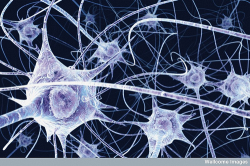
NEURONScientific Evidence of Innate Intelligence Existence

Neuroscientists of Ecole Polytechnique Federale de Lausanne have been working on a Blue Brain Project. The most recent discovery about the neurons independent connections based on a subject’s experience. The complete published work can be found in Proceedings of the National Academy of Sciences. (PNAS)

It has been known for sometime now that neuron connections are being established and reinforced in the human brain based on one experience – also known as “synaptic plasticity.” Do you remember your first bicycle ride? Once you learned it you will never forget. The team working on the Blue Brain Project at EPFL, led by Professor Henry Markman, however, is offering new evidence that this may not be the whole story.  The scientists were able to prove that small clusters of pyramidal neurons in the neocortex interconnect according to a set of immutable and relatively rules.  A complete discovery of this process was published in the last issue of the Proceedings of the National Academy of Sciences.

Each cluster contains about fifty neurons plus or minus. The scientists look at them as essential building blocks, which contain kind of in themselves a kind of fundamental, innate knowledge. For instance, certain physical experiences of this world. Mr. Markman says: “This could explain why we all share similar perceptions of physical reality, while our memories reflect our individual experiences.”

The principle determining the formation of these microcircuits is astonishingly simple. Basically, when two neurons are each connected to the same neighboring neuron, the probability that they are also interconnected is greater than average. The researchers were able to build a statistical model based on this observation.

During the experiment different rats have presented similar characteristics with neuronal circuits. If the circuits had only been formed from the experiences lived by the different animals, the values should have diverged considerably from one individual to another. That means that neuronal connectivity must in some way have been programmed in advance.

“Since John Lock, about 400 years ago, research into how the brain learns and remembers has been guided by the belief that we start from a clean slate and then print memories with each new experience. The idea that memory is like building lego with fundamental building blocks of knowledge opens up an entirely new door for research”, explains Markram.

Current technology is now allowing us to qualify the “tabula rasa” hypothesis, which argues that our brains are a “blank slate” at birth, and we only gain knowledge through experience. It’s an idea that has permeated science for centuries. There is no question that knowledge, in the sense that we typically understand it (reading and writing, recognizing our friends, learning a language), is the result of our experiences. But the EPFL team’s work demonstrates that some of our fundamental representations or basic knowledge is inscribed in our genes. This discovery redistributes the balance between innate and acquired, and represents a considerable advance in our understanding of how the brain works.

Source: Mediacom

Filed Under: Chiropractic Tagged With: anatomy, biological neural network, biology, blue brain project, Brain, computational neuroscience, evidence, existence, federales, human brain, innate, innate intelligence, innatism, intelligence, nervous system, neural networks, neurology, neurons, neurophysiology, neuroscience, polytechnique, scientific evidence

Six Very Essential Minerals and Women’s Health

June 3, 2011 by drburt

WOMANMinerals are playing a very important role in a human body. The main goal of these essential elements is to make sure that the body functions properly. If deficiency is ignored for a prolonged period of time a serious health problem can be developed. For instance: women who are menstruating need an extra supplementation of iron till the reach menopause stage. A good source of minerals concentration is in certain types of whole foods. However, it is hard to follow a diet that contains all the necessary nutrients that a woman needs. Taking multivitamin and food-based natural mineral supplements are few ways that can be very beneficial.

Supplements can help improve the body’s absorption of certain other minerals and nutrients – for instance, magnesium is necessary for calcium absorption, selenium is necessary for Vitamin E absorption, Zinc is necessary for Vitamin A absorption. Majority of the females are deficient in minerals such as magnesium, calcium, iron, zinc, iodine and selenium. These minerals are very important fro proper metabolic function, hormone balance and bone strength and many other important health benefits.

Below is the list of six essential minerals and their function:


MAGNESIUM:

Key Functions: Energy Metabolism, protein synthesis, bone health, muscle and nerve function

Food Sources: Leafy green vegetables, sea weed or green algae, avocados, raw chocolate, beans, nuts, and grains such as brown rice and millet

Daily Dosage Recommendation: Age 19-30: 310mg    Age 31+: 320mg


CALCIUM:

Key Functions: Muscle function, nerve transmission, intracellular signaling, hormonal secretion, support and structure of bones and teeth

Food Sources: Dairy products, nondairy sources (preferable)  include sea vegetables, Chinese cabbage, kale and broccoli, foods: juices, dinks and cereal fortified with calcium.

Daily Dosage Recommendation: Age 19-50: 1000 mg  Age 50+ 1200 mg


IRON:

Key Functions: Part of the protein hemoglobin, which carries oxygen in the body; also found in the protein myoglobin, which makes oxygen available for muscle contraction

Food Sources: Red meats, fish and poultry, lentils, beans, black-strap mo;ases, dried apricots, raisins.

Daily Dosage Recommendation: Age 19-50: 18mg Age 50+ 8mg


ZINC:

Key Functions: Strengthens immune system, increases white blood cells count, helps regulate hormones; supports absorption of calcium.

Food Sources: Oysters, pumpkin and many other seeds, most meat products, beans, nuts, whole grain.

Daily Dosage Recommendation: Age 19+ 8mg  Pregnant: 11mg Lactating 12mg


IODINE:

Key Functions: Strongly influences nutrient metabolism, detoxification, nerve and muscle function, nail, hair, skin and tooth condition and mental development.

Food Sources: Seafood, seaweeds such as kelp, clams, lobsters, oysters and sardines

Daily Dosage Recommendation: Age 19+:150mcg  Pregnant: 220mcg  Lactating: 290mcg


SELENIUM:

Key Functions: Stimulates glucose uptake and regulates metabolic processes including fatty acid synthesis; acts as an antioxidant against free radicals

Food Sources: Cereals, legumes, Brazil nuts, beef, chicken, eggs and cheese

Daily Dosage Recommendation: Age 19+:55µg  Pregnant: 60µg  Lactating: 70µg


If you have anything to add to this post, please feel free to Post a comment or share your thoughts through Facebook, Twitter or comment section below to join the conversation.


Filed Under: Health Tagged With: alkaline earth metals, antioxidant, body, body functions, calcium, calcium absorption, chemical elements, chemistry, dietary minerals, dietary supplements, essential elements, essential minerals, functions, health, human body, minerals, multivitamin, nature, nutrition, six, vitamin, zinc

Proper Chiropractic Care for Low Back Pain in Young Athletes

May 27, 2011 by drburt

HOCKEY INJURYProper Chiropractic Care for Low Back Pain in Young Athletes

I have recently had patient in my San Leandro Chiropractic clinic, traveling all the way from San Francisco. This is a young male in his early thirtieth with severe lower back pain which debilitating his activities of daily living every day. He has difficulty performing his duties at work as a financial advisor for one of the major banks in San Francisco Bay Area. Most of the day he has to stand around his desk, because both of his feet get numb and the pain gets unbearable. Taking pain medications during working hours does not do him any good as he can not concentrate on his tasks. He had this pain and numbness for the past seven months

He used to play hockey game with his friends. As you all know hockey is a very aggressive and contact sport. This physical activity requires maximum endurance in a short period of time. Many players fall and have multiple sprain and strain injuries that often times being ignored. My patient was not able to play a single game since the beginning of the first symptom.

During this seven months period he has seen a variety of different medical care practitioners. Medical Doctors were only able to prescribe pain medications and refer to other medical doctors such as Orthopedists and Neurologist. From his own words: “It seems like the Medical Doctor do not have any training at all for musculoskeletal conditions.” Physical therapists were trying to strengthen his injured muscles. His Gluteus Maximus and Medius as well as Psoas Major and Tensor Fascia Latae (TFL) were super tight and painful during deep tissue massage. It is counterproductive to strengthen injured musculature. One must heal it first and balance it out, then strengthen it.

During examination I have discovered that his right Sacroilliac Joint is about two inches lower then the right one. His shoulder level and ear level were unequal as well. Basically shoulders and head were compensating SI joint imbalance. All of the muscles mentioned above were not functioning properly. I have advised this patient two weeks of rehabilitation which includes electric simulation and heat for specific injured musculature, Gonstead Specific Manual Adjustment to the entire spine, and deep tissue massage from my CMT. I will publish another post after two weeks period about the results. So far, he informed me that the first session held up much longer then any other therapy he has received so far.

If you have anything to add to this post, please feel free to Post a comment or share your thoughts through Facebook, Twitter or comment section below to join the conversation.


Filed Under: Low Back Pain

Left Sided Lower Back Pain

May 20, 2011 by drburt

LEFT LOWER BACK PAIN

It is very common that some people will experience left sided back pain more frequently than the right side. This kind of pain can last for days, weeks and sometimes months. The location of this pain is usually below the ribs and around the side of the torso. This dull like and aching pain is usually more intense during particular hours of the day. Some people are very sensitive to touch in that area and some are sensitive to the dietary changes. Exercises, deep breaths and bowel movements can affect the pain on a left side of the lower back as well.

Many patients get frustrated because many times all of the tests come out negative. Prescription medication for pain might not be the solution to a problem. Some doctors will not have enough experience figuring out the cause of the pain. Ask your physician to refer you over to a specialist who has more experience with that kind of pain.

Here is a list of conditions which can cause lower left side back pain:

Ectopic pregnancy: A woman with a developing ectopic pregnancy may not display any signs or symptoms of being pregnant. Symptoms include lower abdominal pain, vaginal bleeding, cramping or stabbing pain around the pelvic area, dizziness and felling lightheaded.

Endometriosis: Symptoms may include pain in the pelvis, abdomen and lower back. Heavy flow of vaginal bleeding may accompany these symptoms.

Hypochondrial pain: Symptoms include pain under the rib cage, which can be referred from the colon or spleen.

Irritable Bowel Syndrome (IBS): Also known as spastic colon, IBS may be accompanied by abdominal pain, diarrhea, headaches, low back pain and chest pain.

Gastroesophageal Reflux Disorder: Symptoms may include heartburn, chest pain, back pain, difficulty swallowing or dry cough.

Pancreatitis: Symptoms that are chronic may include indigestion, abdominal pain, back pain, weight loss and steatorrhea (stool that is appears oily and foul smelling).

Peptic Ulcer: Symptoms may include a burning pain in the chest, nausea, vomiting, weight loss, change in appetite and back pain.

Gastrointestinal bleeding: Common causes include esophageal varices, stomach ulcer, erosions of the esophagus, duodenum or stomach; duodenal ulcer, abnormal blood vessels, colon cancer, anal fissures, colon polyps, diverticulosis, inflammatory bowel disease, internal hemorrhoids and inflammation of the large bowels.

Celiac Disease: Symptoms of celiac disease may mimic those of other conditions such as anemia, parasite infections, irritable bowel syndrome, gastric ulcers and skin disorders. Symptoms may include joint pain, weight loss, back pain, weakness and fatigue, bone disorders such as osteoporosis, diarrhea, abdominal cramps and anemia.

Radicular pain: This occurs when there is irritation or compression along the nerves exiting the spine. Symptoms include pain that is accompanied by weakness, numbness or a tingling sensation. Causes of radicular pain can be due to injury, trauma, soft tissue, disc herniation, facet syndrome or bony changes to the vertebral column.

Kidney stones: Symptoms include pain below the ribs, pain around the torso and back pain. It is also common to experience pain radiating into the lower abdomen and groin region. Other symptoms include pain during urination, nausea and vomiting.

Gallstones: Symptoms may include pain between the shoulder blades, pain in the center and upper right region of the abdomen, back pain and pain into the right shoulder. Additional symptoms may include abdominal pain after eating meals.

Problems with the adrenal gland: Common symptoms include headaches, dizziness when standing up or changing positions quickly, sensitivity to bright lights, low back pain.


Filed Under: Low Back Pain

  • « Previous Page
  • 1
  • …
  • 24
  • 25
  • 26
  • 27
  • 28
  • …
  • 61
  • Next Page »

PLEASE FOLLOW & LIKE B.C.

RSS
Follow by Email
Facebook
Facebook
fb-share-icon
Twitter
Visit Us
Follow Me
Post on X
YouTube
YouTube
LinkedIn
LinkedIn
Share
Instagram

Burt Chiropractic Rehabilitation Center

15200 Hesperian Blvd #104

San Leandro, CA. 94578

(510) 481-2225

drburt@burtchiropractic.com

https://shorturl.at/nDHP2

SEARCH

Categories

Recent Posts

  • Soft Tissue Injuries in Tennis: Causes, Common Types, and Chiropractic Rehabilitation in San Leandro, CA
  • The Female Pelvis, Sacroiliac Joint Dysfunction, and Its Impact on Knee Alignment and Pain: A Chiropractic Perspective
  • Chiropractic Rehabilitation of soft tissue after a Car Accident in San Leandro, CA