Top Chiropractor in San Leandro, CA

San Leandro Chiropractor

  • blog
  • About Our Practice
  • What is Chiropractic?
  • SERVICES
    • Personal Injury
    • Cold Laser Therapy
    • Massage
    • Ultrasound
    • Electric Stimulation
    • Sports Injury
    • Workers Compensation
  • FAQs
  • Locations
  • CONTACT US
  • New Patient Forms
  • Nutrition Store
  • Home

Powered by Genesis

Unlock Your Strength: The Importance of Proper Spinal Chiropractic Alignment for Weight Lifters in San Leandro

May 8, 2026 by drburt

In the heart of San Leandro, fitness enthusiasts are discovering that true strength starts with a healthy spine and proper alignment. Whether you’re chasing personal records at the gym or simply aiming to move better in daily life, proper spinal alignment is the foundation of peak performance and injury prevention. At Burt Chiropractic Rehabilitation Center, Dr. Eduard Burt, D.C., helps local lifters maintain that critical alignment while they push their limits at the nearby 24 Hour Fitness at Bay Fair Mall. Your spine is more than just a stack of bones, it’s your body’s central highway for nerves, supporting movement, balance, and power. Proper alignment ensures even weight distribution, optimal nerve function, and efficient muscle engagement. When the spine is misaligned (a condition called subluxation), it can lead to pain, reduced mobility, compensatory movement patterns, and increased injury risk.

For weight lifters, spinal alignment becomes even more crucial. Exercises like squats, deadlifts, and overhead presses place significant compressive forces on the spine. A neutral spine maintaining the natural curves without excessive rounding or arching allows for better force transfer, deeper core activation, and safer lifting. Poor posture under load can strain the lower back, shoulders, or neck, leading to setbacks that derail progress. Studies and clinical experience show that maintaining neutral alignment helps lifters lift heavier with better form while reducing the chance of disc issues or muscle imbalances.

Dr. Eduard Burt brings a wealth of expertise to this conversation. With a background that includes advanced training in whiplash, industrial injuries, and holistic rehabilitation, Dr. Burt takes a multi-disciplinary approach at his San Leandro Chiropractic clinic (15200 Hesperian Blvd, Suite 104). Fluent in Russian and English, he focuses on gentle adjustments, posture correction, soft tissue work, and personalized rehabilitation plans. Patients often report not just pain relief but improved performance and recovery after incorporating chiropractic care into their routines.

Located just steps from Bay Fair Mall, Burt Chiropractic is perfectly positioned for members of the 24 Hour Fitness Sport gym at 304 Bay Fair Mall. This convenient location makes it easy to combine strength training with proactive spinal care. Imagine crushing a heavy deadlift session at 24 Hour Fitness in the morning and then fine-tuning your alignment with Dr. Burt in the afternoon. Many local athletes follow this integrated approach for sustainable gains .The benefits of this combination are powerful:

  • Injury Prevention: Regular adjustments keep joints mobile and muscles balanced, countering the repetitive stress of heavy lifting.
  • Enhanced Performance: Better alignment improves neuromuscular efficiency, balance, and power output.
  • Faster Recovery: Chiropractic care reduces inflammation and promotes circulation, helping sore backs and tight hips recover quicker.
  • Long-Term Wellness: Good spinal health supports everything from better sleep to improved posture outside the gym.

Dr. Burt emphasizes patient empowerment teaching lifters simple at home strategies like core stabilization exercises, mobility drills, and form cues to maintain alignment between visits. If you’re training at 24 Hour Fitness Bay Fair or anywhere in the San Leandro area, don’t wait for pain to sideline you. Prioritize your spine as much as you prioritize your lifts. Schedule a consultation with Dr. Eduard Burt at Burt Chiropractic Rehabilitation Center and build a stronger, more resilient body from the inside out.

Filed Under: Chiropractic, Weight Loss Tagged With: chiropractic, Chiropractic Care, health, manipulative therapy, pain, spinal adjustment

Computer Related Injuries and Chiropractic Care

March 22, 2016 by drburt

COMPUTER RELATED INJURIESComputer Related Injuries and Chiropractic Care

The computer is a vital tool in many different jobs and activities, for adults and children. But long periods of using a computer can increase your chance of developing an computer related injuries. Inappropriate computer use can cause muscle and joint pain, overuse injuries of the shoulder, arm, wrist or hand, and eyestrain.

Children can experience particular physical and psychological problems if they play computer games too much. You can reduce or avoid these risks with the correct furniture, better posture and good habits, such as taking rest breaks and restricting time spent playing computer games. Typical injuries include

  • Posterior cervical dorsal syndrome (“computer back”)
  • “Mouse shoulder”
  • Carpal tunnel syndrome
  • Tennis elbow
  • Lumbar sprains and strains
  • Disc injuries
  • Eyestrain from computer use
  • Health risks from computer games

Learn how to identify and help prevent these computer related injuries and learn when to get help with chiropractic care.

Basic Terminology For Computer Related Injuries

To understand computer related injuries requires an introduction to some of the basic terminology of musculoskeletal injury.

Muscle spasm: excessive muscle tone; usually caused by a reaction to postural fatigue, tissue injury, or psychogenic stress.

Strain: injury to a muscle or tendon (the tissue that connect muscles to bones); usually due to repetitive overuse, fatigue, over stretching, excessive contraction, unguarded movements, postural loading, or direct blows.

Repetitive strain injury (RSI): damage to the tendons, nerves, muscles, and  other soft tissues of the body caused by specific repeated movements which overstress the tissues; another name for RSI is cumulative trauma disorder (CTD).

Tendonitis: inflammation of a tendon; usually caused by excessive repetitive or abnormal motion.Sprain: injury to a ligament (the tissue that connects bones together); usually due to the same things which cause strains and the additional stress added  when the muscles fatigue.

Myofascial trigger points: local points of severe muscle spasm caused by postural strain and repetitive use; they may be initiated or perpetuated by many physical, chemical, or psychological stresses; and trigger points can “trigger” local and referred pain when pressed or when severe they cause pain
without pressure.

Joint dysfunction: abnormal joint operation due to weak or lax supporting muscles or ligaments, or conversely excessively tight supporting tissues; dysfunction can result in pain, abnormal motion, and eventually degeneration and nerve interference.

Cervicogenic headaches: headaches caused by irritation of the tissues of the neck by any of the tissue dysfunctions.

Posterior cervical dorsal syndrome (“computer back”)

A very common postural syndrome in modern society involves excessive rearward curving of your lower, middle, and upper back; forward drawn head; rounded shoulders; and excessive forward curving of your upper neck. This syndrome has been given several names including sterno-symphyseal syndrome, posterior cervical-dorsal syndrome, or more commonly, computer back or student syndrome. It is a natural result of prolonged sitting work, especially with computers. These postural defects in turn can cause

  • headaches
  • excessive muscle tension in your neck, chest, shoulders, arms and forearms, back, abdomen, hips, and thighs and legs
  • strains and trigger points the above muscles
  • joint dysfunction and sprains in your neck, back, and ribs
  • increased loading on the intervertebral discs of your spine
  • impaired function of your breathing muscle (your diaphragm), causing the muscles lifting your upper ribs and shoulders to become overactive and subject to problems

To help prevent computer back try adopting the postural relief position every 20 minutes i order to aoid computer related injuries.

“Mouse shoulder”

“Mouse shoulder” (as good a name as any) is a syndrome arising from prolonged elevation and bracing of the shoulder to accommodate an inappropriately positioned mouse, or performing short range movements of the mouse, or (usually) both. This syndrome results in severe shoulder and shoulder blade muscle spasm (in the trapezius, deltoid, and teres muscles) and trigger points with referred pain in the arm.If left untreated, this problem can develop into a much more serious rotator cuff injury. Call your clocal chiropractor and avoid these computer related injuries.

Carpal tunnel syndrome and Computer Related Injuries

Carpal tunnel syndrome arises primarily from compression of the median nerve as it passes through the wrist. It is the most common nerve compression injury in the body and it is the most common and costly RSI. Typical symptoms include

  • paresthesias (abnormal sensations) such as tingling and numbness in the thumb and index and middle fingers
  • night pain
  • weakness in grasping, thumb and index finger pinching, and other thumb movements
  • clumsiness, such as awkward hand movements and dropping things

For more information, see Carpal tunnel syndrome.

Tennis elbow

Classic tennis elbow, or lateral epicondylitis, is another type of RSI. It is a tendonitis affecting the common extensor tendon at the lateral (outside) area of the elbow. Tennis elbow is a very common cause of elbow and forearm pain. It can cause mild to severe pain in the lateral elbow and may be aggravated by grasping and excessive finger motions. The pain may also radiate up the arm or down into the forearm.For more information, see Tennis elbow.

Lumbar sprains and strains

Lumbar spine sprains (ligament or joint capsule tears) and strains (muscle or tendon tears) are common in office workers due to the high loads placed on the spine during sitting.Sprains and strains may cause back and hip pain as well as muscle swelling and tightness.For more information, see Lumbar sprains and strains.

Disc injuries

Increased loading on the spine due to prolonged and faulty sitting postures may cause sprains of the outer (annular) fibers of the intervertebral discs. In more advanced cases the soft inner material (nucleus) of the disc may protrude into or even through the annular fibers of the disc, resulting in a herniated disc.Herniated discs may cause back pain, leg pain and altered sensation down to the foot, weakness, walking difficulties, or combination of these symptoms.For more information, see Disc injuries.

Eyestrain from computer use

Focusing your eyes at the same distance point for long periods of time causes fatigue. The human eye structurally prefers to look at objects more than six metres away, so any work performed close up puts extra demands on your eye muscles.The illuminated computer screen can also cause eye fatigue. Although there is no evidence that eye fatigue damages your eyesight, computer users may get symptoms such as blurred vision, temporary inability to focus on faraway objects and headaches.

Preventing eyestrain from computer use

Tips to avoid eyestrain include:

  • Make sure your main source of light (such as a window) is not shining into your face or directly onto the computer screen.
  • Tilt the screen slightly to avoid reflections or glare.
  • Make sure the screen is not too close to your face.
  • Put the screen either at eye level or slightly lower.
  • Reduce the contrast and brightness of your screen by adjusting the controls.
  • Frequently look away from the screen and focus on faraway objects.
  • Have regular eye examinations to check that any blurring, headaches and other associated problems are not caused by any underlying disorders.

Health risks from computer games

Playing computer games for too long or without correct furniture and posture can lead to health problems such as:

  • Overuse injuries of the hand
  • Obesity
  • Muscle and joint problems
  • Eyestrain
  • Behavioural problems including aggressive behaviour
  • Photosensitive epileptic seizures (caused by flashing or rapidly changing lights – this is rare).

Parents can reduce the risk of children developing computer-related health problems. You can encourage your child to:

  • Sit at least one metre away from the screen
  • Take frequent breaks
  • Pursue other activities. Encourage your child to enjoy different hobbies and interests, particularly sports and physical activities.

You can also:

  • Set sensible time limits on your child’s game playing. Some guidelines recommend no more than two hours of screen time each day
  • Set up the computer, desk, chair and keyboard to suit your child’s height. For example, adjust the chair so that your child’s feet rest flat on the floor
  • Buy an ergonomic chair
  • Buy a smaller mouse, which suits the size of your child’s hand
  • Teach your child to use the keyboard and mouse properly and safely, such as pushing the buttons and other controls gently. Using unnecessary force increases the risk of overuse injury.

Eight basic steps for preventing common computer-related injuries

The key to preventing common computer-related injuries is to identify and remove the abnormal stresses acting on your body while you work. Eight ways to do this are

  1. Adopt proper sitting posture by changing the arrangement of your desk, chair, and computer screen and keyboard. See Ergonomics at Work and Microsoft’s Healthy Computer Guide. Check yourself to ensure you maintain proper posture throughout the day. A good idea is to have someone else watch your posture while you work.
  2. Support easily compromised areas of the body. A lumbar support pillow and wrist supports for your keyboard and mouse can prevent many injuries.
  3. Don’t sit too long at your desk, get up and move around at least every half-hour. Also, try adopting the postural relief position every 20 minutes.
  4. Recognize that the psychological stress of your work could be altering your posture. Slumped shoulders and shoulders pulled upward are common self-defense postures.
  5. Improve your overall fitness level to make your muscles strong and flexible so that they do not fatigue as quickly. Start simple, balanced exercise program that you will continue, for example, brisk walking at lunch.
  6. Stretch and relax your tight (or overactive) muscles and strengthen and tone up your weak (or underactive) muscles. Periodically perform these simple stretches.
  7. Take a few minutes to massage your muscles to help work out the kinks. Use gentle kneading motions and strokes towards the heart.
  8. At the end of your long day, relax your muscles in a warm bath or shower. You deserve it!

Consider using a computer program like Workrave, a freeware program that assists in the recovery and prevention of RSIs. To quote the website: “The program frequently alerts you to take micro-pauses, rest breaks and restricts you to your daily limit.” It also provides helpful examples of stretches and exercises for you to perform during the breaks. Also consider using one of the many posture apps available for smartphones.

When to get additional help

You should seek help for

  • problems different than your “usual” ones
  • weakness
  • persistent (lasting more than 2-3 days) or worsening symptoms
  • symptoms that disrupt your work or home life

Contact Dr. Burt if you have any of the symptoms mentioned in this article. Your symptoms can get progressively worse if not fixed on time with proper chiropractic care.

Workplace environment computer_comfort from Shankar Myadharaveni

Office Ergonomic Training from jdecarli

Filed Under: Advice, Children, Chiropractic, Posture Tagged With: Chiropractic Care, computer related injuries

Chiropractic Care, Rib Pain and Proper Breathing

February 17, 2016 by drburt

Chiropractic Care, Rib Pain and Proper Breathing

Chiropractic Care, Rib Pain and Proper Breathing

Don’t forget to breathe people!
I know you probably like “what is he on about? I breathe, I’m walking and I’m alive” that’s not the point. The point is that everyone forgets to actively breathe more oxygen into their lungs. This is because in this day and age everyone is busier and our sedative lifestyles are becoming more prominent so we forget to breathe or we hold our breaths without noticing. So how can we achieve greater vitality?
Simple just breathe more, breathe deeply and focus on where it is going in your body.
Oxygen is vital for all the nutrients in our bodies. It is essential for the functioning and alertness of our brains, ever wonder why you’re yawning or tired? Not enough OXYGEN!
It’s also important for our nerves, glands and internal organs- these are all connected. If one fails the other will too and then a domino effect arises.
So it’s simple “BREATHE” and let it the oxygen consume you !

Anatomy of a rib cage

Care of the thorax in the chiropractic setting is adapted to the beautiful design of the chest. We are indeed fearfully and wonderfully made.

It was designed to give protection to the vital organs, in particular the heart and lungs. However, compromise was needed to enable us to breathe.

So these organs are surrounded by a cage of bone, interspaced with small gaps filled with muscles, and some other structures, nerves and an artery. They have to rise, increasing the space in the chest, drawing fresh air into the lungs, and then drop again as we exhale.

The ribs have a bucket handle configuration, with one joint in the front, with the breastbone, and three joints at the back, with the spine, allowing the ribs to rise and fall rhythmically with breathing.

The ribcage

Rib pain treatment by chiropractors was designed around this beautiful structure. Like anything mechanical, the ribcage too needs maintenance. Both the joints at the front, the costo sternal joints, and the joints at the back, the costo spinal joints, can be injured by freak movements.

An unexpected sneeze, a bout of bronchitis and trauma such as the injury from a seatbelt in an motor vehicle accidents, or a fall on the fist as in skating; all of these can and do injure the ribcage.

Rib subluxations can be exquisitely painful. Every breath may be a nightmare. However, the treatment, correctly done is not usually particularly painful.

Breathing is an automatic bodily function. Every day we do it up to 20,000 times without a thought, but most of us don’t use the full potential of our breathing to feel energised and to keep in good health.

Poor Breathing – Poor Posture

Poor breathing is usually connected with poor posture, physical stiffness, tense shoulders, a curved spine and a rigid pelvis, all of which disturb the natural balance of the body.

Therefore, when your breathing is out of balance the diaphragm, abdomen and pelvis are also out of balance.

Poor Posture – Poor Breathing

With so many of us becoming more and more sedentary in our lifestyles, a common bad posture seen during sitting is the head forward, with rounded shoulders and a slightly caved in chest. This posture stops the rib cage opening up and makes the mid back area tight and often painful.

Important points to remember to help your breathing

• Limit the amount of time that you spend sitting
• Watch the posture of your upper back at all times
• Make sure that your abdominal muscles are fairly strong and have good tone.
• The most efficient way to breathe is by pushing through the abdomen, or the diaphragm, as gravity dictates, to encourage the air to go to the bottom of the lungs where the best blood supply is and oxygen exchange will occur most efficiently.
• Only through abdominal breathing can we access this deep breathing.

If you follow these points and breathe in this way, the diaphragm can move up and down efficiently, hence massaging the internal organs below and ensuring that there is good blood circulation.

Rib pain treatment

Rib pain treatment is usually straightforward unless associated with trauma or costochondritis.

Your chiropractor will likely use one of a number of loosening up techniques prior to manipulation. This could be massage, or a vibrator, or stretching, or a mobilising technique. D not mistake radiating rib pain for a heart attack – read more here


Filed Under: Chiropractic Tagged With: Breathing, Chiropractic Care, lings, pain, rib cage

Back Pain and Spinal Motion

January 30, 2014 by drburt

back pain

Back Pain and Spinal Motion

Your spine is an intricate system of muscles, bones, tendons, and ligaments that allow you to move in a very complicated manner by working together. It is therefore remarkable. However, when something is not right, you can experience pain even when there is minimal micro-motion at a certain spinal segment. If you experience pain when you move, it is important for you to understand the things that are happening in your spine because this helps you to explain to your physician in a better manner. Hopefully, you can quickly find an effective treatment when you communicate better to your physician. The following are the most common ways in which motion causes low back pain.

• Twisting motions easily strain large spinal muscles:

The main reason motion causes low back pain is not because of your spinal structure. The ligaments or muscles that surround the spine in your back can tear or overstretch. Inflammation and pain occurs because of this while your body makes an effort to heal by limiting motion.

• Cartilage breakdown can occur because of motion:

Spinal arthritis is very common and people who are more than fifty years old are more likely to suffer from it. The mechanical breakdown of your cartilage that is between your aligning facet joints in your spinal back portion is known as spinal osteoarthritis. Inflammation occurs in the facet joints and more frictional pain occurs when the joints degenerate progressively. There is a decrease in the flexibility and motion of your spine when the back pain progresses.

• Compensation for excessive motion can occur because of the formation of bone spurs:

With osteoarthritis, there is a typical formation of osteophytes, which are also known as small irregular growths on your bone (bone spurs) on your facet joints that occurs in response to the instability of your joints that the degeneration causes.

Bone spurs are not responsible for directly causing pain because they can occur when you age. They may entrap or irritate your nerves that pass through your spinal structures by becoming large enough. Consequently, this may diminish the room for your nerves to pass.

Pain (and perhaps tingling and numbness) into your legs can occur when you walk because of most cases and you can relieve the pain with sitting.

• Pain from micro-motion occurs because of disc degeneration:

Degenerative disc disease is a syndrome in which chronic pain in the lower back occurs because of a painful disc, typically in people who are 30-40 years old. Excessive vertebral level micro-motion occurs because of the aforementioned symptomatic disease and it causes pain.

• Pain can occur because of motion in your lower spine:

There is a lot of motion in your lower back (lumbar spine) as compared to the four major regions that your spine has. This region carries all the torso weight and in effect, it makes it the spinal area that is injured most frequently.
There is a division of the motion in your lower back between five of your vertebral motion segments (all of which have facet joints that are covered by 2 cartilages and a disc). However, the lower segments (L5-S-1, L4-L5, and L3-L4) have a disproportionate amount of this motion.

You can help your doctors in the accurate identification of the specific cause of your pain by giving a better description of your symptoms when you understand better the pain that you experience owing to motion segment disorders. You should therefore use your EHIC to access appropriate and affordable treatment from them.

Author Bio:

Melody Cleo is a passionate blogger from Manchester, UK. In her free time, she writes articles on various topics such as technology, gadgets, travel…etc. As of now she is focusing on European Health Insurance Card, which provides health insurance services for the European people.

Filed Under: Low Back Pain Tagged With: biology, Chiropractic Care, injuries, low back pain, pain, san leandro chiropractor, spinal motion, your health

  • « Previous Page
  • 1
  • …
  • 3
  • 4
  • 5
  • 6
  • 7
  • …
  • 10
  • Next Page »

PLEASE FOLLOW & LIKE B.C.

RSS
Follow by Email
Facebook
Facebook
fb-share-icon
Twitter
Visit Us
Follow Me
Post on X
YouTube
YouTube
LinkedIn
LinkedIn
Share

15200 Hesperian Blvd #104

San Leandro, CA. 94578

(510) 481-2225

drburt@burtchiropractic.com


SEARCH

Categories

Recent Posts

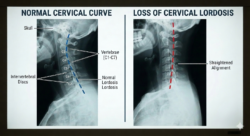
  • Loss of Cervical Lordosis: How a Straight Neck and Pain Impact Your Health—and How a San Leandro Chiropractor Can Help Restore It
  • Hidden Injuries from Car Accidents That a San Leandro Chiropractor Can Help You Detect
  • Best San Leandro Chiropractor for Sciatica Pain Relief: Natural, Drug-Free Solutions That Work