Top Chiropractor in San Leandro, CA

San Leandro Chiropractor

  • blog
  • About Our Practice
    • YELP REVIEWS
  • What is Chiropractic?
  • SERVICES
    • Personal Injury
    • Cold Laser Therapy
    • Massage
    • Ultrasound
    • Electric Stimulation
    • Sports Injury
    • Workers Compensation
    • HS Sports Physical Examination
  • FAQs
  • CONTACT US
  • New Patient Forms
  • Nutrition Store

Powered by Genesis

How Students Can Reduce Stress

February 7, 2011 by drburt

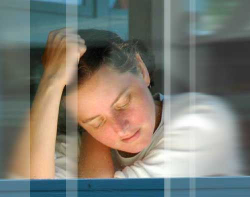
STUDENT STRESSLife as a student is full of stress especially when you reach the next level and have to leave home to go to a university.  It can get overwhelming to be in a new school and not know anybody. Not only that, the pressure of getting good grades, the pressure of fitting in and even the freedom to do things on your own can really put a lot of pressure on a student and many can’t handle it very well. You must consider this stage in your life as practice for what lies ahead in your future. After college you will be living in the real world and you have to adapt and handle the day to day pressure of earning money for you and your family and the pressures of finding a job and how to keep your job. In order to overcome it, you should get yourself organized and prepared for what’s going to happen next whether it is an expected or an unexpected situation. What you will learn in the university outside the academics will also apply to your life after school. You need to learn how to handle the pressure and stress (affiliate link) both for your personal life and with all the requirements in school.

Here are some great tips to help students like you to manage and reduce stress. First most important tip for students is to manage time. Time management (affiliate link) is important because you should balance everything from classes, studies, parties, practice and everything else. In order to have time for all these things you should make your own timetable and write down all your activity there and stick with it. This way you can do everything that is important to you and still have time for leisure.

Now what if you have a lot of things to do in just a short amount of time? This needs the help of tip #2 which is to prioritize. You’re just human you can’t do everything so you need to learn to prioritize. Do the most important things first. If you have to choose between studying for an exam and partying with friends then you should ask yourself what is the most important to you. Of course studying is the most important and that should always be your top priority. If this is not your top priority then you shouldn’t have enrolled in the first place. Also, if you have to cram to study because you did not put this as your top priority you will be more stressed as you try to squeeze to learn everything in a short amount of time when you could have studied earlier and be stress-free.

With joggling time between school and leisure, relationships could get stressful too. In fact, relationships will continue to be stressful every once in awhile not just during your time in school but all throughout your years. As a student you must realize that studies should always be your top priority and you must consider that this is just the start of your love life and you will have many more relationships after college. It’s not worth being too stressed out with your relationship and sacrificing your studies.

Finances could be a problem to students too and can cause a lot of stress. You should create your budget of expenses and lower your cost as much as possible. If your budget is not enough, look for part time jobs or financial aids to help you out. Also, students get scared about their future that they lose their focus in their studies and worry about what lies ahead. It’s best to not think about those and just focus on your studies. Remember, the better you do in school the better your chances of landing a good job in the future. Problems in the economy are just temporary and won’t affect you forever. If you do well in school, your knowledge will stay with you forever.

Please feel free to Post a comment or share your thoughts through Facebook, Twitter or comment section below to join the conversation.
Filed Under: Advice Tagged With: anxiety, business, education, endocrine system, especially, facebook, human behavior, human interest, ife, leaving home, Management, personal life, Pressure, psychology, reach, reduce stress, stress, Student, student stress, Students, study skills, time management, twitter, Universities

Stress And Your Health

January 31, 2011 by drburt

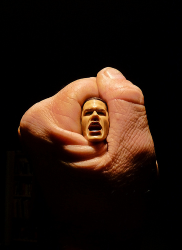
STRESSWe go through stress because it’s a natural part of our day-to-day life. Most of us get stressed out over our jobs, our families and also with regards to money and economy. The housing market can get really stressful too. When we do get stressed, we naturally react physically. We notice our heart rate gets to pump faster than usual, our blood pressure goes up, our body temperature, breathing, and muscle contractions change too. Our way of dealing with stressful situation differ from one person to another and those who can’t deal with this level of tension will eventually end up feeling exhausted both mentally and physically.

We think that stressful lifestyle is just a normal day to day function for our body, but it is in fact affecting not only our physical body but also affects our mental and emotional well being. The term stress was first used back in the 30’s as a term used for the condition when stimulus is caused by a stressor. It was an endocrinologist named Hans Selye who noticed the different physical response on animals and humans when demands were placed on them. We notice the signs of tension and we can feel it too. It can present itself through our behavior, emotions or through physical and cognitive symptoms. That means when we get stressed our attitude and demeanor changes. Also, because it affects our emotions and behavior we get to feel anxious or worried or become moody and irritable, easily agitated, can’t relax, feeling lonely, has a poor sense of judgment and eventually have a negative outlook to the situation and in life. Also, we feel isolated or depressed and can’t concentrate well even if we try hard to focus.  Not only do we experience all these but we also suffer from the physical symptoms such as faster breathing, faster heart rate, high blood pressure, cholesterol, energy and we also sweat a lot.

When you feel stressed, you may notice that you also eventually feel some pains and aches from different parts of the body. Diarrhea or constipation may also be present. Chest pain, an upset stomach, vomiting and dizziness as well as headache may also be experienced by a person who is high under pressure. If we feel stressed and can’t cope up with it and it continues to lurk its head on our everyday lives then it is called as chronic stress. This could lead to a long-term damage both to the physical and psychological aspects of a person. The immune system gets affected and we become more prone to catching diseases and infections. Stressful environment also promotes the buildup of the visceral fat that eventually leads to obesity. Other diseases such as heart problems, ulcers, cancer, psoriasis, diabetes and also depression could be the cause of  increased physical and mental load in your life.. As for little kids, their growth is stunted as a result of chronic day-to-day stress.

According to Hans Selye there are two types of stress: the good stress and bad stress. Eustress is good and distress is bad. Eustress is experienced when we get married, exercising or getting promoted. Whether it is good or bad, according to Selye, it is still stress. The difference between a person’s perceptions of stress whether it is good or bad depends on his/her personal experiences, expectations and way to cope with it.

We adapt differently to stress as some people are having harder time dealing and coping with the same stressor as another person. GAS or the General Adaptation Syndrome describes how our body reacts to stress. Depending on the length of time and intensity you can determine whether the person is suffering from acute or chronic stress. At the first sign of stress, our body reacts in a fight or flight response. Second stage is the coping stage. At this stage the body tries to cope up with the stressor and eventually depletes our resources such as proteins, nutrients, vitamins and amino acids. Once it gets all depleted then we proceed to the third stage which is exhaustion. This is when we feel fatigued, weak and can’t concentrate. If we stay in this stage for long-periods then it eventually affects our overall health and we get sick with all sorts of diseases. Stress management helps people by learning the techniques to handle the day to day stressors. This way you prevent chronic stress and you’ll feel happier and healthier.

Please Post a comment or share your thoughts through Facebook, Twitter or comment section below to join the conversation.
Filed Under: Advice, Health Tagged With: anxiety, blood pressure, body temperature, chronic stress, coping, day life, endocrine system, eustress, fight or flight response, got stress, hans selye, health, heart rate, human behavior, muscle contraction, personal life, psychology, social psychology, stress, stress levels, sympathetic nervous system, your health

14 Best Tips for Dieting

January 28, 2011 by drburt

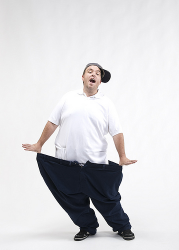
DIET TIPSAll of us know that in order to lose weight we need to eat less and increase our physical activities. This sounds simple but in real life, this is nothing simple at all. So, how come there are successful people who achieve their weight loss goals while others are left eating and gaining more pounds? To find out, experts were asked about the best tips for dieting and they came up with the 14 of them.

The first tip is simple. Just drink plenty of water. This is because we often mistake our thirst with hunger so instead of drinking more fluids, we tend to eat more. That means we take in more calories when our body doesn’t need it but only needs a glass of water. If plain water isn’t good enough, you can add some citrus or juice flavors or perhaps infuse some peaches or mango teas which make it more flavorful but without the calories.

2nd tip- Look for physical signs to know if you are indeed hungry. Hunger tells us that our body needs food to fuel it. If we are not hungry and we eat, our cravings won’t really be satisfied. When you eat and you are hungry then you will feel satisfied. If you eat and you are not hungry, then you’ll most likely feel bloated or tired. Keep reasonable portions when you eat. After all, our stomach is only the size of our fist so it doesn’t really take a lot to fill it up.

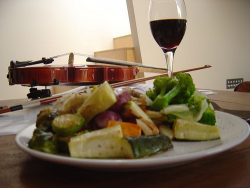
The 3rd tip- focus on what you can add and not on what you can take away from your diet. Focus on getting about 5 to 9 servings of fruits and vegetables. This way you get to meet your required amount of fiber and you’ll also feel more satisfied so it’s definitely worth it. Fruits and vegetables make you eat less too because they displace the fat from your diet. On top of that, fruits and vegetables are really nutritious and definitely good for you. Phytochemicals that are found in fruits and vegetables prevent diseases and many studies have proven this already. For vegetables, since they are not as appealing to us as fruits especially for children, it’s best to place them in our meals instead of serving them as is or as side dishes.

4th tip- Avoid coping with stress through foods. This means you need to find other means of coping up with stress than digging in on some food. You can try to listen to some soothing music or start writing your own journal or go and meditate. There are other ways out there, so ask yourself what you really want to do and try to do that instead of indulging yourself on foods.

5th tip is by eating your treats somewhere else and not at home. This way you consider it as a fun adventure that takes place outside of the house and not inside it. You can also choose to stock up your kitchen with healthy foods such as fruits instead of some high calorie desserts.

6th tip is to enjoy the foods that are your favorite. If you limit your favorite foods then you trigger the rebound of overeating and you end up gaining more weight. Instead of taking them away, just be a wise shopper and buy only small portions. This way you can still enjoy the foods that you like but you eat them in small portions.

7th tip- Spices! Add some spices or chilis to your food so you would feel more satisfied after each meal. This is because the flavors are stimulating your taste buds so you feel satisfied with little amount of food.

8th tip for dieting- Choose your nighttime snacks. When you finally are able to relax and just sit down, usually after dinner, that’s when we eat without thinking. Best way to prevent this is by keeping ourselves away from temptations by either closing down the kitchen during certain hours or has just some low calorie snacks available. Once you are already satisfied with zero calorie snacks, then you can go for zero calorie beverages such as tea.

9th tip- order small portions when you’re in a restaurant. Did you see those children’s portions? You can order those for yourself so you can control your portions. Or, perhaps use small plates so you will feel like you’re eating more portions than you really do.

10th tip- Better eat several small meals in your day. If you eat small portions at a time then you can lose weight as you divide the calories into small portions so you can enjoy each portion. Just make sure the last meal is dinner and not a midnight snack.

11th tip- Choose vegetables over pasta. Convert your pasta cravings to some vegetable dishes. This way you can lose weight by simply cutting back on your pasta and bread and adding more vegetables to your diet.

12th tip is to have protein in your every meal. Protein satisfies us better than fats and carbohydrates so it’s considered as the newest way to control our weight. If you have a high protein diet with moderate carbohydrates following a regular exercise will help you to lose weight. This is because protein preserves your muscle mass and burns fat.

13th tip- Eat seasonal foods on its season. Some fruits and vegetables don’t taste their best when they are out of season so it’s best to eat them during their season so you can enjoy their full flavors.

14th tip- Be more active. Don’t exercise as punishment for your overeating or to give you the right to eat some more. This gives it a negative image and that makes you hate to exercise. Better focus on how it makes you feel afterwards, how great it feels to perspire and how well you can sleep at night when you do some exercises during the day. Being active is really good for you.

Please Post a comment or share your thoughts through Facebook, Twitter or comment section below to join the conversation. Any additional tips would be greatly appreciated.
Filed Under: Advice, Weight Loss Tagged With: calorie restriction, diet food, diet tips, Dieting, Diets, eat, eating, food, food and drink, gerontology, good tips, health, lose weight, meal replacements, nutrition, obesity, physical activities, physicals, simples, snack food, tips, weight loss goals

Top 4 Myths for Weight Loss

January 26, 2011 by drburt

WEIGHT LOSSOne of the most misguided beliefs about dieting is the idea that you need to eat special food groups in order to lose some weight. What this does to you though is it deprives you of the essential vitamins and minerals that your body needs in order to operate well every day. We all want to be strong and healthy and this can only be accomplished if we have a balanced diet plan (affiliate link), full of nutritious foods that our body requires. . In this article, you will learn about the top 4 myths about weight loss.

The first myth about weight loss is that we should just consume foods from a particular category. This is wrong and this is usually what is followed by many diets especially crash diets. Our body can’t run on just 1 type of food because we need a varied and well balanced diet plan in order to stay healthy. We need a bit of fat, protein, water, vegetables, some fiber and carbohydrates. Even those “bad” foods are also required by some people as long as it is taken in moderation. We also need portions of fruits, nuts, grains and seeds as they are essential to keep our immune system (affiliate link) strong to ward off diseases.

2nd myth- protein is only from meat. This is false because we can also get protein from vegetables, fruits, nuts, grains, legumes and all. In fact, meat is higher in sodium and body fat especially the red meats which is why taking them in excessive amount is not good for our body because of its high cholesterol. But, meat does include protein but not as much as you would have thought. In fact, legumes, grains, oils and nuts have higher protein compared to meat. Our body requires about 30 grams of protein each day so it’s possible that you eat something else aside from all meat in order to reach this requirement.

3rd myth – Less consumption of extra fat to shed that extra weight. Our body needs some fat in order for it to correctly function as it permits the muscle tissues and our joints to work more easily. But, this doesn’t mean you should consume extra fat. What you need to do is to avoid hydrogenated fats. Great source of nutritious fats are from raw nuts, avocado and olive oil.

4th myth- Avoid food to slim down. Women need an average of 1,200 calories a day while men need 1,800 calories a day. Avoid snacking on extra fatty foods with lots of sugar but eat more on fruits and veggies so you won’t just feel happy but you won’t get hungry too without having that much bearing on your weight. The best method of losing weight is to eat on meals that are as nutritious as possible without added sugar or added preservatives to reduce those fats that are not necessary so you will just consume the amount that your body needs. This way you won’t just lose weight but you will also remain healthy.

Please Post a comment or share your thoughts through Facebook, Twitter or comment section below to join the conversation. Any additional tips would be greatly appreciated.

Filed Under: Advice, Health, Weight Loss Tagged With: crash diet, Diet, Dieting, Diets, eat, eating, food, food and drink, food guide pyramid, health, healthy diet, meat, misguided, Myth, Myths, nutrition, nutritious food, Protein, special food, Weight, weight loss

  • « Previous Page
  • 1
  • …
  • 12
  • 13
  • 14
  • 15
  • 16
  • …
  • 18
  • Next Page »

PLEASE FOLLOW & LIKE B.C.

RSS
Follow by Email
Facebook
Facebook
fb-share-icon
Twitter
Visit Us
Follow Me
Post on X
YouTube
YouTube
LinkedIn
LinkedIn
Share

15200 Hesperian Blvd #104

San Leandro, CA. 94578

(510) 481-2225

drburt@burtchiropractic.com


SEARCH

Categories

Recent Posts

  • Nutrition and Habits That May Support Pineal Gland Health and Reduce Factors Linked to Calcification
  • Fluoride in San Leandro Drinking Water, the Pineal Gland, and Questions About Human Free Will: A Local Holistic Perspective
  • San Leandro Chiropractor: How Expert Care Helps Injured Patients Navigate SDI and EDD Benefits