Top Chiropractor in San Leandro, CA

San Leandro Chiropractor

  • blog
  • About Our Practice
  • What is Chiropractic?
  • SERVICES
    • Personal Injury
    • Cold Laser Therapy
    • Massage
    • Ultrasound
    • Electric Stimulation
    • Sports Injury
    • Workers Compensation
  • FAQs
  • Locations
  • CONTACT US
  • New Patient Forms
  • Nutrition Store
  • Home

Powered by Genesis

Coping With Stress and Anxiety at Work

February 11, 2011 by drburt

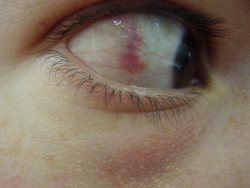
STRESS AND ANXIETY AT WORKWorking becomes harder when stress and anxiety becomes a redundant occurrence to the point that it affects how individuals do their jobs. Pressures are often the cause of stress and anxiety, from meeting deadlines, dealing with a demanding boss and having complex relationship with co-workers are just some of the things that make life at work difficult.

It is important to have a balanced life outside of your place employment to provide you with enough space to handle the pressures, stress and anxiety that the workplace brings. This can be achieved through a proper time management and a positive outlook in life.

Below are seven ways to cope with work stress and anxiety that can help you balance and enjoy life to the fullest.

  1. Find a job you love: having a job you love frees up a lot of pressures and stress for everybody. This kind of job often puts you in a healthy environment and doing the things you are passionate about. Look for a career that best suits your passions and talent. For example, if you love photography, indulge in a career that allows you to show your creativity through the camera of your lens.
  2. Spend more time with people you easily get along with: hanging out with people you love to spend time frees up the negativity that builds around a pressure packed and stress filled job. Try to spend more time with your friends by regularly scheduling a weekly get together to hang out and have fun.
  3. Listen to Soothing Music: listening to music soothes the mind and relaxes our senses. Play your favorite music during lunch break and incorporate it into your job for a few minutes in between. This will help you relax and flow along the rapid pace of your workplace.
  4. Do Exercises at Work: Try to practice exercises at your place of employment. Create a schedule for a 5 minute exercise every break time to just calm the muscles and put more energy to your body. A tired body often results to stress and anxiety and what better way to solve this than to have a regular exercise regimen.
  5. Relax at your Job: Every now and then try to relax at your job by closing your eyes for a couple of minutes to release the tension of staring at your computer screen for hours. By relaxing for a couple of minutes you end up clearing your mind of cluttered thoughts that results into stress and anxiety.
  6. Regular Workout at the Gym: balance your life outside of work by enrolling yourself in a gym. This affords you to gain a healthy lifestyle and with a regular workout program your body tends to reacts well with strenuous activity at your job as well as stress and anxiety. A healthy body helps you become more productive.
  7. Get 8 hours of Sleep: Lastly, make sure you get enough sleep each day you report to work. An average sleep length of 8 hours is enough to reinvigorate the body and prepare it for the next day’s workload. This gives you the adequate energy to combat stress and anxiety that usually develops in the work place. My teacher used to say: “Sleep is your weapon.”

Please feel free to Post a comment or share your thoughts through Facebook, Twitter or comment section below to join the conversation.

Filed Under: Advice, Health Tagged With: affect, anxiety, balance life, copes, coping with stress, endocrine system, hard, health, human interest, individual, nervous system, occurrence, psychology, redundant, sleep, stress, stress related disorders, sympathetic nervous system, symptoms, Work, work stress

Stress And Your Health

January 31, 2011 by drburt

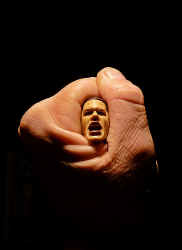
STRESSWe go through stress because it’s a natural part of our day-to-day life. Most of us get stressed out over our jobs, our families and also with regards to money and economy. The housing market can get really stressful too. When we do get stressed, we naturally react physically. We notice our heart rate gets to pump faster than usual, our blood pressure goes up, our body temperature, breathing, and muscle contractions change too. Our way of dealing with stressful situation differ from one person to another and those who can’t deal with this level of tension will eventually end up feeling exhausted both mentally and physically.

We think that stressful lifestyle is just a normal day to day function for our body, but it is in fact affecting not only our physical body but also affects our mental and emotional well being. The term stress was first used back in the 30’s as a term used for the condition when stimulus is caused by a stressor. It was an endocrinologist named Hans Selye who noticed the different physical response on animals and humans when demands were placed on them. We notice the signs of tension and we can feel it too. It can present itself through our behavior, emotions or through physical and cognitive symptoms. That means when we get stressed our attitude and demeanor changes. Also, because it affects our emotions and behavior we get to feel anxious or worried or become moody and irritable, easily agitated, can’t relax, feeling lonely, has a poor sense of judgment and eventually have a negative outlook to the situation and in life. Also, we feel isolated or depressed and can’t concentrate well even if we try hard to focus.  Not only do we experience all these but we also suffer from the physical symptoms such as faster breathing, faster heart rate, high blood pressure, cholesterol, energy and we also sweat a lot.

When you feel stressed, you may notice that you also eventually feel some pains and aches from different parts of the body. Diarrhea or constipation may also be present. Chest pain, an upset stomach, vomiting and dizziness as well as headache may also be experienced by a person who is high under pressure. If we feel stressed and can’t cope up with it and it continues to lurk its head on our everyday lives then it is called as chronic stress. This could lead to a long-term damage both to the physical and psychological aspects of a person. The immune system gets affected and we become more prone to catching diseases and infections. Stressful environment also promotes the buildup of the visceral fat that eventually leads to obesity. Other diseases such as heart problems, ulcers, cancer, psoriasis, diabetes and also depression could be the cause of  increased physical and mental load in your life.. As for little kids, their growth is stunted as a result of chronic day-to-day stress.

According to Hans Selye there are two types of stress: the good stress and bad stress. Eustress is good and distress is bad. Eustress is experienced when we get married, exercising or getting promoted. Whether it is good or bad, according to Selye, it is still stress. The difference between a person’s perceptions of stress whether it is good or bad depends on his/her personal experiences, expectations and way to cope with it.

We adapt differently to stress as some people are having harder time dealing and coping with the same stressor as another person. GAS or the General Adaptation Syndrome describes how our body reacts to stress. Depending on the length of time and intensity you can determine whether the person is suffering from acute or chronic stress. At the first sign of stress, our body reacts in a fight or flight response. Second stage is the coping stage. At this stage the body tries to cope up with the stressor and eventually depletes our resources such as proteins, nutrients, vitamins and amino acids. Once it gets all depleted then we proceed to the third stage which is exhaustion. This is when we feel fatigued, weak and can’t concentrate. If we stay in this stage for long-periods then it eventually affects our overall health and we get sick with all sorts of diseases. Stress management helps people by learning the techniques to handle the day to day stressors. This way you prevent chronic stress and you’ll feel happier and healthier.

Please Post a comment or share your thoughts through Facebook, Twitter or comment section below to join the conversation.

Filed Under: Advice, Health Tagged With: anxiety, blood pressure, body temperature, chronic stress, coping, day life, endocrine system, eustress, fight or flight response, got stress, hans selye, health, heart rate, human behavior, muscle contraction, personal life, psychology, social psychology, stress, stress levels, sympathetic nervous system, your health

PLEASE FOLLOW & LIKE B.C.

RSS
Follow by Email
Facebook
Facebook
fb-share-icon
Twitter
Visit Us
Follow Me
Post on X
YouTube
YouTube
LinkedIn
LinkedIn
Share

15200 Hesperian Blvd #104

San Leandro, CA. 94578

(510) 481-2225

drburt@burtchiropractic.com


SEARCH

Categories

Recent Posts

  • Loss of Cervical Lordosis: How a Straight Neck and Pain Impact Your Health—and How a San Leandro Chiropractor Can Help Restore It
  • Hidden Injuries from Car Accidents That a San Leandro Chiropractor Can Help You Detect
  • Best San Leandro Chiropractor for Sciatica Pain Relief: Natural, Drug-Free Solutions That Work