Top Chiropractor in San Leandro, CA

San Leandro Chiropractor

  • blog
  • About Our Practice
    • YELP REVIEWS
  • What is Chiropractic?
  • SERVICES
    • Personal Injury
    • Cold Laser Therapy
    • Massage
    • Ultrasound
    • Electric Stimulation
    • Sports Injury
    • Workers Compensation
    • HS Sports Physical Examination
  • FAQs
  • CONTACT US
  • New Patient Forms
  • Nutrition Store

Powered by Genesis

Soft Tissue Injuries in Tennis: Causes, Common Types, and Chiropractic Rehabilitation in San Leandro, CA

June 5, 2026 by drburt

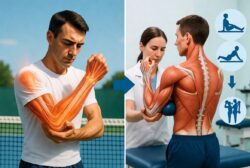
tennis injury

Tennis is a high intensity sport that demands explosive movements, rapid changes in direction, repetitive swinging, and powerful serves. While it offers excellent cardiovascular and mental benefits, these demands place significant stress on the body’s soft tissues, muscles, tendons, and ligaments. Soft tissue injuries are among the most common issues plaguing tennis players, from weekend warriors to professionals. Understanding these injuries and the role of chiropractic care in rehabilitation can help players recover faster and return to the court stronger.

What Are Soft Tissue Injuries?

Soft tissues include muscles, tendons (which connect muscle to bone), ligaments (which connect bone to bone), and other structures like bursae. Injuries occur when these tissues are overstretched, torn, or inflamed. They fall into two main categories: acute (sudden trauma, such as a twist or awkward landing) and overuse (repetitive stress leading to micro-tears and inflammation).

In tennis, overuse injuries dominate because of the sport’s repetitive nature. Players perform thousands of similar motions in a match—forehands, backhands, serves, and quick lateral shuffles. Without adequate recovery, these actions lead to inflammation, reduced blood flow, and eventual breakdown of tissue. Factors like poor technique, inadequate warm-up, muscle imbalances, improper equipment, and insufficient conditioning increase risk.

Common Soft Tissue Injuries in Tennis

1. Tennis Elbow (Lateral Epicondylitis)
This is perhaps the most notorious tennis injury. It involves inflammation or degeneration of the tendons attaching to the outer elbow, primarily from repetitive wrist extension and gripping. Symptoms include pain on the outside of the elbow that worsens with gripping or lifting. While named after tennis, it affects anyone with repetitive forearm use.

2. Rotator Cuff Tendinopathy and Shoulder Injuries
The shoulder endures immense stress during overhead serves and smashes. Repetitive motion can inflame or damage the rotator cuff tendons, leading to tendinitis, impingement, or partial tears. Bursitis (inflammation of fluid-filled sacs cushioning the joint) often accompanies this. Players notice pain with overhead movements, weakness, and stiffness.

3. Wrist and Forearm Strains/Tendonitis
Quick wrist snaps and gripping the racket strain forearm muscles and wrist tendons. Overuse leads to pain, swelling, and reduced grip strength.

4. Lower Body Injuries: Ankle Sprains, Calf Strains, and Knee Issues
Sudden stops, starts, and lateral movements frequently cause ankle sprains (stretched or torn ligaments). Calf strains (often called “tennis leg”) occur from explosive pushes. Knee problems, including patellar tendonitis or iliotibial band issues, arise from repetitive impact and twisting.

5. Back and Hip Strains
The core and hips generate power for rotation. Poor core stability or tight hips can lead to lumbar strains or hip flexor issues.

These injuries often start subtly with mild soreness but progress to chronic pain if ignored, potentially sidelining players for weeks or months

The Chiropractic Approach to Rehabilitation

Chiropractic care in San Leandro, CA. excels in treating soft tissue injuries through a holistic, non-invasive focus on the musculoskeletal and nervous systems. Unlike treatments relying solely on rest or medication, chiropractic addresses root causes like joint misalignments, muscle imbalances, and nerve irritation that exacerbate injuries.

Initial Assessment and Acute Phase Management


A thorough evaluation includes history, physical exams, range-of-motion testing, and possibly imaging referrals. In the acute phase (first 48-72 hours), the goal is reducing pain and inflammation using the RICE protocol (Rest, Ice, Compression, Elevation), sometimes supplemented with gentle modalities.

Chiropractors may apply:

  • Soft tissue therapies like Active Release Technique (ART), myofascial release, or instrument-assisted soft tissue mobilization (IASTM, similar to Graston). These break down scar tissue, improve blood flow, and restore tissue glide.
  • Low-level laser therapy or ultrasound to reduce inflammation and promote healing.
  • Gentle spinal and extremity adjustments to restore proper joint mechanics and reduce nerve pressure, which can speed recovery even in peripheral injuries.

Rehabilitation and Strengthening Phase
Once acute symptoms subside, rehab shifts to restoring function:

  • Targeted adjustments: Correcting spinal or joint dysfunctions (e.g., in the neck or mid-back) improves overall biomechanics, reducing compensatory stress on the elbow or shoulder.
  • Progressive exercises: Eccentric strengthening (lengthening under load) is key for tendons, like controlled wrist extensions for tennis elbow. Core stabilization, rotator cuff exercises, and balance training address tennis-specific demands.
  • Stretching and mobility work: Improving flexibility in tight areas (e.g., forearms, hips, thoracic spine) prevents recurrence.
  • Functional training: Sport specific drills simulate court movements with proper form.

Chiropractors often collaborate with physical therapists or coaches for comprehensive care. Treatment frequency starts higher (2-3 times per week) and tapers as healing progresses. Many players report significant pain relief within a few sessions and full return to play in 4-12 weeks, depending on injury severity.

Prevention:

Staying Injury Free on the Court Prevention is the best rehabilitation. Incorporate these strategies:

  • Dynamic warm-up: 10-15 minutes of light cardio, arm circles, lunges, and swing simulations.
  • Strength and conditioning: Focus on balanced training rotator cuff, core, glutes, and eccentric forearm work. Include flexibility routines.
  • Proper technique and equipment: Work with a coach. Use a racket with suitable grip size and tension.
  • Recovery practices: Adequate rest between sessions, hydration, nutrition, and foam rolling or massage.
  • Gradual progression: Avoid sudden spikes in training volume.

Listen to your body persistent soreness is a warning sign. Real World Success and Long Term Benefits Consider a recreational player with chronic tennis elbow. After weeks of rest and anti-inflammatories with minimal improvement, chiropractic care involving ART, elbow/wrist adjustments, and a progressive strengthening program resolved symptoms in under a month. The player returned with better serve mechanics and no recurrence after addressing underlying thoracic mobility issues. Chiropractic rehabilitation not only heals the injury but optimizes performance by improving posture, balance, and kinetic chain efficiency from feet to racket.

Conclusion

Soft tissue injuries are an inherent risk in tennis, but they don’t have to end your love for the game. With prompt attention and a comprehensive chiropractic approach focusing on manual therapies, adjustments, and tailored rehab, most players can recover fully and often play at a higher level than before. If you’re dealing with nagging pain or want to prevent injuries, consult San Leandro Chiropractor experienced with racket sports. Invest in your body now so you can enjoy many more matches ahead.

Filed Under: Chiropractic, Exercises, Tennis Elbow Tagged With: chiropractic, medicine, pain, spinal adjustment

Chiropractic Rehabilitation of soft tissue after a Car Accident in San Leandro, CA

June 1, 2026 by drburt

car accident scaled

Car accidents are an unfortunate reality in the San Leandro area. With busy roads like East 14th Street, Hesperian Boulevard, and proximity to major highways, collisions happen more frequently than many realize. Local data and broader California trends show rising incidents, often leading to whiplash, back pain, and hidden spinal misalignments, as well as sprain/strain of soft tissues. While emergency rooms address immediate life threatening issues, they often miss the subtle musculoskeletal damage that can cause long term problems. This is where chiropractic rehabilitation becomes essential for full recovery.

Why Car Accidents Cause Lasting Damage Even low speed impacts generate tremendous forces on the body. In a rear end collision the most common type your vehicle lurches forward while your head snaps backward and then forward in a rapid whipping motion. This stresses the cervical spine (neck), thoracic and lumbar regions, ligaments, muscles, discs, and nerves.

Symptoms like neck pain, headaches, stiffness, back pain, numbness, or dizziness may not appear immediately. Inflammation builds over days, and scar tissue can form if motion is not restored properly. Untreated injuries often lead to chronic pain, reduced mobility, degenerative disc disease, or ongoing headaches years later. Studies and clinical experience show that early intervention prevents these complications. In San Leandro, residents with commutes to Oakland, San Francisco, or local industries face higher risks. Minor vehicle damage does not mean minor injury—the force on your spine can be significant regardless of visible bumper damage.

Benefits of Chiropractic Rehabilitation Post Car Accident. Identifies and Treats Hidden Injuries
Chiropractors perform thorough exams, including orthopedic tests, posture analysis, and range of motion assessments. They may order X-rays or refer for MRIs to detect issues like disc protrusions, subluxations, or compression fractures that hospitals might overlook in initial checks. Early detection prevents minor problems from becoming major ones.

Natural Pain Relief Without Heavy Medication


Chiropractic adjustments realign the spine, reduce nerve pressure, and release endorphins for pain relief. Techniques like spinal manipulation, soft tissue therapy, and modalities (e.g., electrical stimulation, moist heat) decrease inflammation and muscle spasms. This drug free approach avoids opioid dependency risks while addressing root causes. Restores Range of Motion and Mobility
Accidents cause stiffness and protective muscle guarding. Gentle adjustments and rehabilitative exercises restore joint function, improve flexibility, and correct posture. Patients often regain the ability to turn their heads, bend, or walk comfortably much faster than with rest alone.

Effective Whiplash and Soft Tissue Recovery


Whiplash is one of the most common injuries. Chiropractic care targets the neck’s delicate structures, preventing excessive scar tissue buildup that limits future movement. Combined with massage and specific exercises, it promotes proper healing of ligaments and muscles.

Reduces Risk of Chronic Conditions


Prompt care minimizes long term issues like arthritis acceleration, chronic headaches, or fibromyalgia like symptoms. By maintaining spinal alignment during healing, patients experience better nervous system function, which supports overall health and quicker return to work and daily activities.

Supports Insurance and Legal Documentation


San Leandro chiropractors experienced in personal injury cases provide detailed reports, progress notes, and imaging that strengthen claims. They often accept liens, work directly with local attorney, and help ensure fair settlements covering full treatment needs. Do not settle with insurance before completing a full evaluation and treatment plan.

Holistic and Personalized Rehabilitation


Beyond adjustments, programs include therapeutic exercises, massage therapy, nutritional advice, and lifestyle recommendations. Clinics in San Leandro, such as Burt Chiropractic Rehabilitation Center, integrate these for comprehensive care, sometimes coordinating with orthopedists or neurologists.

What to Expect in Chiropractic Rehabilitation. Initial visits involve a detailed history, physical exam, and diagnostic imaging if needed. Treatment frequency often starts at 3 times per week, tapering as improvement occurs typically over weeks to months depending on injury severity.

Therapies may include:

  • Spinal adjustments (gentle and safe for most patients)
  • Soft tissue work and massage
  • Modalities like ultrasound or interferential current
  • Home exercises for strengthening and stability
  • Posture and ergonomic education

Care is comfortable and non-invasive. Many patients report feeling relief after the first few sessions and look forward to visits. It is safe for a wide age range when performed by licensed professionals.

If you’ve been in a car accident in San Leandro or nearby areas:

  • Seek medical evaluation promptly.
  • Follow up with a chiropractor specializing in auto injuries.
  • Document everything for your health and any legal needs.
  • Prioritize consistent rehabilitation.

Conclusion: Invest in Your Long Term Health. Chiropractic rehabilitation is one of the most effective, natural ways to recover fully after a car accident. It addresses pain, restores function, prevents chronic issues, and supports your body’s innate healing ability. In a community like San Leandro, where daily driving is a necessity, getting back to pain-free living quickly matters for your job, family, and quality of life.

Don’t let an accident define your future. Contact a local San Leandro chiropractor today for an evaluation. Your spine and your overall well being will thank you.

Filed Under: Chiropractic, Auto Accidents Tagged With: chiropractic, pain, san leandro, spinal adjustment

San Leandro Chiropractor, C2 subluxation and possible symptoms that you can experience

May 13, 2026 by drburt

san leandro chiropractor

C2 subluxation

C2 subluxation refers to a misalignment or partial displacement of the second cervical vertebra (the axis), which sits below C1 (the atlas) and allows much of the head’s rotational movement. In chiropractic terms, a “vertebral subluxation” involves a vertebra that is misaligned or not moving properly, potentially irritating nerves, muscles, ligaments, or the brainstem/spinal cord area.

In conventional medicine, true atlantoaxial subluxation (C1-C2 instability or displacement) is rarer and often linked to trauma, rheumatoid arthritis, or congenital issues. It can be serious if it compresses the spinal cord. Chiropractors often use the term more broadly for minor misalignments detected via palpation or imaging.

Common Symptoms Associated with C2 Subluxation.

Symptoms vary widely depending on severity, the degree of nerve or vascular involvement, and individual factors. Many overlap with other conditions, so proper diagnosis (imaging like X-rays, CT, or MRI, plus clinical evaluation) is essential.

Frequent symptoms include:

  • Neck pain and stiffness — Often at the base of the skull; may include reduced range of motion or torticollis (head tilt/rotation, especially in acute rotary subluxation).
  • Headaches and migraines — Commonly occipital (back of head) or cervicogenic headaches starting at the skull base.
  • Dizziness, vertigo, or balance issues — Due to proximity to structures affecting vestibular function and blood flow.
  • Other neurological or sensory issues — Brain fog, tinnitus (ringing in ears), visual disturbances, facial pain, or numbness/tingling in arms/hands.

Additional symptoms sometimes linked in chiropractic literature (with varying levels of scientific consensus):

  • Insomnia, nervousness, chronic fatigue.
  • Sinus issues, allergies, earaches.
  • High blood pressure or other autonomic effects (via upper cervical influence on brainstem).

Severe cases (true instability) can rarely lead to more serious neurological deficits, cord compression symptoms, or (in extreme trauma) paralysis. Many mild cases are asymptomatic or cause only vague neck discomfort.

How Chiropractic Care Can Help

Chiropractors focus on detecting and correcting subluxations through spinal adjustments (manipulations) to restore alignment, mobility, and nerve function. For upper cervical issues like C2, they often use gentle, specific techniques rather than high-velocity thrusts to minimize risk.

Common approaches:

  • Upper cervical chiropractic (e.g., Atlas Orthogonal, NUCCA, or Blair techniques) — Precise, low-force adjustments tailored to C1-C2 alignment, often using instruments or very light touches. These aim to reduce pressure on nerves/brainstem and improve posture/blood flow.
  • Manual adjustments, mobilization, and soft tissue work — To improve joint motion and reduce muscle tension.
  • Supportive care — Exercises, posture correction, traction, or physical therapy modalities to stabilize the area and prevent recurrence.

Potential benefits reported:

  • Reduced neck pain and headaches.
  • Improved dizziness/balance and range of motion.
  • Better overall function through restored nervous system signaling.


Filed Under: Chiropractic Tagged With: chiropractic, chiropractic adjustment, chronic pain, headache, neck pain, san leandro chiropractor, spinal adjustment

San Leandro Chiropractor and C1 vertebral level and symptoms associated with it

May 11, 2026 by drburt

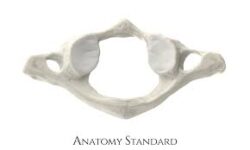
atlas scaled

A C1 (atlas) vertebral misalignment often causes chronic headaches, severe neck pain/stiffness, vertigo, and dizziness due to its close proximity to the brainstem and nerves. This instability can also lead to TMJ pain, ringing in the ears (tinnitus), fatigue, and postural changes, such as shoulder tilting.

Common Symptoms of C1 Misalignment
Because the C1 vertebra surrounds the brainstem and supports the head, misalignments can cause diverse symptoms:

  • Headaches and Migraines: Often start at the base of the skull and radiate towards the eyes or temples.
  • Neck Pain and Reduced Mobility: Persistent pain, stiffness, and difficulty turning the head, or a feeling of a “constant knot”.
  • Neurological Issues: Vertigo, dizziness, and loss of balance, sometimes severe.
  • TMJ and Facial Pain: Clicking, popping, or jaw pain located near the ear.
  • Auditory and Visual Disturbances: Tinnitus (ringing in the ears), fullness in the ears, or blurred vision.
  • Nerve Interference Symptoms: Numbness, tingling, or weakness in the arms, hands, or face.
  • General Dysfunction: Fatigue, brain fog, and sometimes anxiety or sleep disturbances.

Causes and Effects of C1 Misalignment

  • Atlantoaxial Instability (C1-C2): Injury to ligaments can cause excessive movement between C1 and C2, leading to nerve irritation and vertebral artery compression.
  • Postural Changes: Misalignment often causes compensatory posture issues, including head tilt, uneven shoulders, or a “short leg” phenomenon.
  • Reduced Blood Flow: Misalignment can affect blood flow to the brain, contributing to “brain fog” or vertigo.

If you suspect a C1 misalignment, it is advised to consult your local chiropractor

Filed Under: Chiropractic Tagged With: chiropractic, Chiropractic Care, chiropractor, headache, neckpain, pain, san leandro, spinal adjustment, tmj

  • « Previous Page
  • 1
  • …
  • 5
  • 6
  • 7
  • 8
  • 9
  • …
  • 13
  • Next Page »

PLEASE FOLLOW & LIKE B.C.

RSS
Follow by Email
Facebook
Facebook
fb-share-icon
Twitter
Visit Us
Follow Me
Post on X
YouTube
YouTube
LinkedIn
LinkedIn
Share

15200 Hesperian Blvd #104

San Leandro, CA. 94578

(510) 481-2225

drburt@burtchiropractic.com


SEARCH

Categories

Recent Posts

  • Nutrition and Habits That May Support Pineal Gland Health and Reduce Factors Linked to Calcification
  • Fluoride in San Leandro Drinking Water, the Pineal Gland, and Questions About Human Free Will: A Local Holistic Perspective
  • San Leandro Chiropractor: How Expert Care Helps Injured Patients Navigate SDI and EDD Benefits