Top Chiropractor in San Leandro, CA

San Leandro Chiropractor

  • blog
  • About Our Practice
    • YELP REVIEWS
  • What is Chiropractic?
  • SERVICES
    • Personal Injury
    • Cold Laser Therapy
    • Massage
    • Ultrasound
    • Electric Stimulation
    • Sports Injury
    • Workers Compensation
    • HS Sports Physical Examination
  • FAQs
  • CONTACT US
  • New Patient Forms
  • Nutrition Store

Powered by Genesis

The 4 Stages of Vertebral Degeneration: Insights from Your San Leandro Chiropractor

June 19, 2026 by drburt

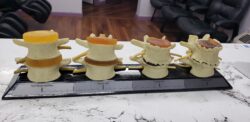
vertebral stages of degeneration

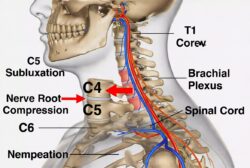
Vertebral degeneration, often referred to as degenerative disc disease (DDD), is a common progressive condition affecting the intervertebral discs in the spine. As a trusted San Leandro chiropractor, I see patients every week dealing with the effects of aging, repetitive stress, injuries, and lifestyle factors on their spinal health due to lack of chiropractic alignments and maintenance. These cushion like discs lose hydration, height, and resilience over time. Understanding the four main stages of vertebral degeneration can empower you to seek early care and prevent worsening symptoms.

Stage 1: Dysfunction

The first stage, known as dysfunction, involves initial subtle changes in the spinal discs. Small tears may appear in the annulus fibrosus (the tough outer ring of the disc), and the segment begins to lose normal flexibility. Many patients in San Leandro report only mild, occasional discomfort or no pain at all—during this phase. This stage is frequently discovered during routine exams or imaging for unrelated issues. As your local San Leandro chiropractor, I recommend gentle spinal adjustments, core stabilization exercises, and posture corrections at this early point to slow progression and maintain spinal mobility.

Stage 2: Dehydration

In the dehydration stage, the discs lose their ability to hold water, shrinking and becoming less effective shock absorbers. Healthy discs are roughly 80% water; once dehydration sets in, disc height decreases, leading to mild-to-moderate back or neck pain that may radiate into the arms or legs. Inflammation and slight instability often cause intermittent discomfort. This is when many residents visit our San Leandro chiropractic office seeking relief. Non invasive chiropractic care, including spinal manipulation, decompression therapy, and targeted rehabilitation exercises, can significantly reduce pain and restore function before the condition advances further.

Stage 3: Stabilization

During the stabilization stage, the body attempts to create stability on its own. Bone spurs (osteophytes) may form, ligaments thicken, and motion in the affected segment decreases. While this reduces hypermobility, it can lead to spinal stenosis or nerve root compression, resulting in chronic pain, numbness, tingling, or weakness. Postural changes become more evident, and daily activities may feel more limited. At this stage, a San Leandro chiropractor can provide comprehensive care plans combining adjustments, soft tissue therapy, and strengthening programs to alleviate nerve pressure and improve quality of life without relying solely on medications.

Stage 4: Collapsing

The final collapsing stage represents advanced degeneration where discs have lost most of their height and cushioning. This can result in near bone-on-bone contact, severe pain, instability, or spinal deformity. Symptoms often become constant and significantly impact mobility and daily function. While advanced cases may require surgical consultation, many patients still benefit from conservative chiropractic management focused on pain relief, mobility preservation, and functional improvement. Early intervention by a knowledgeable San Leandro chiropractor often helps patients avoid reaching this stage.Prevention and Proactive Care in San LeandroSpinal degeneration is a natural part of aging, but you don’t have to accept constant pain. Regular chiropractic check-ups, combined with low-impact exercise, proper ergonomics at work, weight management, and an anti-inflammatory diet, can make a tremendous difference. Whether you’re experiencing early warning signs or managing advanced symptoms, personalized chiropractic care addresses the root cause rather than just masking pain.If you’re in the San Leandro area and concerned about back or neck issues, don’t wait for symptoms to worsen. Contact your local San Leandro chiropractor today for a thorough evaluation and tailored treatment plan. Early action is the key to maintaining an active, pain-free lifestyle for years to come.

Listening to your body and prioritizing spinal health can transform how you age. Schedule an appointment with a San Leandro chiropractor and take the first step toward better vertebral health.

Filed Under: Chiropractic, Spine Tagged With: chiropractic, Chiropractic Care, pain, spinal adjustment

Natural Relief for Chondromalacia Patella: San Leandro Chiropractic Care, Amrex Ultrasound, and Chondroitin Sulfate

June 17, 2026 by drburt

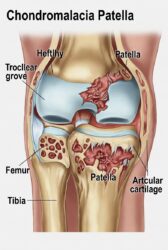
chnadromalacia patella

Chondromalacia patella, often called “runner’s knee,” involves the softening and breakdown of the cartilage on the underside of the kneecap (patella). This condition causes anterior knee pain, especially during activities like climbing stairs, squatting, or prolonged sitting. It commonly affects athletes, active young adults, and those with biomechanical imbalances such as poor hip or knee alignment. While cartilage damage is challenging to reverse fully, conservative treatments can significantly reduce pain, improve function, and slow progression.

Chiropractic Care:

Addressing the Root Causes. Chiropractic care offers a non invasive, holistic approach ideal for chondromalacia patella. Chiropractors focus on correcting misalignments in the pelvis, hips, spine, and knee that contribute to uneven pressure on the patella. Adjustments improve joint biomechanics, reduce muscle imbalances (particularly in the quadriceps and vastus medialis obliquus), and enhance overall lower extremity alignment. Patients often experience reduced pain and better knee tracking after regular sessions. Chiropractic also incorporates soft tissue work, stretching, and rehabilitative exercises to strengthen supporting muscles and prevent recurrence. Many clinics combine this with postural corrections and gait analysis for long term relief. Studies and clinical reports support chiropractic management for patellofemoral pain syndrome, showing improvements in pain and function without surgery. Also misaligned Sacroilliac Joint in females can increase Valgus or (Q- angle) and can cause biomechanical problems with long term stress during physical exercises and just normal ADL ( activities of daily living)

A normal structural knee angle (known as the Q-angle) in females ranges from roughly 10° to 15°. Angles exceeding 15° to 20° often indicate structural genu valgum (“knock-knees”). During dynamic movements like landing or pivoting, females frequently demonstrate greater inward knee collapse than males, heavily elevating ACL injury risks

Amrex Ultrasound Therapy:

Deep Healing Power.

At San Leandro Chiropractor office settings, therapeutic ultrasound is a popular modality for knee conditions. Amrex ultrasound units (such as the Synchro Sonic U/50 or combo models) are reliable, portable devices widely used in clinics. They deliver high-frequency sound waves that penetrate deep into tissues, promoting:

  • Increased blood circulation
  • Reduced inflammation and swelling
  • Enhanced tissue repair and flexibility
  • Pain relief through thermal and non-thermal effects

For chondromalacia patella, ultrasound helps soothe irritated tissues around the patellofemoral joint and supports cartilage health indirectly by improving the environment for healing. Treatments are comfortable, often combined with electrical stimulation for better results, and sessions typically last 10–15 minutes. Many patients report noticeable pain reduction and improved mobility after a course of therapy.

Chondroitin Sulfate: Nutritional Support for Cartilage

Chondroitin sulfate, a natural component of cartilage, is a popular supplement for joint health. Taken orally (often 800–1200 mg daily, sometimes paired with glucosamine), it may help by:

  • Slowing cartilage breakdown
  • Reducing inflammation
  • Supporting the synthesis of new cartilage matrix
  • Improving joint lubrication and shock absorption

Research, including MRI studies on knee osteoarthritis (closely related to chondromalacia), shows chondroitin can reduce cartilage volume loss and bone marrow lesions over months. While results vary, many individuals with knee pain experience less stiffness and better function. It’s generally safe with few side effects, making it a valuable addition to conservative care. Always consult a healthcare provider before starting supplements.

Integrating These Approaches for Best Results

A comprehensive plan might include chiropractic adjustments 1–2 times weekly, Amrex ultrasound sessions, targeted physical therapy exercises (like closed-chain quad strengthening and hip abductor work), activity modification, and daily chondroitin supplementation. Ice, rest from aggravating activities, and weight management further support recovery. Most people see improvement within weeks to months with consistent conservative care. If you’re struggling with kneecap pain, consult a qualified chiropractor or sports medicine specialist for personalized evaluation. Early intervention can help you return to pain-free movement and avoid long term issues like arthritis.

Filed Under: Chiropractic, Knee, Nutriton, Opinion Tagged With: chiropractic, health, nutrition, pain, san leandro chiropractor, spinal adjustment

Soft Tissue Injuries in Tennis: Causes, Common Types, and Chiropractic Rehabilitation in San Leandro, CA

June 5, 2026 by drburt

tennis injury

Tennis is a high intensity sport that demands explosive movements, rapid changes in direction, repetitive swinging, and powerful serves. While it offers excellent cardiovascular and mental benefits, these demands place significant stress on the body’s soft tissues, muscles, tendons, and ligaments. Soft tissue injuries are among the most common issues plaguing tennis players, from weekend warriors to professionals. Understanding these injuries and the role of chiropractic care in rehabilitation can help players recover faster and return to the court stronger.

What Are Soft Tissue Injuries?

Soft tissues include muscles, tendons (which connect muscle to bone), ligaments (which connect bone to bone), and other structures like bursae. Injuries occur when these tissues are overstretched, torn, or inflamed. They fall into two main categories: acute (sudden trauma, such as a twist or awkward landing) and overuse (repetitive stress leading to micro-tears and inflammation).

In tennis, overuse injuries dominate because of the sport’s repetitive nature. Players perform thousands of similar motions in a match—forehands, backhands, serves, and quick lateral shuffles. Without adequate recovery, these actions lead to inflammation, reduced blood flow, and eventual breakdown of tissue. Factors like poor technique, inadequate warm-up, muscle imbalances, improper equipment, and insufficient conditioning increase risk.

Common Soft Tissue Injuries in Tennis

1. Tennis Elbow (Lateral Epicondylitis)
This is perhaps the most notorious tennis injury. It involves inflammation or degeneration of the tendons attaching to the outer elbow, primarily from repetitive wrist extension and gripping. Symptoms include pain on the outside of the elbow that worsens with gripping or lifting. While named after tennis, it affects anyone with repetitive forearm use.

2. Rotator Cuff Tendinopathy and Shoulder Injuries
The shoulder endures immense stress during overhead serves and smashes. Repetitive motion can inflame or damage the rotator cuff tendons, leading to tendinitis, impingement, or partial tears. Bursitis (inflammation of fluid-filled sacs cushioning the joint) often accompanies this. Players notice pain with overhead movements, weakness, and stiffness.

3. Wrist and Forearm Strains/Tendonitis
Quick wrist snaps and gripping the racket strain forearm muscles and wrist tendons. Overuse leads to pain, swelling, and reduced grip strength.

4. Lower Body Injuries: Ankle Sprains, Calf Strains, and Knee Issues
Sudden stops, starts, and lateral movements frequently cause ankle sprains (stretched or torn ligaments). Calf strains (often called “tennis leg”) occur from explosive pushes. Knee problems, including patellar tendonitis or iliotibial band issues, arise from repetitive impact and twisting.

5. Back and Hip Strains
The core and hips generate power for rotation. Poor core stability or tight hips can lead to lumbar strains or hip flexor issues.

These injuries often start subtly with mild soreness but progress to chronic pain if ignored, potentially sidelining players for weeks or months

The Chiropractic Approach to Rehabilitation

Chiropractic care in San Leandro, CA. excels in treating soft tissue injuries through a holistic, non-invasive focus on the musculoskeletal and nervous systems. Unlike treatments relying solely on rest or medication, chiropractic addresses root causes like joint misalignments, muscle imbalances, and nerve irritation that exacerbate injuries.

Initial Assessment and Acute Phase Management


A thorough evaluation includes history, physical exams, range-of-motion testing, and possibly imaging referrals. In the acute phase (first 48-72 hours), the goal is reducing pain and inflammation using the RICE protocol (Rest, Ice, Compression, Elevation), sometimes supplemented with gentle modalities.

Chiropractors may apply:

  • Soft tissue therapies like Active Release Technique (ART), myofascial release, or instrument-assisted soft tissue mobilization (IASTM, similar to Graston). These break down scar tissue, improve blood flow, and restore tissue glide.
  • Low-level laser therapy or ultrasound to reduce inflammation and promote healing.
  • Gentle spinal and extremity adjustments to restore proper joint mechanics and reduce nerve pressure, which can speed recovery even in peripheral injuries.

Rehabilitation and Strengthening Phase
Once acute symptoms subside, rehab shifts to restoring function:

  • Targeted adjustments: Correcting spinal or joint dysfunctions (e.g., in the neck or mid-back) improves overall biomechanics, reducing compensatory stress on the elbow or shoulder.
  • Progressive exercises: Eccentric strengthening (lengthening under load) is key for tendons, like controlled wrist extensions for tennis elbow. Core stabilization, rotator cuff exercises, and balance training address tennis-specific demands.
  • Stretching and mobility work: Improving flexibility in tight areas (e.g., forearms, hips, thoracic spine) prevents recurrence.
  • Functional training: Sport specific drills simulate court movements with proper form.

Chiropractors often collaborate with physical therapists or coaches for comprehensive care. Treatment frequency starts higher (2-3 times per week) and tapers as healing progresses. Many players report significant pain relief within a few sessions and full return to play in 4-12 weeks, depending on injury severity.

Prevention:

Staying Injury Free on the Court Prevention is the best rehabilitation. Incorporate these strategies:

  • Dynamic warm-up: 10-15 minutes of light cardio, arm circles, lunges, and swing simulations.
  • Strength and conditioning: Focus on balanced training rotator cuff, core, glutes, and eccentric forearm work. Include flexibility routines.
  • Proper technique and equipment: Work with a coach. Use a racket with suitable grip size and tension.
  • Recovery practices: Adequate rest between sessions, hydration, nutrition, and foam rolling or massage.
  • Gradual progression: Avoid sudden spikes in training volume.

Listen to your body persistent soreness is a warning sign. Real World Success and Long Term Benefits Consider a recreational player with chronic tennis elbow. After weeks of rest and anti-inflammatories with minimal improvement, chiropractic care involving ART, elbow/wrist adjustments, and a progressive strengthening program resolved symptoms in under a month. The player returned with better serve mechanics and no recurrence after addressing underlying thoracic mobility issues. Chiropractic rehabilitation not only heals the injury but optimizes performance by improving posture, balance, and kinetic chain efficiency from feet to racket.

Conclusion

Soft tissue injuries are an inherent risk in tennis, but they don’t have to end your love for the game. With prompt attention and a comprehensive chiropractic approach focusing on manual therapies, adjustments, and tailored rehab, most players can recover fully and often play at a higher level than before. If you’re dealing with nagging pain or want to prevent injuries, consult San Leandro Chiropractor experienced with racket sports. Invest in your body now so you can enjoy many more matches ahead.

Filed Under: Chiropractic, Exercises, Tennis Elbow Tagged With: chiropractic, medicine, pain, spinal adjustment

Chiropractic Rehabilitation of soft tissue after a Car Accident in San Leandro, CA

June 1, 2026 by drburt

car accident scaled

Car accidents are an unfortunate reality in the San Leandro area. With busy roads like East 14th Street, Hesperian Boulevard, and proximity to major highways, collisions happen more frequently than many realize. Local data and broader California trends show rising incidents, often leading to whiplash, back pain, and hidden spinal misalignments, as well as sprain/strain of soft tissues. While emergency rooms address immediate life threatening issues, they often miss the subtle musculoskeletal damage that can cause long term problems. This is where chiropractic rehabilitation becomes essential for full recovery.

Why Car Accidents Cause Lasting Damage Even low speed impacts generate tremendous forces on the body. In a rear end collision the most common type your vehicle lurches forward while your head snaps backward and then forward in a rapid whipping motion. This stresses the cervical spine (neck), thoracic and lumbar regions, ligaments, muscles, discs, and nerves.

Symptoms like neck pain, headaches, stiffness, back pain, numbness, or dizziness may not appear immediately. Inflammation builds over days, and scar tissue can form if motion is not restored properly. Untreated injuries often lead to chronic pain, reduced mobility, degenerative disc disease, or ongoing headaches years later. Studies and clinical experience show that early intervention prevents these complications. In San Leandro, residents with commutes to Oakland, San Francisco, or local industries face higher risks. Minor vehicle damage does not mean minor injury—the force on your spine can be significant regardless of visible bumper damage.

Benefits of Chiropractic Rehabilitation Post Car Accident. Identifies and Treats Hidden Injuries
Chiropractors perform thorough exams, including orthopedic tests, posture analysis, and range of motion assessments. They may order X-rays or refer for MRIs to detect issues like disc protrusions, subluxations, or compression fractures that hospitals might overlook in initial checks. Early detection prevents minor problems from becoming major ones.

Natural Pain Relief Without Heavy Medication


Chiropractic adjustments realign the spine, reduce nerve pressure, and release endorphins for pain relief. Techniques like spinal manipulation, soft tissue therapy, and modalities (e.g., electrical stimulation, moist heat) decrease inflammation and muscle spasms. This drug free approach avoids opioid dependency risks while addressing root causes. Restores Range of Motion and Mobility
Accidents cause stiffness and protective muscle guarding. Gentle adjustments and rehabilitative exercises restore joint function, improve flexibility, and correct posture. Patients often regain the ability to turn their heads, bend, or walk comfortably much faster than with rest alone.

Effective Whiplash and Soft Tissue Recovery


Whiplash is one of the most common injuries. Chiropractic care targets the neck’s delicate structures, preventing excessive scar tissue buildup that limits future movement. Combined with massage and specific exercises, it promotes proper healing of ligaments and muscles.

Reduces Risk of Chronic Conditions


Prompt care minimizes long term issues like arthritis acceleration, chronic headaches, or fibromyalgia like symptoms. By maintaining spinal alignment during healing, patients experience better nervous system function, which supports overall health and quicker return to work and daily activities.

Supports Insurance and Legal Documentation


San Leandro chiropractors experienced in personal injury cases provide detailed reports, progress notes, and imaging that strengthen claims. They often accept liens, work directly with local attorney, and help ensure fair settlements covering full treatment needs. Do not settle with insurance before completing a full evaluation and treatment plan.

Holistic and Personalized Rehabilitation


Beyond adjustments, programs include therapeutic exercises, massage therapy, nutritional advice, and lifestyle recommendations. Clinics in San Leandro, such as Burt Chiropractic Rehabilitation Center, integrate these for comprehensive care, sometimes coordinating with orthopedists or neurologists.

What to Expect in Chiropractic Rehabilitation. Initial visits involve a detailed history, physical exam, and diagnostic imaging if needed. Treatment frequency often starts at 3 times per week, tapering as improvement occurs typically over weeks to months depending on injury severity.

Therapies may include:

  • Spinal adjustments (gentle and safe for most patients)
  • Soft tissue work and massage
  • Modalities like ultrasound or interferential current
  • Home exercises for strengthening and stability
  • Posture and ergonomic education

Care is comfortable and non-invasive. Many patients report feeling relief after the first few sessions and look forward to visits. It is safe for a wide age range when performed by licensed professionals.

If you’ve been in a car accident in San Leandro or nearby areas:

  • Seek medical evaluation promptly.
  • Follow up with a chiropractor specializing in auto injuries.
  • Document everything for your health and any legal needs.
  • Prioritize consistent rehabilitation.

Conclusion: Invest in Your Long Term Health. Chiropractic rehabilitation is one of the most effective, natural ways to recover fully after a car accident. It addresses pain, restores function, prevents chronic issues, and supports your body’s innate healing ability. In a community like San Leandro, where daily driving is a necessity, getting back to pain-free living quickly matters for your job, family, and quality of life.

Don’t let an accident define your future. Contact a local San Leandro chiropractor today for an evaluation. Your spine and your overall well being will thank you.

Filed Under: Chiropractic, Auto Accidents Tagged With: chiropractic, pain, san leandro, spinal adjustment

  • « Previous Page
  • 1
  • …
  • 4
  • 5
  • 6
  • 7
  • 8
  • …
  • 12
  • Next Page »

PLEASE FOLLOW & LIKE B.C.

RSS
Follow by Email
Facebook
Facebook
fb-share-icon
Twitter
Visit Us
Follow Me
Post on X
YouTube
YouTube
LinkedIn
LinkedIn
Share

15200 Hesperian Blvd #104

San Leandro, CA. 94578

(510) 481-2225

drburt@burtchiropractic.com


SEARCH

Categories

Recent Posts

  • San Leandro Chiropractor for Auto Accident & T-Bone Collision Rehabilitation
  • The Hidden Danger of Whiplash: Why Minor San Leandro Intersections Lead to Major Pain
  • How to Sleep with Lower Back or Neck Pain: Practical Advice from a San Leandro Chiropractic Office