Top Chiropractor in San Leandro, CA

San Leandro Chiropractor

  • blog
  • About Our Practice
    • YELP REVIEWS
  • What is Chiropractic?
  • SERVICES
    • Personal Injury
    • Cold Laser Therapy
    • Massage
    • Ultrasound
    • Electric Stimulation
    • Sports Injury
    • Workers Compensation
    • HS Sports Physical Examination
  • FAQs
  • CONTACT US
  • New Patient Forms
  • Nutrition Store

Powered by Genesis

Understanding C4 Nerve Root Impingement: How a San Leandro Chiropractor Can Help You Find Relief

June 8, 2026 by drburt

c4 subluxation

If you live in San Leandro or the East Bay and you’re dealing with nagging neck pain that radiates into your shoulder, you might be experiencing C4 nerve root impingement. This condition, also known as C4 radiculopathy, can make everyday activities like driving, working at a desk, or even turning your head incredibly uncomfortable. Many local residents find lasting relief through chiropractic care without surgery or heavy medication.

At Burt Chiropractic Rehabilitation Center in San Leandro, we see patients every week struggling with this exact issue. In this comprehensive guide, we’ll explain what C4 nerve root impingement is, its common symptoms, causes, and how targeted chiropractic treatment can help you recover naturally.

What Is C4 Nerve Root Impingement?

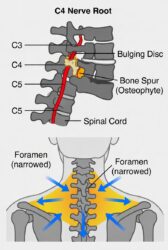
Your cervical spine (neck) consists of seven vertebrae labeled C1 through C7. Nerve roots exit the spinal cord at each level and branch out to supply sensation and muscle control to different parts of the body. The C4 nerve root exits between the C3 and C4 vertebrae. When this nerve becomes compressed or irritated a condition called impingement or radiculopathy — it disrupts normal nerve signaling. This leads to pain, numbness, tingling, or weakness in the areas the nerve supplies.

Unlike lower cervical nerves (like C6 or C7) that send symptoms down the arm and into the fingers, C4 impingement typically produces symptoms higher up — in the neck, upper shoulders, and trapezius region. This “cape-like” distribution across the shoulders is a classic sign.

Common Causes of C4 Nerve Root ImpingementSeveral factors can lead to compression of the C4 nerve root:

  • Herniated or bulging discs — The soft inner material of a disc pushes out and presses on the nerve.
  • Degenerative changes Bone spurs (osteophytes), arthritis, or facet joint hypertrophy narrow the space where the nerve exits (foramen).
  • Poor posture Forward head posture from prolonged phone or computer use is extremely common in the Bay Area.
  • Trauma or injury Whiplash from car accidents, sports injuries, or falls.
  • Spinal stenosis Narrowing of the spinal canal or foramina due to age-related changes.
  • Muscle tension Tight scalene or trapezius muscles can contribute to irritation.

In younger patients, disc herniations are more common. In older adults, degenerative changes and bone spurs tend to be the primary culprits.

Symptoms of C4 Nerve Root ImpingementC4 radiculopathy has a distinctive symptom pattern. Patients often report:

  • Deep, aching pain in the lower neck and upper shoulder girdle.
  • Sharp or burning pain that may feel like it’s spreading across the shoulders in a “cape” distribution.
  • Pain that worsens with neck extension, rotation, or looking upward.

Sensory Changes

  • Numbness or tingling in the upper shoulders and trapezius area.
  • A pins-and-needles sensation that doesn’t always travel far down the arm.

Muscle Weakness

  • Difficulty with shoulder elevation or shrugging (involving the trapezius and levator scapulae muscles).
  • Fatigue or heaviness in the shoulders and upper back.
  • In more severe cases, subtle weakness in neck stabilization.

Other Associated Symptoms

  • Headaches, especially at the base of the skull.
  • Muscle spasms in the neck and upper back.
  • Reduced range of motion in the neck.
  • Sleep disturbance due to discomfort when changing positions. aafp.org

Many patients describe the pain as constant but fluctuating in intensity. Activities like driving, carrying bags on the shoulder, or even deep breathing can aggravate symptoms. Why Accurate Diagnosis MattersC4 symptoms can overlap with other conditions such as shoulder impingement, rotator cuff problems, or even thoracic outlet syndrome. A thorough examination by an experienced San Leandro chiropractor includes:

  • Orthopedic and neurological testing.
  • Range of motion assessment.
  • Palpation of the cervical spine.
  • Review of posture and daily habits.
  • Referral for imaging (X-ray, MRI) when necessary.

How Chiropractic Care Helps C4 Nerve Root Impingement

Chiropractic treatment focuses on addressing the root cause restoring proper alignment, reducing nerve compression, and improving function rather than just masking symptoms.

Common Techniques Used:

  1. Gentle Cervical Adjustments — Specific, low-force manipulations help restore normal joint motion and take pressure off the C4 nerve root.
  2. Spinal Decompression Therapy — A gentle traction technique that creates more space in the cervical foramina, allowing the nerve to breathe.
  3. Soft Tissue Therapy — Trigger point release, myofascial release, and massage to relax tight muscles that may be contributing to compression.
  4. Corrective Exercises — Strengthening deep neck flexors and scapular stabilizers while improving posture.
  5. Postural Correction & Ergonomic Advice — Practical tips for your workstation, phone use, and sleeping position.

Studies and clinical experience show that many patients with cervical radiculopathy experience significant improvement with conservative care, including chiropractic adjustments, often within weeks.

What to Expect During Treatment

Most patients begin noticing relief within the first few visits, with progressive improvement over 4–8 weeks. Treatment plans are customized based on severity, duration of symptoms, and individual goals. At Burt Chiropractic in San Leandro, we combine hands on care with home exercises and lifestyle modifications. Our goal is not only to reduce your current pain but also to prevent recurrence.

Prevention Tips for San Leandro Residents

  • Maintain good posture while commuting on BART or driving.
  • Take regular breaks from desk work (follow the 20-20-20 rule).
  • Strengthen your neck and upper back with simple daily exercises.
  • Use a supportive pillow that maintains neutral neck alignment.
  • Stay active with low-impact activities like walking or swimming.

When to Seek Help

Don’t wait until symptoms become severe. See a chiropractor promptly if you experience:

  • Persistent neck and shoulder pain lasting more than a few days.
  • Numbness, tingling, or weakness in the shoulders/arms.
  • Pain that interferes with sleep or daily activities.
  • Symptoms following a car accident or injury.

Early intervention often leads to faster, more complete recovery and helps avoid chronic issues. Find Relief with a Local San Leandro Chiropractor. Living with C4 nerve root impingement is unnecessary when effective, natural solutions are available right here in San Leandro. Chiropractic care offers a safe, non-invasive path to recovery by addressing the underlying mechanical problems in your neck. If you’re tired of dealing with neck and shoulder pain, we invite you to schedule a consultation at Burt Chiropractic Rehabilitation Center. Dr. Eduard Burt and our team have helped hundreds of East Bay residents overcome similar conditions and return to the active lifestyles they love. Call (510) 481-2225 today or visit burtchiropractic.com to book your appointment.
Filed Under: Chiropractic, Headache, Insomnia, Neck Pain Tagged With: pain, pain management, san leandro chiropractor, spine

San Leandro Chiropractor, C2 subluxation and possible symptoms that you can experience

May 13, 2026 by drburt

san leandro chiropractor

C2 subluxation

C2 subluxation refers to a misalignment or partial displacement of the second cervical vertebra (the axis), which sits below C1 (the atlas) and allows much of the head’s rotational movement. In chiropractic terms, a “vertebral subluxation” involves a vertebra that is misaligned or not moving properly, potentially irritating nerves, muscles, ligaments, or the brainstem/spinal cord area.

In conventional medicine, true atlantoaxial subluxation (C1-C2 instability or displacement) is rarer and often linked to trauma, rheumatoid arthritis, or congenital issues. It can be serious if it compresses the spinal cord. Chiropractors often use the term more broadly for minor misalignments detected via palpation or imaging.

Common Symptoms Associated with C2 Subluxation.

Symptoms vary widely depending on severity, the degree of nerve or vascular involvement, and individual factors. Many overlap with other conditions, so proper diagnosis (imaging like X-rays, CT, or MRI, plus clinical evaluation) is essential.

Frequent symptoms include:

  • Neck pain and stiffness — Often at the base of the skull; may include reduced range of motion or torticollis (head tilt/rotation, especially in acute rotary subluxation).
  • Headaches and migraines — Commonly occipital (back of head) or cervicogenic headaches starting at the skull base.
  • Dizziness, vertigo, or balance issues — Due to proximity to structures affecting vestibular function and blood flow.
  • Other neurological or sensory issues — Brain fog, tinnitus (ringing in ears), visual disturbances, facial pain, or numbness/tingling in arms/hands.

Additional symptoms sometimes linked in chiropractic literature (with varying levels of scientific consensus):

  • Insomnia, nervousness, chronic fatigue.
  • Sinus issues, allergies, earaches.
  • High blood pressure or other autonomic effects (via upper cervical influence on brainstem).

Severe cases (true instability) can rarely lead to more serious neurological deficits, cord compression symptoms, or (in extreme trauma) paralysis. Many mild cases are asymptomatic or cause only vague neck discomfort.

How Chiropractic Care Can Help

Chiropractors focus on detecting and correcting subluxations through spinal adjustments (manipulations) to restore alignment, mobility, and nerve function. For upper cervical issues like C2, they often use gentle, specific techniques rather than high-velocity thrusts to minimize risk.

Common approaches:

  • Upper cervical chiropractic (e.g., Atlas Orthogonal, NUCCA, or Blair techniques) — Precise, low-force adjustments tailored to C1-C2 alignment, often using instruments or very light touches. These aim to reduce pressure on nerves/brainstem and improve posture/blood flow.
  • Manual adjustments, mobilization, and soft tissue work — To improve joint motion and reduce muscle tension.
  • Supportive care — Exercises, posture correction, traction, or physical therapy modalities to stabilize the area and prevent recurrence.

Potential benefits reported:

  • Reduced neck pain and headaches.
  • Improved dizziness/balance and range of motion.
  • Better overall function through restored nervous system signaling.


Filed Under: Chiropractic Tagged With: chiropractic, chiropractic adjustment, chronic pain, headache, neck pain, san leandro chiropractor, spinal adjustment

San Leandro Kaiser Hospital for lower back therapy vs San Leandro Chiropractor therapy

May 7, 2026 by drburt

San Leandro Chiropractic scaled

Kaiser Permanente in San Leandro offers physical therapy (PT), pain killers and anti inflammatory as part of an integrated medical approach for lower back pain, while local chiropractors emphasize spinal manipulation and hands-on adjustments. Both can help with lower back pain, but they differ in focus, style, access (especially if you’re a Kaiser member), evidence base, and typical experiences.

Treatment Approaches

  • Kaiser PT: Focuses on exercise-based rehabilitation — stretching, core strengthening, posture/movement training, education, and gradual return to activity. Prioritizes active exercises for long-term function and preventing recurrence. Kaiser often emphasizes conservative care first and coordinates with other services (e.g., pain management, imaging if needed). healthy.
  • Chiropractic: Centers on spinal manipulation/adjustments to improve alignment, reduce nerve irritation, and provide quicker symptom relief. Many also incorporate soft tissue work, stretches, and exercises. It is often more hands-on and visit-based. Modalities such as muscle interferential, ultrasound and cold laser used to achieve a faster recovery.

Effectiveness for Lower Back Pain Research (including randomized studies and reviews) generally shows better overall results for pain relief and function with chiropractic manipulation vs. PT, especially for acute or subacute low back pain.

  • Chiropractic often provides structural balance between joints for acute pain or mobility issues via adjustments. Structure first, strengthening second.
  • PT frequently excels for longer-term results, strength building, and reducing recurrence through active rehab (better for chronic pain or muscle imbalances).
  • Many experts recommend combining both when possible: adjustments for quick relief + PT for sustained improvement.

Costs and sessions can vary. One analysis found chiropractic slightly more cost-effective in certain short-term scenarios.

If you’re a Kaiser member: PT is usually covered/referred internally (start with your PCP). Some patients report session limits (e.g., ~5 per diagnosis), variable therapist quality/experience, and potential wait times. Positive experiences exist, but complaints about bureaucracy or generic plans appear in forums. berkeleyparentsnetwork.org +1

  • Chiropractors: Out-of-pocket or partial coverage (check your plan). Often easier/faster access, more personalized feel, and strong local reviews for back pain. Walk-ins available at places like our clinic at Burt Chiropractic rehabilitation Center.
  • Evidence and guidelines: Major guidelines recommend non-drug options like PT, chiropractic, or exercise first for most low back pain before imaging or stronger interventions.

Which to Choose?

  • Try Kaiser PT first if you’re a member, have insurance coverage concerns, chronic/ongoing issues, or want structured long-term rehab and medical oversight.
  • See a chiropractor for quicker acute relief, preference for manual adjustments, or if Kaiser access is slow/limited.
  • Best option for many: make your own educated choice. Dr. Burt have been providing chiropractic care for the past 25 years with success rate of 98%.


Filed Under: Chiropractic Tagged With: chiropractor, manipulative therapy, san leandro chiropractor

Recovering from Personal Injury in San Leandro: How Chiropractic Care at Burt Chiropractic Rehabilitation Center Can Help You Heal and Manage Pain

May 5, 2026 by drburt

San Leandro Chiropractor 1 scaled

Living in San Leandro, California, offers the convenience of Bay Area living with its proximity to Oakland, Hayward, and San Francisco. However, the bustling traffic on Hesperian Boulevard, busy intersections, and everyday activities also mean that personal injuries from car accidents, slips and falls, workplace incidents, or sports mishaps are unfortunately common. If you’ve been injured by another individual’s negligence, the physical pain, emotional stress, and financial burden can feel overwhelming. Many residents turn to trusted local resources like Burt Chiropractic Rehabilitation Center for non invasive, effective pain relief and long term recovery.

This comprehensive guide explores personal injury in San Leandro, the common challenges victims face, and how chiropractic care particularly at Dr. Eduard Burt’s practice provides a pathway to healing without relying solely on medication or surgery.

Understanding Personal Injury in San Leandro.

Personal injury occurs when an individual suffers harm due to someone else’s careless or intentional actions. In San Leandro, common scenarios include:

  • Motor Vehicle Accidents: With heavy traffic along Interstate 880, Hesperian Blvd., and East 14th Street, rear-end collisions and side-impact crashes frequently cause whiplash, back pain, and soft tissue injuries.
  • Slip and Fall Incidents: Wet floors in stores, uneven sidewalks, or poorly maintained properties in residential and commercial areas lead to sprains, fractures, and spinal misalignments.
  • Workplace Injuries: Construction sites, warehouses, and retail jobs in the area contribute to repetitive strain, lifting injuries, and falls.
  • Sports and Recreational Injuries: Active community members playing at local parks or gyms often deal with strains and joint issues.

These injuries often involve the musculoskeletal system spine, joints, muscles, and nerves. Even “minor” accidents can lead to chronic pain if not addressed promptly. Victims may experience neck pain, lower back pain, headaches, radiating arm or leg pain (sciatica), dizziness, and reduced mobility.

The aftermath extends beyond the body. Medical bills pile up, work time is lost, and insurance companies may pressure quick settlements that undervalue long-term needs. California’s comparative negligence laws mean you can still recover damages even if partially at fault, but building a strong case requires documented medical evidence.

The Hidden Dangers of Untreated Pain

Many people ignore pain after an injury, hoping it will resolve. However, untreated soft tissue damage or spinal misalignments can lead to:

  • Scar tissue buildup restricting movement.
  • Chronic inflammation.
  • Compensatory patterns causing pain in other areas (e.g., knee pain from a misaligned pelvis).
  • Sleep disturbances, anxiety, and depression.

Prescription painkillers offer temporary relief but carry risks of dependency and side effects. Surgery is invasive and often unnecessary for many soft tissue injuries. This is where chiropractic care shines as a drug-free, holistic solution.

Why Choose Chiropractic Care for Personal Injury Recovery?

Chiropractic focuses on the relationship between the spine and nervous system. Misalignments (subluxations) from trauma irritate nerves, leading to pain and dysfunction. A skilled chiropractor gently realigns the spine, restores joint mobility, reduces inflammation, and promotes natural healing.

Benefits for personal injury patients include:

  • Pain Relief: Adjustments decrease pressure on nerves and muscles.
  • Improved Mobility: Restores range of motion without surgery.
  • Faster Recovery: Enhances blood flow and reduces healing time.
  • Documentation for Claims: Detailed records support your legal case.
  • Holistic Approach: Addresses the whole body, including posture, ergonomics, and lifestyle.

Studies and clinical experience show chiropractic is highly effective for whiplash, back pain, and headaches following accidents. Burt Chiropractic Rehabilitation Center: Your San Leandro Healing Partner Located at 15200 Hesperian Blvd, Suite 104, San Leandro, CA 94578, Burt Chiropractic Rehabilitation Center stands out as a trusted resource for injury recovery. Led by Dr. Eduard Burt, D.C., MUAC, with 25 years of experience, the center specializes in rehabilitation and accident/injury therapy.

Dr. Burt brings extensive education and clinical experience to each patient. The practice emphasizes personalized care, combining chiropractic adjustments with rehabilitation techniques. Patients praise the genuine care, effective treatments, and supportive staff, including skilled massage therapists who complement adjustments for comprehensive relief.

Services typically include:

  • Spinal Adjustments: Precise, gentle corrections to restore alignment.
  • Soft Tissue Therapy: Techniques to release muscle tension and break down scar tissue.
  • Rehabilitation Exercises: Customized programs to strengthen supporting muscles and prevent re-injury.
  • Pain Management Modalities: Such as electrical stimulation, ultrasound, or cold laser therapy.
  • Auto Accident and Personal Injury Programs: Tailored plans that work with attorneys and insurance.

The center’s convenient location on Hesperian Blvd makes it accessible for San Leandro and nearby residents. Hours are accommodating for working professionals, with a focus on patient education so you understand your condition and recovery process.

A Typical Recovery Journey at Burt Chiropractic

  1. Initial Consultation and Exam: Thorough history, physical assessment, possibly X-rays or referrals. Dr. Burt identifies the root cause of your pain.
  2. Acute Pain Relief Phase: Frequent visits focused on reducing inflammation and spasm. Many patients report noticeable relief within the first few sessions.
  3. Corrective Care: Addressing underlying misalignments and building stability. This phase might last weeks to months depending on injury severity.
  4. Rehabilitation and Maintenance: Strengthening, flexibility work, and lifestyle advice to maintain results and prevent future issues.

Patients often combine chiropractic with massage therapy for faster, more complete recovery. One reviewer noted the powerful combination of Dr. Burt’s adjustments and professional massage leading to significant improvement.

Real Results and Patient Stories

While individual results vary, many San Leandro patients report returning to work, sports, and daily activities pain free. Chiropractic care helps not only with immediate symptoms but long-term wellness, reducing the likelihood of chronic conditions. For legal aspects, medical records from Burt Chiropractic provide objective evidence of injury extent and treatment necessity—crucial when negotiating with insurance companies or in court.

Complementary Tips for Dealing with Pain in San Leandro While seeking professional care:

  • RICE Method (Rest, Ice, Compression, Elevation) for initial acute injuries.
  • Maintain good posture and ergonomics, especially if working from home or desk jobs.
  • Stay gently active walking or prescribed exercises prevent stiffness.
  • Eat anti-inflammatory foods (fruits, vegetables, omega-3s) and stay hydrated.
  • Manage stress through breathing, meditation, or community support groups.
  • Document everything: symptoms, treatments, missed work, and expenses.

Taking the First Step Toward Recovery.

If you’ve suffered a personal injury in San Leandro, don’t wait for the pain to become chronic. Early intervention at a center like Burt Chiropractic Rehabilitation Center can dramatically improve outcomes. Contact Burt Chiropractic today at (510) 481-2225 or visit their website to schedule a consultation. Their team understands the local landscape and the challenges injury victims face in the Bay Area.

Recovery is possible. With expert chiropractic care, you can reduce pain, restore function, and regain control of your life. Whether your injury stems from a car accident on I-880, a slip at a local business, or a workplace strain, Dr. Eduard Burt and his team are equipped to help you heal naturally and effectively. Don’t let pain define your days in beautiful San Leandro. Invest in your health today for a stronger, pain-free tomorrow.

Burt Chiropractic Rehabilitation Center
15200 Hesperian Blvd #104
San Leandro, CA 94578
Phone: (510) 481-2225

Filed Under: Auto Accidents Tagged With: san leandro chiropractor

  • « Previous Page
  • 1
  • …
  • 10
  • 11
  • 12
  • 13
  • 14
  • …
  • 17
  • Next Page »

PLEASE FOLLOW & LIKE B.C.

RSS
Follow by Email
Facebook
Facebook
fb-share-icon
Twitter
Visit Us
Follow Me
Post on X
YouTube
YouTube
LinkedIn
LinkedIn
Share

15200 Hesperian Blvd #104

San Leandro, CA. 94578

(510) 481-2225

drburt@burtchiropractic.com


SEARCH

Categories

Recent Posts

  • Nutrition and Habits That May Support Pineal Gland Health and Reduce Factors Linked to Calcification
  • Fluoride in San Leandro Drinking Water, the Pineal Gland, and Questions About Human Free Will: A Local Holistic Perspective
  • San Leandro Chiropractor: How Expert Care Helps Injured Patients Navigate SDI and EDD Benefits