
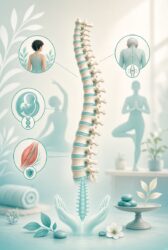
Chiropractors in San Leandro can assist with managing symptoms linked to various forms of scoliosis. Their focus is mainly on pain relief, reduced stiffness, better posture, and improved mobility. It is important to note that they do not usually reverse structural curves or provide a cure.
Chiropractors often work in collaboration with other healthcare professionals, including physical therapists and orthopedic specialists. This multidisciplinary approach ensures that scoliosis patients receive comprehensive care tailored to their specific needs. By coordinating treatment plans, patients can benefit from a range of therapies that address both pain management and physical function improvements.
In addition to conventional treatments, chiropractors may also recommend lifestyle changes that can help manage symptoms. These might include dietary recommendations, exercises tailored to enhancing core strength, and tips for maintaining proper ergonomics at work and home. Such holistic approaches can play a significant role in improving overall well-being for individuals with scoliosis.
Understanding Scoliosis Through Case Studies
For example, a 15-year-old girl with adolescent idiopathic scoliosis may experience back pain and discomfort due to her spinal curvature. After a thorough evaluation, her chiropractor may suggest a combination of spinal adjustments and specific exercises aimed at improving her posture and alleviating pain. Follow-up assessments will help monitor her progress and adjust the treatment plan as needed.
Supporting evidence is strongest for short-term comfort and function, often as part of a wider plan. This plan may involve monitoring, bracing in growing teens, physical therapy, or specialist input when needed.
Another case could involve a middle-aged individual diagnosed with degenerative scoliosis. They might have been experiencing increasing back pain due to age-related changes in spinal structure. A chiropractor might provide tailored treatment involving adjustments and recommendations for strengthening exercises, helping to manage pain and improve mobility.
Main Types of Scoliosis and Their Typical Causes
Scoliosis features a sideways spinal curve, commonly C- or S-shaped, and is generally identified when the angle measures 10 degrees or more.
- Idiopathic scoliosis accounts for roughly 80% of cases. No exact cause is known, though genetics and family history appear influential. It is further divided by age of onset: infantile (under 3 years), juvenile (around 4–10 years), and adolescent (most common, during growth spurts from about 10–18 years). The condition can continue or worsen in adulthood.
- Congenital scoliosis is present from birth. It results from vertebrae that form incorrectly or fail to separate properly during fetal development. This type is uncommon and may occur alongside other developmental concerns.
- Neuromuscular scoliosis develops secondary to disorders affecting the nerves or muscles that stabilize the spine, such as cerebral palsy, muscular dystrophy, spina bifida, or spinal cord injury. Curves in these cases often progress more quickly and can be more complex.
- Degenerative (adult-onset) scoliosis appears later in life, frequently after age 50. It stems from age-related wear on discs and joints, osteoporosis, or progressive changes, usually in the lower back. Earlier adolescent idiopathic curves can also advance with age.
- Functional or nonstructural scoliosis produces a temporary or posture-related curve without fixed bony changes. Common triggers include unequal leg lengths, muscle spasms, pelvic misalignment, or related soft-tissue issues. Addressing the underlying factor often improves or resolves the curve.
Less frequent forms may relate to connective-tissue syndromes or prior injury. Signs can include uneven shoulders or hips, a visible spinal curve, back pain (especially in adults or more severe cases), muscle tightness, or breathing difficulties when curves are large.
Benefits of Early Intervention
Early intervention is crucial in managing scoliosis effectively. Children and adolescents who receive prompt treatment may experience better outcomes, including reduced pain and a lower likelihood of progression. Parents are encouraged to monitor their children’s spinal health regularly and seek professional evaluations when necessary.
Incorporating Technology in Chiropractic Care
Advancements in technology have facilitated better diagnostic and treatment methods in chiropractic care. Digital imaging techniques allow for more accurate assessments of spinal curvature, helping chiropractors tailor their approaches more effectively. Additionally, some clinics may utilize biofeedback mechanisms that help patients become more aware of their posture and movement patterns, promoting better self-management of their condition.
Mild cases sometimes cause no noticeable symptoms and are simply watched over time.
Ways Local Chiropractic Care May Support Patients
Conclusion: The Role of Chiropractors in Scoliosis Management
Chiropractors in San Leandro offer valuable support for individuals suffering from scoliosis. By focusing on pain management, enhancing mobility, and promoting overall wellness, they can help patients navigate the challenges of living with this condition. Collaboration with other healthcare professionals ensures a well-rounded approach, ultimately leading to improved quality of life.
Practitioners in the San Leandro area typically emphasize gentle, non-invasive methods aimed at symptom ease and everyday function rather than structural correction.
Common approaches include spinal adjustments to enhance mobility and lessen joint stress, soft-tissue techniques for muscle tension, core-strengthening and postural exercises, and guidance on daily habits.
Progress is monitored, and patients are referred onward when bracing, further imaging, or other interventions become appropriate—particularly for adolescents with progressing curves or for congenital and neuromuscular cases.
Research indicates that while chiropractic care can help with pain and movement, high-quality evidence for lasting reduction of structural curvature remains limited. Results vary, and any care plan works best when coordinated with a physician or scoliosis specialist.
Early detection supports better monitoring and conservative options. A local evaluation can determine suitability based on the specific type and severity of the curve.