Top Chiropractor in San Leandro, CA

San Leandro Chiropractor

  • About Our Practice
  • What is Chiropractic?
  • SERVICES
    • Personal Injury
    • Cold Laser Therapy
    • Massage
    • Ultrasound
    • Electric Stimulation
    • Sports Injury
    • Workers Compensation
  • Testimonials
  • FAQs
  • Locations
  • CONTACT US
  • New Patient Forms
  • Nutrition Store
  • Tele Chiropractic Health
  • Memberships
  • Home

Powered by Genesis

6 Antioxidants for Immune Health

October 23, 2020 by drburt

6 Antioxidants for Immune Health

There’s no doubt that antioxidants are good for health. Antioxidants have been in the public spotlight since the 1990s and have only gained attention over the years, basically reaching celebrity status. And that status has not wavered, especially as their role in immune health becomes increasingly known. Antioxidants and antioxidant-rich foods continue to trend and make headlines, most recently in the forms of matcha/green tea drinks, acai bowls, golden milk, or just good ol’ fashioned fresh fruits and vegetables. Antioxidants are here to stay not only because they’re found in delicious foods, but they also play a vital role in health by protecting the body against oxidative stress.1

What is oxidative stress?

Everyone’s heard of oxidative stress, but what exactly does that refer to? Oxidative stress occurs from damage caused by free radicals. Free radicals are unstable molecules that have lost an electron from either normal body processes like metabolism, reactions due to exercise, or from external sources like cigarette smoke, pollutants, or radiation.1

Now electrons don’t like to be alone. They like to be in pairs.

So do free radicals suck it up and leave one of their electrons unpaired?

Nope. They steal an electron from another healthy molecule, turning that molecule into another free radical and, if excessive, wreak havoc in the body and its defense system.

Immune cells are particularly vulnerable to oxidative stress because of the type of fat (polyunsaturated) that they have in their membrane.2 So high amounts of oxidative stress over time can be especially detrimental to immune system.

What are antioxidants?

Antioxidants are the heroes that can break this cycle. And there’s not just one antioxidant. Antioxidants refer to a whole class of molecules (including certain vitamins, minerals, compounds found in plants, and some compounds formed in the body) that share the same goal of protecting the body and the immune system against oxidative stress.2 But different foods contain different antioxidants, and each antioxidant has its own unique way of supporting that goal.  

6 antioxidants for oxidative stress protection + immune health

  1. Vitamin C

Vitamin C is a powerful antioxidant that also contributes to immunity. It works by readily giving up one of its electrons to free radicals, thereby protecting important molecules like proteins, fats, and carbohydrates from damage.3 Vitamin C is a water-soluble vitamin, which means storage in the body is limited, and consistent intake of this nutrient is vital. Research shows that not getting enough vitamin C can impact immunity by weakening the body’s defense system.3 Vitamin C is found in many fruits and vegetables, including strawberries, bell peppers, citrus, kiwi, and broccoli. The benefits of vitamin C’s antioxidant capabilities are more than just internal. Benefits are also seen when a concentrated source of this antioxidant is applied to the skin. For example, topical vitamin C serums are often recommended by dermatologists and estheticians to help protect the skin from sunlight and address hyperpigmentation.4

  1. Epigallocatechin 3-gallate (EGCG)

Green tea is easily, and unofficially, considered one of the world’s healthiest foods, and the presence of EGCG is one reason for this drink’s reputation. EGCG is the most abundant, potent, and researched polyphenolic antioxidant found in green tea leaves.5 It has been shown to protect against damage caused by free radicals.5 Drinking green tea is a great way to reap the benefits of EGCG and other nutrients found in tea leaves, or it’s also available as an extract in nutritional supplements. If you choose to drink green tea, it’s important to remember that water preparation matters. Using hot water to steep green tea not only preserves, but it also encourages more antioxidant activity compared to using cold water, as hot water may be better at extracting polyphenols from the leaves.5

  1. Glutathione

Glutathione is a powerful antioxidant that the body actually makes internally from three amino acids (AKA building blocks of protein): cysteine, glutamate, and glycine.6 Not only does this antioxidant protect the body against oxidative stress, it also supports healthy liver detoxification processes.7 Glutathione levels naturally decrease with age, and lower glutathione levels in the body are associated with poorer health.8 Since it takes all three of those amino acids to form glutathione, ensuring that the body has adequate levels of all three is vital. Cysteine is the difficult one. It’s considered the “rate-limiting” step in this equation, since it’s usually the one in short supply, and glutathione can’t be formed without it.6 Cysteine contains sulfur, so foods like unprocessed meat, garlic, and asparagus are great choices to support cysteine levels. Like cysteine, the compound N-acetylcysteine (found in supplements and often labeled NAC) can also be used to support the body’s glutathione levels.6

  1. Curcumin

Curcumin is the yellow pigment and considered the active ingredient in the spice turmeric. In the culinary world, turmeric is best known for playing the leading role in curries as well as in golden milk. Studies show that curcumin has been shown to improve markers of oxidative stress, act as a free radical scavenger, and assist with other antioxidant processes in the body.9 Curcumin isn’t very bioavailable, so your body isn’t able to fully capture the benefits when consumed on its own or just as turmeric.9 But adding other spices or herbs like black pepper or fenugreek can significantly increase your body’s ability to utilize curcumin.9

  1. Vitamin E

Vitamin E is a fat-soluble vitamin, meaning it’s best absorbed with fat. It acts as an antioxidant by stopping the production of free radicals from forming when fat is oxidized, or burned.10 Vitamin E is found in nuts and seeds (almonds, sunflower seeds, and hazelnuts) as well as green leafy vegetables. Vitamin E also plays a role in heart, eye, and cognitive health.10 

  1. Quercetin

Quercetin is one of the most well-studied flavonoids, or plant compounds, typically found in onions, kale, broccoli, apples, and tea. Quercetin acts as a free radical-scavenging antioxidant, helps inhibit oxidative stress, and supports a healthy immune response.11

What’s the bottom line?

Antioxidants are a crucial part to any healthful diet. They help protect the body from damage caused by oxidative stress and support immune function. There are many more antioxidants that are beneficial to health than those listed here. The best way to ensure that you’re getting enough antioxidants from the diet and supporting the antioxidants the body makes on its own is to consume a diet high in plants like fruits, vegetables, nuts, seeds, and legumes. If you would like to insure an adequate amount of antioxidant here is a list that you can order from online nutrition store.

  1. Vitamin C
  2. EGCG
  3. Glutathione
  4. Curcumin
  5. Vitamin E
  6. Quercetin

References

  1. Pizzino G et al. Oxid Med Cell Longev. 2017;2017:8416763. 
  2. Knight JA. Ann Clin Lab Sci. 2000;30(2):145-158.
  3. Carr AC et al. Nutrients. 2017;9:1211.
  4. Al-Niaimi F et al. J Clin Aesthet Dermatol. 2017;10(7):14-17.
  5. Forester SC et al. Mol Nutr Food Res. 2011;55(6):844-854.
  6. Minich DM et al. Nutrients. 2019;11:2073.
  7. Pizzorno J. Integr Med (Encinitas). 2014;13(1):8-12.
  8. Glutathione. Webmd.com. https://www.webmd.com/vitamins-and-supplements/glutathione-uses-risks. Accessed August 19, 2020.
  9. Hewlings SJ et al. Foods. 2017;6(10):92.
  10. Vitamin E fact sheet for health professionals. Ods.od.nih.gov. https://ods.od.nih.gov/factsheets/VitaminE-HealthProfessional/. Accessed August 25, 2020.
  11. D’Andrea G. Fitoterapia. 2015;106:256-271.
Filed Under: Nutriton Tagged With: antioxidants

What kills Corona virus, COVID – 19

March 31, 2020 by drburt

* The virus is not a living organism, but a protein molecule (DNA) covered by a protective layer of lipid (fat), which, when absorbed by the cells of the ocular, nasal or buccal mucosa, changes their genetic code. (mutation) and convert them into aggressor and multiplier cells.
* Since the virus is not a living organism but a protein molecule, it is not killed, but decays on its own. The disintegration time depends on the temperature, humidity and type of material where it lies.
* The virus is very fragile; the only thing that protects it is a thin outer layer of fat. That is why any soap or detergent is the best remedy, because the foam CUTS the FAT (that is why you have to rub so much: for 20 seconds or more, to make a lot of foam).
By dissolving the fat layer, the protein molecule disperses and breaks down on its own.
* HEAT melts fat; this is why it is so good to use water above 25 degrees Celsius for washing hands, clothes and everything. In addition, hot water makes more foam and that makes it even more useful.
* Alcohol or any mixture with alcohol over 65% DISSOLVES ANY FAT, especially the external lipid layer of the virus.
* Any mix with 1 part bleach and 5 parts water directly dissolves the protein, breaks it down from the inside.
* Oxygenated water helps long after soap, alcohol and chlorine, because peroxide dissolves the virus protein, but you have to use it pure and it hurts your skin.
* NO BACTERICIDE OR ANTIBIOTIC SERVES. The virus is not a living organism like bacteria; antibodies cannot kill what is not alive.
* NEVER shake used or unused clothing, sheets or cloth. While it is glued to a porous surface, it is very inert and disintegrates only
-between 3 hours (fabric and porous),
-4 hours (copper and wood)
-24 hours (cardboard),
– 42 hours (metal) and
-72 hours (plastic).
But if you shake it or use a feather duster, the virus molecules float in the air for up to 3 hours, and can lodge in your nose.
* The virus molecules remain very stable in external cold, or artificial as air conditioners in houses and cars.
They also need moisture to stay stable, and especially darkness. Therefore, dehumidified, dry, warm and bright environments will degrade it faster.
* UV LIGHT on any object that may contain it breaks down the virus protein. For example, to disinfect and reuse a mask is perfect. Be careful, it also breaks down collagen (which is protein) in the skin.
* The virus CANNOT go through healthy skin.
* Vinegar is NOT useful because it does not break down the protective layer of fat.
* NO SPIRITS, NOR VODKA, serve. The strongest vodka is 40% alcohol, and you need 65%.
* LISTERINE IF IT SERVES! It is 65% alcohol.
* The more confined the space, the more concentration of the virus there can be. The more open or naturally ventilated, the less.
* You have to wash your hands before and after touching mucosa, food, locks, knobs, switches, remote control, cell phone, watches, computers, desks, TV, etc. And when using the bathroom.
* You have to HUMIDIFY HANDS DRY from so much washing them, because the molecules can hide in the micro cracks. The thicker the moisturizer, the better.
* Also keep your NAILS SHORT so that the virus does not hide there.
-JOHNS HOPKINS HOSPITAL

Filed Under: Advice Tagged With: corona virus, covid19, prevention

The dos and don’ts of social distancing – Coronavirus COVID19

March 25, 2020 by drburt

CDC and health officials in the CONUS work to slow down the spread of COVID-19, they’ve asked all citizens to do one important thing: Practice social distancing.

Our chiropractic office is closed till April 10th per government regulations. Schools are closed as well. Workers are staying at home. Bars are shuttered and restaurants are offering take-out and delivery service only. Sporting events, concerts and festivals have been canceled. Airlines fly domestic flights and no international flights are expected to come in any time soon. That means less money for travel industry.

Life without its interaction can be trying, but public health experts insist that each person’s commitment to social distancing is key to taming the new coronavirus – and ultimately saving lives. Here’s a closer look at how to do it right.

– What is social distancing?

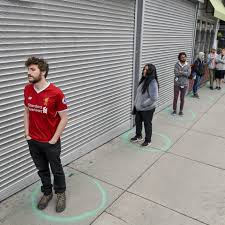
It’s a fancy way of saying you’re avoiding close contact with others. That is exactly what we are trying to avoid at our chiropractic office. That means no mass gatherings or any other meet-ups in places where people may congregate. If you absolutely must be out in public, maintain a 6-foot radius of personal space. That would not be possible, as chiropractic adjustment requires very close contact. In addition everyone is sharing the adjusting tables. Virus can stay alive in the air up to 3 hours and on the surfaces up to 72 hours.

– Why do I need to do it?

It’s too late to keep the coronavirus from freely spreading within the U.S. But social distancing can slow it down by giving it fewer opportunities to jump from person to person. Our office is doing our part in this pandemic situation. No one will die of lower back or subluxation within few weeks of time but people certainly can if they get COVID19.

– Why is social distancing so effective?

Scientists estimate that one person infected with the new coronavirus will infect another 3.3 people, on average. The higher that number (known as the reproductive number), the faster COVID19 spreads.

Several factors influence the reproductive number, including how contagious the virus is, how susceptible people are, how many times people interact with each other, and how long those interactions last. Social distancing aims to reduce the last two items on that list, which would in turn reduce the reproductive number and slow a disease’s spread.

– How is social distancing different from self-quarantine and self-isolation?

Self-quarantine and self-isolation are specific forms of social distancing.

Self-quarantine is when you feel fine but separate yourself from others because there’s a high chance you’ve been exposed to a disease. Self-isolation is when you may have symptoms and don’t want to get other people sick. In the case of COVID-19, both are supposed to last about 14 days, enough time for any potential symptoms to manifest in an environment where the virus can’t infect other people.

– OK, so how do I do this?

If you can work from home, do so. Don’t gather in shared public spaces or at public events, like gyms, restaurants, festivals or concerts. Avoid cruises and non-essential travel, particularly if you’re at higher risk of getting very sick from the disease, the Centers for Disease Control and Prevention says. That is fairly easy to do now because most of these business are closed.

If you need to get prepared food, don’t eat in – grab your grub from the takeout window or have it delivered. Speaking of deliveries, ask for them to be left at the door to minimize the risk to you and the delivery person. This is certainly not protecting you 100% as people who deliver or prepare food could be infected. The best option is to buy your own groceries and cook food at home. This way you will eliminate exposure of your food to those who prepare it. You can certainly make your own meal much healthier with better ingredients.

When you go to the store for groceries or other essentials, try to go during off-peak hours. While you’re there, maintain a 6-foot distance between yourself and other people. That will lessen the chance that you’ll catch the virus from droplets spread through the air by coughing or sneezing. Also, be sure to clean shared surfaces before and after you come into contact with them. Gloves and masks are essentials during grocery shopping.

– So I can’t leave my house at all?

You can leave your house, just minimize your interactions with other people. Instead of heading to the gym, go for a run, a hike or a bike ride, or work out at home if you have the space. If you have dogs, take them for a walk. Vitamin D is one of the essentials vitamins to boost your immune system along with Vitamin A and E – these are fat soluble vitamins. Water soluble vitamin C can be taken daily to boost your immune system as well.

Be safe, Dr. Burt

Filed Under: Advice Tagged With: covid19, socialdistancing

The Hormone Connection and Your Health

March 25, 2020 by drburt

EAT PROBIOTICS FOR A GOOD MOOD

Your intestine microbiome works a lot harder than you think. Besides regular digestion it also affects your brain, stress, sex, metabolism, immune system, and hormones. The bacteria in our guts release chemicals and hormones that influence our health and how we think and feel. The most important key is to keep bug inside of our gut healthy and balanced. This way they will perform at their optimum level. It is especially important with outbreak of Coronavirus (COVID -19). Here are 3 important points.

More than 90% of our serotonin – a hormone that is responsible for your well-being is produced on our gut. If your microbiome is out of balance, serotonin levels might drop and result in your mood and anxiety alteration frequency. Keep your bacteria inside of your gut happy by eating a diverse high-fiber diet with plenty of vegetables and whole grains, plus probiotic foods like kimchi and yogurt.

FIND YOUR SLEEP RHYTHM

Your microbiome has its own circadian rhythms with a continual fluctuation of the amounts of different bacteria, depending on the time of day, which influences your sleep. The gut’s microbiome also communicates with the genes that regulate your clock. Hormone like melatonin is a very important regulator of sleep. This hormone is being produced in your brain and in your gut where it helps your organs sync up circadian rhythms steady and get more sleep hours. Artichoke, raw garlic, leeks and onions are essentials dietary foods for keeping circadian rhythms up and running. When bacteria digest these, they release by-products that affect your brain and boosting your sleep quality.

KEEP YOUR ESTROGEN AND ETRADIOL IN IN GOOD SHAPE

The gut makes and metabolizes estrogen and etsradiol. Estrogen for female reproductive organs and estradiol for male reproductive organs. Certain microbes produce them while others break them down. Having the right levels of estrogen and estradiol is important since they affect your fertility, menstrual cycyle, mood, weight, libido and risk of certain diseases, like heart disease and some cancers. To keep these hormones at the ideal levels one must exercise regularly , eat a healthy diet and manage your stress. Avoid taking antibiotics unless it is absolutely necessary. They can thtow off your microbiome and decrease estrogene and estradiol effectiv

Filed Under: Advice Tagged With: health, hormone

  • « Previous Page
  • 1
  • 2
  • 3
  • 4
  • 5
  • 6
  • …
  • 61
  • Next Page »

PLEASE FOLLOW & LIKE B.C.

RSS
Follow by Email
Facebook
Facebook
fb-share-icon
Twitter
Visit Us
Follow Me
Post on X
YouTube
YouTube
LinkedIn
LinkedIn
Share
Instagram

Burt Chiropractic Rehabilitation Center

15200 Hesperian Blvd #104

San Leandro, CA. 94578

(510) 481-2225

drburt@burtchiropractic.com

https://shorturl.at/nDHP2

SEARCH

Categories

Recent Posts

  • Soft Tissue Injuries in Tennis: Causes, Common Types, and Chiropractic Rehabilitation in San Leandro, CA
  • The Female Pelvis, Sacroiliac Joint Dysfunction, and Its Impact on Knee Alignment and Pain: A Chiropractic Perspective
  • Chiropractic Rehabilitation of soft tissue after a Car Accident in San Leandro, CA