Top Chiropractor in San Leandro, CA

San Leandro Chiropractor

  • About Our Practice
  • What is Chiropractic?
  • SERVICES
    • Personal Injury
    • Cold Laser Therapy
    • Massage
    • Ultrasound
    • Electric Stimulation
    • Sports Injury
    • Workers Compensation
  • Testimonials
  • FAQs
  • Locations
  • CONTACT US
  • New Patient Forms
  • Nutrition Store
  • Tele Chiropractic Health
  • Memberships
  • Home

Powered by Genesis

Gardening Injury Prevention Tricks and Tips

April 4, 2016 by drburt

gardening injury preventionGardening Injury Prevention Tricks and Tips

Gardening is one of the best forms of exercise any of us can take, it is good for flexibility, strength, and stamina. However, you need to prepare properly for gardening injury prevention. Digging, lifting, raking, shifting, and planting can all cause significant strain to the muscles and the back.

A Gallup poll of more than 2,000 British adults found that nearly 42% had suffered from back pain. Of these, nearly half (47%) said their problems were caused by gardening. Among the 35-plus age group, the proportion was even higher at 56%. Gardening can cause muscle strains, ligament sprains, and back muscle spasms.

Dr. Stan Gorchynski, former President of the Ontario Chiropractic Association (OCA), said that “Eight out of every ten Canadians can expect to suffer from back pain at some time during their lives. During the spring gardening season, however, we generally see an increase in the number of visits to chiropractors due to muscle strains, sore joints, and back pain.” He added, “The warmer weather really inspires people to get out in the yard, but for many people a winter of inactivity makes them prone to back and muscle injuries.”

To have a happy and healthy gardening season, follow the healthy gardening “do’s and don’ts” listed below.

For chronic back pain sufferers, raised garden beds can be very helpful. A raised bed height of 2-3 feet will allow you to sit while gardening. Also consider using ground cover plants to reduce the need for continuous weeding.

Healthy gardening dos and don’ts

Do:

  • Choose lightweight, long-handled garden tools to help avoid bending over too often.
  • Wear loose, comfortable clothing.
  • Wear sun block and sun protection garments.
  • Warm-up before gardening and cool-down afterward—take a short 10 to 15 minute walk.
  • Perform some simple lower-back stretches.
  • Switch hands frequently while raking or hoeing.
  • Dig and lift a little at a time.
  • Keep your back straight while lifting.
  • Use mechanical devices when moving heavy containers.
  • Use a cushion if you are going to be on your knees for a long time.
  • Change positions every 10 to 20 minutes—take a break and walk around for a minute or two.

Don’t:

  • Strain, twist, or reach too far in front.
  • Take large shovelfuls of soil.
  • Hesitate to use a small spade.
  • Dig continuously.
  • Overload the wheelbarrow.
  • Stay in the same position too long.
  • Perform the same activity too long.
  • Stoop or work too far in front of you.
  • Stretch or squat with a bent back.

Filed Under: Health Tagged With: gardening injury prevention, Injury, injury prevention

Computer Related Injuries and Chiropractic Care

March 22, 2016 by drburt

COMPUTER RELATED INJURIESComputer Related Injuries and Chiropractic Care

The computer is a vital tool in many different jobs and activities, for adults and children. But long periods of using a computer can increase your chance of developing an computer related injuries. Inappropriate computer use can cause muscle and joint pain, overuse injuries of the shoulder, arm, wrist or hand, and eyestrain.

Children can experience particular physical and psychological problems if they play computer games too much. You can reduce or avoid these risks with the correct furniture, better posture and good habits, such as taking rest breaks and restricting time spent playing computer games. Typical injuries include

  • Posterior cervical dorsal syndrome (“computer back”)
  • “Mouse shoulder”
  • Carpal tunnel syndrome
  • Tennis elbow
  • Lumbar sprains and strains
  • Disc injuries
  • Eyestrain from computer use
  • Health risks from computer games

Learn how to identify and help prevent these computer related injuries and learn when to get help with chiropractic care.

Basic Terminology For Computer Related Injuries

To understand computer related injuries requires an introduction to some of the basic terminology of musculoskeletal injury.

Muscle spasm: excessive muscle tone; usually caused by a reaction to postural fatigue, tissue injury, or psychogenic stress.

Strain: injury to a muscle or tendon (the tissue that connect muscles to bones); usually due to repetitive overuse, fatigue, over stretching, excessive contraction, unguarded movements, postural loading, or direct blows.

Repetitive strain injury (RSI): damage to the tendons, nerves, muscles, and  other soft tissues of the body caused by specific repeated movements which overstress the tissues; another name for RSI is cumulative trauma disorder (CTD).

Tendonitis: inflammation of a tendon; usually caused by excessive repetitive or abnormal motion.Sprain: injury to a ligament (the tissue that connects bones together); usually due to the same things which cause strains and the additional stress added  when the muscles fatigue.

Myofascial trigger points: local points of severe muscle spasm caused by postural strain and repetitive use; they may be initiated or perpetuated by many physical, chemical, or psychological stresses; and trigger points can “trigger” local and referred pain when pressed or when severe they cause pain
without pressure.

Joint dysfunction: abnormal joint operation due to weak or lax supporting muscles or ligaments, or conversely excessively tight supporting tissues; dysfunction can result in pain, abnormal motion, and eventually degeneration and nerve interference.

Cervicogenic headaches: headaches caused by irritation of the tissues of the neck by any of the tissue dysfunctions.

Posterior cervical dorsal syndrome (“computer back”)

A very common postural syndrome in modern society involves excessive rearward curving of your lower, middle, and upper back; forward drawn head; rounded shoulders; and excessive forward curving of your upper neck. This syndrome has been given several names including sterno-symphyseal syndrome, posterior cervical-dorsal syndrome, or more commonly, computer back or student syndrome. It is a natural result of prolonged sitting work, especially with computers. These postural defects in turn can cause

  • headaches
  • excessive muscle tension in your neck, chest, shoulders, arms and forearms, back, abdomen, hips, and thighs and legs
  • strains and trigger points the above muscles
  • joint dysfunction and sprains in your neck, back, and ribs
  • increased loading on the intervertebral discs of your spine
  • impaired function of your breathing muscle (your diaphragm), causing the muscles lifting your upper ribs and shoulders to become overactive and subject to problems

To help prevent computer back try adopting the postural relief position every 20 minutes i order to aoid computer related injuries.

“Mouse shoulder”

“Mouse shoulder” (as good a name as any) is a syndrome arising from prolonged elevation and bracing of the shoulder to accommodate an inappropriately positioned mouse, or performing short range movements of the mouse, or (usually) both. This syndrome results in severe shoulder and shoulder blade muscle spasm (in the trapezius, deltoid, and teres muscles) and trigger points with referred pain in the arm.If left untreated, this problem can develop into a much more serious rotator cuff injury. Call your clocal chiropractor and avoid these computer related injuries.

Carpal tunnel syndrome and Computer Related Injuries

Carpal tunnel syndrome arises primarily from compression of the median nerve as it passes through the wrist. It is the most common nerve compression injury in the body and it is the most common and costly RSI. Typical symptoms include

  • paresthesias (abnormal sensations) such as tingling and numbness in the thumb and index and middle fingers
  • night pain
  • weakness in grasping, thumb and index finger pinching, and other thumb movements
  • clumsiness, such as awkward hand movements and dropping things

For more information, see Carpal tunnel syndrome.

Tennis elbow

Classic tennis elbow, or lateral epicondylitis, is another type of RSI. It is a tendonitis affecting the common extensor tendon at the lateral (outside) area of the elbow. Tennis elbow is a very common cause of elbow and forearm pain. It can cause mild to severe pain in the lateral elbow and may be aggravated by grasping and excessive finger motions. The pain may also radiate up the arm or down into the forearm.For more information, see Tennis elbow.

Lumbar sprains and strains

Lumbar spine sprains (ligament or joint capsule tears) and strains (muscle or tendon tears) are common in office workers due to the high loads placed on the spine during sitting.Sprains and strains may cause back and hip pain as well as muscle swelling and tightness.For more information, see Lumbar sprains and strains.

Disc injuries

Increased loading on the spine due to prolonged and faulty sitting postures may cause sprains of the outer (annular) fibers of the intervertebral discs. In more advanced cases the soft inner material (nucleus) of the disc may protrude into or even through the annular fibers of the disc, resulting in a herniated disc.Herniated discs may cause back pain, leg pain and altered sensation down to the foot, weakness, walking difficulties, or combination of these symptoms.For more information, see Disc injuries.

Eyestrain from computer use

Focusing your eyes at the same distance point for long periods of time causes fatigue. The human eye structurally prefers to look at objects more than six metres away, so any work performed close up puts extra demands on your eye muscles.The illuminated computer screen can also cause eye fatigue. Although there is no evidence that eye fatigue damages your eyesight, computer users may get symptoms such as blurred vision, temporary inability to focus on faraway objects and headaches.

Preventing eyestrain from computer use

Tips to avoid eyestrain include:

  • Make sure your main source of light (such as a window) is not shining into your face or directly onto the computer screen.
  • Tilt the screen slightly to avoid reflections or glare.
  • Make sure the screen is not too close to your face.
  • Put the screen either at eye level or slightly lower.
  • Reduce the contrast and brightness of your screen by adjusting the controls.
  • Frequently look away from the screen and focus on faraway objects.
  • Have regular eye examinations to check that any blurring, headaches and other associated problems are not caused by any underlying disorders.

Health risks from computer games

Playing computer games for too long or without correct furniture and posture can lead to health problems such as:

  • Overuse injuries of the hand
  • Obesity
  • Muscle and joint problems
  • Eyestrain
  • Behavioural problems including aggressive behaviour
  • Photosensitive epileptic seizures (caused by flashing or rapidly changing lights – this is rare).

Parents can reduce the risk of children developing computer-related health problems. You can encourage your child to:

  • Sit at least one metre away from the screen
  • Take frequent breaks
  • Pursue other activities. Encourage your child to enjoy different hobbies and interests, particularly sports and physical activities.

You can also:

  • Set sensible time limits on your child’s game playing. Some guidelines recommend no more than two hours of screen time each day
  • Set up the computer, desk, chair and keyboard to suit your child’s height. For example, adjust the chair so that your child’s feet rest flat on the floor
  • Buy an ergonomic chair
  • Buy a smaller mouse, which suits the size of your child’s hand
  • Teach your child to use the keyboard and mouse properly and safely, such as pushing the buttons and other controls gently. Using unnecessary force increases the risk of overuse injury.

Eight basic steps for preventing common computer-related injuries

The key to preventing common computer-related injuries is to identify and remove the abnormal stresses acting on your body while you work. Eight ways to do this are

  1. Adopt proper sitting posture by changing the arrangement of your desk, chair, and computer screen and keyboard. See Ergonomics at Work and Microsoft’s Healthy Computer Guide. Check yourself to ensure you maintain proper posture throughout the day. A good idea is to have someone else watch your posture while you work.
  2. Support easily compromised areas of the body. A lumbar support pillow and wrist supports for your keyboard and mouse can prevent many injuries.
  3. Don’t sit too long at your desk, get up and move around at least every half-hour. Also, try adopting the postural relief position every 20 minutes.
  4. Recognize that the psychological stress of your work could be altering your posture. Slumped shoulders and shoulders pulled upward are common self-defense postures.
  5. Improve your overall fitness level to make your muscles strong and flexible so that they do not fatigue as quickly. Start simple, balanced exercise program that you will continue, for example, brisk walking at lunch.
  6. Stretch and relax your tight (or overactive) muscles and strengthen and tone up your weak (or underactive) muscles. Periodically perform these simple stretches.
  7. Take a few minutes to massage your muscles to help work out the kinks. Use gentle kneading motions and strokes towards the heart.
  8. At the end of your long day, relax your muscles in a warm bath or shower. You deserve it!

Consider using a computer program like Workrave, a freeware program that assists in the recovery and prevention of RSIs. To quote the website: “The program frequently alerts you to take micro-pauses, rest breaks and restricts you to your daily limit.” It also provides helpful examples of stretches and exercises for you to perform during the breaks. Also consider using one of the many posture apps available for smartphones.

When to get additional help

You should seek help for

  • problems different than your “usual” ones
  • weakness
  • persistent (lasting more than 2-3 days) or worsening symptoms
  • symptoms that disrupt your work or home life

Contact Dr. Burt if you have any of the symptoms mentioned in this article. Your symptoms can get progressively worse if not fixed on time with proper chiropractic care.

Workplace environment computer_comfort from Shankar Myadharaveni

Office Ergonomic Training from jdecarli

Filed Under: Advice, Children, Chiropractic, Posture Tagged With: Chiropractic Care, computer related injuries

Cold Laser Therapy is at San Leandro Chiropractic Clinic

March 15, 2016 by drburt

cold laser therapyCold Laser Therapy is at San Leandro Chiropractic Clinic

Cold Laser Therapy is the newest FDA approved device for healing. With over 3000 published medical articles, it is one of the most studied medical devices on the market; it is proven effective for many conditions as well as being safe without side effects.

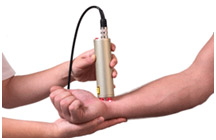
Cold Laser Therapy light is produced by the unit and then it is super-pulsed to keep it from burning the patient. As the light enters the injured cell it causes something called photo-bio-stimulation (photo = light, bio = biological response and stimulation = stimulation of the cell).

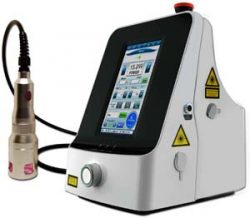
The state of the art, class IV, infrared, Cold Laser Therapy Machine by Aspen is a recent addition of San Leandro Chiropractic Center in San Leandro, CA. It is replacing our older Class III cold laser Erchonia PL 5000.

Safe & Non-Invasive

Safe and non-invasive

Safe and non-invasive

Cold Laser Therapy is a safe and non-invasive treatment that increases the local immune system, increases blood and lymph circulation, decreases cell damage, and causes the release of different substances, such as ATP (energy used by the cell), endorphins, TNF a, IL-1ß, COX-2, PGE2 (pain chemicals), and more. In short, Laser Therapy reduces inflammation, decreases pain, and accelerates injured or inflamed tissue healing. If done correctly, laser therapy can initiate the body’s own healing processes and should therefore primarily be viewed as an aid to self-healing.

Most Advanced Laser on the Market

Our new Aspen Cold Laser Therapy provide a whole new avenue of pain relief, improving circulatory problems, lymphatic system drainage, sinus congestion and arthritic joints. Lasers can range in price from several hundred dollars to over $20,000 dollars depending upon the penetration, speed of healing and other factors. We chose the Aspen Laser because of the science behind it as well as being the most advanced laser on the market. And yes, we spent quite a bit… but the results that our patients are going to get will be fantastic.  We are already successfully treating conditions such as whiplash, neck pain, lower back pain, headaches, shoulder impingement and bursitis, carpal tunnel syndrome, tennis elbow (lateral epicondylitis), golfers elbow (medial epicondylitis). patelofemoral pain, jumpers knee, ankle sprains, and plantarfascitis.

Laser is the latest technology for patient care in the United States. By no means is it “experimental” therapy as Laser has proven itself successfully in Europe for over 30 years. This machine is safe, has no side effects, reduces pain and inflammation and helps people recover quicker from injuries and surgery. The following are frequently asked questions including a list of the many conditions or ailments the laser can help with.

What is Laser Therapy?

Laser therapy uses specific wavelengths of light to treat painful and debilitating conditions. Laser emits a visible coherent light that stimulates the body’s ability to produce ATP, which allows a natural healing of the body in decreased time. Through this process pain and inflammation decrease, the natural range of motion of the joints return and optimal function of cellular physiology occurs on a more permanent basis.

How does it Work?

Light energy enters damaged cells and stimulates their inter-cellular activity. This reduces pain in the area and speeds recovery of the cells. Once the cells recover, the process is complete. Every living cell in a human body that makes up muscles, organs, bone, nerve cell and other tissues, functions at a specific frequency, or environment that it knows as its “normal”. Cells may change its frequency when exposed to emotional and physical stresses, chemical toxins, surgeries and even injuries. During this process cells stop send messages to neighboring cells and communication between brain and cells being interrupted. Erchonia is the only cold laser,  that will help to activate the communication between the brain and the damaged cells. Thus, flawless performance can be achieved.

What to Expect During a Laser Therapy Treatment Session?

For most people, laser therapy is quite passive. Some patients have reported a slight tingling or tapping in a nerve or along a nerve pathway. Some have noted that they are able to sense a slight feeling of warmth. But for the most part, the treatment, which may last from 10 minutes, is not noticed at all. Following (and even during) a laser therapy session, approximately 75-80% of patients being treated can notice an immediate improvement in their condition. This will depend primarily on the type of condition and the length of time the condition has been present. Generally, the more chronic or severe the condition, the longer it takes to respond. The majority of conditions treated will take anywhere from 4-15 treatments. Once again, the number of treatments depends upon the severity of the condition and its duration. There are some conditions that will never completely resolve but can be helped and maintained with laser therapy. If your condition does not change immediately, it may take 3-4 sessions before a dramatic or marked change is perceived.


What are commonly treated conditions?

These are conditions that patients tend to seek treatment for.

  • Tendon and ligament injuries
  • Neurological pain
  • Disc disease (bulges, herniations, injuries)
  • Chronic non-healing wounds
  • Soft tissue injuries
  • General pain
  • Muscle strains and tears
  • Musculoskeletal disorders
  • Joint and muscle pain
  • Pre and post surgical treatment
  • Arthritis and degenerative joint conditions
  • Anti-inflammation/edema

How much treatment do I need?

As was mentioned earlier a series of 4-15 treatments are recommended, depending on a severity of the condition. For lower back conditions, studies have show approximately 10 visits are optimal. We schedule the sessions with about 1-2 days in between as the effects of the laser are cumulative and build up with each treatment. You feel better with each successive treatment.

Once the 6-7 visits are finished, you may choose to have treatments monthly or every two months depending on how good you feel or in some cases to help maintain your health.

What does treatment cost?

Each laser therapy session costs $50.00. Studies have indicated that following through with a 6-7 session regimen is optimal for best results for moderate conditions. Conditions with severe pain might take longer. Our goal is to combine this healing technology with chiropractic adjustments and expedite the healing process with cold laser therapy.

If you are a new patient to our office, Dr. Burt welcomes you to discuss whether laser therapy is right for you. He will perform an initial Chiropractic examination that costs $100.00.

Insurance does not cover the cost of laser visits but your flexible spending or health savings accounts will. The office staff will furnish you with a statement of services that will serve as your receipt.
Are there any safety reasons why I can’t have laser therapy?
Pacemakers, systemic diseases (i.e. cancer), and over the thyroid area are reasons we do not do laser. For other concerns, talk to Dr. Burt.

Can I come in just for the Laser Treatment and not Chiropractic care?

In the state of California, Dr. Burt must utilize Chiropractic care in conjunction with laser therapy. He understands that some of you reading about this laser would never consider going to the Chiropractor in the first place or you may already have one you currently see. Please understand that you are likely calling Dr. Burt to trouble shoot a health related problem or ask him about specific pain you want to get rid off. His Gonstead style of Chiropractic adjustment is different and part of doing a great job for you is to evaluate you properly.

The adjustments he will provide may not have to be very extensive and in almost all cases, he can work with your current Chiropractor, Physical therapist, M.D. or massage therapist so that there is no overlap in treatment or over-treatment. Dr. Burt just wants to be able to help you with this laser, so call and talk to him and you can make your own decision.

If I am not a patient but want to talk about care that includes laser treatment, what is expected of me?

You can call to schedule an initial appointment where Dr. Burt will perform an initial exam to find out about your specific health condition. He will find out how laser therapy and Chiropractic can help you. The cost of this exam is $100.00. After explaining what is happening with your body and your condition, Dr. Burt will outline your treatment plan. If you wish, your first laser and Chiropractic treatment will be performed that day. Expect to spend 30 minutes on your first visit, then 15 minutes for visits after that.

We do not accept any private health insurances at our office with an exception of personal injury cases. We let our attorney deal with  insurance paperwork on all of our personal injury cases a our San Leandro Chiropractic Center. A payment in full is expected at the end of each treatment session. We can provide your an itemized statement and you can take to your insurance coverage and ask for reimbursement.


Filed Under: Modalities Tagged With: cold laser therapy, San Leandro Chiropractic

Chiropractic Care and Correction of a Bad Posture

March 8, 2016 by drburt

chiropractic careChiropractic Care and Correction of a Bad Posture.

Having good posture has always been considered important and chiropractic care plays an important role by keeping your spine aligned.

So, what is good posture and why should we bother with our posture?Posture means ‘the position you hold your body during certain activities, not just standing and sitting’.

It relates to all activities.Good posture helps your body function better. If you have correct posture for the activity you are doing, your body will need less effort doing it and be less likely to get injured. Good posture will give you better mechanical advantage and reduce strain on certain parts of your body that are prone to injury.This is particularly important in physical activities, such as manual labor, gardening and sports, and that applies to athletes of all abilities.If you make better use of the natural lever systems in the body you will get better mechanical advantage, which will get the job done with less effort and with less risk of injury.

Biomechanics of posture from kumarkirekha


Posture of the Spine and the Nervous System

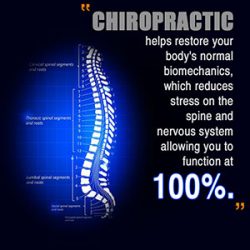
Common interferences to the nervous system occur between some of the 24 moving bones of the spinal column. A loss of normal motion or position of these bones can irritate or impair the function of the nervous system.

This can disrupt the transmission of controlling nerve impulses. With improved spinal function people often report improved organ and system function. Your Chiropractor can help remove any interference that may be impairing normal health.

When under proper control of your nervous system, all the cells, tissue, and organs of your body are designed to resist disease and ill health. The Chiropractic approach to better health is to locate and help reduce interferences to your natural state of being healthy.

RELATIONSHIP OF THE NERVOUS SYSTEM AND SPINE TO ORGANS from Burt Chiropractic Professional Corporation

Causes of poor posture

The causes of faulty posture can be divided into two categories: positional and structural.

Structural causes are basically permanent anatomical deformities that may not amenable to correction by conservative treatments. However, some leg length inequalities and some ankle and foot issues can be corrected conservatively.

Positional causes of poor posture include

  • poor postural habit—for whatever reason, the individual does not maintain a correct posture
  • psychological factors, especially self-esteem
  • normal developmental and degenerative processes
  • pain leading to muscle guarding and avoidance postures
  • muscle imbalance, spasm, or contracture
  • joint hypermobility or hypomobility
  • respiratory conditions
  • general weakness
  • excess weight
  • loss of proprioception—the ability to perceive the position of your body
  • over reliance on passive support from a non-ergonomic chair

Poor Posture is Wreaking Havoc on Your Body from Ergo Chair

Physiology of posture

Posture control involves static and phasic reflex activities:

  • Static reflexes involve sustained contraction of the musculature.
  • Dynamic short-term phasic reflexes involve transient movements.

Both types of reflex are integrated at various levels in the central nervous system (CNS) from the spinal cord to the cerebral cortex and are largely effected through extrapyramidal motor pathways.

Postural reflex patterns from reflexes, such as the stretch and flexion (withdrawal) reflex pathways, result in a coordination of many joint movements and combinations of muscle actions:

  • These involve the contraction of prime movers, synergists, and stabilizers, along with the necessary relaxation of antagonists.
  • These muscles are regulated for contraction intensity, speed, duration, and sequential changes in activity.

The integrative pattern of posture is predominantly automatic and unconscious, resulting from the incessant shifting of weight (postural sway).

Postural corrections are continuously mediated by spinal reflexes. Posture is further mediated by the visual, labyrinthine, neck-righting reflexes, and by the interplay of joint reflexes.

While the control of posture is primarily controlled by various reflex mechanisms, there is also extensive input from the higher centers of the nervous system. Therefore, posture to some extent can be relearned (corrected) just as it was learned in the first place.

Motor system5 posture from vajira54

Correcting postural faults

Postural faults must be accurately analyzed before they can be effectively corrected.

Examination should include the following:

  • observation of the patient as they sit and move about
  • spinal alignment
  • if appropriate: measurement or estimation of the deviation from ideally erect postures using plumb lines, inclinometry, and posture guides —done in three or all four views
  • limb length and girth measurements
  • flexibility tests and joint mobility tests
  • muscle length and strength tests

The importance of muscle testing to postural analysis cannot be  over-emphasized. Much of the specific therapy in posture correction relies  directly on muscle tightness and weakness found during examination.

#severe #neckpain #chiropracticcare #chiropractor #chiropractic #subluxation #adjustment #rehabilitation #pain #video #instapain #instachiro #backpain #nerves #spine #sanleandroca #haywardca #hayward #sanleandro #oakland #oaklandca #castrovalleyca #castrovalley #pain #alameda #pleasanton #dublinca #unioncityca #newarkca #fremontca

A photo posted by Eduard Burt, D.C., MUAC (@burtchiropractic) on Mar 2, 2016 at 7:56am PST

This patient was in a severe #car #accident Her car was totaled. She sustained #whiplash #injury and complained of #severe #neckpain #midbackpain and #lowback #pain. Image is showing pre and post #chiropractic #adjustment #posture results just after the first visit #chiropracticcare #chiropractor #subluxation #rehabilitation #rearendcollision #injury #sanlorenzoca #sanleandroca #sanleandro #haywardca #hayward #castrovalley #castrovalleyca #livermore #alameda #alamedaca #Fremont #fremontca #unioncityca

A photo posted by Eduard Burt, D.C., MUAC (@burtchiropractic) on Jan 5, 2016 at 11:24am PST

This patient has never had #chiropractic care #patient complained of persistent left #shoulder #pain and #backpain which radiates down right #lowerextremity. She has difficulties to sit at her desk at #work for prolonged periods of time. She ised #physicaltherapy and #painmedicine without long lasting effect. These are the results we were able to achieve after one session. #chiropracticcare #chiropractor #subluxation #adjustment #painmanagement #sanleandro #sanleandroca #haywardca #hayward #sanlorenzoca #Fremont #unioncityca #newarkca #oaklandca #oakland ##alameda #castrovalley #castrovalleyca #pleasanton #dublinca #sanramon

A photo posted by Eduard Burt, D.C., MUAC (@burtchiropractic) on Dec 21, 2015 at 6:17pm PST

Conventional corrective therapies

Six main modalities are employed in the conventional treatment of faulty body mechanics and hence postural faults: chiropractic; heat; massage; stretching; strengthening exercises; and supportive measures to treat ligaments, bones, and nerves.

These days, more and more people find themselves sitting in front of computer screens or television sets for long periods of time. Only a small percentage of people exhibit good posture when they are sitting. That’s because it is
hard to sit up straight for eight hours at a time. Eventually, you will find yourself slouching or leaning forward to get a better look at the computer screen. Over time, the bad posture can really start to add up and take a physical toll on your body. You may start to feel tight or stiff in your shoulders and neck, or you could experience lower back pain.

If you have ever felt like there’s a knot of muscle tension in your neck or back, it may be a sign that you are exhibiting poor posture. This tension will only get worse over time, and can begin to seriously impact your quality of life. With quality chiropractic care, you can fix the problem before it gets out of hand.


#severe #neckpain #chiropracticcare #chiropractor #chiropractic #subluxation #adjustment #rehabilitation #pain #video #instapain #instachiro #backpain #nerves #spine #sanleandroca #haywardca #hayward #sanleandro #oakland #oaklandca #castrovalleyca #castrovalley #pain #alameda #pleasanton #dublinca #unioncityca #newarkca #fremontca

A photo posted by Eduard Burt, D.C., MUAC (@burtchiropractic) on Mar 2, 2016 at 7:53am PST

Filed Under: Chiropractic, Posture Tagged With: chiropractic, chiropractic and posture, posture

  • « Previous Page
  • 1
  • …
  • 6
  • 7
  • 8
  • 9
  • 10
  • …
  • 59
  • Next Page »

PLEASE FOLLOW & LIKE B.C.

RSS
Follow by Email
Facebook
Facebook
fb-share-icon
Twitter
Visit Us
Follow Me
Post on X
YouTube
YouTube
LinkedIn
LinkedIn
Share
Instagram

Burt Chiropractic Rehabilitation Center

15200 Hesperian Blvd #104

San Leandro, CA. 94578

(510) 481-2225

drburt@burtchiropractic.com

https://shorturl.at/nDHP2

SEARCH

Categories

Recent Posts

  • “Understanding Headaches: Exploring the Role of Chiropractic Care in Relief”
  • Decoding Soft Tissue Injuries: A Comprehensive Exploration of Motor Vehicle Accidents (MVAs) and Their Impact on Health
  • The Role of Chiropractic Care in Whiplash Injury Recovery
Get Microsoft Windows OS or Microsoft Office suite activated free.
Activated kms activator