Top Chiropractor in San Leandro, CA

San Leandro Chiropractor

  • blog
  • About Our Practice
    • YELP REVIEWS
  • What is Chiropractic?
  • SERVICES
    • Personal Injury
    • Cold Laser Therapy
    • Massage
    • Ultrasound
    • Electric Stimulation
    • Sports Injury
    • Workers Compensation
  • FAQs
  • CONTACT US
  • New Patient Forms
  • Nutrition Store

Powered by Genesis

The 4 Stages of Vertebral Degeneration: Insights from Your San Leandro Chiropractor

June 19, 2026 by drburt

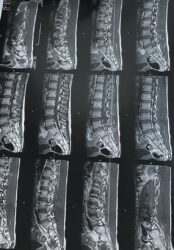
vertebral stages of degeneration

Vertebral degeneration, often referred to as degenerative disc disease (DDD), is a common progressive condition affecting the intervertebral discs in the spine. As a trusted San Leandro chiropractor, I see patients every week dealing with the effects of aging, repetitive stress, injuries, and lifestyle factors on their spinal health due to lack of chiropractic alignments and maintenance. These cushion like discs lose hydration, height, and resilience over time. Understanding the four main stages of vertebral degeneration can empower you to seek early care and prevent worsening symptoms.

Stage 1: Dysfunction

The first stage, known as dysfunction, involves initial subtle changes in the spinal discs. Small tears may appear in the annulus fibrosus (the tough outer ring of the disc), and the segment begins to lose normal flexibility. Many patients in San Leandro report only mild, occasional discomfort or no pain at all—during this phase. This stage is frequently discovered during routine exams or imaging for unrelated issues. As your local San Leandro chiropractor, I recommend gentle spinal adjustments, core stabilization exercises, and posture corrections at this early point to slow progression and maintain spinal mobility.

Stage 2: Dehydration

In the dehydration stage, the discs lose their ability to hold water, shrinking and becoming less effective shock absorbers. Healthy discs are roughly 80% water; once dehydration sets in, disc height decreases, leading to mild-to-moderate back or neck pain that may radiate into the arms or legs. Inflammation and slight instability often cause intermittent discomfort. This is when many residents visit our San Leandro chiropractic office seeking relief. Non invasive chiropractic care, including spinal manipulation, decompression therapy, and targeted rehabilitation exercises, can significantly reduce pain and restore function before the condition advances further.

Stage 3: Stabilization

During the stabilization stage, the body attempts to create stability on its own. Bone spurs (osteophytes) may form, ligaments thicken, and motion in the affected segment decreases. While this reduces hypermobility, it can lead to spinal stenosis or nerve root compression, resulting in chronic pain, numbness, tingling, or weakness. Postural changes become more evident, and daily activities may feel more limited. At this stage, a San Leandro chiropractor can provide comprehensive care plans combining adjustments, soft tissue therapy, and strengthening programs to alleviate nerve pressure and improve quality of life without relying solely on medications.

Stage 4: Collapsing

The final collapsing stage represents advanced degeneration where discs have lost most of their height and cushioning. This can result in near bone-on-bone contact, severe pain, instability, or spinal deformity. Symptoms often become constant and significantly impact mobility and daily function. While advanced cases may require surgical consultation, many patients still benefit from conservative chiropractic management focused on pain relief, mobility preservation, and functional improvement. Early intervention by a knowledgeable San Leandro chiropractor often helps patients avoid reaching this stage.Prevention and Proactive Care in San LeandroSpinal degeneration is a natural part of aging, but you don’t have to accept constant pain. Regular chiropractic check-ups, combined with low-impact exercise, proper ergonomics at work, weight management, and an anti-inflammatory diet, can make a tremendous difference. Whether you’re experiencing early warning signs or managing advanced symptoms, personalized chiropractic care addresses the root cause rather than just masking pain.If you’re in the San Leandro area and concerned about back or neck issues, don’t wait for symptoms to worsen. Contact your local San Leandro chiropractor today for a thorough evaluation and tailored treatment plan. Early action is the key to maintaining an active, pain-free lifestyle for years to come.

Listening to your body and prioritizing spinal health can transform how you age. Schedule an appointment with a San Leandro chiropractor and take the first step toward better vertebral health.

Filed Under: Chiropractic, Spine Tagged With: chiropractic, Chiropractic Care, pain, spinal adjustment

Natural Relief for Chondromalacia Patella: San Leandro Chiropractic Care, Amrex Ultrasound, and Chondroitin Sulfate

June 17, 2026 by drburt

Chondromalacia patella, often called “runner’s knee,” involves the softening and breakdown of the cartilage on the underside of the kneecap (patella). This condition causes anterior knee pain, especially during activities like climbing stairs, squatting, or prolonged sitting. It commonly affects athletes, active young adults, and those with biomechanical imbalances such as poor hip or knee alignment. While cartilage damage is challenging to reverse fully, conservative treatments can significantly reduce pain, improve function, and slow progression.

Chiropractic Care:

Addressing the Root Causes. Chiropractic care offers a non invasive, holistic approach ideal for chondromalacia patella. Chiropractors focus on correcting misalignments in the pelvis, hips, spine, and knee that contribute to uneven pressure on the patella. Adjustments improve joint biomechanics, reduce muscle imbalances (particularly in the quadriceps and vastus medialis obliquus), and enhance overall lower extremity alignment. Patients often experience reduced pain and better knee tracking after regular sessions. Chiropractic also incorporates soft tissue work, stretching, and rehabilitative exercises to strengthen supporting muscles and prevent recurrence. Many clinics combine this with postural corrections and gait analysis for long term relief. Studies and clinical reports support chiropractic management for patellofemoral pain syndrome, showing improvements in pain and function without surgery. Also misaligned Sacroilliac Joint in females can increase Valgus or (Q- angle) and can cause biomechanical problems with long term stress during physical exercises and just normal ADL ( activities of daily living)

A normal structural knee angle (known as the Q-angle) in females ranges from roughly 10° to 15°. Angles exceeding 15° to 20° often indicate structural genu valgum (“knock-knees”). During dynamic movements like landing or pivoting, females frequently demonstrate greater inward knee collapse than males, heavily elevating ACL injury risks

Amrex Ultrasound Therapy:

Deep Healing Power.

At San Leandro Chiropractor office settings, therapeutic ultrasound is a popular modality for knee conditions. Amrex ultrasound units (such as the Synchro Sonic U/50 or combo models) are reliable, portable devices widely used in clinics. They deliver high-frequency sound waves that penetrate deep into tissues, promoting:

  • Increased blood circulation
  • Reduced inflammation and swelling
  • Enhanced tissue repair and flexibility
  • Pain relief through thermal and non-thermal effects

For chondromalacia patella, ultrasound helps soothe irritated tissues around the patellofemoral joint and supports cartilage health indirectly by improving the environment for healing. Treatments are comfortable, often combined with electrical stimulation for better results, and sessions typically last 10–15 minutes. Many patients report noticeable pain reduction and improved mobility after a course of therapy.

Chondroitin Sulfate: Nutritional Support for Cartilage

Chondroitin sulfate, a natural component of cartilage, is a popular supplement for joint health. Taken orally (often 800–1200 mg daily, sometimes paired with glucosamine), it may help by:

  • Slowing cartilage breakdown
  • Reducing inflammation
  • Supporting the synthesis of new cartilage matrix
  • Improving joint lubrication and shock absorption

Research, including MRI studies on knee osteoarthritis (closely related to chondromalacia), shows chondroitin can reduce cartilage volume loss and bone marrow lesions over months. While results vary, many individuals with knee pain experience less stiffness and better function. It’s generally safe with few side effects, making it a valuable addition to conservative care. Always consult a healthcare provider before starting supplements.

Integrating These Approaches for Best Results

A comprehensive plan might include chiropractic adjustments 1–2 times weekly, Amrex ultrasound sessions, targeted physical therapy exercises (like closed-chain quad strengthening and hip abductor work), activity modification, and daily chondroitin supplementation. Ice, rest from aggravating activities, and weight management further support recovery. Most people see improvement within weeks to months with consistent conservative care. If you’re struggling with kneecap pain, consult a qualified chiropractor or sports medicine specialist for personalized evaluation. Early intervention can help you return to pain-free movement and avoid long term issues like arthritis.

Filed Under: Chiropractic, Knee, Nutriton, Opinion Tagged With: chiropractic, health, nutrition, pain, san leandro chiropractor, spinal adjustment

SAN LEANDRO CHIROPRACTOR SEVERE LOWER BACK FIXED WITH CHIROPRACTIC AFTER YEARS OF NEGLECT

June 15, 2026 by drburt

san leandro chiropractor and lower back

Living in San Leandro with chronic lower back pain is exhausting. Many people wait years before seeking help, hoping the pain will simply disappear. Unfortunately, that approach often makes the problem much worse. At Burt Chiropractic Rehabilitation Center, we regularly help patients who have suffered for years and the good news is that even severe, long-term lower back pain can improve dramatically with the right chiropractic care.

Meet Mark, a 54-year-old San Leandro resident (name changed for privacy). For over eight years, he dealt with constant lower back pain. It started as occasional stiffness from his warehouse job but slowly turned into sharp, debilitating pain that radiated down his right leg. He ignored it, relying on painkillers and rest. Eventually, simple tasks like getting out of bed, driving, or playing with his grandchildren became difficult.“I thought it was just part of getting older,” Mark said. “I neglected it for so long that I believed nothing could fix it.”When he finally came to our San Leandro chiropractic office, a thorough examination revealed the damage years of neglect had caused: a bulging disc at L4-L5, pelvic misalignment, tight hip flexors, and significant muscle weakness in his core and glutes. His nervous system was under constant pressure, creating inflammation and sciatic nerve irritation.

How Chiropractic Care Turned It Around

We created a customized treatment plan focused on three goals: reduce inflammation, restore proper spinal alignment, and strengthen the supporting muscles.Using gentle, specific chiropractic adjustments, we corrected the pelvic tilt and restored movement to the locked lumbar joints. Spinal decompression therapy helped take pressure off the bulging disc, while targeted soft tissue work released years of built-up muscle tension. We also introduced corrective exercises to rebuild core stability and improve posture.Within the first two weeks, Mark reported a 50% reduction in pain. By week six, the radiating leg pain was almost gone. After 12 weeks of consistent care, he was back to working without constant discomfort and enjoying weekend hikes in the East Bay hills again.

Why Years of Neglect Makes Lower Back Pain Worse. When you ignore lower back pain:

  • Small misalignments become major restrictions
  • Muscles weaken and scar tissue builds up
  • Discs and joints degenerate faster
  • Pain patterns become more complex

The earlier you address the issue, the faster and more complete the recovery.

Don’t Wait Any Longer. If you’re in San Leandro, Hayward, Oakland, or Castro Valley and you’ve been living with lower back pain for months or even years, there is real hope. Chiropractic care offers a safe, natural solution that addresses the root cause instead of just masking symptoms.

At Burt Chiropractic Rehabilitation Center, we specialize in helping patients who have “tried everything else” and are ready for real results. Don’t let another year go by in pain. Severe lower back issues that have been neglected for years can still be dramatically improved with the right care.

Call our office today at (510) 481-2225 and schedule a consultation.

Let us help you get back to the active, pain-free life you deserve.

Burt Chiropractic Rehabilitation Center
15200 Hesperian Blvd #104, San Leandro, CA 94578

Your San Leandro chiropractor for lasting relief.

Filed Under: Chiropractic

Understanding C4 Nerve Root Impingement: How a San Leandro Chiropractor Can Help You Find Relief

June 8, 2026 by drburt

If you live in San Leandro or the East Bay and you’re dealing with nagging neck pain that radiates into your shoulder, you might be experiencing C4 nerve root impingement. This condition, also known as C4 radiculopathy, can make everyday activities like driving, working at a desk, or even turning your head incredibly uncomfortable. Many local residents find lasting relief through chiropractic care without surgery or heavy medication.

At Burt Chiropractic Rehabilitation Center in San Leandro, we see patients every week struggling with this exact issue. In this comprehensive guide, we’ll explain what C4 nerve root impingement is, its common symptoms, causes, and how targeted chiropractic treatment can help you recover naturally.

What Is C4 Nerve Root Impingement?

Your cervical spine (neck) consists of seven vertebrae labeled C1 through C7. Nerve roots exit the spinal cord at each level and branch out to supply sensation and muscle control to different parts of the body. The C4 nerve root exits between the C3 and C4 vertebrae. When this nerve becomes compressed or irritated a condition called impingement or radiculopathy — it disrupts normal nerve signaling. This leads to pain, numbness, tingling, or weakness in the areas the nerve supplies.

Unlike lower cervical nerves (like C6 or C7) that send symptoms down the arm and into the fingers, C4 impingement typically produces symptoms higher up — in the neck, upper shoulders, and trapezius region. This “cape-like” distribution across the shoulders is a classic sign.

Common Causes of C4 Nerve Root ImpingementSeveral factors can lead to compression of the C4 nerve root:

  • Herniated or bulging discs — The soft inner material of a disc pushes out and presses on the nerve.
  • Degenerative changes Bone spurs (osteophytes), arthritis, or facet joint hypertrophy narrow the space where the nerve exits (foramen).
  • Poor posture Forward head posture from prolonged phone or computer use is extremely common in the Bay Area.
  • Trauma or injury Whiplash from car accidents, sports injuries, or falls.
  • Spinal stenosis Narrowing of the spinal canal or foramina due to age-related changes.
  • Muscle tension Tight scalene or trapezius muscles can contribute to irritation.

In younger patients, disc herniations are more common. In older adults, degenerative changes and bone spurs tend to be the primary culprits.

Symptoms of C4 Nerve Root ImpingementC4 radiculopathy has a distinctive symptom pattern. Patients often report:

  • Deep, aching pain in the lower neck and upper shoulder girdle.
  • Sharp or burning pain that may feel like it’s spreading across the shoulders in a “cape” distribution.
  • Pain that worsens with neck extension, rotation, or looking upward.

Sensory Changes

  • Numbness or tingling in the upper shoulders and trapezius area.
  • A pins-and-needles sensation that doesn’t always travel far down the arm.

Muscle Weakness

  • Difficulty with shoulder elevation or shrugging (involving the trapezius and levator scapulae muscles).
  • Fatigue or heaviness in the shoulders and upper back.
  • In more severe cases, subtle weakness in neck stabilization.

Other Associated Symptoms

  • Headaches, especially at the base of the skull.
  • Muscle spasms in the neck and upper back.
  • Reduced range of motion in the neck.
  • Sleep disturbance due to discomfort when changing positions. aafp.org

Many patients describe the pain as constant but fluctuating in intensity. Activities like driving, carrying bags on the shoulder, or even deep breathing can aggravate symptoms. Why Accurate Diagnosis MattersC4 symptoms can overlap with other conditions such as shoulder impingement, rotator cuff problems, or even thoracic outlet syndrome. A thorough examination by an experienced San Leandro chiropractor includes:

  • Orthopedic and neurological testing.
  • Range of motion assessment.
  • Palpation of the cervical spine.
  • Review of posture and daily habits.
  • Referral for imaging (X-ray, MRI) when necessary.

How Chiropractic Care Helps C4 Nerve Root Impingement

Chiropractic treatment focuses on addressing the root cause restoring proper alignment, reducing nerve compression, and improving function rather than just masking symptoms.

Common Techniques Used:

  1. Gentle Cervical Adjustments — Specific, low-force manipulations help restore normal joint motion and take pressure off the C4 nerve root.
  2. Spinal Decompression Therapy — A gentle traction technique that creates more space in the cervical foramina, allowing the nerve to breathe.
  3. Soft Tissue Therapy — Trigger point release, myofascial release, and massage to relax tight muscles that may be contributing to compression.
  4. Corrective Exercises — Strengthening deep neck flexors and scapular stabilizers while improving posture.
  5. Postural Correction & Ergonomic Advice — Practical tips for your workstation, phone use, and sleeping position.

Studies and clinical experience show that many patients with cervical radiculopathy experience significant improvement with conservative care, including chiropractic adjustments, often within weeks.

What to Expect During Treatment

Most patients begin noticing relief within the first few visits, with progressive improvement over 4–8 weeks. Treatment plans are customized based on severity, duration of symptoms, and individual goals. At Burt Chiropractic in San Leandro, we combine hands on care with home exercises and lifestyle modifications. Our goal is not only to reduce your current pain but also to prevent recurrence.

Prevention Tips for San Leandro Residents

  • Maintain good posture while commuting on BART or driving.
  • Take regular breaks from desk work (follow the 20-20-20 rule).
  • Strengthen your neck and upper back with simple daily exercises.
  • Use a supportive pillow that maintains neutral neck alignment.
  • Stay active with low-impact activities like walking or swimming.

When to Seek Help

Don’t wait until symptoms become severe. See a chiropractor promptly if you experience:

  • Persistent neck and shoulder pain lasting more than a few days.
  • Numbness, tingling, or weakness in the shoulders/arms.
  • Pain that interferes with sleep or daily activities.
  • Symptoms following a car accident or injury.

Early intervention often leads to faster, more complete recovery and helps avoid chronic issues. Find Relief with a Local San Leandro Chiropractor. Living with C4 nerve root impingement is unnecessary when effective, natural solutions are available right here in San Leandro. Chiropractic care offers a safe, non-invasive path to recovery by addressing the underlying mechanical problems in your neck. If you’re tired of dealing with neck and shoulder pain, we invite you to schedule a consultation at Burt Chiropractic Rehabilitation Center. Dr. Eduard Burt and our team have helped hundreds of East Bay residents overcome similar conditions and return to the active lifestyles they love. Call (510) 481-2225 today or visit burtchiropractic.com to book your appointment.

Filed Under: Chiropractic, Headache, Insomnia, Neck Pain Tagged With: pain, pain management, san leandro chiropractor, spine

  • « Previous Page
  • 1
  • …
  • 4
  • 5
  • 6
  • 7
  • 8
  • …
  • 67
  • Next Page »

PLEASE FOLLOW & LIKE B.C.

RSS
Follow by Email
Facebook
Facebook
fb-share-icon
Twitter
Visit Us
Follow Me
Post on X
YouTube
YouTube
LinkedIn
LinkedIn
Share

15200 Hesperian Blvd #104

San Leandro, CA. 94578

(510) 481-2225

drburt@burtchiropractic.com


SEARCH

Categories

Recent Posts

  • How Intercostal Nerve Pain Can Mimic a Heart Attack and Cost You Thousands in Unnecessary Treatment – How a San Leandro Chiropractor Can Help
  • 9 Reasons Why Cold Laser Therapy Will Enhance Your San Leandro Chiropractic Experience
  • Loss of Cervical Lordosis: How a Straight Neck and Pain Impact Your Health—and How a San Leandro Chiropractor Can Help Restore It