Top Chiropractor in San Leandro, CA

San Leandro Chiropractor

  • blog
  • About Our Practice
  • What is Chiropractic?
  • SERVICES
    • Personal Injury
    • Cold Laser Therapy
    • Massage
    • Ultrasound
    • Electric Stimulation
    • Sports Injury
    • Workers Compensation
  • FAQs
  • Locations
  • CONTACT US
  • New Patient Forms
  • Nutrition Store
  • Home

Powered by Genesis

Can the Car Ride Cushion Shake up the Chiropractic Industry?

June 8, 2018 by drburt

car ride cushionCan the Car Ride Cushion Shake up the Chiropractic Industry?

How does a valuable medical innovation start?

In today’s entrepreneur-focused world, innovation driven by individuals touches even the medical world. Although traditional medical establishments offer us new guidelines and forms of treatments, it’s often up to solo creators to come up with devices that can help people stay healthy and safe in their day-to-day lives.

However, just because an invention is new doesn’t mean it’s effective. Can a car ride cushion effectively prevent kids from needing a chiropractor later in life? That’s what one new invention from a chiropractor named Dr Cormier claims to do.

In this article, we’ll take a look at whether or not these cushions stand a chance of combating back pain, neck pain, and other issues that can start in childhood. Keep reading to find out whether or not they’re a good investment for your family.

What is the Car Ride Cushion?

The name “car ride cushion” is vague, so the concept merits some explanation.

James Cormier, a chiropractor based in Massachusetts, was inspired by a photo to create the cushions. Two years ago, his sister-in-law snapped a picture of Cormier’s son, who was 7 at the time. The exhausted kid had fallen asleep in the car, hunched over against his seatbelt, as kids often do.

Although Cormier appreciated the picture, it also got him thinking ― specifically, about his son’s spine. As a chiropractor, he knew the slumped position was far from ideal. Yet kids who fell asleep in the car were almost always hunched over or reclined at an odd angle that put the spine out of alignment. What was the long-term toll of the hours spent in these positions?

Dr Cormier decided to develop his own solution to the potential problems this could cause. He came up with a set of cushions that attach to car seat anchors so they’re on each side of the child’s head. The process was fast ― he began designing prototypes in 2016 and had the invention patented and up for sale by 2017.

Cormier believes letting children sleep in unnatural positions can cause a whole host of problems with the spine and nervous system. Is he right? Let’s take a closer look at the science behind his claim.

The Importance of Good Posture in Youth

Anyone with a desk job ― and most people without one ― know the importance of good posture. Strain, pain, fatigue, and more serious issues can all come from hours spent hunched over at a desk or in front of the TV.

Parents with children have to monitor not just their own posture, but their child’s posture too. Heavier backpacks and more time spent in front of screens make combating poor posture in young children more difficult than it once was.

However, recognizing that good posture matters isn’t the same as recognizing why it matters. Good posture isn’t just a matter of etiquette: Research shows that it’s actually crucial to proper anatomical development.

What is Posture?

Posture specifically refers to the way the body is aligned and positioned to hold up against the constant pull of gravity. For example, gravity makes it tempting to let our heavy heads hang forward, while good posture fights against this pull to keep the spine aligned.

Gravity affects the body in all positions, including sitting, standing, and lying down; and it affects all parts of the body. When our posture is good, the bones can do the majority of the weight-supporting work, giving the muscles a much-needed break. This reduces potential muscular strain and injury, as well as damage to the ligaments and joints.

Proper posture requires the spine to be straight and the head and shoulders pulled back, with the ear aligned with the shoulder.

Poor posture can result in muscular dysfunction, spinal degeneration, and chronic pain. If poor posture starts in youth, there’s more time for issues like these to develop. Fostering good postural habits in youth also makes it easier for kids to keep their spines aligned when they become adults. If postural distortion starts at an early age, it’s much harder to break the pattern as an adult.

Childhood Posture Risk Factors

Many children start to develop bad postural habits around age 6, when they start going to school.

School-age children tend to spend a lot of time sitting at a desk, where they often slouch over without taking enough breaks to realign posture. When they get home, they may spend more time in the same position while doing homework. Add in the heavy backpacks and time spent playing video games or watching shows on a tablet, and there’s a recipe for poor posture throughout childhood.

Many schools have added postural analysis for their students to help fight this problem. Yearly analysis starting at age 6 can help catch postural distortion early, while it’s still easy to fix. It’s also important for teachers and parents to do their part to correct posture. This includes adding regular posture breaks for children to stand up and stretch.

However, parents often aren’t thinking about the posture issue when their child is asleep. A good mattress at home can help keep the spine properly aligned. But Dr Cormier and his customers believe posture cushions for the car will also make a difference in fighting childhood posture issues.

Will Car Ride Cushions Work?

The vast majority of childhood posture issues happen while the child is awake.


Hours spent at a school desk in a slumped position, combined with hours spent at home in the same position while doing homework or looking at a phone, add up to a potential posture disaster. Vigilant parents and teachers can help by instilling good posture habits from an early age.


Compared to all those high-risk posture hours at school and home, the time spent sleeping in a car is fairly minimal. Car ride cushions might help, but it depends on how often they’re really being used. For a family that doesn’t take many long car trips, there’s not much a car cushion can offer.


However, if your child does spend a significant amount of time asleep in the car, it might be worth the investment to keep their spine in alignment. The cushions will only work with children of a certain height, though, so they just offer a short-term solution until your child grows.


Cormier’s invention may not do much against the perils of bad posture at school and at home, and it won’t shake up the chiropractic industry in any significant way. However, it could become a valuable part of a good posture plan for some families. If you’d like to try it for yourself, you can look up car ride cushion on Amazon.


Video on Dr. Cormier’s invention


——————————————————–


About the Author

Andrew is the head editor for eChiropractor.org. eChiropractor.org is your one-stop shop for chiropractic news and techniques. We offer current research, actionable advice, and balanced viewpoints ― if you check us out, make sure you read our article about disc desiccation.

Filed Under: Chiropractic Tagged With: car seat, chiropractic, posture

How to Have the Best Sleep: Chiropractic and Sleep

July 4, 2017 by drburt

sleepHow to Have the Best Sleep: Chiropractic and Sleep

The Field of Chiropractic is a form of alternative medicine which is getting more attention nowadays. As with most alternative forms of medicine, chiropractic always get reactions full of skepticism and doubt. A lot of people considered chiropractic as a western form of acupuncture and oriental massage. A lot of individuals even find the field as a gimmick or a way for people to make a quick buck out of someone gullible enough to believe in some outlandish practice. Chiropractic, by definition, is the diagnosis and treatment of disorders that concern the musculoskeletal system.

Most practitioners of Chiropractic believe that these problems affect how the body functions via the nervous system. The basics of chiropractic heavily involve physical manipulation of the spine and neck. Chiropractors, those who practice chiropractic, are split into two different groups: The “Straights” which are more keen on unfounded beliefs and practices regarding chiropractic. The other group is otherwise known as “Mixers” are the more preferred group which believes in modern and conventional medicine such as massage therapy, exercise, and diet.

People who seek treatment for lower back pain, often go to chiropractors to relieve them of their chronic pain. Chiropractors also believe that spinal manipulation can alleviate a multitude of conditions such as bad posture, problems with appetite, headaches, and sleeping problems.It is a well-known fact that sleep affects people in a lot of ways. Getting enough sleep is healthy and good for the body while getting more or less sleeping hours is dangerous. With chiropractic, here are some good ways to improve sleeping habits.


Position

Most people sleep on their backs. What a lot of them don’t know is that sleeping on one’s back can increase the risk of having sleep apnea. Sleep apnea is a dangerous condition where the body pauses to breathe which usually lasts for a minute to an hour in most extreme cases. Sleep apnea if left untreated, can cause high blood pressure, aneurysms, diabetes, heart disease, etc. Contrary to some beliefs, sleeping on your left side is an excellent way to prevent neck and back pain when waking up. Research believes that sleeping on the left can relieve heartburn. For pregnant mothers, the left side is also good because it significantly improves circulation, good for both the mom and baby inside the womb. Sleeping on the stomach is the worst possible position for a person to sleep. Although sleeping on one’s stomach can prevent sleep apnea and aid in digestion, the weight created by the body puts a lot of pressure on the spine. The lower back also gets a lot of that pressure and will eventually cause the neck to turn at such an unnatural angle. With the neck being in such a strange position for prolonged hours, the risk of spinal and neck injury significantly increase.


Exercise

Part of a healthy lifestyle is getting enough exercise. Training enables the body to have a healthy circulation needed to help better itself. Exercise also helps build up the muscles of the body so that it can better contribute to supporting the body’s weight. Exercise should be during the day, where the body is still alert and active. Exercising before going to bed is bad because heat is retained in the body making you sweat. A fast heartbeat resulting from rigorous movement can also interfere with normal sleeping patterns.


Mattresses

Choose a bed that will adequately support the spine and the body. Make sure that the bed isn’t too soft, as it will bring the body down, forcing another strange position. Sleeping in these positions can cause a lot of problems such as neck and back pain. Another weird thing an improper bed does to a person is that it may cause them to snore. Snoring is done when the lungs make the tissues of the airway vibrate. These often result in a snort-like sleep during sleep. Snoring can affect a person’s breathing while he or she sleeps. Snoring is also a sign of impending diseases such as heart problems and diabetes.  


Regular Chiropractic Sessions

Due to some decompression by spinal manipulation during chiropractic adjustments, people often find relief in their sleeping problems. A lot of them report that their sleeping habits are better after a session with their chiropractor.


Takeaway

Chiropractic and sleeping patterns come hand in hand when it comes to overall health. When a person has healthy habits coupled with regular sleeping hours, a healthy lifestyle is insured. A lot of benefits such as relief from heartburn and better circulation is just a few of what people can expect from sleeping in the right position and the right bed.


Author Bio

Rachel Minahan is a writer and a blogger. Although she is an interior designer by heart, her passion falls within writing. She particularly loves writing about health, lifestyle, food, and sleep. She often cites Beds Online as her reference when writing. In her free time, Rachel enjoys playing with her pet cat named Cookie.


Filed Under: Advice, Chiropractic Tagged With: chiropractic, chiropractor, sleep

5 Ways Chiropractic Care Can Help Postpartum Rehabilitation

January 18, 2017 by drburt

postpartum5 Ways Chiropractic Care Can Help postpartum Rehabilitation

Pregnancy is one of the best experiences a woman can have in her entire lifetime, and giving birth is one of the ultimate success a woman can boast about. However, the physical agony that comes with it can steal the joy of being a mom and woman at the same time. Pregnancy carries with it a lot of pain already, back pain, sciatica, swelling ankles and feet, hurtful sex, headaches and whatnot, but unfortunately not all of this pain goes away after giving birth. What’s worse is that most of this pain are far more elevated after giving birth, leaving the new found mom with sadness, or worst, even depression. Chiropractic care had been an all time recommendation for expectant and postpartum women. It helps pregnant women have a better experience by giving them care and by educating them about the proper posture and movement while waiting for their baby. Chiropractors help babies by helping them have their optimal growth position while waiting for their big day. Chiropractic care is all the more needed after giving birth, especially because this is the time a woman’s body is working for its rehabilitation. Below are 5 of the many beautiful reasons why you need a chiropractor after giving birth.

Quicken Recovery Time

After giving birth, whether, via CS or normal vaginal delivery, a woman’s body will go through a process of reconstruction to get back to its original structure and shape. Not all women believe that it is going to be the same again. Most women who experience pain after giving birth, seem to incorporate the pain that came with it as a part of their normal daily lives. Although it does take time for the body to recover from depression and stress during pregnancy and labor, it is not right to accept all the unnecessary pains as normal. The original “normal” that women used to have can come back; there’s hope for getting back to your pre-pregnancy body with the help of chiropractors. Chiropractors are there to help your body make the recovery process faster, and help normalizes pelvic and spinal movements- which are the most affected during prenatal and postnatal days. With chiropractors by your side, you are guided with proper posture and your postural issues, like the way you are carrying your baby, will be corrected right away before you develop another problem out of it.

Teach the best position and Overcome Postural Issues

As mentioned in the previous paragraph, chiropractor helps you correct your postural issues. Some women complain of having neck and back pains when breastfeeding when lifting in and out of car seats/ cribs, and in worse conditions, some even develop a misalignment in their hipbones, termed as Pelvic Girdle.Balancing your baby on one side of your hip can cause misalignment of the back, pelvis or tailbone. Most mothers also have the tendency to move in a sway back manner when holding their baby with their pelvis in a forward position. Unless this posture is corrected, your pelvic pain is not going to go away.Aside from this most new moms also hunch over when they are feeding, and this can lead to pulled or strained neck that can cause torn ligaments/ muscles limiting neck movement. New moms are expected to spend most of their time sitting down and leaning forward, which increases the chances of having neck and shoulder pain.Your chiropractor is going to help you find out your personal alignment that would identify the best position you will have while feeding. If you have a newborn baby, you are more likely to pick up the baby more often from its crib to feed or rock it to sleep. Picking up or carrying your child in the wrong position can cause strained back which is also one culprit of back and pelvic pain. Moms are also prone to carpal tunnel syndrome, which is a product of holding the baby with a bent wrist. In doing this often, most moms consider it as something usual, but chiropractors can help your body heal from repetitive strain injuries.


Pelvic Rehabilitation

This is probably the first thing that new moms care about- pelvic rehabilitation. Most new moms have trouble controlling leaks, standing and sitting for long, weak back and pelvic muscles, and hurtful sex. If not treated, this can result to not only months but years of unhappy motherhood and married life to a woman. These physical challenges add up to the woman’s inferiority towards her own body’s appearance. Gaining weight and not being able to go back to normal routines, can be tough for women to accept and thus lead to postpartum depression. There is a need to educate women on the importance of getting all these unnecessary pains treated as this can steal the joy of motherhood away from them. Chiropractors strive to help women get the best out of their motherhood days by freeing them from these stressors. They help restore your body’s pelvic balance with the support of some manipulation techniques, and that gives way for your ligaments to stretch back to where they originally were. By improving core and pelvic strength, a new mom’s body can get back its stability and control, especially with pelvic floor muscles. This also reduces the pain experienced in the upper back, lower back and in the pelvis, which helps women have better posture as well.


Treat Pregnancy-related Sciatica

Chiropractors also help treat pregnancy-related Sciatica. Sciatica is one of the many symptoms of an underlying issue in the lower spine; you can feel it as a leg pain, with a tingling or numbing sensation. The pain can be felt from the lower back down to the sciatic nerves at the back of each leg. It is pretty much caused by nerve compression from the lower spine. There are a lot of reasons why this nerve compression happens, so it is important to have a proper diagnosis of sciatica, as it is the first step needed in treating it. For pregnant women, it is a product of the expansion of the uterus and the weight of the baby. This expansion doesn’t automatically pop on its own after giving birth; that’s why sciatica still happens during postpartum. Chiropractic care has always been recommended for patients with sciatica, especially for women who just gave birth. Chiropractors perform manipulations to let the body initiate the healing faster by itself. Chiropractic treatment doesn’t use any drug or synthetic medication, which makes it the primary reason why they are best for new moms, especially those who are breastfeeding. If the sciatica is caused by something outside the scope of a chiropractor, they will refer you to a specialized physician.


Helps Avoid Postpartum Depression

As mentioned in the previous items, dealing with all the physical pains after giving birth can cause new moms to have postpartum depression. Unless women are educated that these pains are not normal, they are going to let it steal away the joy of motherhood. Postpartum depression can cause women to withdraw themselves from people- fear of being unable to get back in shape for good, fear of having pain during sexual intercourse, and worse, indifference toward their newborn baby. Waking up for almost 24 hours each day is difficult for new found moms, it makes them be easily agitated and irritated, that’s why it is their due right to be free from physical pain while taking care of their newborn babies. Chiropractic care offers an alternative way to treat these issues using the techniques of biomechanics alteration. This natural way of treating the body does not affect breastfeeding among mothers; breastfeeding is the most obvious way for the mother and baby to bond well. This being a natural approach to treating postpartum pain, chiropractic care can positively influence the emotional improvement among mothers, resulting to better wellbeing. Chiropractic care can help women have better physical health. Better health, as we all know, is better living. If you are experiencing prenatal or postnatal pains, don’t hesitate to ask your healthcare provider about your options today. Your Chiropractors are always ready to assist you and help you have better pregnancy and motherhood.

Author Bio: Melissa K Symmonds is a passionate blogger, Certified Recreational Therapist, and a Chiropractic Enthusiast. She is particularly focused on the pregnancy and postpartum care of Papa Chiropractic, a chiropractor based in Port St Lucie, Florida.


Filed Under: Advice, Chiropractic Tagged With: chiropractic, pain, postpartum, Pregnancy

Computer Related Injuries and Chiropractic Care

March 22, 2016 by drburt

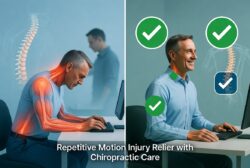
COMPUTER RELATED INJURIESComputer Related Injuries and Chiropractic Care

The computer is a vital tool in many different jobs and activities, for adults and children. But long periods of using a computer can increase your chance of developing an computer related injuries. Inappropriate computer use can cause muscle and joint pain, overuse injuries of the shoulder, arm, wrist or hand, and eyestrain.

Children can experience particular physical and psychological problems if they play computer games too much. You can reduce or avoid these risks with the correct furniture, better posture and good habits, such as taking rest breaks and restricting time spent playing computer games. Typical injuries include

  • Posterior cervical dorsal syndrome (“computer back”)
  • “Mouse shoulder”
  • Carpal tunnel syndrome
  • Tennis elbow
  • Lumbar sprains and strains
  • Disc injuries
  • Eyestrain from computer use
  • Health risks from computer games

Learn how to identify and help prevent these computer related injuries and learn when to get help with chiropractic care.

Basic Terminology For Computer Related Injuries

To understand computer related injuries requires an introduction to some of the basic terminology of musculoskeletal injury.

Muscle spasm: excessive muscle tone; usually caused by a reaction to postural fatigue, tissue injury, or psychogenic stress.

Strain: injury to a muscle or tendon (the tissue that connect muscles to bones); usually due to repetitive overuse, fatigue, over stretching, excessive contraction, unguarded movements, postural loading, or direct blows.

Repetitive strain injury (RSI): damage to the tendons, nerves, muscles, and  other soft tissues of the body caused by specific repeated movements which overstress the tissues; another name for RSI is cumulative trauma disorder (CTD).

Tendonitis: inflammation of a tendon; usually caused by excessive repetitive or abnormal motion.Sprain: injury to a ligament (the tissue that connects bones together); usually due to the same things which cause strains and the additional stress added  when the muscles fatigue.

Myofascial trigger points: local points of severe muscle spasm caused by postural strain and repetitive use; they may be initiated or perpetuated by many physical, chemical, or psychological stresses; and trigger points can “trigger” local and referred pain when pressed or when severe they cause pain
without pressure.

Joint dysfunction: abnormal joint operation due to weak or lax supporting muscles or ligaments, or conversely excessively tight supporting tissues; dysfunction can result in pain, abnormal motion, and eventually degeneration and nerve interference.

Cervicogenic headaches: headaches caused by irritation of the tissues of the neck by any of the tissue dysfunctions.

Posterior cervical dorsal syndrome (“computer back”)

A very common postural syndrome in modern society involves excessive rearward curving of your lower, middle, and upper back; forward drawn head; rounded shoulders; and excessive forward curving of your upper neck. This syndrome has been given several names including sterno-symphyseal syndrome, posterior cervical-dorsal syndrome, or more commonly, computer back or student syndrome. It is a natural result of prolonged sitting work, especially with computers. These postural defects in turn can cause

  • headaches
  • excessive muscle tension in your neck, chest, shoulders, arms and forearms, back, abdomen, hips, and thighs and legs
  • strains and trigger points the above muscles
  • joint dysfunction and sprains in your neck, back, and ribs
  • increased loading on the intervertebral discs of your spine
  • impaired function of your breathing muscle (your diaphragm), causing the muscles lifting your upper ribs and shoulders to become overactive and subject to problems

To help prevent computer back try adopting the postural relief position every 20 minutes i order to aoid computer related injuries.

“Mouse shoulder”

“Mouse shoulder” (as good a name as any) is a syndrome arising from prolonged elevation and bracing of the shoulder to accommodate an inappropriately positioned mouse, or performing short range movements of the mouse, or (usually) both. This syndrome results in severe shoulder and shoulder blade muscle spasm (in the trapezius, deltoid, and teres muscles) and trigger points with referred pain in the arm.If left untreated, this problem can develop into a much more serious rotator cuff injury. Call your clocal chiropractor and avoid these computer related injuries.

Carpal tunnel syndrome and Computer Related Injuries

Carpal tunnel syndrome arises primarily from compression of the median nerve as it passes through the wrist. It is the most common nerve compression injury in the body and it is the most common and costly RSI. Typical symptoms include

  • paresthesias (abnormal sensations) such as tingling and numbness in the thumb and index and middle fingers
  • night pain
  • weakness in grasping, thumb and index finger pinching, and other thumb movements
  • clumsiness, such as awkward hand movements and dropping things

For more information, see Carpal tunnel syndrome.

Tennis elbow

Classic tennis elbow, or lateral epicondylitis, is another type of RSI. It is a tendonitis affecting the common extensor tendon at the lateral (outside) area of the elbow. Tennis elbow is a very common cause of elbow and forearm pain. It can cause mild to severe pain in the lateral elbow and may be aggravated by grasping and excessive finger motions. The pain may also radiate up the arm or down into the forearm.For more information, see Tennis elbow.

Lumbar sprains and strains

Lumbar spine sprains (ligament or joint capsule tears) and strains (muscle or tendon tears) are common in office workers due to the high loads placed on the spine during sitting.Sprains and strains may cause back and hip pain as well as muscle swelling and tightness.For more information, see Lumbar sprains and strains.

Disc injuries

Increased loading on the spine due to prolonged and faulty sitting postures may cause sprains of the outer (annular) fibers of the intervertebral discs. In more advanced cases the soft inner material (nucleus) of the disc may protrude into or even through the annular fibers of the disc, resulting in a herniated disc.Herniated discs may cause back pain, leg pain and altered sensation down to the foot, weakness, walking difficulties, or combination of these symptoms.For more information, see Disc injuries.

Eyestrain from computer use

Focusing your eyes at the same distance point for long periods of time causes fatigue. The human eye structurally prefers to look at objects more than six metres away, so any work performed close up puts extra demands on your eye muscles.The illuminated computer screen can also cause eye fatigue. Although there is no evidence that eye fatigue damages your eyesight, computer users may get symptoms such as blurred vision, temporary inability to focus on faraway objects and headaches.

Preventing eyestrain from computer use

Tips to avoid eyestrain include:

  • Make sure your main source of light (such as a window) is not shining into your face or directly onto the computer screen.
  • Tilt the screen slightly to avoid reflections or glare.
  • Make sure the screen is not too close to your face.
  • Put the screen either at eye level or slightly lower.
  • Reduce the contrast and brightness of your screen by adjusting the controls.
  • Frequently look away from the screen and focus on faraway objects.
  • Have regular eye examinations to check that any blurring, headaches and other associated problems are not caused by any underlying disorders.

Health risks from computer games

Playing computer games for too long or without correct furniture and posture can lead to health problems such as:

  • Overuse injuries of the hand
  • Obesity
  • Muscle and joint problems
  • Eyestrain
  • Behavioural problems including aggressive behaviour
  • Photosensitive epileptic seizures (caused by flashing or rapidly changing lights – this is rare).

Parents can reduce the risk of children developing computer-related health problems. You can encourage your child to:

  • Sit at least one metre away from the screen
  • Take frequent breaks
  • Pursue other activities. Encourage your child to enjoy different hobbies and interests, particularly sports and physical activities.

You can also:

  • Set sensible time limits on your child’s game playing. Some guidelines recommend no more than two hours of screen time each day
  • Set up the computer, desk, chair and keyboard to suit your child’s height. For example, adjust the chair so that your child’s feet rest flat on the floor
  • Buy an ergonomic chair
  • Buy a smaller mouse, which suits the size of your child’s hand
  • Teach your child to use the keyboard and mouse properly and safely, such as pushing the buttons and other controls gently. Using unnecessary force increases the risk of overuse injury.

Eight basic steps for preventing common computer-related injuries

The key to preventing common computer-related injuries is to identify and remove the abnormal stresses acting on your body while you work. Eight ways to do this are

  1. Adopt proper sitting posture by changing the arrangement of your desk, chair, and computer screen and keyboard. See Ergonomics at Work and Microsoft’s Healthy Computer Guide. Check yourself to ensure you maintain proper posture throughout the day. A good idea is to have someone else watch your posture while you work.
  2. Support easily compromised areas of the body. A lumbar support pillow and wrist supports for your keyboard and mouse can prevent many injuries.
  3. Don’t sit too long at your desk, get up and move around at least every half-hour. Also, try adopting the postural relief position every 20 minutes.
  4. Recognize that the psychological stress of your work could be altering your posture. Slumped shoulders and shoulders pulled upward are common self-defense postures.
  5. Improve your overall fitness level to make your muscles strong and flexible so that they do not fatigue as quickly. Start simple, balanced exercise program that you will continue, for example, brisk walking at lunch.
  6. Stretch and relax your tight (or overactive) muscles and strengthen and tone up your weak (or underactive) muscles. Periodically perform these simple stretches.
  7. Take a few minutes to massage your muscles to help work out the kinks. Use gentle kneading motions and strokes towards the heart.
  8. At the end of your long day, relax your muscles in a warm bath or shower. You deserve it!

Consider using a computer program like Workrave, a freeware program that assists in the recovery and prevention of RSIs. To quote the website: “The program frequently alerts you to take micro-pauses, rest breaks and restricts you to your daily limit.” It also provides helpful examples of stretches and exercises for you to perform during the breaks. Also consider using one of the many posture apps available for smartphones.

When to get additional help

You should seek help for

  • problems different than your “usual” ones
  • weakness
  • persistent (lasting more than 2-3 days) or worsening symptoms
  • symptoms that disrupt your work or home life

Contact Dr. Burt if you have any of the symptoms mentioned in this article. Your symptoms can get progressively worse if not fixed on time with proper chiropractic care.

Workplace environment computer_comfort from Shankar Myadharaveni

Office Ergonomic Training from jdecarli

Filed Under: Advice, Children, Chiropractic, Posture Tagged With: Chiropractic Care, computer related injuries

  • « Previous Page
  • 1
  • …
  • 7
  • 8
  • 9
  • 10
  • 11
  • …
  • 21
  • Next Page »

PLEASE FOLLOW & LIKE B.C.

RSS
Follow by Email
Facebook
Facebook
fb-share-icon
Twitter
Visit Us
Follow Me
Post on X
YouTube
YouTube
LinkedIn
LinkedIn
Share

15200 Hesperian Blvd #104

San Leandro, CA. 94578

(510) 481-2225

drburt@burtchiropractic.com


SEARCH

Categories

Recent Posts

  • Loss of Cervical Lordosis: How a Straight Neck and Pain Impact Your Health—and How a San Leandro Chiropractor Can Help Restore It
  • Hidden Injuries from Car Accidents That a San Leandro Chiropractor Can Help You Detect
  • Best San Leandro Chiropractor for Sciatica Pain Relief: Natural, Drug-Free Solutions That Work