Top Chiropractor in San Leandro, CA

San Leandro Chiropractor

  • blog
  • About Our Practice
  • What is Chiropractic?
  • SERVICES
    • Personal Injury
    • Cold Laser Therapy
    • Massage
    • Ultrasound
    • Electric Stimulation
    • Sports Injury
    • Workers Compensation
  • FAQs
  • Locations
  • CONTACT US
  • New Patient Forms
  • Nutrition Store
  • Home

Powered by Genesis

Anxiety and 5 Little Strategies for Prevention

May 22, 2012 by drburt

ANXIETY

Anxiety and 5 Little Strategies for Prevention

Most people use drug and alcohol as a coping strategy for the stresses of life. When you suffer from anxiety, you need to be able to find more effective coping strategies and ways to control your anxiety in order to cut down on the desire to revert back to your old habits. To help you with that process, here are several strategies for coping with it.

Preventing Relapse with Anxiety Coping Strategies

  • Factor in Minor Triggers

When most people think of anxiety causes, they focus on the larger issues like a breakup, a death in the family, job stress, etc. But on the road to recovery, it’s often the smaller triggers you need to account for. Watching horror movies, for example, may sound like an interesting idea, but the little bit of anxiety you get after watching the movie can add up with other life stresses, and ultimately make your anxiety feel more overwhelming. Any little thing that causes fear should be avoided, especially early in your recovery.

  • Find Positive, Optimistic People

Positivity is an important step toward remaining anxiety free and experiencing social support from those around you. Your old friends, your workplace – even your family – if they are negative people that don’t seek out happiness and positivity in their own lives, you may need to cut ties and focus on finding those that will promote better wellness.

  • Staying Physically Active

Exercising is a shockingly effective and an important reduction technique, and an important part of drug recovery. Just 10 to 15 minutes of running can relax your entire body, and maintaining good health helps reduce some of the feelings that may trigger a relapse. You can also consider playing more sports with your friends or strangers, as this puts you in a social and productive situation with some friendly competition and a goal – all of which are useful for both anxiety and recovery.

  • Developing an Anxiety Coping System

You should also consider developing a method of coping that you can do immediately if you feel any anxiety or stress in your life. One idea is to create a space in your home that’s 100% designed for relaxation – a space that is drug free, technology free, and distraction free. Any time you feel any level of anxiety, acknowledge it and go directly to your coping space. If you don’t have room in your home, finding a location (park, backyard, etc.) that offers the same type of relaxation and go there immediately.

  • Create Network

When you’re in recovery, you often have a sponsor or someone you call when you’re worried about relapse. Develop something similar for your anxiety, because it can lead to relapse if it is not coped with effectively. Make sure you have backup people to call if you feel yourself getting anxious so that there is always someone available and make sure those people are positive and ready to help you no matter the time or day. There may be no such thing as a cure for this condition, but having people around to contact can go a long way toward reducing the effects of stress on your mind and body.

Dealing with this condition to Prevent Drug Relapse

Anxiety on its own may not promote a relapse. Yet, it isn’t controlled can add up, creating stress that pushes you toward your previous, unhealthy coping strategy. If you’re experiencing severe anxiety you should seek out immediate help, calling a therapist and making sure this condition doesn’t make you do something you regret. But the little tips above can also be a big help, by preventing the likelihood of experiencing severe tress in life and focusing your attention on activities that are far more productive.


Filed Under: Advice

Broken Leg and 5 Tips How to Deal with Day to Day Activities

April 26, 2012 by drburt

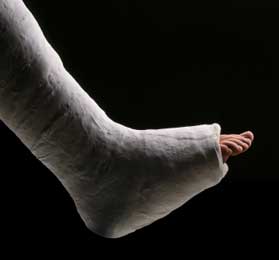
broken legThis is a guest post by Andrew from Patient Handling.                                                                                                                                           Dealing with a broken leg is undoubtedly an arduous endeavor. It requires you to majorly alter your lifestyle in order to carry out the simplest of tasks. This may result in you feeling helpless and dependent, which can be extremely frustrating. Therefore, it is important to deal with the day-to-day activities in an effective manner in order to make it easier for you to cope with your predicament.

The following 5 tips will help you to manage your day to day activities with a broken leg:

Moving Around

This is obviously the biggest challenge that you will face. You can’t afford to put pressure on your broken leg and can’t compromise on mobility, at the same time. Therefore, you should use a walker, which will allow you to easily move around in a stable and convenient manner.

You can also use crutches to support your leg but this isn’t a feasible option for many people. A crutch requires considerable upper body strength and, therefore, can be difficult to use. A better alternative to a crutch will be a walking cane but you have to be careful that your doctors approve of it. The reason for this is that a walking cane will require you to put a little pressure on your foot in order to maintain balance. This is an absolute no-no in the early stages of your injury.

Taking a Shower

Yes, it is possible to take a shower while protecting your cast at the same time.

All you need to do is to create a strong protective layer over your cast by wrapping around layers of plastic and towels over it and secured them by duct tape. This may sound a bit too much but you absolutely can’t afford water leaking into your cast and, therefore, it is a necessary measure.

Once you are done with creating your protective shield, you are ready to take a shower. Use a water proof chair that is facing away from the water to enjoy a normal shower (almost!).

Maneuvering the Stairs

This is one of the biggest challenges that people with broken legs facing moving up and down stairs. In order to tackle it, you will first have to swallow your pride because you can’t go and up down the stairs in a standing position.

You will have to sit down on the step and raise your self up and down, as required, to maneuvers the stairs. Have someone bring the walker/crutch for you or you can choose to have two or one for each level.

Swallow Your Pride

You may completely resent being dependent on others but you should realize that it is okay to ask for help. This is only a temporary condition and others will be more than happy to assist you, provided you are not being a nuisance.

Keeping Your Spirits High

It can be quite distressing when you think about how restricted your life has become after breaking your leg. Therefore, rather than focusing on what you cant do, you should improvise and make the most of your situation. Take it as a special rest period that you have been granted and enjoy the vast variety of activities that you can still do.

If you have anything to add to this post, please feel free to Post a comment or share your thoughts through Facebook, Twitter, Google+ or comment section below to join the conversation.

Filed Under: Advice

Lower Back Pain Tips for Injury Prevention

April 18, 2012 by drburt

lower back pain

Lower Back Pain Tips for Injury Prevention

This is a guest post by Allied Movers.                                                                       Few things can limit your quality of life as much as a lower back pain sprain/strain. Once injured, it often takes time to eliminate pain and return the body to its former healthy state. Back injuries can interfere with multiple daily activities, from walking with ease or even picking up a set of keys from a low table. Preventing back injuries should be your goal every time you do any sort of physical labor or engage in any other strenuous activity. A few common sense tips can help you protect your back.

1. Use correct lifting techniques

When you need to lift a heavy object, reduce the amount of pressure placed on your back. Always bend with your knees to keep your spine properly aligned. Allow your legs to do the bulk of the work instead of your back. Always face the object you are lifting and avoid any sudden twisting movements as you lift. Lift gradually. Slow and smooth motions reduce the strain on your back muscles. Take your time to get a good hold on whatever you want to lift and use your legs and abdominal muscles to help you. Avoid the urge to prove how strong you are or show off, as either action can result in needless injury. Though it is impossible to avoid lifting items altogether, being cautious can preserve your back health.

2. Lighten the load

Test the weight of an object before you attempt to move or lift it. Push it lightly with your foot or hands to judge how much effort will be required to move it. The harder it is to budge, the more strain the object will put on your back when picking it up. Reduce the weight if possible. If you are moving something especially heavy, like a load of books, redistribute the books in several smaller boxes. If you cannot reduce the weight of the item you are lifting, ask for help in moving it. In the case of cumbersome objects like couches, bookshelves or appliances, hiring professional movers is the surest way to protect your back.

3. Manage your body

Before you start any lifting, stretch out your back and leg muscles. If you need to move more than one object or transport it a great distance, it is a good idea to take short breaks as needed. This gives your body a chance to rest and recover from strenuous activity before it takes too great of a toll. Be sure to plan extra time so you are not rushed when it comes time to move bags of mulch, clean out the garage or take holiday decorations to your attic.

4. Plan ahead

Be aware of your surroundings before you attempt to lift or move anything. Make sure you have a clear path and are not walking across a slippery surface. Take precautions to make sure the object is within reach when you bend to pick it up and transport it. If the object is hard to reach or you feel unsure of your grip before lifting, you significantly increase the risk of sustaining a back injury.

Although you’re likely to be safe when lifting heavy objects, back injuries can still occur. In this situation, seeking treatment from a licensed and experienced chiropractor is a smart option for healing your back. Be mindful and do your part to prevent a back injury in the first place. The adage “slow and steady wins the race” will go a long way toward keeping you healthy and pain-free.

If you have anything to add to this post, please feel free to Post a comment or share your thoughts through Facebook, Twitter, Google+ or comment section below to join the conversation.

Filed Under: Advice

Hay Fever and Chiropractic Benefits

April 2, 2012 by drburt

hay fever

Hay Fever and Chiropractic Benefits

This is a guest post by Dr. James A Devine DC, from Seattle about Hay Fever.

The return of blue skies and warmer weather has me excited, but those suffering from seasonal allergies may share my enthusiasm for the arrival of spring and hay fever with it.  Along with daffodils and tulips, springtime brings pollen that once again has hay-fever sufferers sneezing and wiping their eyes.

The body’s immune system, in addition to preventing disease and infection and combating stress, deals with the invasion of foreign substances such as pollution, dust and pollen.  Allergic reactions happen when the body’s immune system overreacts to allergens and overproduces neutralizing chemicals such as histamines to correct the problem.  An immune system not operating effectively will often over-react to pollen and other irritants.

Traditional allergy treatments only deal with the symptoms and do nothing to address the cause. It is a little known, but true fact, that antihistamines can cause heart problems, especially if taken in conjunction with alcohol and sedatives.  Chiropractic care, on the other hand, releases stress on a patient’s nervous system and allows the immune system to operate more effectively.

A healthy, stress-free body is more capable of fighting off allergens without the use of harmful medications. Subluxations or misaligned spinal vertebra put pressure on a nerve, which places stress on the nervous system and make the body more susceptible to disease.  Chiropractic adjustments remove subluxations and the resulting the nerve interference and allow the immune system to work optimally.  Free from nervous system stress, the body can work more efficiently to neutralize allergy-causing chemicals in the environment.

Symptoms that you might be suffering from seasonal allergies include:

  • Sneezing
  • Itchy, watery eyes
  • Congestion
  • Sinus headaches
  • Sinus pressure

Chiropractic is a conservative, natural and effective, drug-free approach for treating seasonal allergies.  If you are suffering from seasonal allergies, it is a great time to visit your chiropractor!


Filed Under: Advice, Chiropractic Tagged With: chiropractic benefits, hay fever

  • « Previous Page
  • 1
  • …
  • 7
  • 8
  • 9
  • 10
  • 11
  • …
  • 18
  • Next Page »

PLEASE FOLLOW & LIKE B.C.

RSS
Follow by Email
Facebook
Facebook
fb-share-icon
Twitter
Visit Us
Follow Me
Post on X
YouTube
YouTube
LinkedIn
LinkedIn
Share

15200 Hesperian Blvd #104

San Leandro, CA. 94578

(510) 481-2225

drburt@burtchiropractic.com


SEARCH

Categories

Recent Posts

  • Loss of Cervical Lordosis: How a Straight Neck and Pain Impact Your Health—and How a San Leandro Chiropractor Can Help Restore It
  • Hidden Injuries from Car Accidents That a San Leandro Chiropractor Can Help You Detect
  • Best San Leandro Chiropractor for Sciatica Pain Relief: Natural, Drug-Free Solutions That Work