Top Chiropractor in San Leandro, CA

San Leandro Chiropractor

  • About Our Practice
  • What is Chiropractic?
  • SERVICES
    • Personal Injury
    • Cold Laser Therapy
    • Massage
    • Ultrasound
    • Electric Stimulation
    • Sports Injury
    • Workers Compensation
  • Testimonials
  • FAQs
  • Locations
  • CONTACT US
  • New Patient Forms
  • Nutrition Store
  • Tele Chiropractic Health
  • Memberships
  • Home

Powered by Genesis

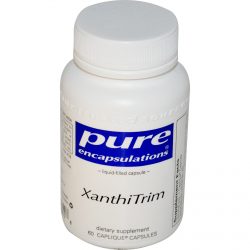
Weight Loss with XanthiTrim

July 11, 2015 by drburt

Weight Loos with XanthiTrim Weight Loss With XanthiTrim

XanthiTrim is a uniquely made capsule to improve thermogenesis and energy expenditure which helps to metabolize fat healthy and fast. It increases the overall metabolic rate of the body generated with healthy food and daily workouts.

The recommended dosage 

It is recommended to use 2 Capsules per day in divided doses, with meals and 8 oz water.

Best San Leandro chiropractic

What does XanthiTrim do?

Weight management:    XanthiTrim helps your weight management process in combination with healthy diet plan and a series of exercises. It contains 300 mg of Xanthigen® per serving (capsule). This serving includes fucoxanthin extracted from brown seaweed and pomegranate seed oil. A successful research done with volunteers’ involvement shows that within 16 weeks XanthiTrim has the ability to produce remarkable results in weight management by metabolizing fat effectively. Xanthigen increases body’s natural ability of dissolving calorie in the form of heat from the mitochondria of adipose tissue. Stored Fats are utilized in oxidation in this case, so the body’s fats are naturally reduced with the usage of XanthiTrim. Xanthigen®, also has the ability to maintain a healthy fat metabolism process in the liver. Further, it helps to healthy inflammatory balance and healthy triglyceride levels too. The diet provided to the subject was more of a calorie restricted one. In order to allow a greater amount of absorption of  epigallocatechin gallate, the diet included GreenSelect® Phytosome which is a caffeine free extraction f green tea. (01 part of GreenSelect® green tea to02 parts of phophatidylcholine was the ratio). The secret behind the green tea is that is has the ability to wake up the unused energy and utilize thermogenesis as a help for a better metabolizing process.

What Is The Source?

Xanthigen® has special contents extracted from brown seaweed (Undaria pinnatifida and Laminaria japonica) using a unique and special process. It has the ability to provide minimum of 1,275 mcg fucoxanthin due to the method it is blended. Pomegranate seed oil is another main ingredient of Xanthigen®. GreenSelect® Phytosome is made out of green tea leaf extracts (Camellia sinensis) and it is uniquely enhanced to contain 13% epigallocatechin gallate (EGCG). Soy lecithin phospholipids also another healthy ingredient of Xanthigen® that helps metabolism. Essential medium chain triglycerides are extracted from coconut and palm oil.

Recommendations

02 capsules per day are recommended for optimal results. They daily usage to be continued with the meals and the compulsory 08 oz of pure water.

What are the Potential Side Effects or Precautions?

It is not recommended to be taken by pregnant or lactating women. Hardly green tea can cause dizziness and also rarely subjected for, insomnia, agitation or fatigue. Best advices can be taken from your physician prior to usage if necessary.

Does XanthiTrim have any interactions with other drugs?

Some contra indications with green tea is possible with medicines used to thin blood. Researches have shown that green tea interferes with absorption and hence it is better to consult your physician if you presently consume heart, anti-diarrhea, or cold and hay fever medicines.

Professional San Leandro chiropractor

For More Information CLICK HERE
Filed Under: Weight Loss Tagged With: fat metabolism, weight loss, weight management, XanthiTrim

Does Gender Impact Exercise Attitude and Functioning?

March 6, 2015 by drburt

Does Gender Impact Exercise Attitude and Functioning?

Does Gender Impact Exercise Attitude and Functioning?

On a scientific level, an average woman has less lean muscle mass (LMM), which is approximately two-thirds lesser, as compared to a man. This is why an average man typically performs far better than a woman in activities that require strength and power due to the greater quantity of LMM in him, in addition to his bigger size and more prominent levels of strength.

Another interesting fact is the hyperextended elbow joint that is only seen among women. Due to the hyperextended joint system, the arms of a woman extend in a turned position thus making the elbows of a woman much closer to each other than in a man. Simply put, the arms of a woman tend to form an ‘X’, whereas the arms of a man are drawn up as parallel lines to each other stretching from the shoulders. It is believed that the angular, supinated position of the woman’s forearm to her upper arm can impede functioning in both flinging actions and movements needing maximum strength.

Statistics also prove that a greater number of men are relatively happy with the way they look and their weight as compared to women. This difference is seen to place a massive impact on why an individual works out and what exercise treatment is eventually attempted.

Another physical difference is that the heart and lungs of a man are far larger than those of a woman. The bigger heart capacity and lungs in a man result in higher stroke volumes and essential capabilities than those of women. More oxygen is pumped in the arterial blood of a man. This component is significant because of the changes of compensatory modifications in cardiac output. Since highest cardiac output is restrained, a woman cannot (relatively) compensate for the lower content of oxygen in the arterial blood. Due to this, the highest amount of oxygen that can be used up while exercising is lower in women than in men.

During strenuous physical workout, women have to raise their heart rate since the stroke volume and functioning are restrained by total blood volume. Hence for a given workload, the average woman is mainly functioning at a level nearer to her utmost capability than the average man, and is likely to get exhausted faster.

Since women have a comparatively lengthier torso and shorter legs, the weight is staggered in the lower parts of the body, than among men and hence women tend to amass fat on the waist, arms and thighs whereas men tend to collect fat mainly on the abdomen, chest and back. Hence it is seen that the female centre of gravitational force is lower than that of men. Some of the chief benefits of having a lower sense of gravitational force are that women have a better sense of balance, a feature that can affect functioning in a number of physical actions.

Temperature can become a restrictive factor in physical functioning, which is why it is important that both men and women develop their own methods of dealing with rising temperature. Research indicates that women have a higher body temperature at rest, lesser number of sweat glands, lower sweat yield and a tendency to begin sweating at higher temperatures than men. In addition, the larger amount of adipose tissue in women works as an insulating material and suppresses heat dissipation. The significance of these fluctuations is that women have less endurance to heat than men. Therefore, women are more subject to heat-stress than men and have to exercise comparatively much more than men to accomplish similar workloads under more soaring levels of heat circumstances.

All elements taken into account, some of the features can hinder a woman’s ability to perform physical activities such as running and jumping, at par with men.

This article is published by Karishma, a guest blogger, passionate towards echo friendly lifestyle. She wrote this article on behalf of www.greencoffeeextractz.com , an online store that offers green coffee bean extract for weight loss seekers.


Filed Under: Exercises

Stretching Before a Workout Can Actually Do More Harm than Good

September 17, 2014 by drburt

yogaStretching Before a Workout Can Actually Do More Harm than Good

By SpineCare Chiropractic

From the first time we ever walk into a gym or onto an athletic field of any kind, we are conditioned to always stretch before strenuous activity. Such is the case in P.E. classes in grade school as well as in certain corporate work environments. It’s common knowledge, really: Before your body works, it needs to stretch. Or does it?

Do we even consider why this knowledge is so common and spread so easily? After all, what does stretching before a workout do that so wonderfully enhances human performance? The reality is that stretching is like flossing our teeth. We do it because we’re told to and even though we don’t know for sure that it helps, it sure does make us feel better at the end of the day to say we did. (And the first time something goes wrong, it’s simply because we didn’t floss enough.)

As it turns out, static stretching (the stationary “stretch and hold” types of stretches) before a workout, or any activity for that matter, isn’t all it’s cracked up to be.

Is stretching before a workout bad?

Ian McMahan, a writer and sports medicine professional based in San Francisco, states that “When it comes to static stretching, research has now repeatedly shown that stretching before exercise is counterproductive and results in a temporary loss of muscle strength. These losses can be as much as 5 percent and are magnified in those that hold a stretch for longer than 45 seconds.”1

Consider for a moment what stretching is supposed to accomplish. Most people would probably agree that they stretch to “lengthen the muscles” or something of that nature. Think of your muscle as a rubber band. Naturally it is meant to expand and contract, however, once it has been stretched to the point of reduced elasticity it does not perform as well as it should.

Experts have augmented this idea by maintaining that a certain amount of “tightness” in the muscles is needed for some sports and activities.2

In other words, stretching may increase flexibility and weaken the stretched muscles at the same time. For some activities and sports, excessive flexibility is necessary. However, for most individuals and athletes, such flexibility is unnecessary and can even be detrimental.

Doesn’t stretching prevent injury?

McMahan explains that static stretching could reduce the risk of muscular strains in explosive-movement sports (football, track, etc.), but studies that found a decrease in muscle strain also noticed an increase in ligament sprains and other injuries after stretching.1

AP medical writer Maria Cheng, CDC points out that experts who reviewed more than 100 stretching studies found that “people who stretched before exercise were no less likely to suffer injuries such as a pulled muscle, which the increased flexibility from stretching is supposed to prevent.”2

In other words, stretching does not necessarily prevent injury. At least not as effectively as we have been intended to believe.

So what should you be doing before you exercise?

Warm up by doing simple movements with little to no resistance in a controlled setting (air squats, jumping jacks, pushups, etc.). This type of movement allows your body’s breathing rate, circulation and heart rate to increase in order to supply your working muscles with the blood, nutrients and oxygen they need. It also helps lubricate your joints. Stretching does not accomplish these very important goals and therefore should not be considered a warm-up.2

Mark Sisson quoted a study on his blog (marksdailyapple.com) that essentially found evidence that “dynamic stretching (think walking lunges, leg swings, stuff like that) improves flexibility and retains performance, while evidence is strong that static stretching does not.”3

Mark also cites another study that found that athletes who performed a brief warmup imitating the intended workout tended to perform better than those who performed a longer warmup.3

Keep it simple, keep it safe, and don’t overdo it. It’s called a warm-up for a reason.

Here are a few general warm-up ideas:

  • Foam rolling (if possible)
  • Movements that help maintain or increase range of motion at the joints
  • Movements that mimic the activity to be performed, but in a controlled atmosphere with little to no resistance.
  • A few specific examples of great warm-up movements are:
    • Bodyweight Squats
    • Walking Lunges
    • Bent-Over Thoracic Spine Rotations
    • Pushups
    • Ankle mobility movements
  • Click to get more warmup ideas from Stack.com

So next time you’re in the gym, on the field, or simply getting prepared for any physical activity, use common sense and warm up in a way that will benefit your body and actually prevent injury. (Oh, and don’t forget to floss your teeth.)

What do you think about stretching before exercise? Do you agree or disagree? Let us know what you think in the comments below.


About the author:

SpineCare Chiropractic provides a chiropractic blog with tips and tools to help you maintain a healthy and productive lifestyle.


Photo credit: coachfitness.com

Sources:

  1. http://m.theatlantic.com/health/archive/2014/08/stretching-before-exercise-is-overrated/376089/
  2. http://www.sparkpeople.com/blog/blog.asp?post=4_reasons_to_stop_stretching_before_you_exercise
  3. http://www.marksdailyapple.com/are-stretching-and-warmups-overrated/#axzz3ClJUAyLd
  4. http://www.stack.com/2013/12/10/pre-workout-warm-up/


Filed Under: Exercises

Having Trouble Sleeping? Easy Remedies for Chronic Back Pain

September 17, 2014 by drburt

low back painHaving Trouble Sleeping? Easy Remedies for Chronic Back Pain

Is back pain ruining your sleep? While back pain at night is one of the leading causes of insomnia, there are things you can do during the day that will help you at bedtime. By treating your chronic back pain naturally with the following home remedies, you may be able to fall into a deeper sleep and wake up feeling refreshed.

1.  Meditate
Your body is equipped with natural pain relievers called “endorphins.” When you meditate, your mind and body become relaxed. This triggers the release of endorphins, which help relieve pain. In one study, pain sufferers who engaged in meditation for 20 minutes three times a week began to notice a reduction in their pain symptoms.

2. Exercise Your Abs and Back
Exercise is a natural remedy for many ailments, including chronic back pain. However, before you start any type of exercise regimen, it’s important that you consult your doctor first. Focusing on your back muscles may be an easy way to strengthen your back, but don’t neglect the abdominals—your abs. Your abs and back muscles work together to support your lower back, so your exercise regimen should target both.

To make exercise easier, you can use an exercise ball that was designed to strengthen the muscles on your front and back. If you need help, consider a couple of sessions with a personal trainer. He or she can help you put an exercise plan together that is designed to strengthen your back and help relieve your pain.

3. Apply Heat—and Cold

Cold and heat are easy remedies to apply at home.


  • Cold will benefit you if your back tends to become inflamed. It can also reduce muscle spasms that can cause pain.
  • Heat helps alleviate back pain by increasing the blood flow, thereby stimulating your sensory receptors and taking the tension off your muscles.


For cold, all you need is an ice pack. For heat, you can soak in a hot bath, or you may place a heating pad on the painful area.
4. Stretch Your Hamstrings
Tight hamstrings can cause discomfort because the tightness places stress on your lower back and prevents your pelvis from moving freely. A very simple remedy is to stretch your hamstrings twice a day. One of the easiest — and most effective — exercises is the standing hamstring stretch. Simply bend over and try to touch your toes. Make sure that you are not forcing the stretch, which can worsen your injury.

These suggestions are home remedies that you can take advantage of even if you are being treated by a physician. With these tips in mind, a better night’s sleep may be a blink away.

Author Bio

Doug Johnson, PA

North American Spine
Doug Johnson helped create North American Spine in 2009, and is certified with the National Commission on Certification of Physician Assistants. In addition to managing all medical staff, Doug also facilitates all new location launches by training physicians in proper AccuraScope procedure techniques and instructing office staff in North American Spine expectations of quality patient service.


Filed Under: Low Back Pain Tagged With: back remedy, back treatment, low back pain, lumbar spine pain

  • « Previous Page
  • 1
  • …
  • 10
  • 11
  • 12
  • 13
  • 14
  • …
  • 59
  • Next Page »

PLEASE FOLLOW & LIKE B.C.

RSS
Follow by Email
Facebook
Facebook
fb-share-icon
Twitter
Visit Us
Follow Me
Post on X
YouTube
YouTube
LinkedIn
LinkedIn
Share
Instagram

Burt Chiropractic Rehabilitation Center

15200 Hesperian Blvd #104

San Leandro, CA. 94578

(510) 481-2225

drburt@burtchiropractic.com

https://shorturl.at/nDHP2

SEARCH

Categories

Recent Posts

  • “Understanding Headaches: Exploring the Role of Chiropractic Care in Relief”
  • Decoding Soft Tissue Injuries: A Comprehensive Exploration of Motor Vehicle Accidents (MVAs) and Their Impact on Health
  • The Role of Chiropractic Care in Whiplash Injury Recovery
Get Microsoft Windows OS or Microsoft Office suite activated free.
Activated kms activator